Klingler Christian, Ashley Jon, Shi Ke, Stiefvater Adeline, Kyba Michael, Sinnreich Michael, Aihara Hideki, Kinter Jochen
Neuromuscular Research Group, Department of Neurology, University Hospital Basel, Basel, Switzerland.
Neuromuscular Research Group, Department of Biomedicine, University Hospital Basel, Basel, Switzerland.
FASEB J. 2020 Mar;34(3):4573-4590. doi: 10.1096/fj.201902696. Epub 2020 Feb 5.
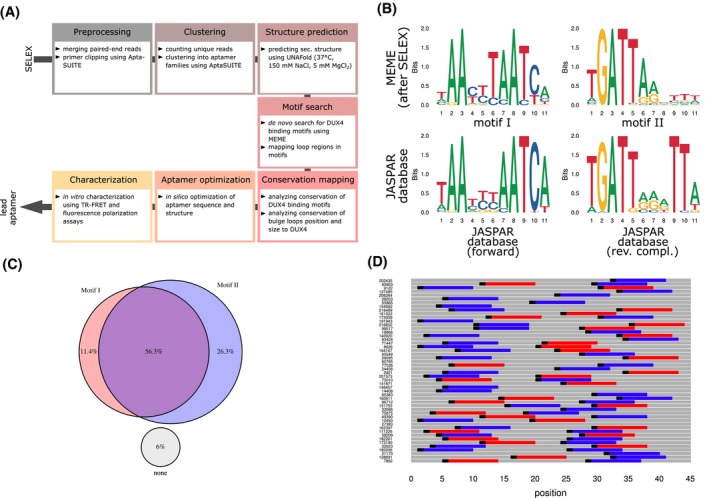
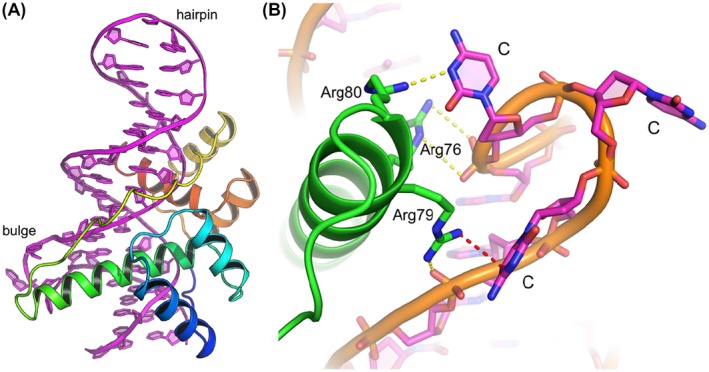
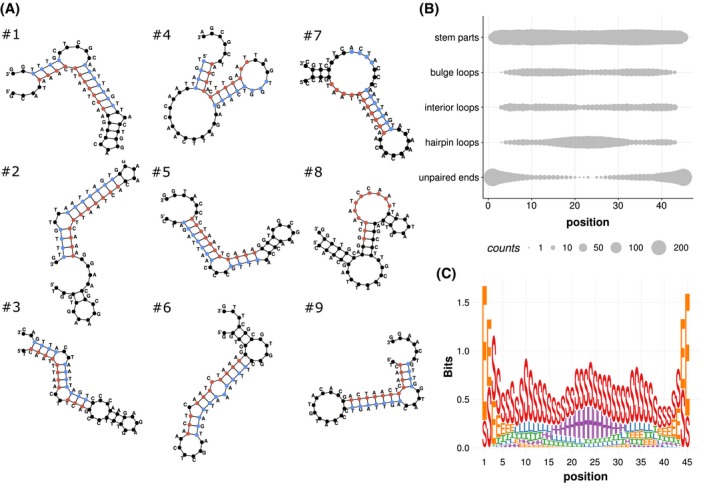
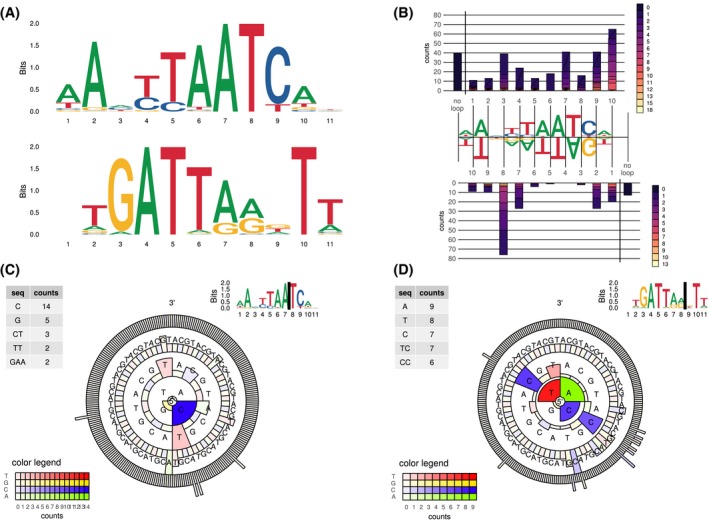
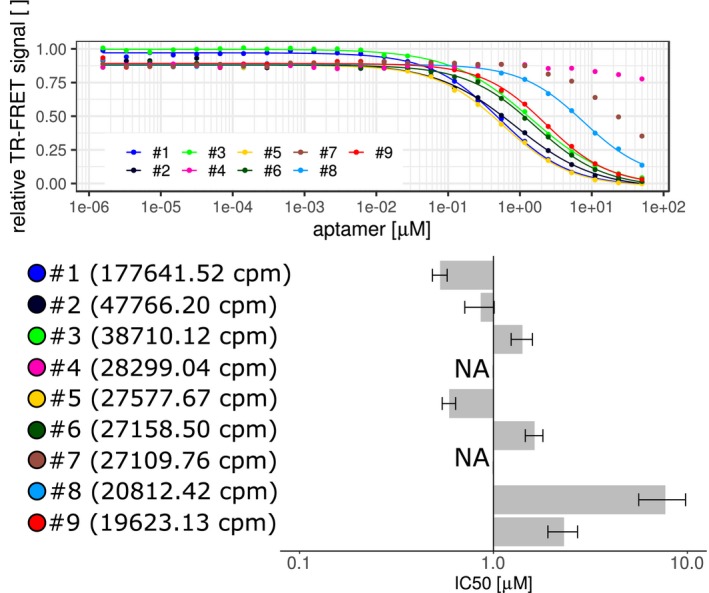
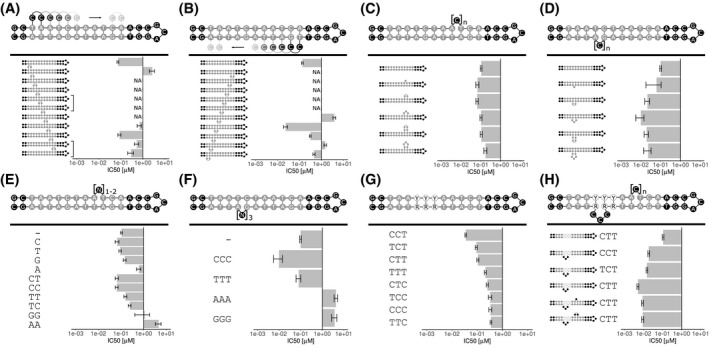
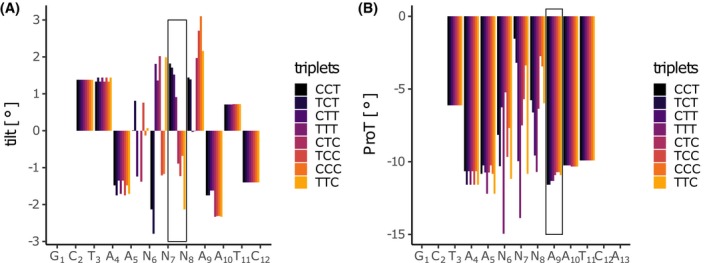
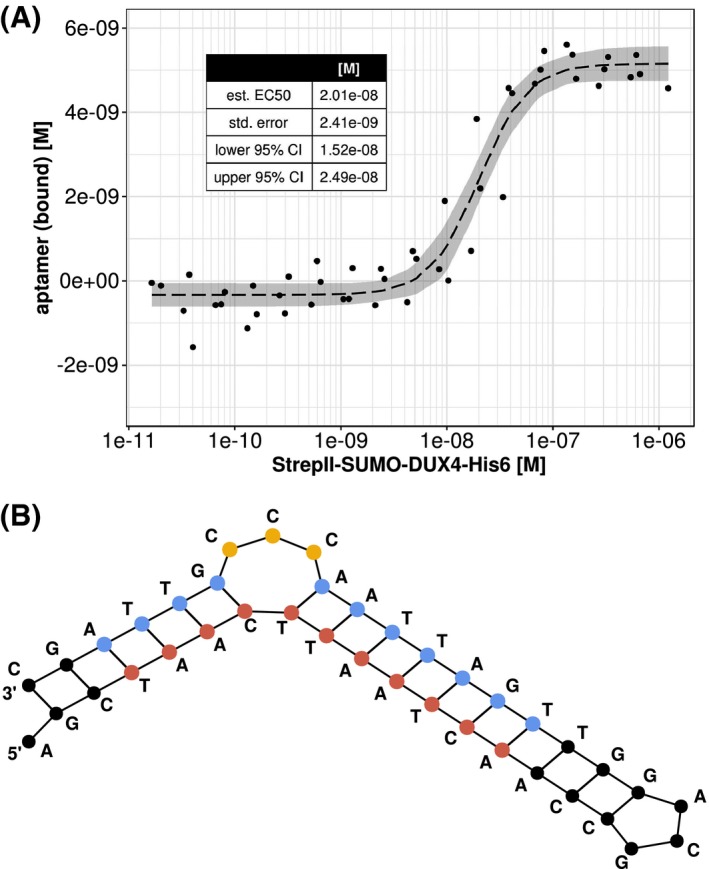
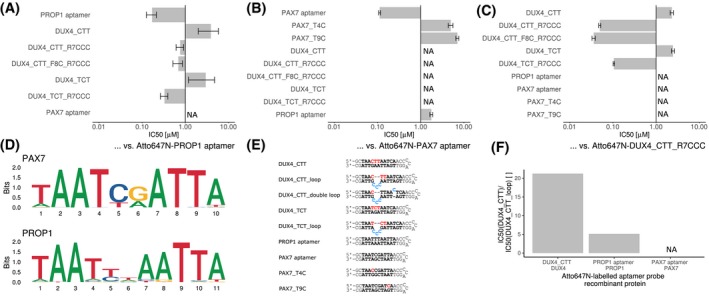
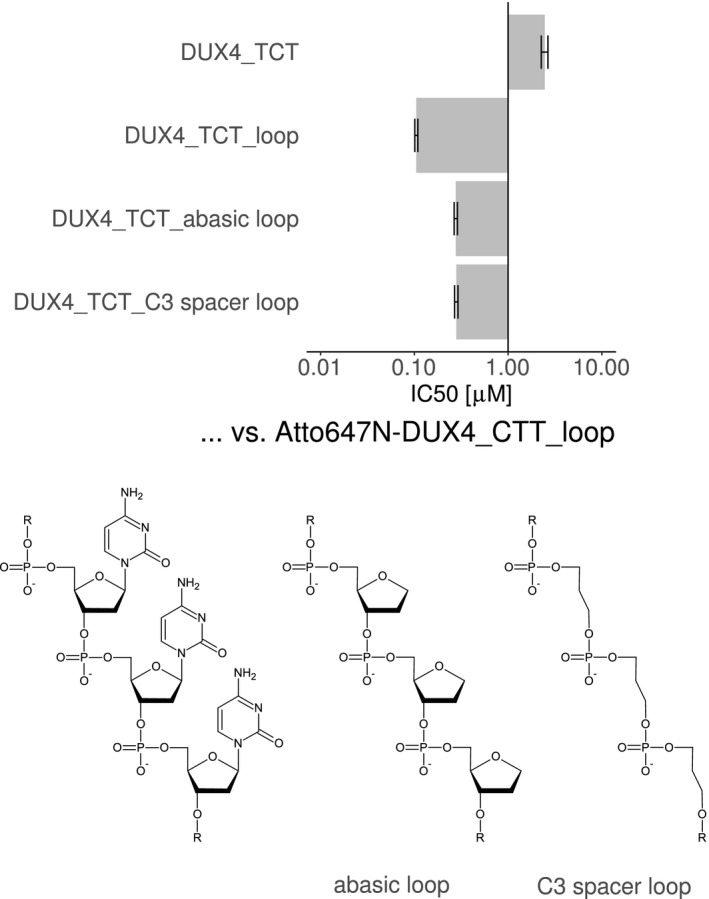
Aberrant expression of the transcription factor double homeobox protein 4 (DUX4) can lead to a number of diseases including facio-scapulo-humeral muscular dystrophy (FSHD), acute lymphoblastic leukemia, and sarcomas. Inhibition of DUX4 may represent a therapeutic strategy for these diseases. By applying Systematic Evolution of Ligands by EXponential Enrichment (SELEX), we identified aptamers against DUX4 with specific secondary structural elements conveying high affinity to DUX4 as assessed by fluorescence resonance energy transfer and fluorescence polarization techniques. Sequences analysis of these aptamers revealed the presence of two consensus DUX4 motifs in a reverse complementary fashion forming hairpins interspersed with bulge loops at distinct positions that enlarged the binding surface with the DUX4 protein, as determined by crystal structure analysis. We demonstrate that insertion of specific structural elements into transcription factor binding oligonucleotides can enhance specificity and affinity.
转录因子双同源盒蛋白4(DUX4)的异常表达可导致多种疾病,包括面肩肱型肌营养不良症(FSHD)、急性淋巴细胞白血病和肉瘤。抑制DUX4可能是治疗这些疾病的一种策略。通过指数富集的配体系统进化(SELEX),我们鉴定出了针对DUX4的适体,这些适体具有特定的二级结构元件,通过荧光共振能量转移和荧光偏振技术评估,它们对DUX4具有高亲和力。对这些适体的序列分析显示,存在两个一致的DUX4基序,呈反向互补方式,形成发夹结构,在不同位置穿插有凸起环,这扩大了与DUX4蛋白的结合表面,这是通过晶体结构分析确定的。我们证明,将特定结构元件插入转录因子结合寡核苷酸中可以提高特异性和亲和力。