Department of Oncology, The Affiliated Hospital of Southwest Medical University, Luzhou 646000, China.
Laboratory of Molecular Pharmacology, Department of Pharmacology, School of Pharmacy, Southwest Medical University, Luzhou, 646000, Sichuan, PR China.
Int J Biol Sci. 2020 Jan 1;16(4):568-582. doi: 10.7150/ijbs.39769. eCollection 2020.
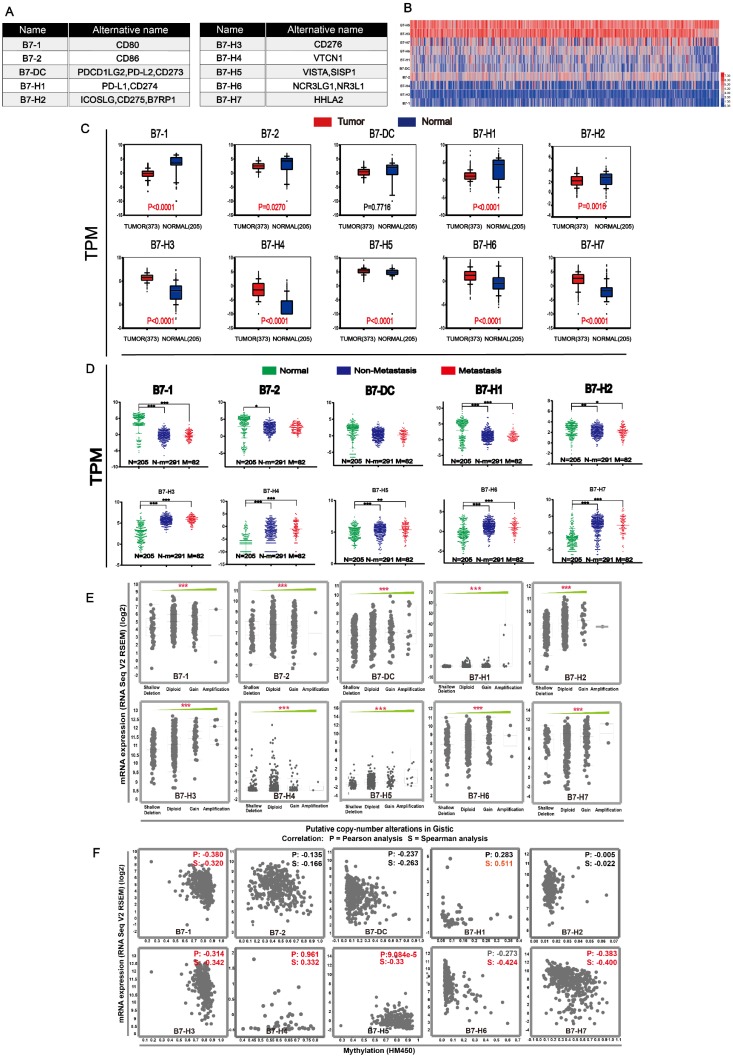
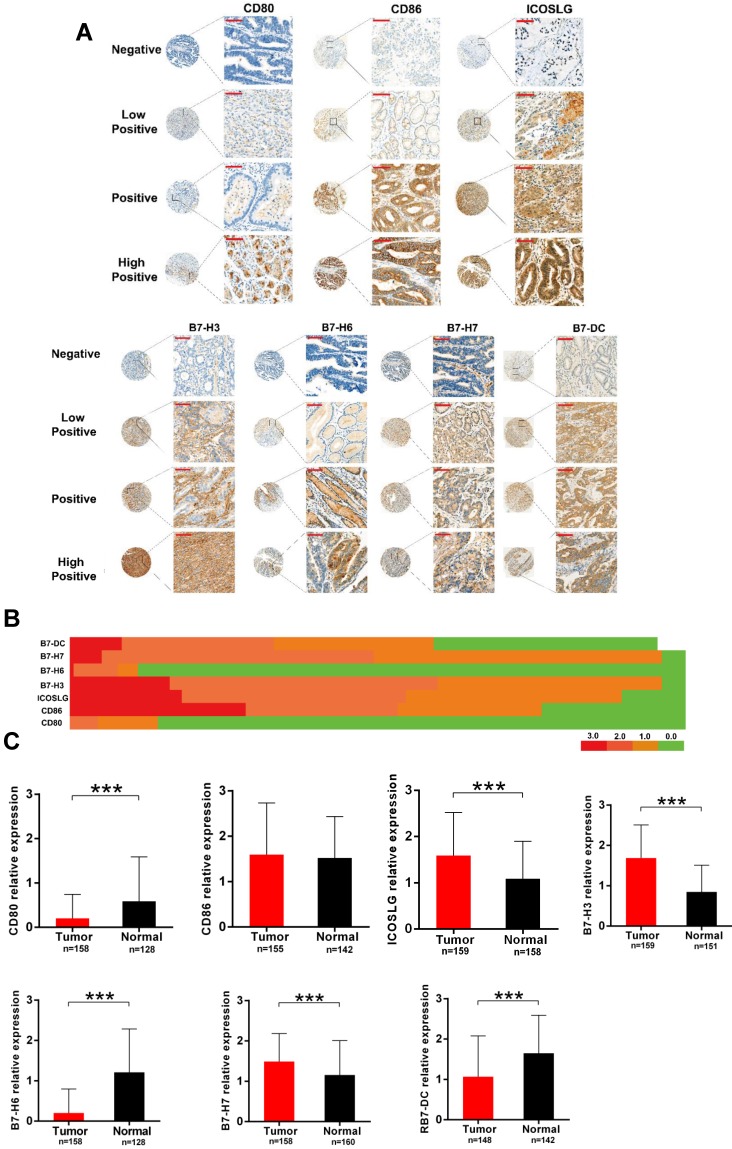
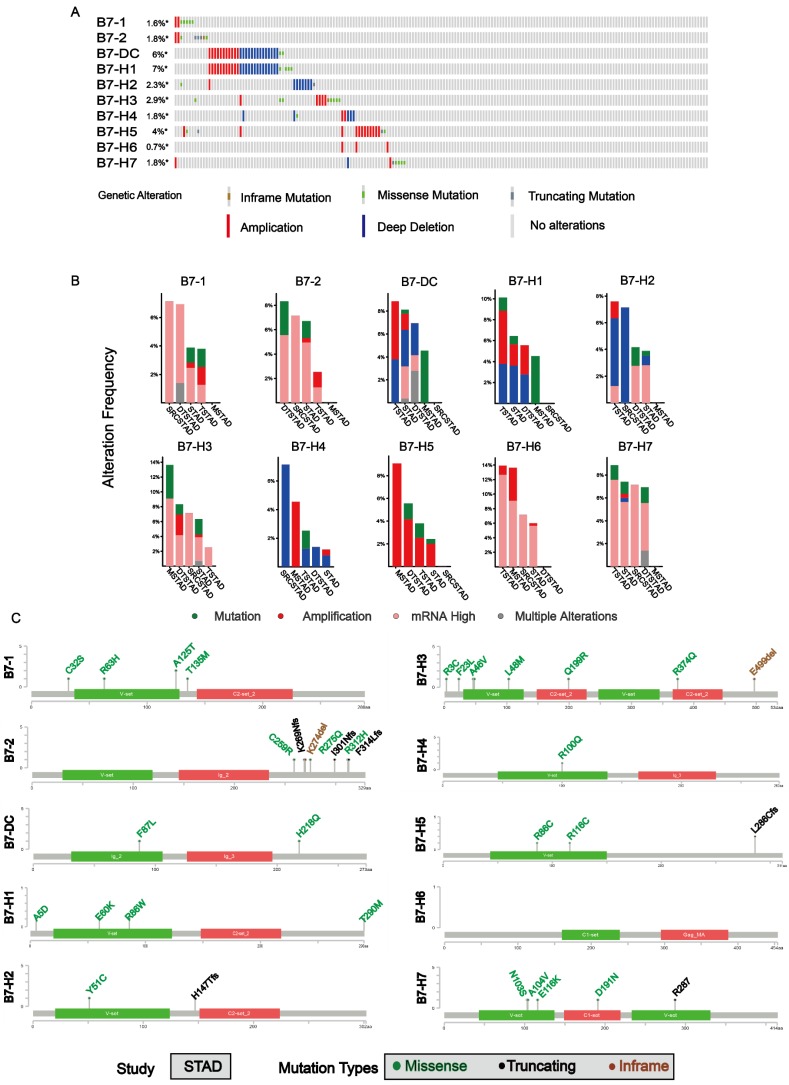
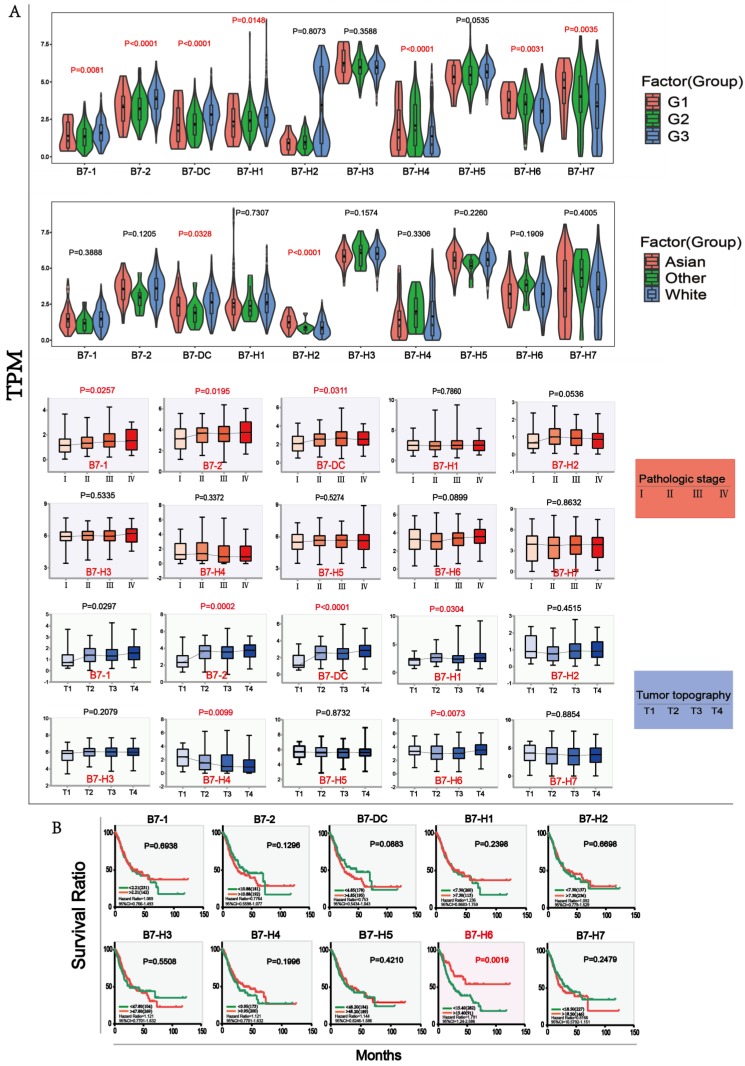
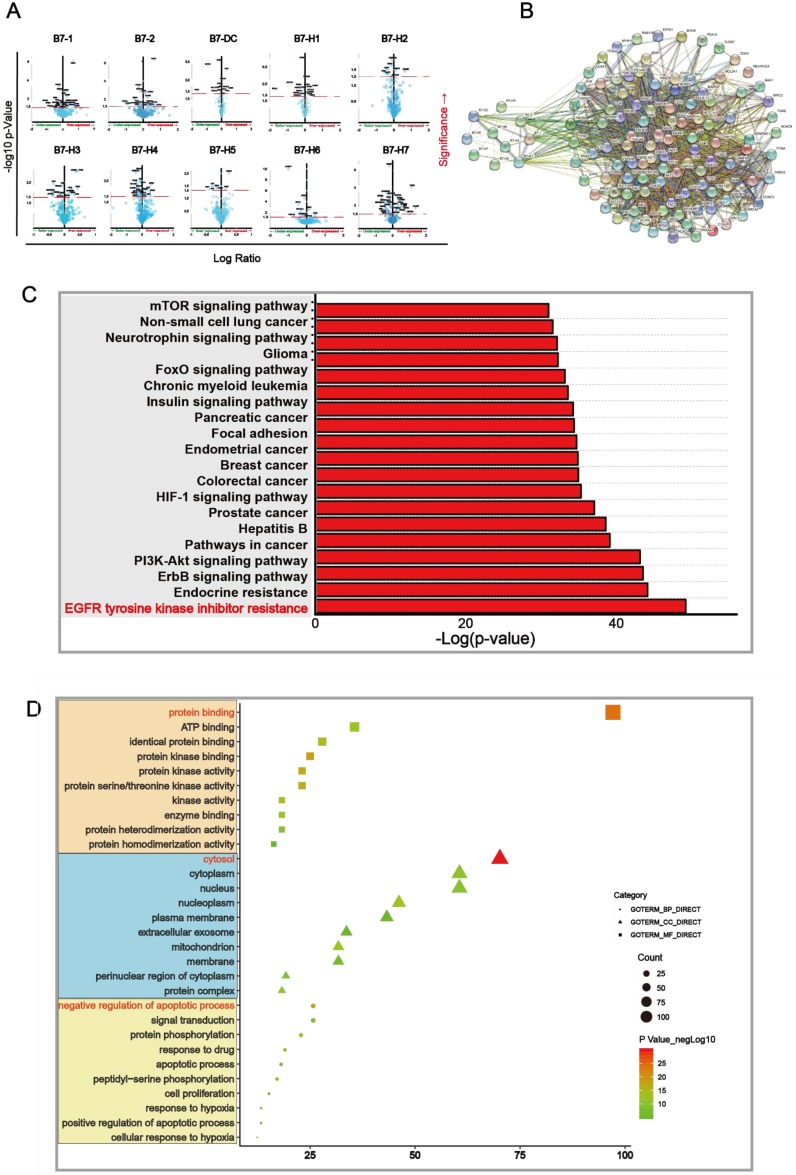
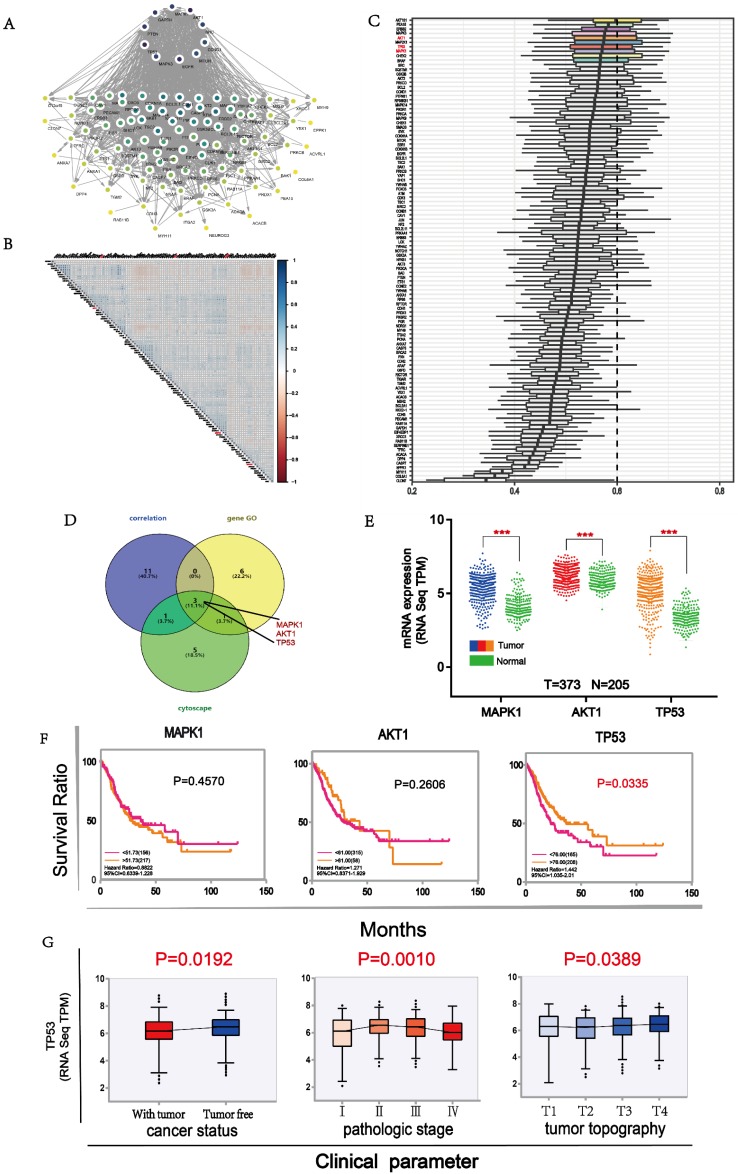
B7 family members were identified as co-stimulators or co-inhibitors of the immune response and played important roles in cancer immunotherapy; however, their dysregulation in gastric cancer is still unclear. Data were obtained from TCGA and GTEX database. B7 mutations, association with DNA methylation and affected proteins were analyzed in cBioportal. Kyoto Encyclopedia of Genes and Genomes (KEGG) enrichment analysis and Gene Ontology (GO) project was studied by DAVID to find the downstream signaling pathway and important metabolic process, respectively. Protein-protein interaction network was analyzed in STRING and Cytoscape. A total of 160 paired specimens in tissue microarray from patients with gastric cancer were used to detect the expression levels of seven B7 family members via immunohistochemical analysis. Bioinformatics studies revealed dysregulation of B7 members in gastric cancer. Gene and protein alteration were found in B7 family members. Furthermore, DNA methylation and gene alteration may be both involved in B7 member dysregulation in gastric cancer. Importantly, the high expression of B7-H6 is associated with good overall patient survival. B7 family members primarily affect the EGFR tyrosine kinase inhibitor resistance signaling pathway in gastric cancer and TP53 may be an important target of the family. The low expression of B7-1 and high expression of B7-H3 and B7-H7 were validated by IHC staining. Our results provide insight into B7 family member expression in gastric cancer and stress their importance in stomach tumorigenesis, which may be beneficial for designing future cancer treatments.
B7 家族成员被鉴定为免疫反应的共刺激或共抑制因子,在癌症免疫治疗中发挥重要作用;然而,它们在胃癌中的失调机制尚不清楚。数据来自 TCGA 和 GTEX 数据库。在 cBioportal 中分析了 B7 突变、与 DNA 甲基化的关联以及受影响的蛋白。通过 DAVID 进行京都基因与基因组百科全书(KEGG)富集分析和基因本体论(GO)项目研究,分别寻找下游信号通路和重要代谢过程。在 STRING 和 Cytoscape 中分析蛋白质-蛋白质相互作用网络。使用来自胃癌患者的组织微阵列中的 160 对配对标本,通过免疫组织化学分析检测七种 B7 家族成员的表达水平。生物信息学研究揭示了 B7 成员在胃癌中的失调。发现 B7 家族成员存在基因和蛋白改变。此外,DNA 甲基化和基因改变可能都参与了胃癌中 B7 成员的失调。重要的是,B7-H6 的高表达与患者总生存良好相关。B7 家族成员主要影响胃癌中 EGFR 酪氨酸激酶抑制剂耐药信号通路,TP53 可能是该家族的一个重要靶点。B7-1 的低表达和 B7-H3 和 B7-H7 的高表达通过免疫组化染色得到验证。我们的结果深入了解了 B7 家族成员在胃癌中的表达情况,并强调了它们在胃肿瘤发生中的重要性,这可能有助于设计未来的癌症治疗方法。