Institute for Evidence-Based Healthcare, Bond University, Gold Coast, Australia.
BMC Pregnancy Childbirth. 2020 Feb 7;20(1):76. doi: 10.1186/s12884-020-2745-1.
Gestational diabetes mellitus (GDM) - a transitory form of diabetes induced by pregnancy - has potentially important short and long-term health consequences for both the mother and her baby. There is no globally agreed definition of GDM, but definition changes have increased the incidence in some countries in recent years, with some research suggesting minimal clinical improvement in outcomes. The aim of this qualitative systematic review was to identify the psychosocial experiences a diagnosis of GDM has on women during pregnancy and the postpartum period.
We searched CINAHL, EMBASE, MEDLINE and PsycINFO databases for studies that provided qualitative data on the psychosocial experiences of a diagnosis of GDM on women across any stage of pregnancy and/or the postpartum period. We appraised the methodological quality of the included studies using the Critical Appraisal Skills Programme Checklist for Qualitative Studies and used thematic analysis to synthesis the data.
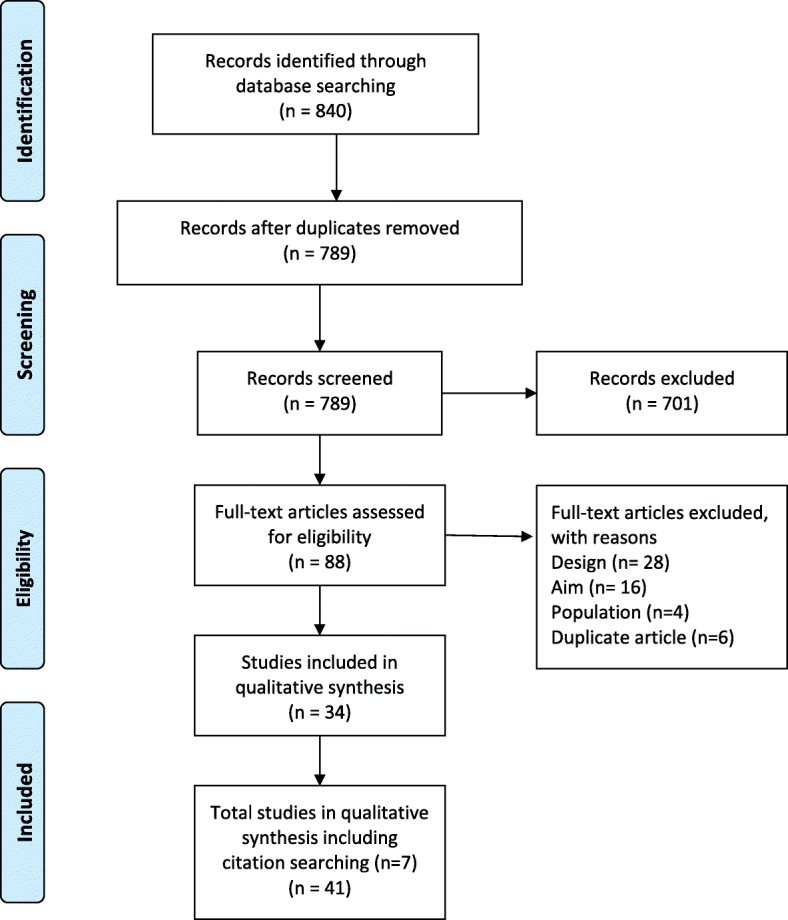
Of 840 studies identified, 41 studies of diverse populations met the selection criteria. The synthesis revealed eight key themes: initial psychological impact; communicating the diagnosis; knowledge of GDM; risk perception; management of GDM; burden of GDM; social support; and gaining control. The identified benefits of a GDM diagnosis were largely behavioural and included an opportunity to make healthy eating changes. The identified harms were emotional, financial and cultural. Women commented about the added responsibility (eating regimens, appointments), financial constraints (expensive food, medical bills) and conflicts with their cultural practices (alternative eating, lack of information about traditional food). Some women reported living in fear of risking the health of their baby and conducted extreme behaviours such as purging and starving themselves.
A diagnosis of GDM has wide reaching consequences that are common to a diverse group of women. Threshold cut-offs for blood glucose levels have been determined using the risk of physiological harms to mother and baby. It may also be advantageous to consider the harms and benefits from a psychosocial and a physiological perspective. This may avoid unnecessary burden to an already vulnerable population.
妊娠糖尿病(GDM)是一种由妊娠引起的短暂性糖尿病,对母亲和婴儿都有潜在的重要短期和长期健康影响。目前没有全球公认的 GDM 定义,但近年来一些国家的定义变化增加了发病率,一些研究表明,结果的临床改善微乎其微。本项定性系统评价的目的是确定 GDM 诊断对孕妇和产后妇女的心理社会影响。
我们在 CINAHL、EMBASE、MEDLINE 和 PsycINFO 数据库中搜索了提供 GDM 诊断对孕妇和/或产后妇女心理社会影响的定性数据的研究。我们使用定性研究的关键评估技巧计划清单(Critical Appraisal Skills Programme Checklist for Qualitative Studies)评估纳入研究的方法学质量,并使用主题分析综合数据。
在 840 项研究中,有 41 项研究符合选择标准。综合结果显示出 8 个关键主题:最初的心理影响;诊断沟通;GDM 知识;风险感知;GDM 管理;GDM 负担;社会支持;和获得控制。GDM 诊断的益处主要是行为上的,包括有机会改变健康饮食。识别出的危害是情绪、财务和文化方面的。妇女提到了增加的责任(饮食计划、预约)、财务限制(昂贵的食物、医疗费用)和与文化习俗的冲突(替代饮食、缺乏传统食物信息)。一些妇女报告说,她们生活在担心危及婴儿健康的恐惧中,会采取极端行为,如催吐和饥饿自己。
GDM 诊断的后果广泛存在于不同的妇女群体中。血糖水平的阈值截止值是基于母亲和婴儿生理伤害的风险来确定的。从心理社会和生理的角度考虑危害和益处可能也是有利的。这可能会避免给已经脆弱的人群带来不必要的负担。