Department of Pharmacology, Toxicology, and Therapeutics, University of Kansas Medical Center, Kansas City, KS, USA.
Department of Otolaryngology, University of Kansas Medical Center, Kansas City, KS, USA.
Perspect Med Educ. 2020 Apr;9(2):83-91. doi: 10.1007/s40037-020-00562-8.
Impostorism, feelings of distrust in one's abilities and accomplishments despite evidence to the contrary, is frequent in medical students and negatively affects student wellness.
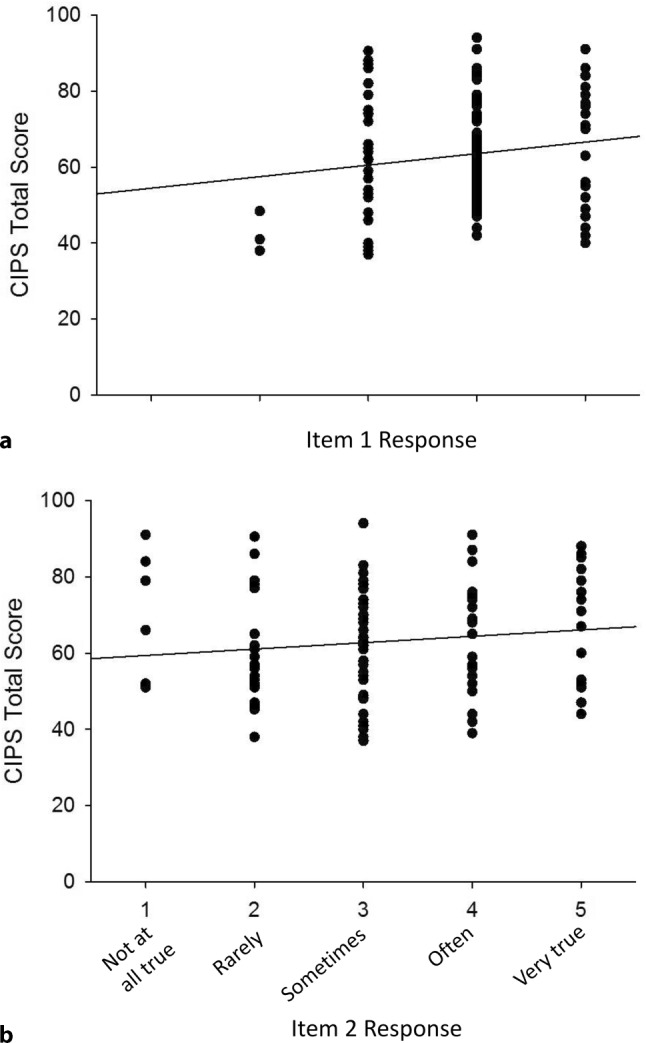
The aspects of impostorism that were most prevalent in medical students during the transition from the preclinical to clinical phases of their training were assessed using an anonymous, voluntary 60-item survey that included the Clance Impostor Phenomenon Scale (CIPS) and a 2-item burnout assessment administered in October-November 2018. Ratings of individual CIPS items were compared between items for the entire sample and in subpopulations of students. The correlation of individual CIPS items with CIPS total score was also determined.
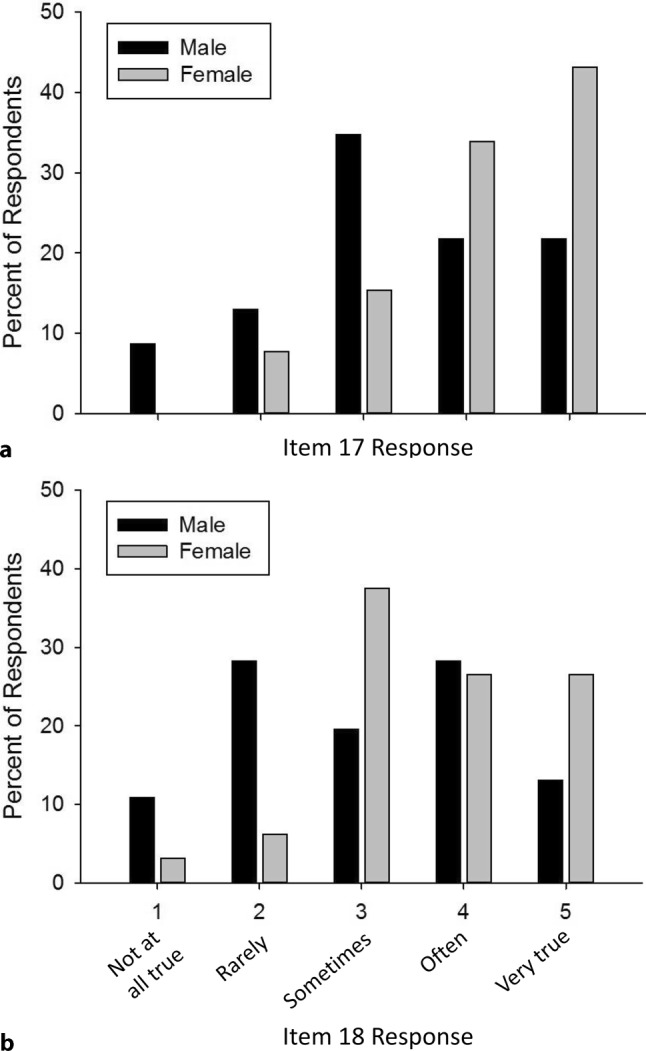
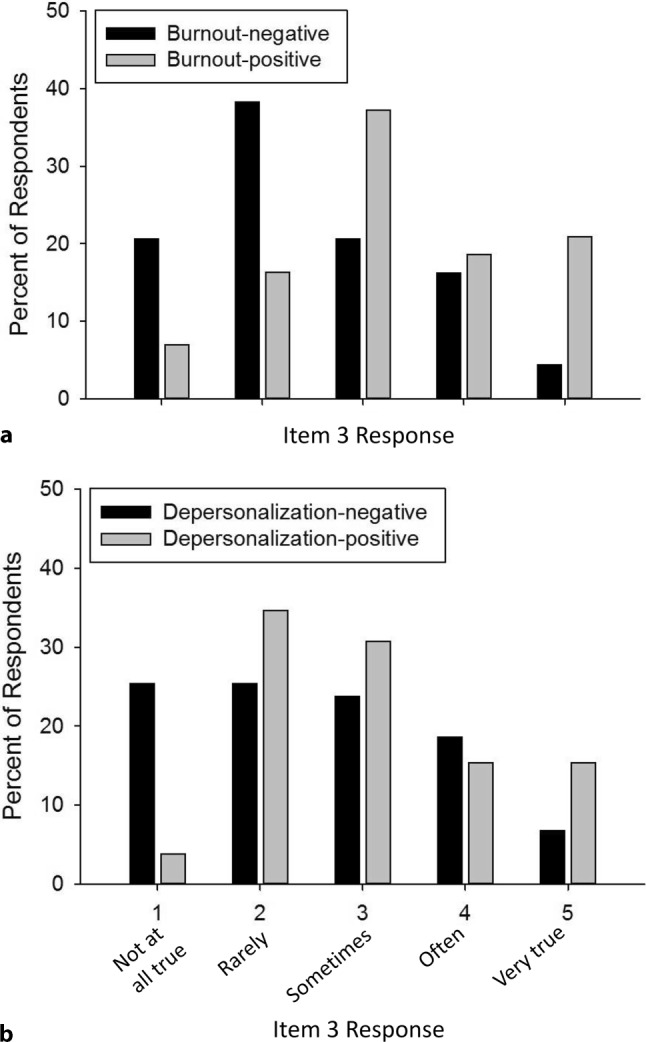
A total of 127 of 215 (59%) surveyed students responded, with 112 completing the CIPS with mean score of 63.0 ± 14.6 (moderate-to-frequent impostor feelings). Ratings of individual CIPS items differed significantly between items. Responses also differed depending on gender and perceived burnout or depersonalization.
Third-year medical students identified most strongly with items related to unfounded fear of failure, hesitance to share recognition before it is announced, remembering failures rather than successes, believing themselves less capable than others, and worrying about succeeding. In contrast, attribution of accomplishments to luck was not prominent for these students. Responses to certain items also differed depending on gender and perceived burnout or depersonalization, but not self-reported under-represented minority status. This observation may inform the development of interventions tailored to foster wellness as students negotiate the transition from the preclinical to clinical phases of their training.
尽管有相反的证据,但在医学生中,冒名顶替感(对自己的能力和成就缺乏信任的感觉)很常见,并且会对学生的健康产生负面影响。
使用匿名、自愿的 60 项调查评估了医学生在从临床前阶段过渡到临床阶段的培训过程中最常见的冒名顶替感方面,该调查包括 Clance 冒名顶替现象量表(CIPS)和 2 项倦怠评估,于 2018 年 10 月至 11 月进行。比较了整个样本和学生亚群中各个 CIPS 项目的评分。还确定了各个 CIPS 项目与 CIPS 总分的相关性。
共有 215 名被调查学生中的 127 名(59%)做出了回应,其中 112 名完成了 CIPS,平均得分为 63.0±14.6(中度至频繁的冒名顶替感)。各个 CIPS 项目的评分在项目之间存在显著差异。反应也因性别以及感知的倦怠或去人性化而有所不同。
三年级医学生与与毫无根据的对失败的恐惧、在宣布之前犹豫不决地分享认可、记住失败而不是成功、认为自己不如别人有能力以及担心成功等相关项目的认同度最高。相比之下,这些学生并不认为成就归因于运气。某些项目的反应也因性别和感知的倦怠或去人性化而异,但与自我报告的代表性不足的少数族裔地位无关。这一观察结果可能为开发针对特定人群的干预措施提供信息,以促进学生在从临床前阶段过渡到临床阶段的培训过程中的健康。