Department of Anesthesiology, Chinese Academy of Medical Sciences & Peking Union Medical College Hospital, Beijing 100730, China.
Department of Anesthesiology, Chinese Academy of Medical Sciences & Peking Union Medical College Hospital, Beijing 100730, China; Department of Infectious Disease, Southern Medical University Nanfang Hospital, Guangzhou, Guangdong 510515, China.
Brain Behav Immun. 2020 Jul;87:579-590. doi: 10.1016/j.bbi.2020.02.003. Epub 2020 Feb 4.
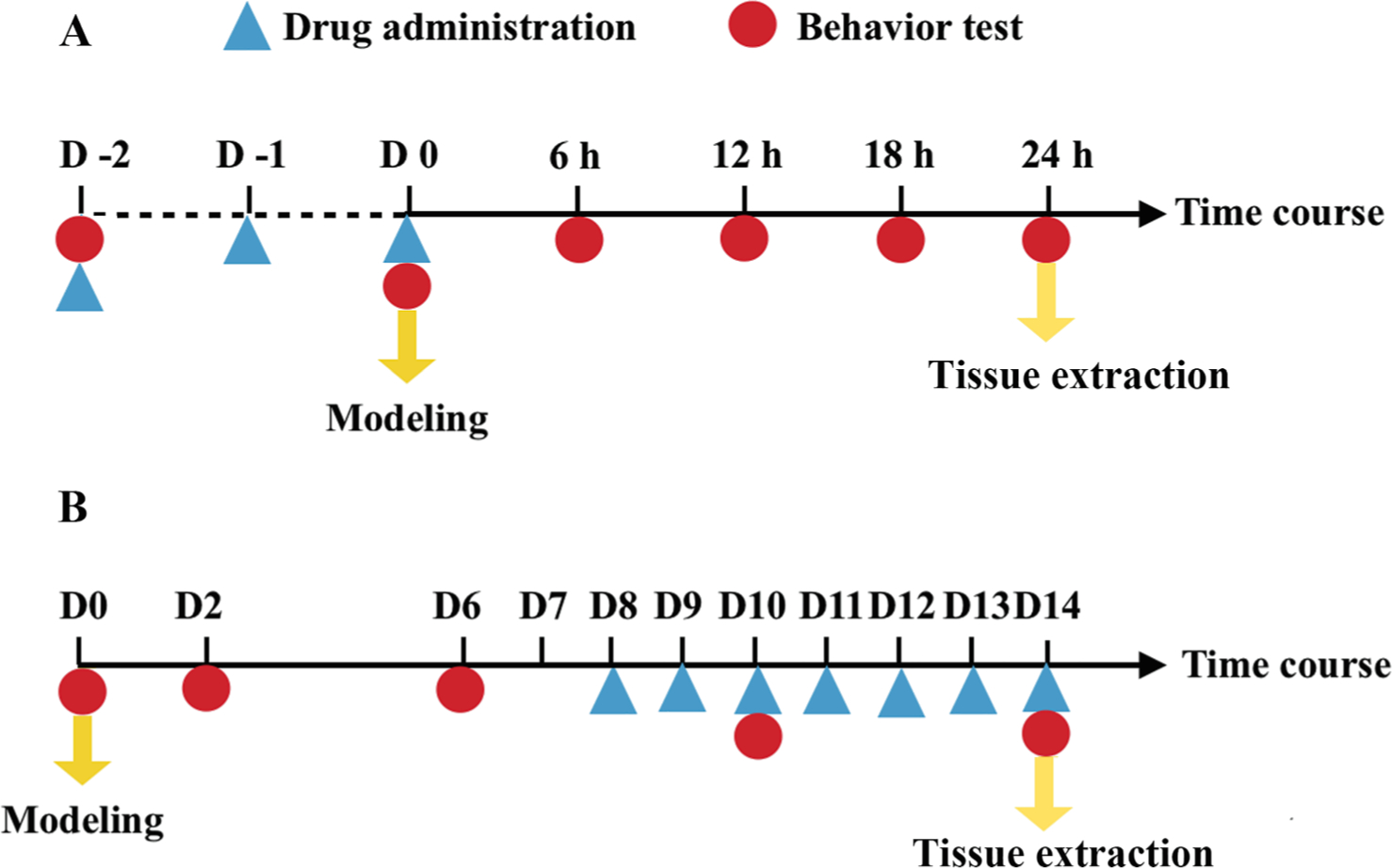
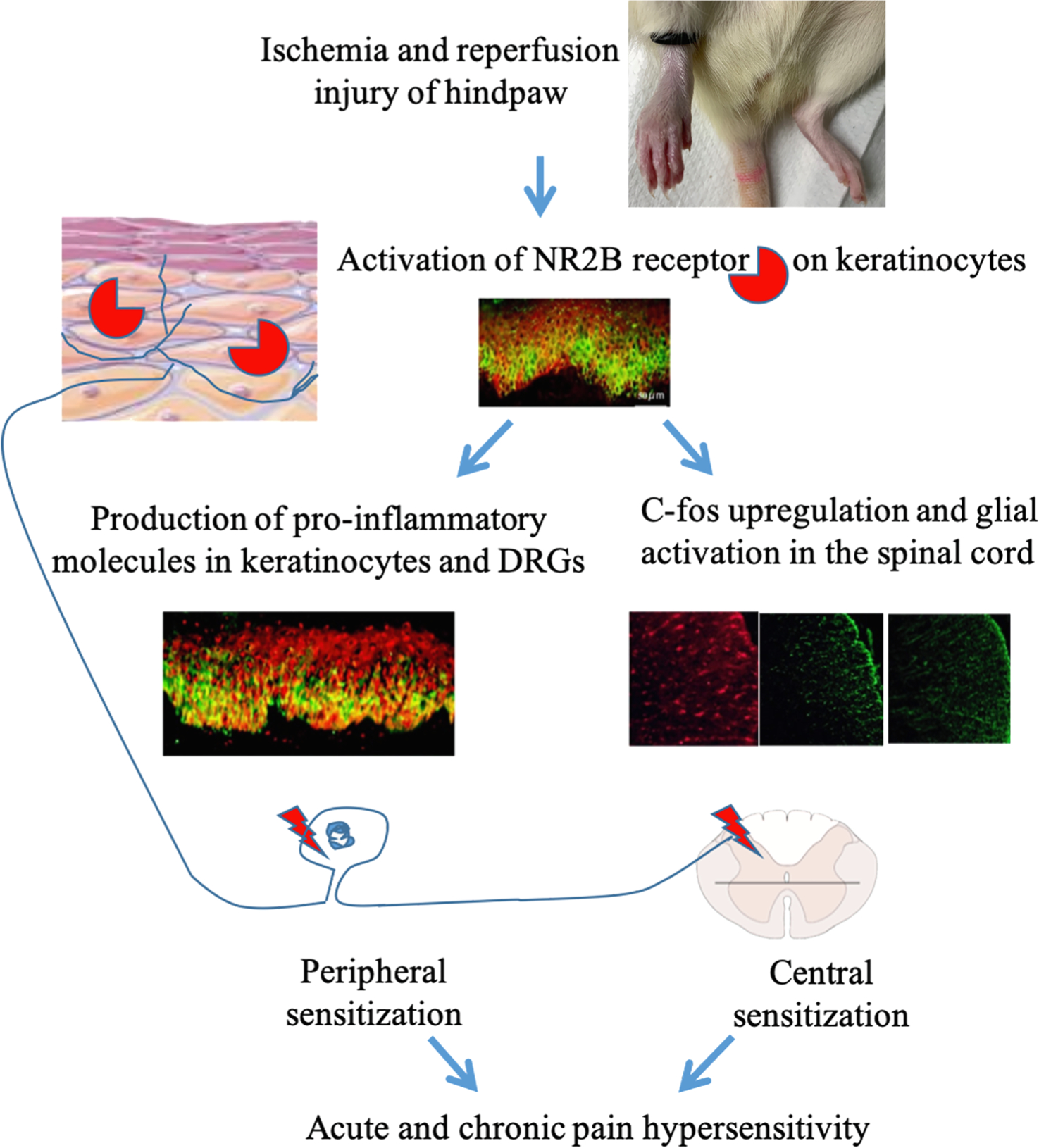
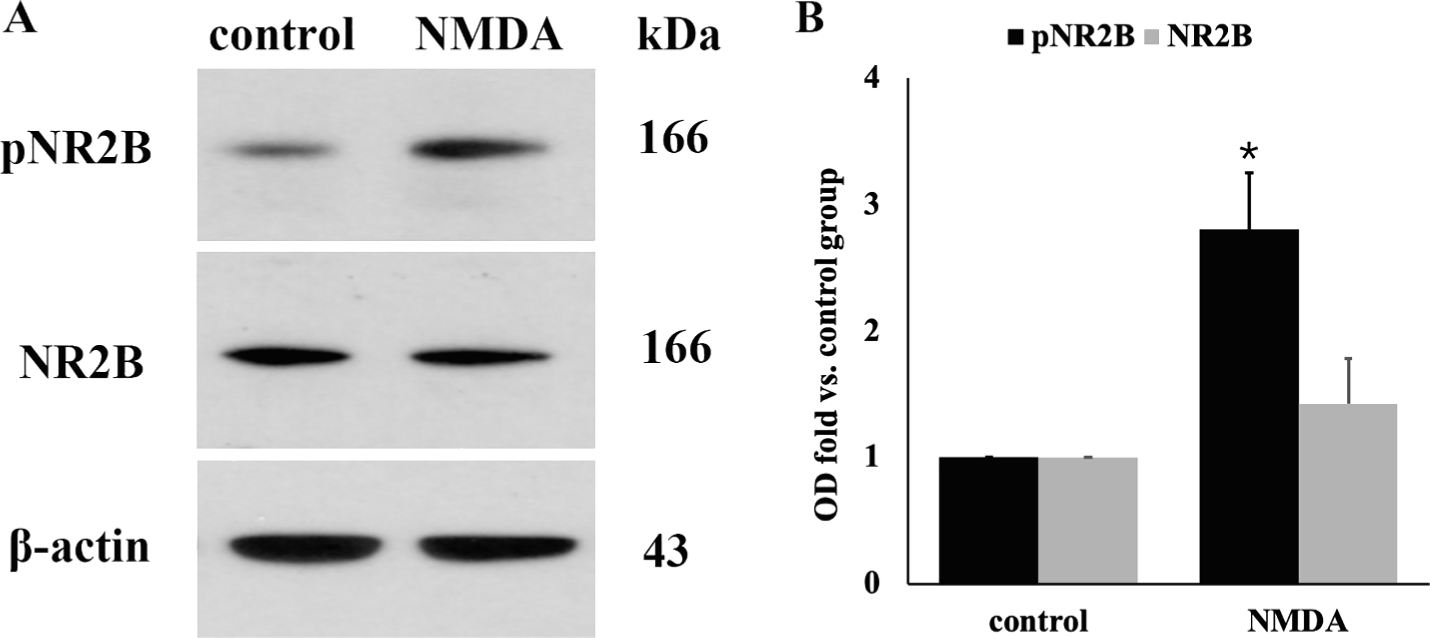
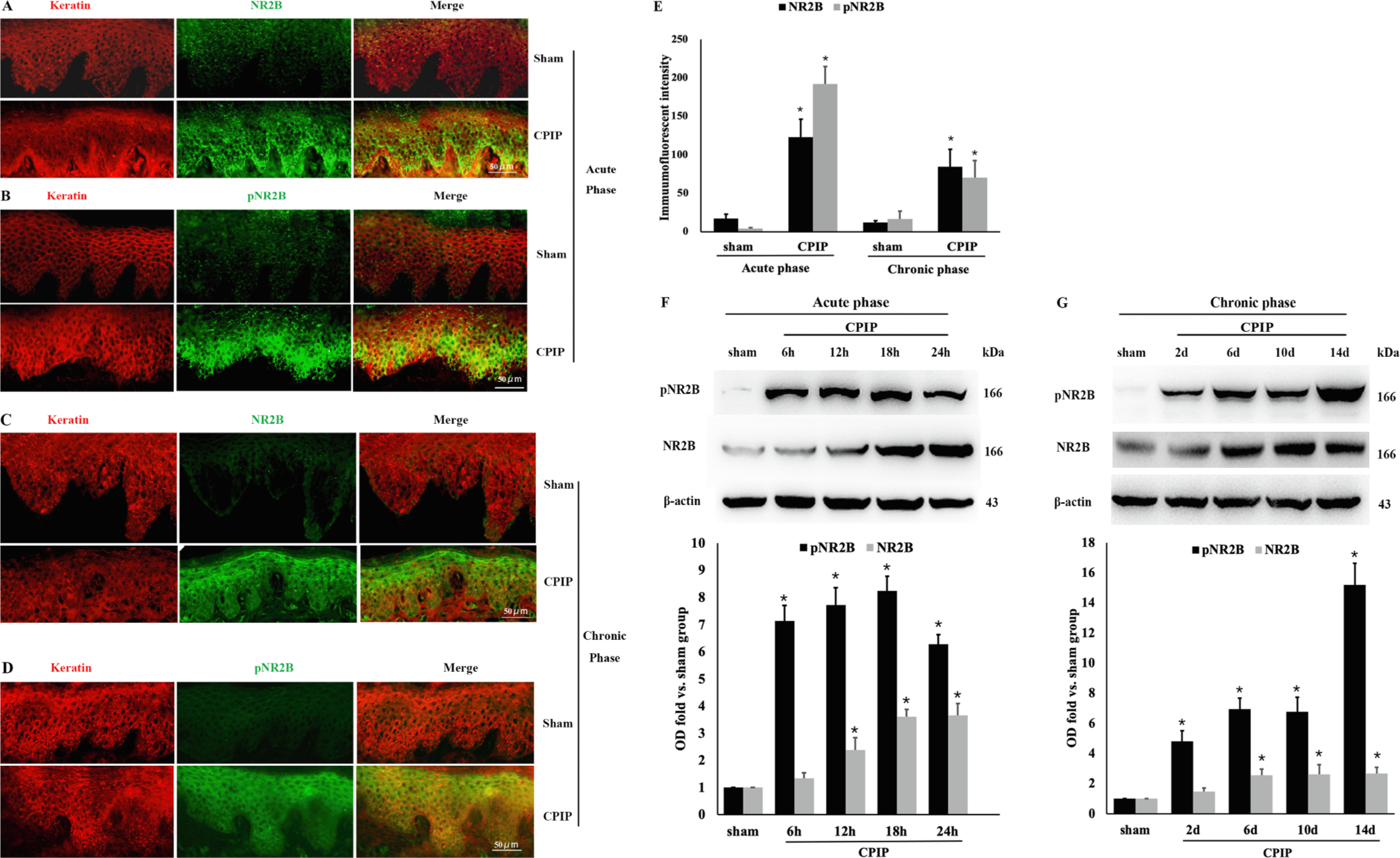
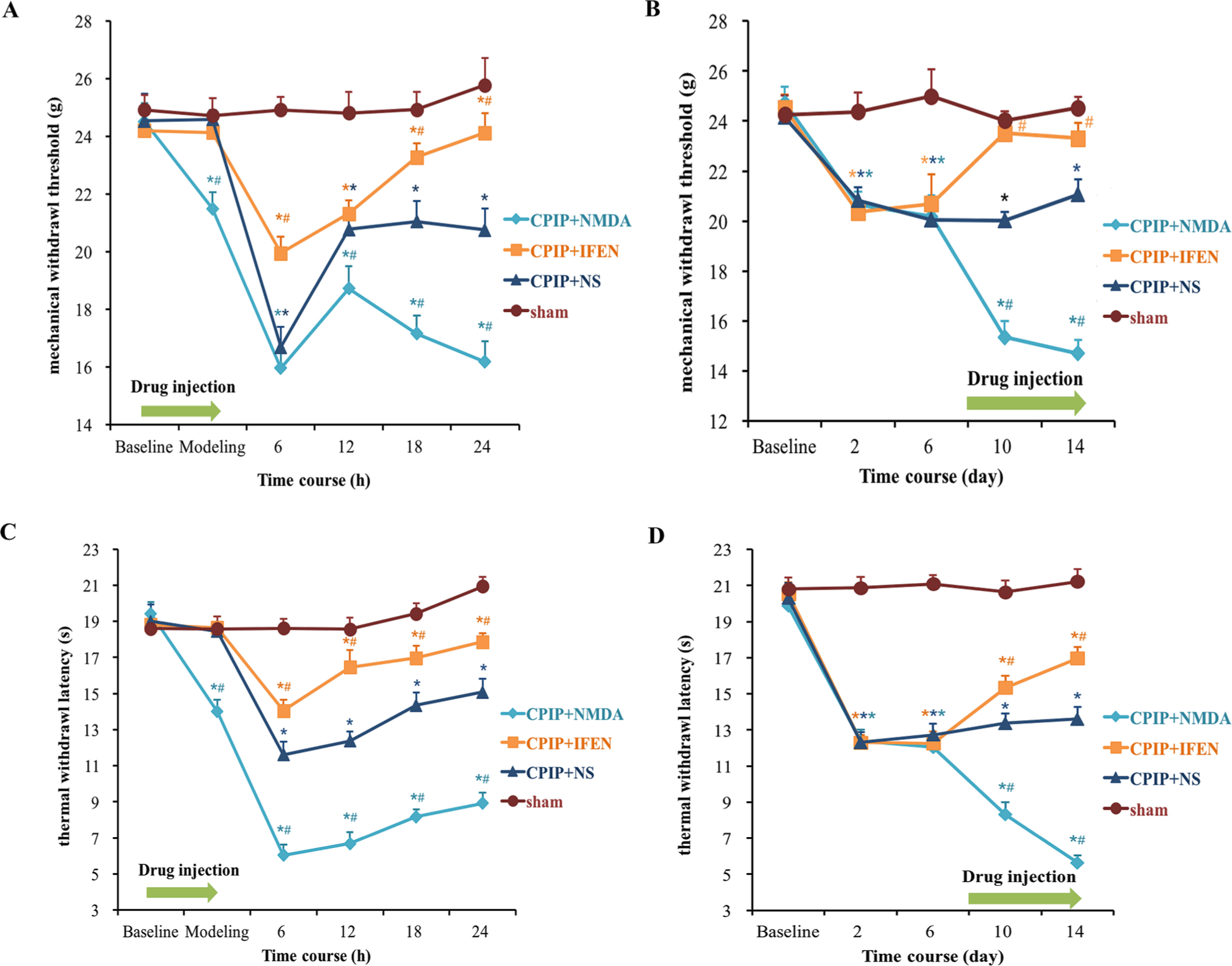
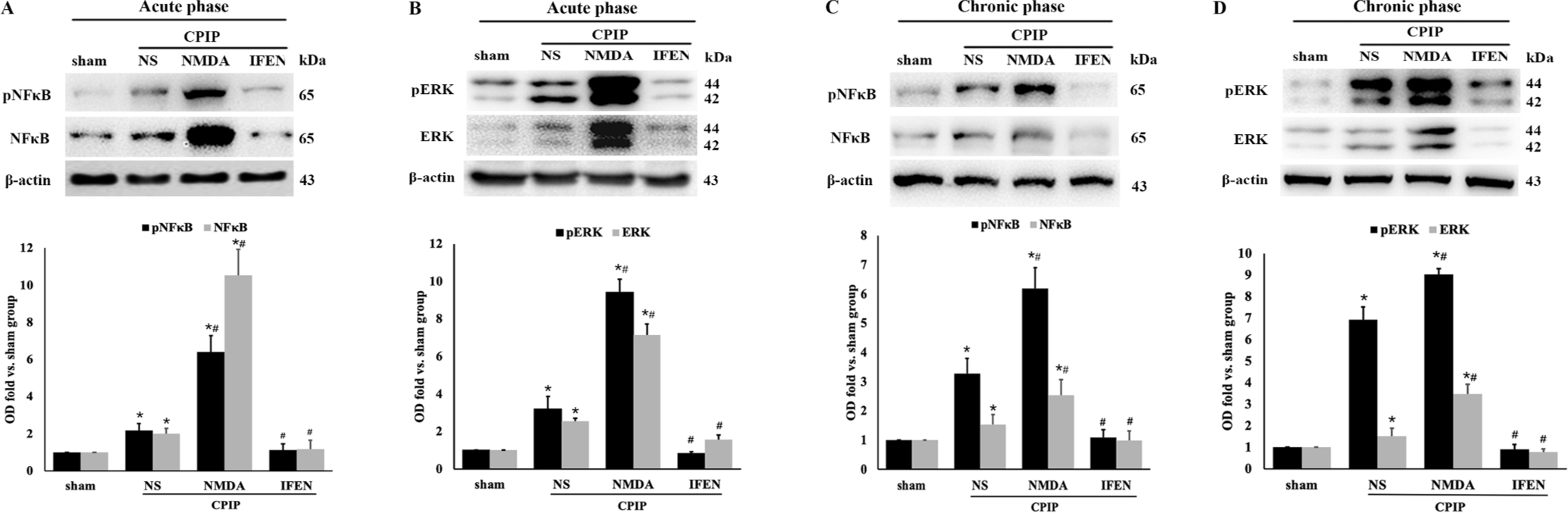
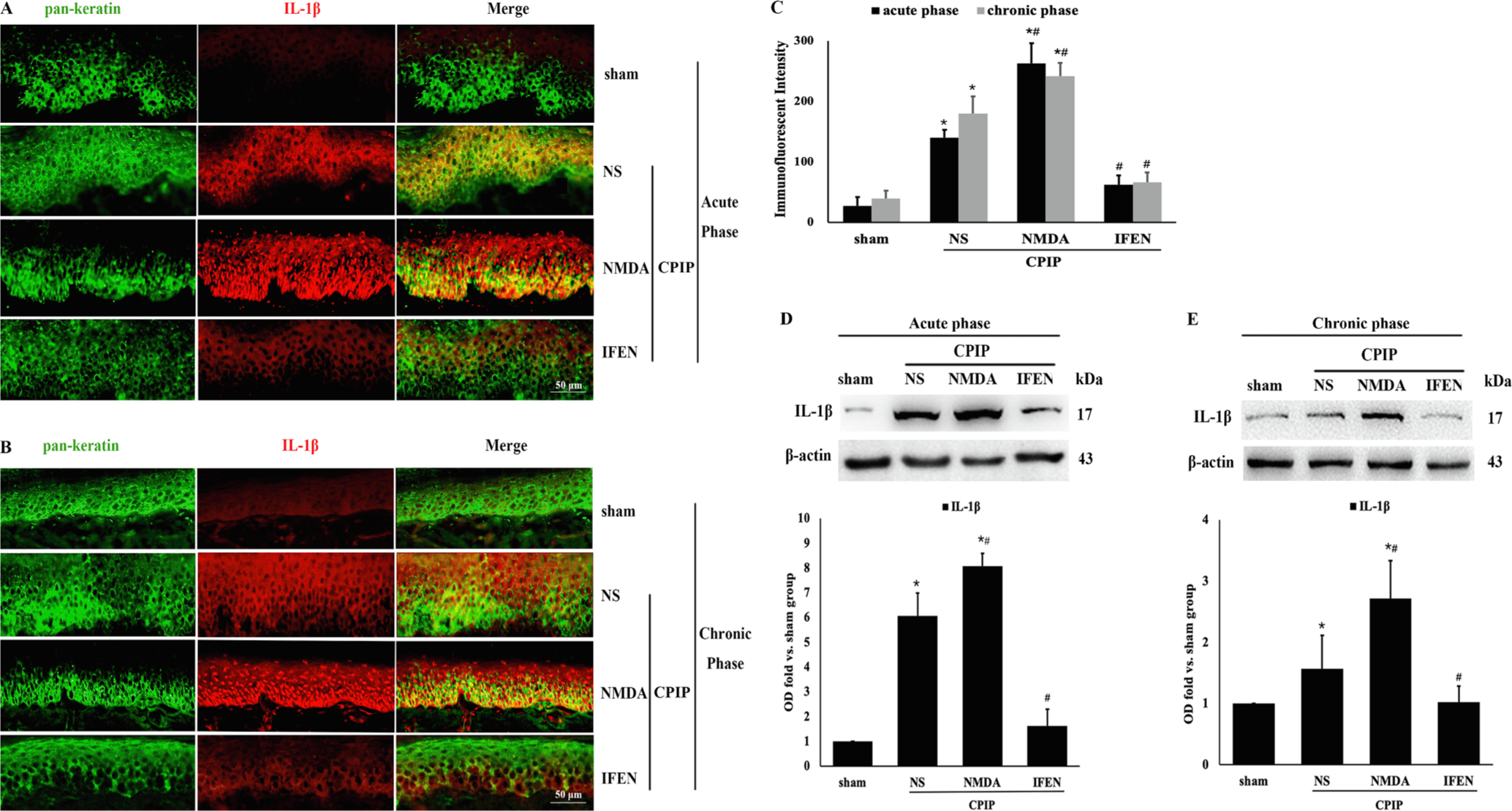
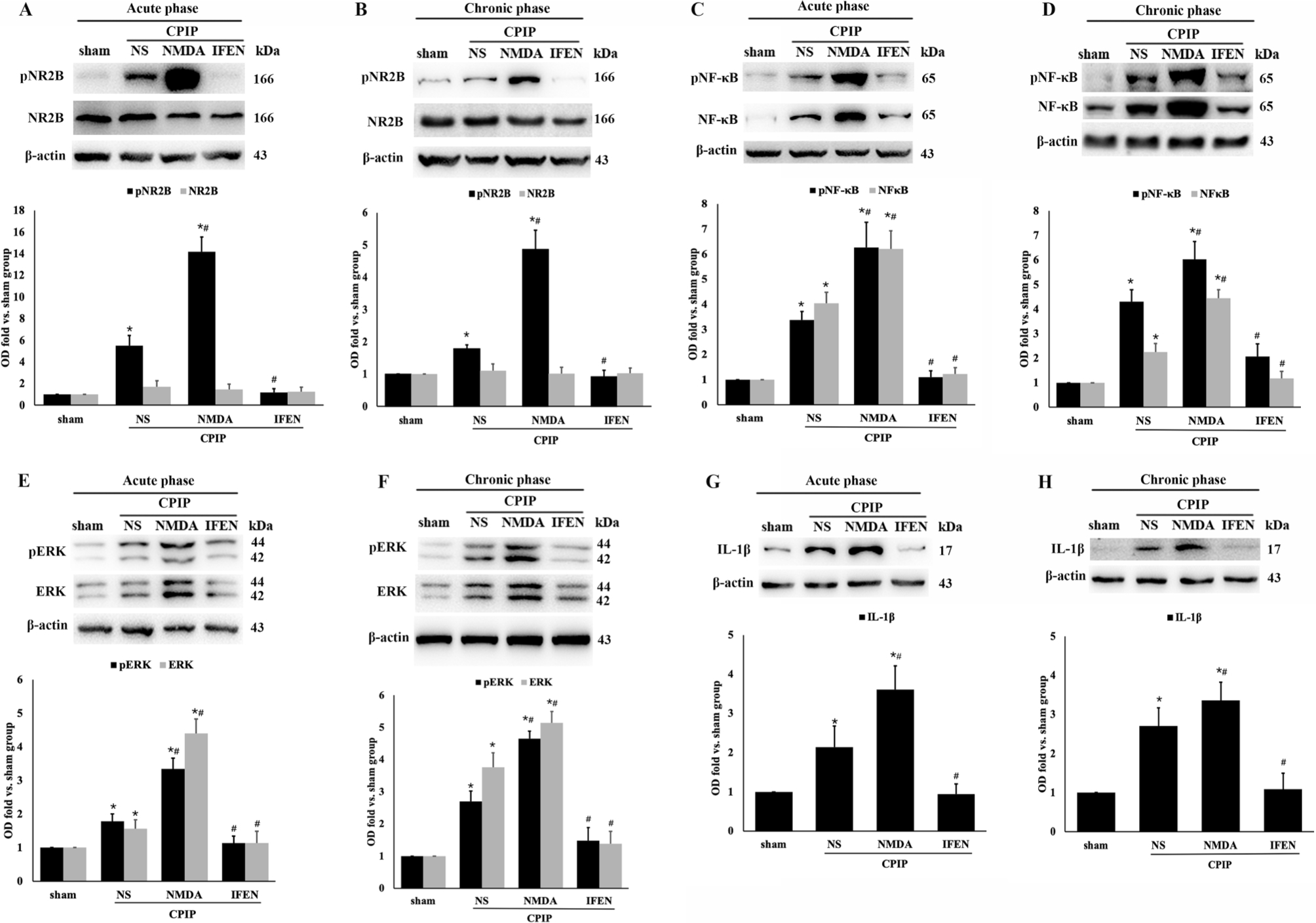
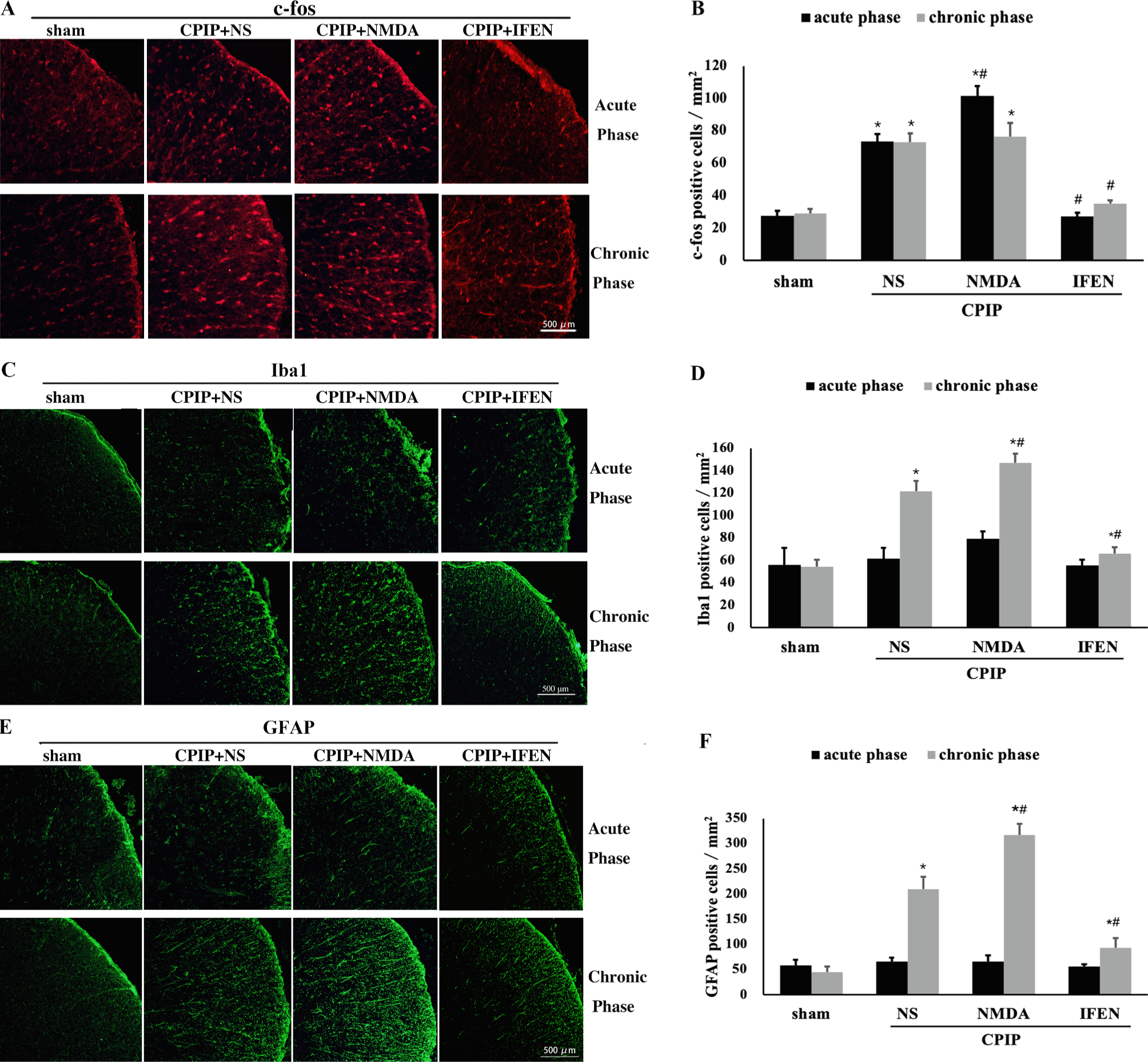
The spinal N-methyl-d-aspartate (NMDA) receptor, and particularly its NR2B subunit, plays a pivotal role in neuropathic pain. However, the role of peripheral NMDA receptor in neuropathic pain is less well understood. We first treated cultured human keratinocytes, HaCaT cells with NMDA or NR2B-specific antagonist, ifenprodil and evaluated the level of total and phosphorylated NR2B at 24 h using Western blot. Next, using the chronic post-ischemia pain (CPIP) model, we administered NMDA or ifenprodil subcutaneously into the hind paws of male rats. Nociceptive behaviors were assessed by measuring mechanical and thermal withdrawal thresholds. Expression and phosphorylation of NR2B on keratinocyte were analyzed at 6, 12, 18, and 24 h on day 1 (initiation of pain) as well as day 2, 6, 10 and 14 (development and maintenance of pain) after the ischemia. The level of peripheral sensitization-related proteins (nuclear factor-κB (NF-κB), extracellular regulated protein kinases (ERK), and interleukin-1β (IL-1β)) in epidermis and dorsal root ganglion (DRG) were evaluated by immunofluorescence and western blot. Central sensitization-related C-fos induction, as well as astrocytes and microglia activation in the spinal cord dorsal horn (SDH) were studied using immunofluorescence. Administration of NMDA upregulated NR2B phosphorylation on HaCaT cells. CPIP-induced mechanical allodynia and thermal hyperalgesia were intensified by NMDA and alleviated by ifenprodil. CPIP resulted in an early upregulation of NR2B (peaked at 24 h) and late phosphorylation of NR2B (peaked at 14d) in hindpaw keratinocytes. CPIP led to an upregulation and phosphorylation of NF-κB and ERK, as well as an increased IL-1β production in the ipsilateral skin and DRG. CPIP-associated c-fos induction in SDH persisted from acute to chronic stages after ischemia, while microglia and astrocyte activation were only observed in chronic phase. These CPIP-induced changes were also suppressed by ifenprodil administered subcutaneously in the hind paw. Our findings reveal a previously unrecognized role of keratinocyte NMDA receptor subunit 2B in peripheral and central nociceptive sensitization induced by CPIP.
脊髓 N-甲基-D-天冬氨酸(NMDA)受体,特别是其 NR2B 亚基,在神经病理性疼痛中发挥关键作用。然而,外周 NMDA 受体在神经病理性疼痛中的作用尚不清楚。我们首先用 NMDA 或 NR2B 特异性拮抗剂伊芬地尔处理培养的人角质形成细胞 HaCaT 细胞,并在 24 小时时使用 Western blot 评估总 NR2B 和磷酸化 NR2B 的水平。接下来,我们在雄性大鼠的后爪皮下给予 NMDA 或伊芬地尔,建立慢性缺血后疼痛(CPIP)模型。通过测量机械和热缩足潜伏期评估痛觉行为。在第 1 天(疼痛开始时)和第 1 天(疼痛发生和维持时),即缺血后第 2、6、10 和 14 天,分析角质形成细胞上 NR2B 的表达和磷酸化。通过免疫荧光和 Western blot 评估表皮和背根神经节(DRG)中与外周敏化相关的蛋白质(核因子-κB(NF-κB)、细胞外调节蛋白激酶(ERK)和白细胞介素-1β(IL-1β))的水平。使用免疫荧光研究脊髓背角(SDH)中中枢敏化相关的 C-fos 诱导以及星形胶质细胞和小胶质细胞的激活。NMDA 的给药上调了 HaCaT 细胞上 NR2B 的磷酸化。CPIP 诱导的机械性痛觉过敏和热痛觉过敏被 NMDA 增强,被伊芬地尔缓解。CPIP 导致后爪角质形成细胞中 NR2B 的早期上调(在 24 小时时达到峰值)和晚期磷酸化(在 14 天时达到峰值)。CPIP 导致同侧皮肤和 DRG 中 NF-κB 和 ERK 的上调和磷酸化,以及 IL-1β 产生增加。CPIP 相关的 SDH 中的 c-fos 诱导从缺血后的急性阶段持续到慢性阶段,而小胶质细胞和星形胶质细胞的激活仅在慢性阶段观察到。这些 CPIP 诱导的变化也被皮下给予伊芬地尔在爪中抑制。我们的研究结果揭示了角质形成细胞 NMDA 受体亚基 2B 在 CPIP 诱导的外周和中枢痛觉敏化中的先前未被认识的作用。