Department of Anatomy & Cell Biology, Schulich School of Medicine and Dentistry, University of Western Ontario, 1151 Richmond St, London, ON N6A 5C1, Canada.
Biomedical Engineering Graduate Program, Schulich School of Medicine and Dentistry, University of Western Ontario, 1151 Richmond St, London, ON N6A 5C1, Canada.
Int J Mol Sci. 2020 Feb 4;21(3):1015. doi: 10.3390/ijms21031015.
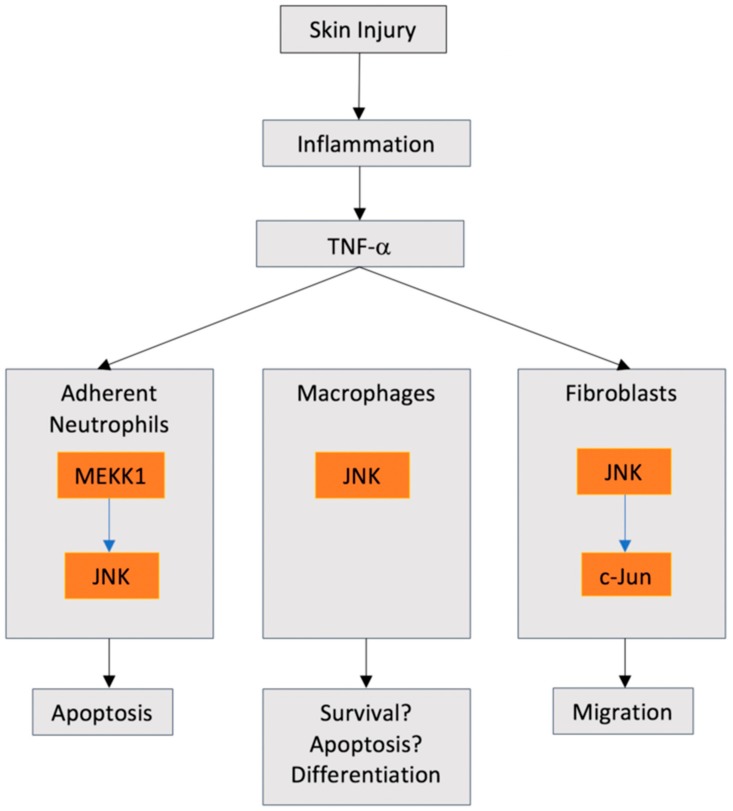
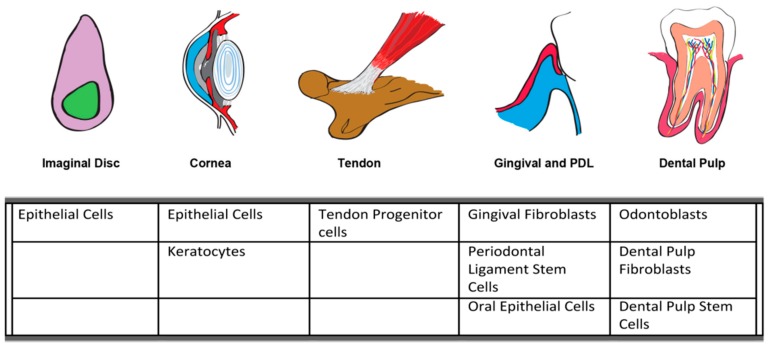
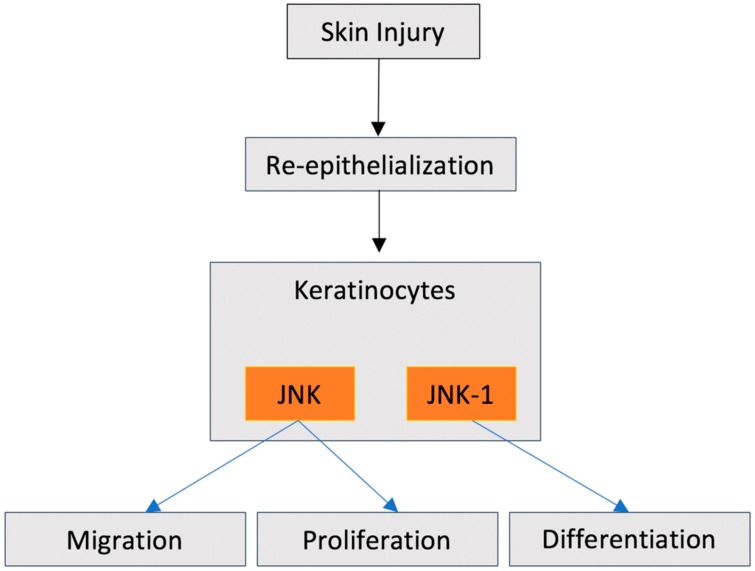
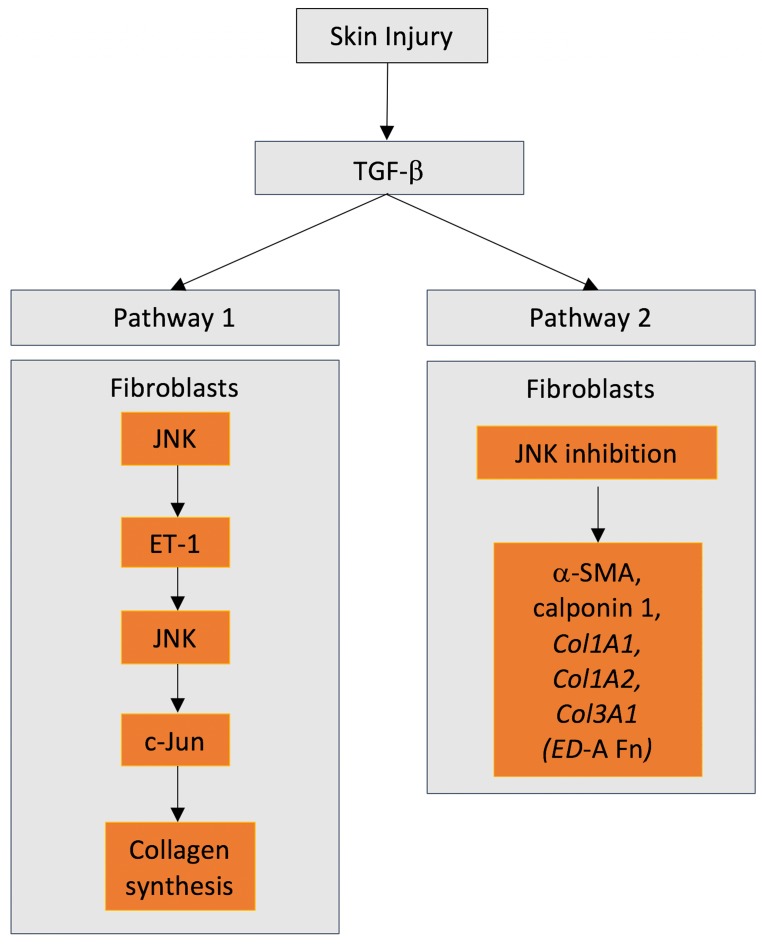
In healthy individuals, the healing of soft tissues such as skin after pathological insult or post injury follows a relatively predictable and defined series of cell and molecular processes to restore tissue architecture and function(s). Healing progresses through the phases of hemostasis, inflammation, proliferation, remodeling, and concomitant with re-epithelialization restores barrier function. Soft tissue healing is achieved through the spatiotemporal interplay of multiple different cell types including neutrophils, monocytes/macrophages, fibroblasts, endothelial cells/pericytes, and keratinocytes. Expressed in most cell types, c-Jun N-terminal kinases (JNK) are signaling molecules associated with the regulation of several cellular processes involved in soft tissue wound healing and in response to cellular stress. A member of the mitogen-activated protein kinase family (MAPK), JNKs have been implicated in the regulation of inflammatory cell phenotype, as well as fibroblast, stem/progenitor cell, and epithelial cell biology. In this review, we discuss our understanding of JNKs in the regulation of cell behaviors related to tissue injury, pathology, and wound healing of soft tissues. Using models as diverse as , mice, rats, as well as human tissues, research is now defining important, but sometimes conflicting roles for JNKs in the regulation of multiple molecular processes in multiple different cell types central to wound healing processes. In this review, we focus specifically on the role of JNKs in the regulation of cell behavior in the healing of skin, cornea, tendon, gingiva, and dental pulp tissues. We conclude that while parallels can be drawn between some JNK activities and the control of cell behavior in healing, the roles of JNK can also be very specific modes of action depending on the tissue and the phase of healing.
在健康个体中,皮肤等软组织在病理性损伤或创伤后愈合遵循相对可预测和明确的细胞和分子过程系列,以恢复组织结构和功能。愈合通过止血、炎症、增殖、重塑等阶段进行,同时伴随着再上皮化恢复屏障功能。软组织愈合是通过多种不同细胞类型(包括中性粒细胞、单核细胞/巨噬细胞、成纤维细胞、内皮细胞/周细胞和角质形成细胞)的时空相互作用实现的。c-Jun N 末端激酶(JNK)在大多数细胞类型中表达,是与调节参与软组织伤口愈合的几种细胞过程以及对细胞应激的反应相关的信号分子。JNK 是丝裂原激活蛋白激酶家族(MAPK)的成员,与调节炎症细胞表型以及成纤维细胞、干细胞/祖细胞和上皮细胞生物学有关。在这篇综述中,我们讨论了我们对 JNK 在调节与组织损伤、病理学和软组织伤口愈合相关的细胞行为的理解。使用范围广泛的模型,如小鼠、大鼠以及人类组织,研究现在正在定义 JNK 在调节与伤口愈合过程中多种不同细胞类型的多种分子过程相关的细胞行为方面的重要但有时相互矛盾的作用。在这篇综述中,我们特别关注 JNK 在调节皮肤、角膜、肌腱、牙龈和牙髓组织愈合过程中细胞行为的作用。我们的结论是,虽然可以在某些 JNK 活性和对愈合中细胞行为的控制之间得出一些相似之处,但 JNK 的作用也可以根据组织和愈合阶段而具有非常具体的作用模式。