Aindelis Georgios, Tiptiri-Kourpeti Angeliki, Lampri Evangeli, Spyridopoulou Katerina, Lamprianidou Eleftheria, Kotsianidis Ioannis, Ypsilantis Petros, Pappa Aglaia, Chlichlia Katerina
Department of Molecular Biology and Genetics, Democritus University of Thrace, University Campus Dragana, 68100 Alexandroupolis, Greece.
Department of Hematology, School of Medicine, Democritus University of Thrace, University Campus Dragana, 68100 Alexandroupolis, Greece.
Cancers (Basel). 2020 Feb 5;12(2):368. doi: 10.3390/cancers12020368.
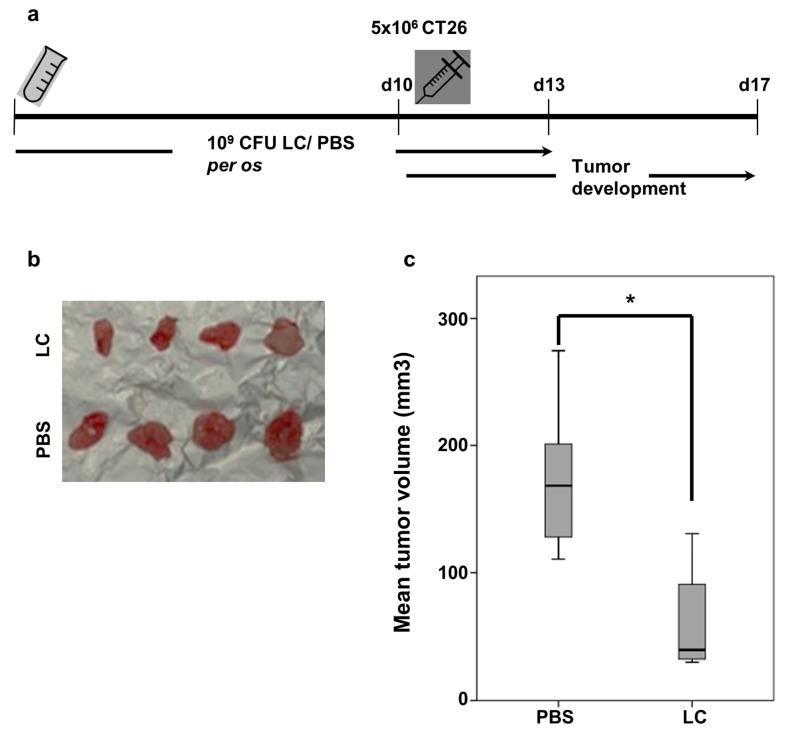
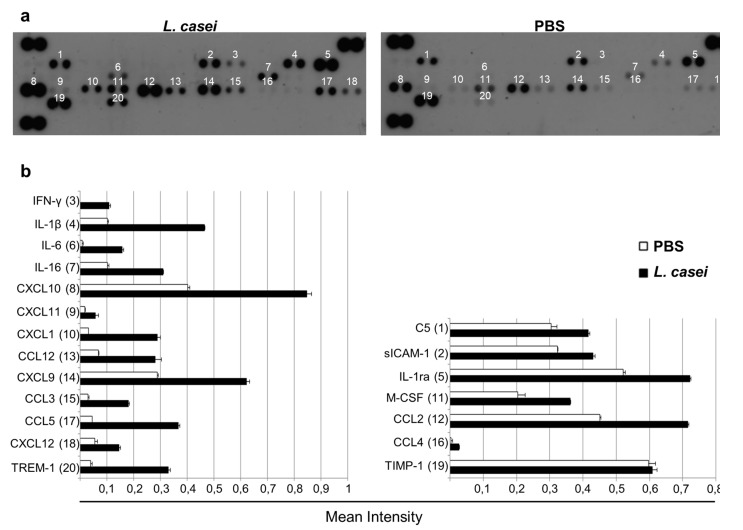
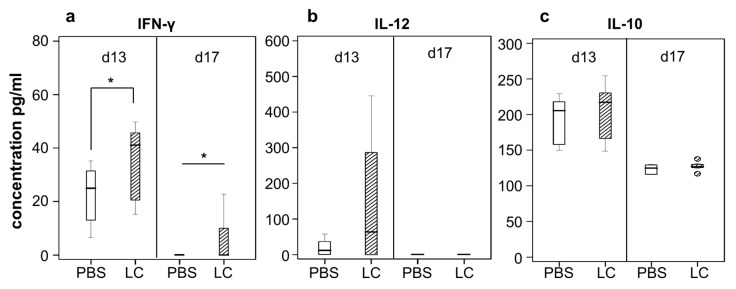
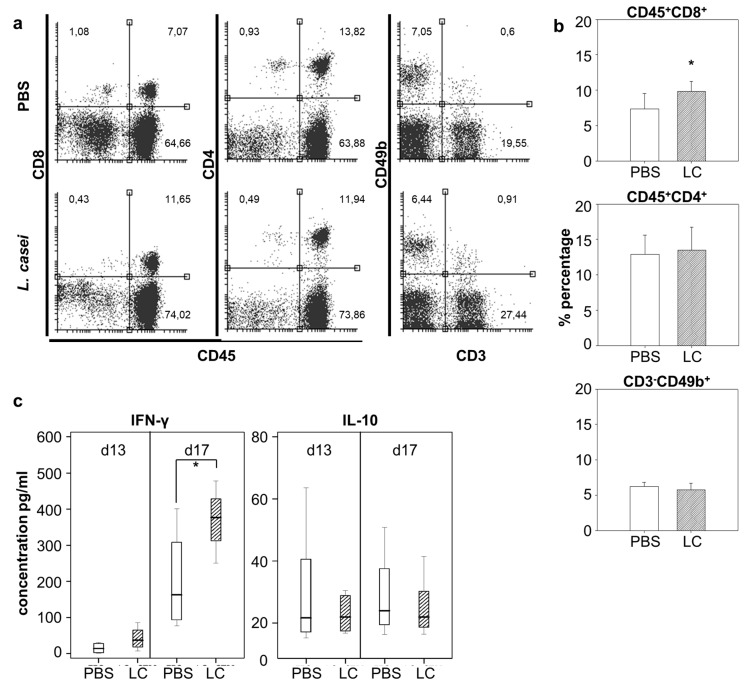
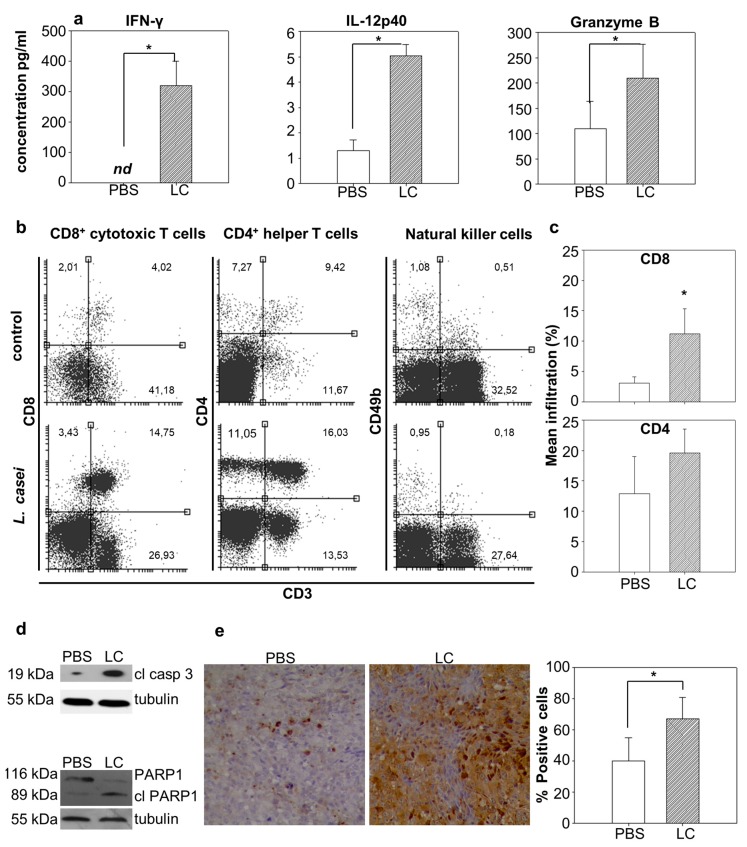
The role of dietary probiotic strains on host anticancer immune responses against experimental colon carcinoma was investigated. We have previously shown that administration led to tumor growth suppression in an experimental colon cancer model. Here, we investigated the underlying immune mechanisms involved in this tumorgrowth inhibitory effect. BALB/c mice received daily live lactobacilli prior to the establishment of a syngeneic subcutaneous CT26 tumor. Tumor volume, cytokine production, T cell differentiation and migration, as well as tumor cell apoptosis were examined to outline potential immunomodulatory effects following oral intake. Probiotic administration in mice resulted in a significant increase in interferon gamma (IFNγ), Granzyme B and chemokine production in the tumor tissue as well as enhanced CD8 T cell infiltration, accompanied by a suppression of tumor growth. Cytotoxic activity against cancer cells was enhanced in probioticfed compared to control mice, as evidenced by the elevation of apoptotic markers, such as cleaved caspase 3 and poly (ADPribose) polymerase 1 (PARP1), in tumor tissue. Oral administration of induced potent Th1 immune responses and cytotoxic T cell infiltration in the tumor tissue of tumorbearing mice, resulting in tumor growth inhibition. Thus, the microorganism may hold promise as a novel dietary immunoadjuvant in raising protective anticancer immune responses.
研究了膳食益生菌菌株对宿主针对实验性结肠癌的抗癌免疫反应的作用。我们之前已经表明,在实验性结肠癌模型中,给予益生菌可导致肿瘤生长受到抑制。在此,我们研究了这种肿瘤生长抑制作用所涉及的潜在免疫机制。在同基因皮下CT26肿瘤形成之前,BALB/c小鼠每天接受活的乳酸杆菌。检测肿瘤体积、细胞因子产生、T细胞分化和迁移以及肿瘤细胞凋亡,以概述口服摄入后潜在的免疫调节作用。给小鼠施用益生菌导致肿瘤组织中干扰素γ(IFNγ)、颗粒酶B和趋化因子产生显著增加,以及CD8 T细胞浸润增强,同时伴有肿瘤生长受到抑制。与对照小鼠相比,食用益生菌的小鼠对癌细胞的细胞毒性活性增强,肿瘤组织中凋亡标志物如裂解的半胱天冬酶3和聚(ADP核糖)聚合酶1(PARP1)的升高证明了这一点。口服益生菌在荷瘤小鼠的肿瘤组织中诱导了强烈的Th1免疫反应和细胞毒性T细胞浸润,导致肿瘤生长受到抑制。因此,这种微生物有望作为一种新型膳食免疫佐剂,引发保护性抗癌免疫反应。