Department of Microbiology, Graduate School of Medicine, Kyoto University, Yoshida-Konoe-cho, Sakyo-ku, Kyoto, 606-8501, Japan.
Department of Life Science Dentistry, The Nippon Dental University, Tokyo, 102-8159, Japan.
Nat Commun. 2020 Feb 7;11(1):770. doi: 10.1038/s41467-020-14533-4.
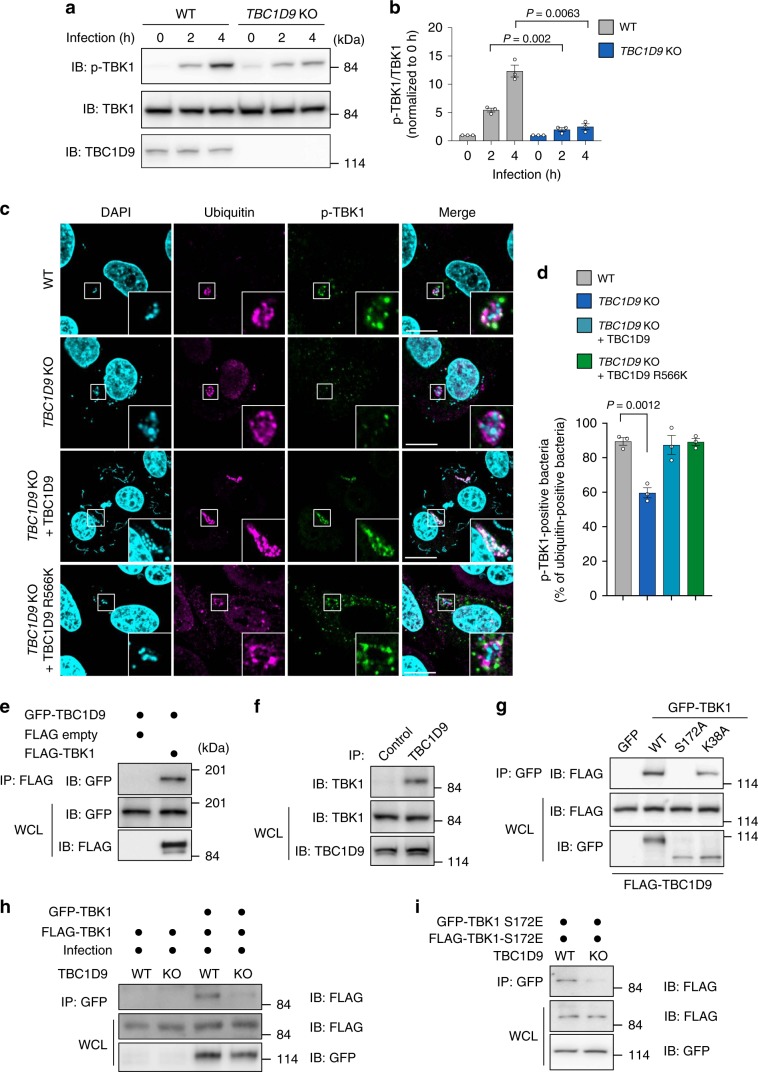
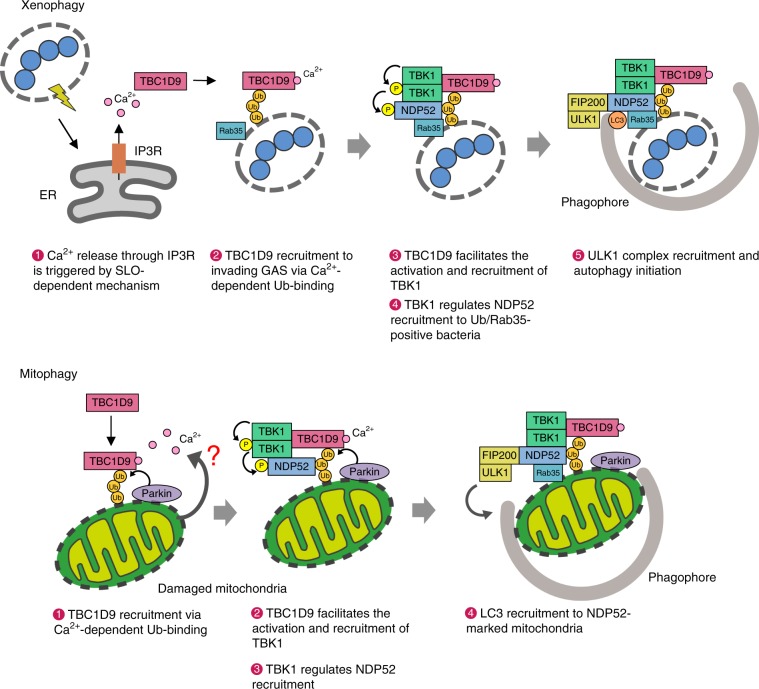
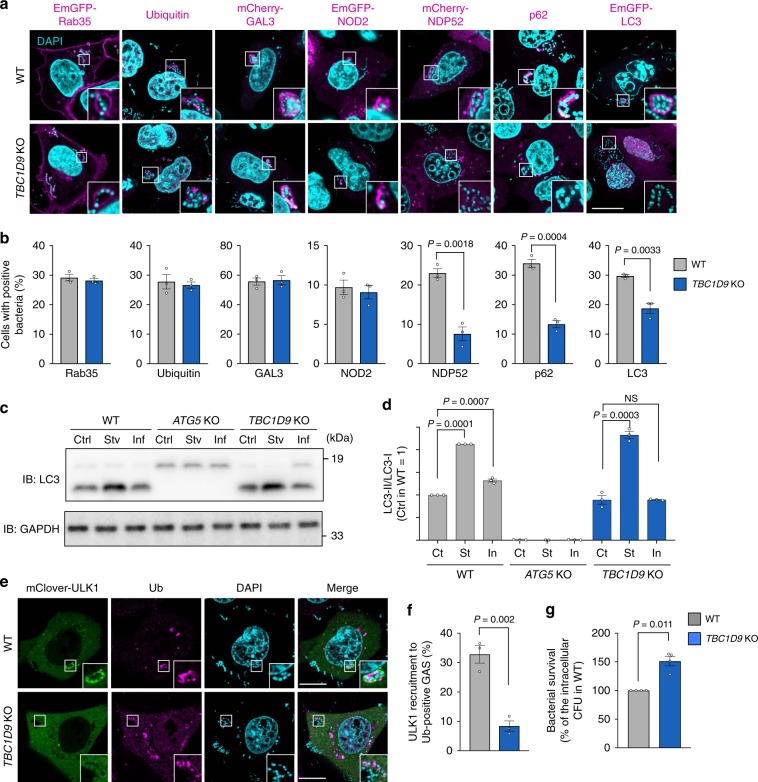
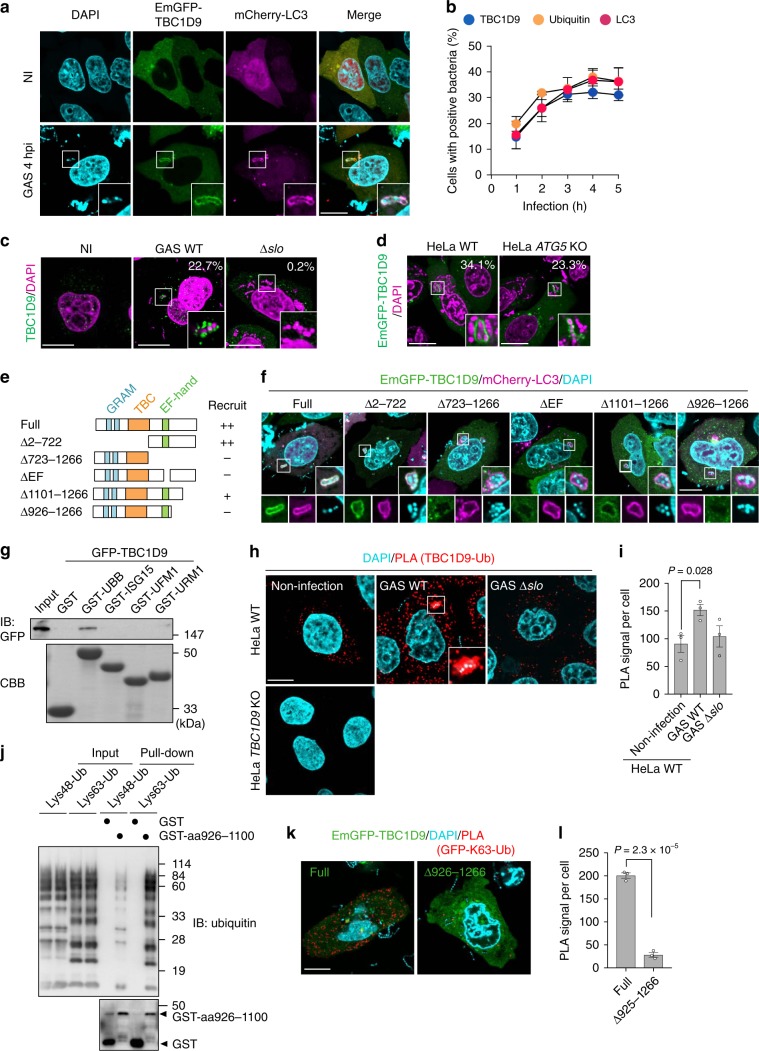
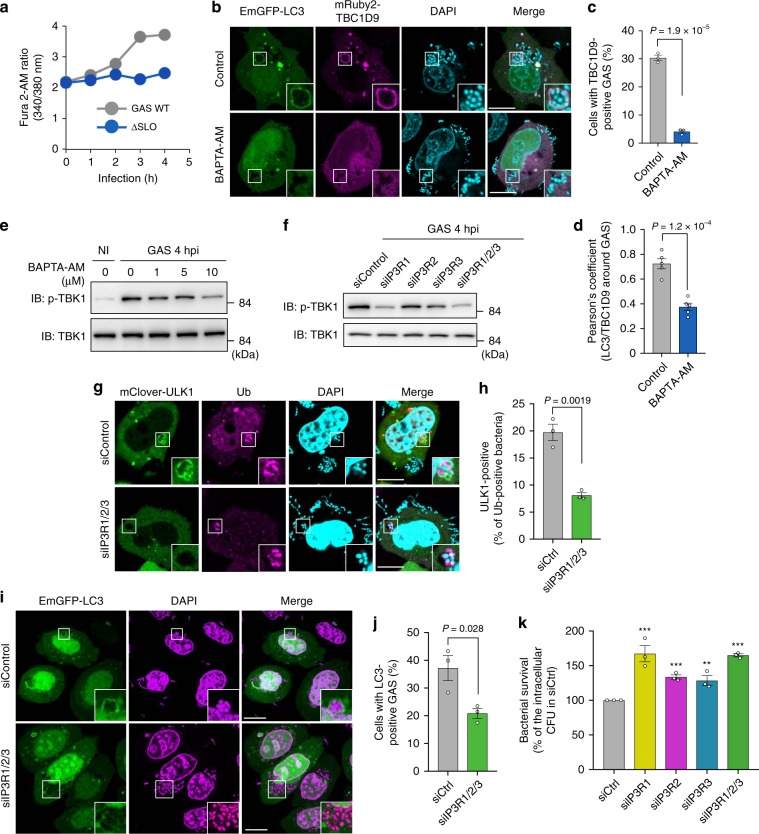
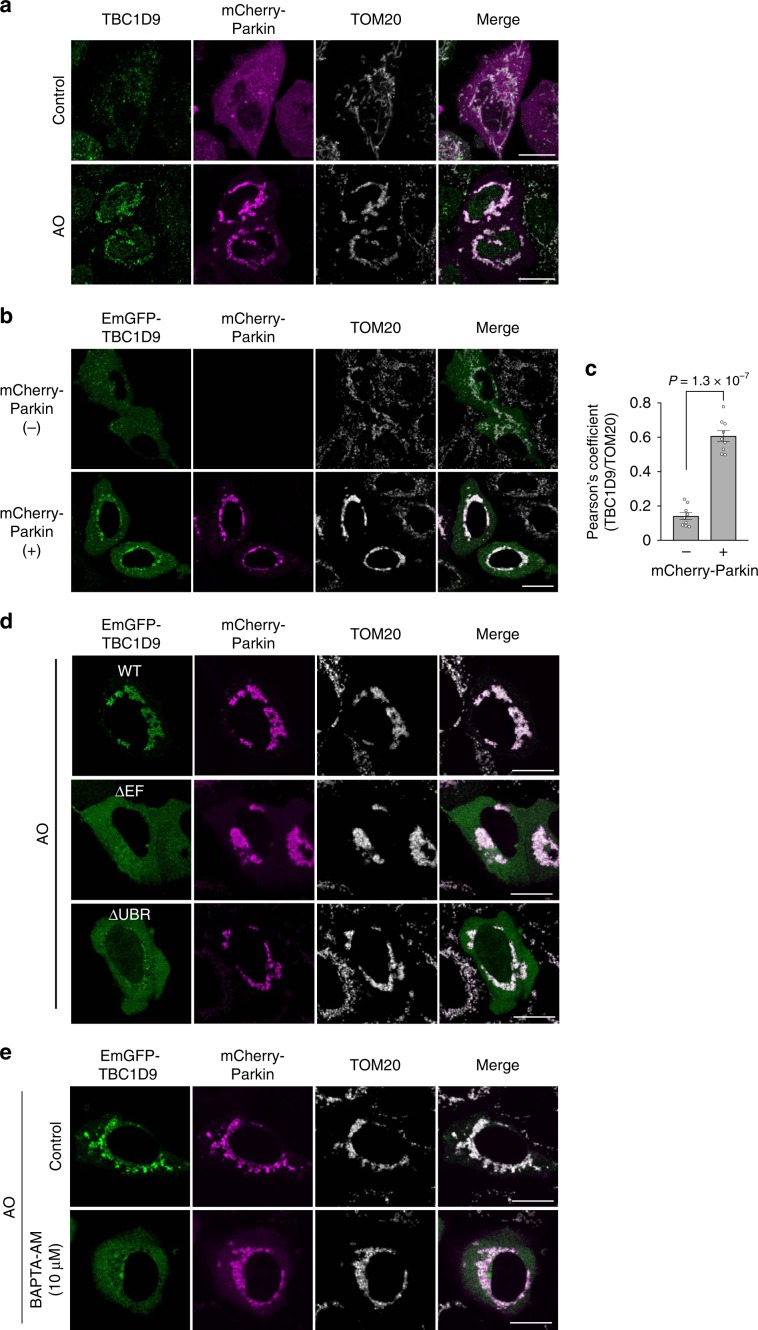
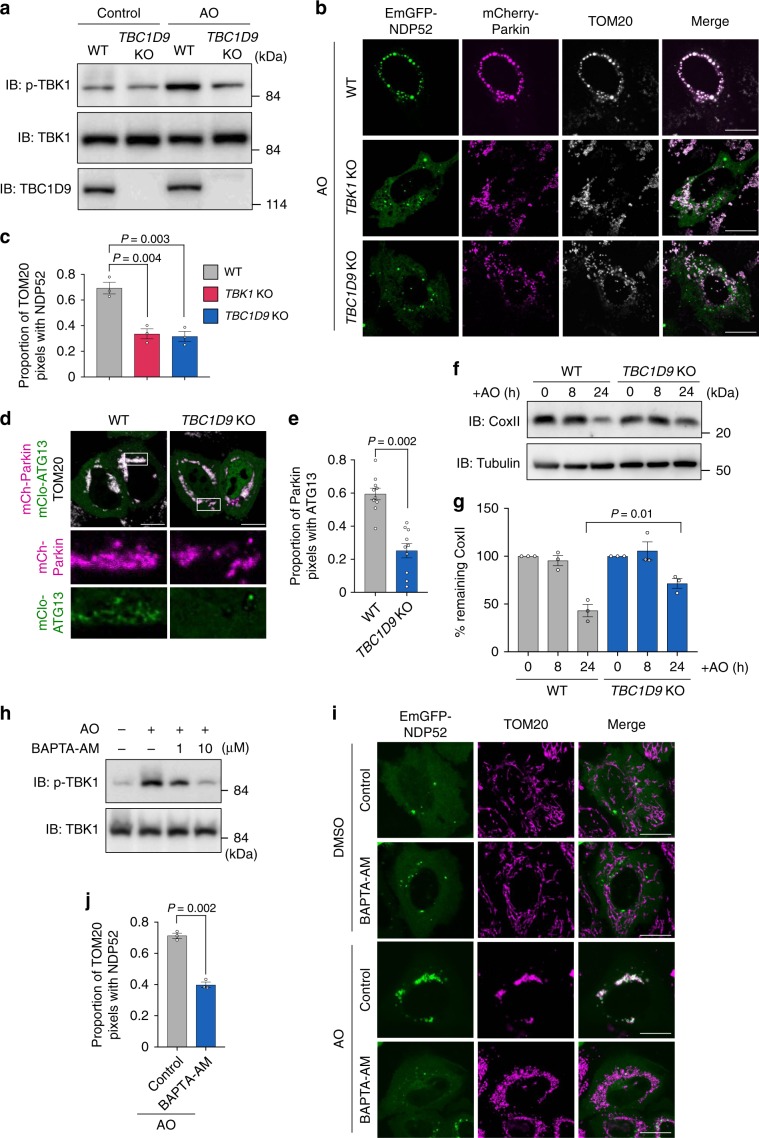
Invading microbial pathogens can be eliminated selectively by xenophagy. Ubiquitin-mediated autophagy receptors are phosphorylated by TANK-binding kinase 1 (TBK1) and recruited to ubiquitinated bacteria to facilitate autophagosome formation during xenophagy, but the molecular mechanism underlying TBK1 activation in response to microbial infection is not clear. Here, we show that bacterial infection increases Ca levels to activate TBK1 for xenophagy via the Ca-binding protein TBC1 domain family member 9 (TBC1D9). Mechanistically, the ubiquitin-binding region (UBR) and Ca-binding motif of TBC1D9 mediate its binding with ubiquitin-positive bacteria, and TBC1D9 knockout suppresses TBK1 activation and subsequent recruitment of the ULK1 complex. Treatment with a Ca chelator impairs TBC1D9-ubiquitin interactions and TBK1 activation during xenophagy. TBC1D9 is also recruited to damaged mitochondria through its UBR and Ca-binding motif, and is required for TBK1 activation during mitophagy. These results indicate that TBC1D9 controls TBK1 activation during xenophagy and mitophagy through Ca-dependent ubiquitin-recognition.
异噬作用可以选择性地清除入侵的微生物病原体。泛素介导的自噬受体通过 TANK 结合激酶 1(TBK1)磷酸化,并募集到泛素化的细菌上,以促进异噬体的形成,但微生物感染引发 TBK1 激活的分子机制尚不清楚。在这里,我们表明细菌感染会增加 Ca 水平,通过 Ca 结合蛋白 TBC1 结构域家族成员 9(TBC1D9)激活 TBK1 以进行异噬作用。在机制上,TBC1D9 的泛素结合区(UBR)和 Ca 结合基序介导其与泛素阳性细菌的结合,并且 TBC1D9 敲除抑制 TBK1 激活和随后 ULK1 复合物的募集。钙螯合剂的处理会破坏异噬作用过程中 TBC1D9-泛素相互作用和 TBK1 激活。TBC1D9 还通过其 UBR 和 Ca 结合基序募集到受损的线粒体,并且在细胞自噬过程中 TBK1 的激活是必需的。这些结果表明,TBC1D9 通过 Ca 依赖性泛素识别来控制异噬作用和细胞自噬过程中 TBK1 的激活。