Division of Protein and Nucleic Acid Chemistry, MRC Laboratory of Molecular Biology, Francis Crick Avenue, Cambridge CB2 0QH, UK.
Division of Protein and Nucleic Acid Chemistry, MRC Laboratory of Molecular Biology, Francis Crick Avenue, Cambridge CB2 0QH, UK; Addenbrooke's Hospital, Department of Medicine, University of Cambridge, Cambridge CB2 0QQ, UK.
Mol Cell. 2019 Apr 18;74(2):320-329.e6. doi: 10.1016/j.molcel.2019.01.041. Epub 2019 Mar 7.
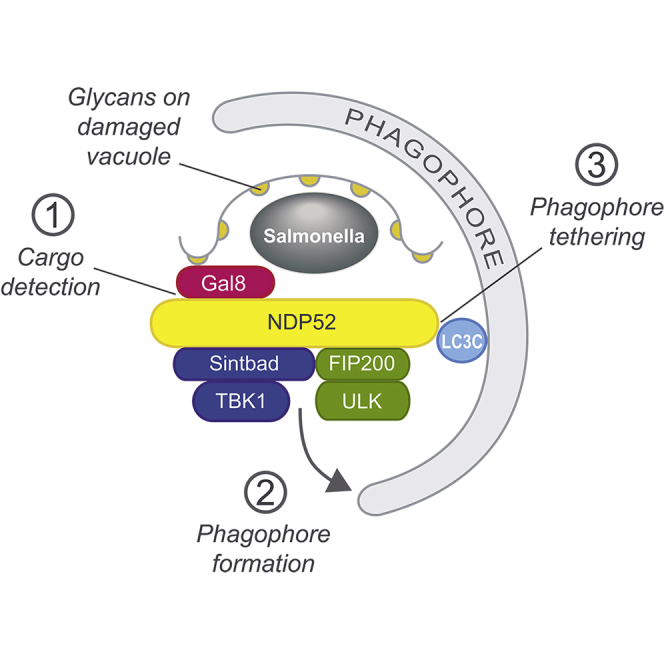
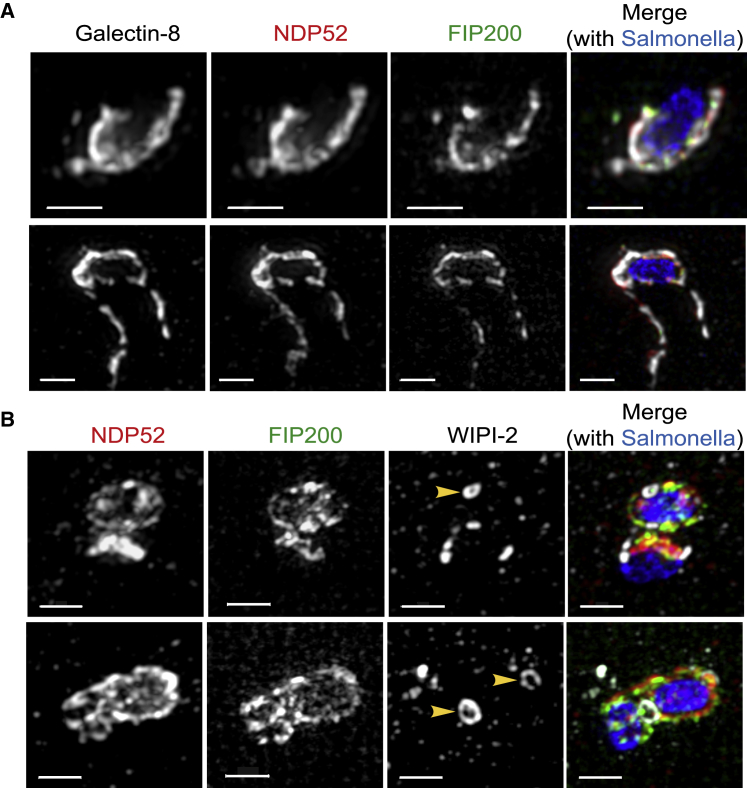
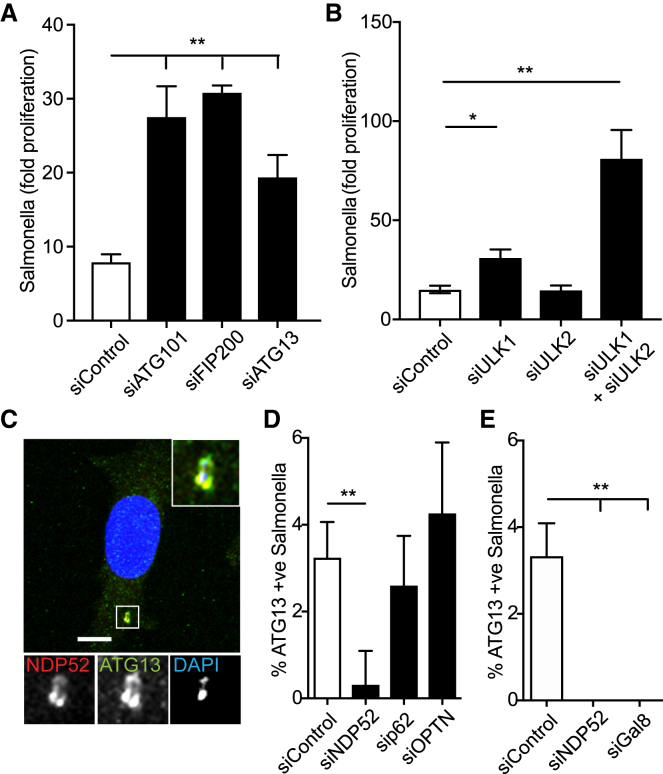
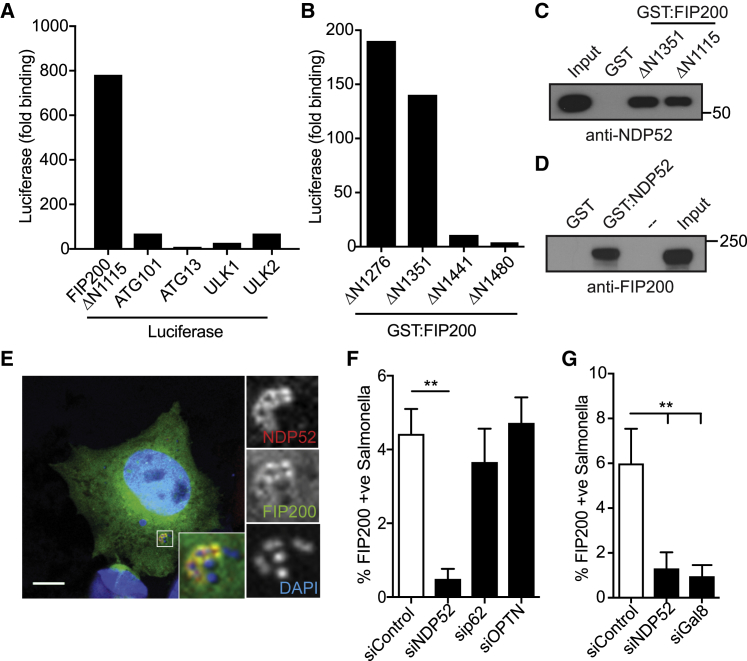
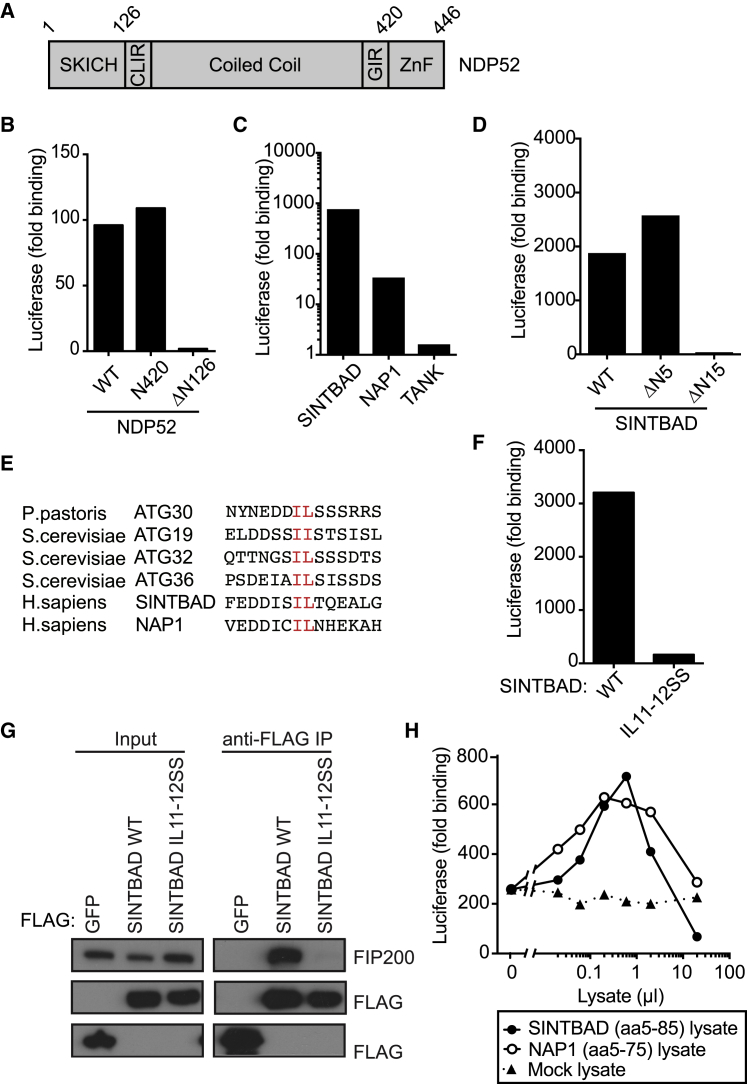
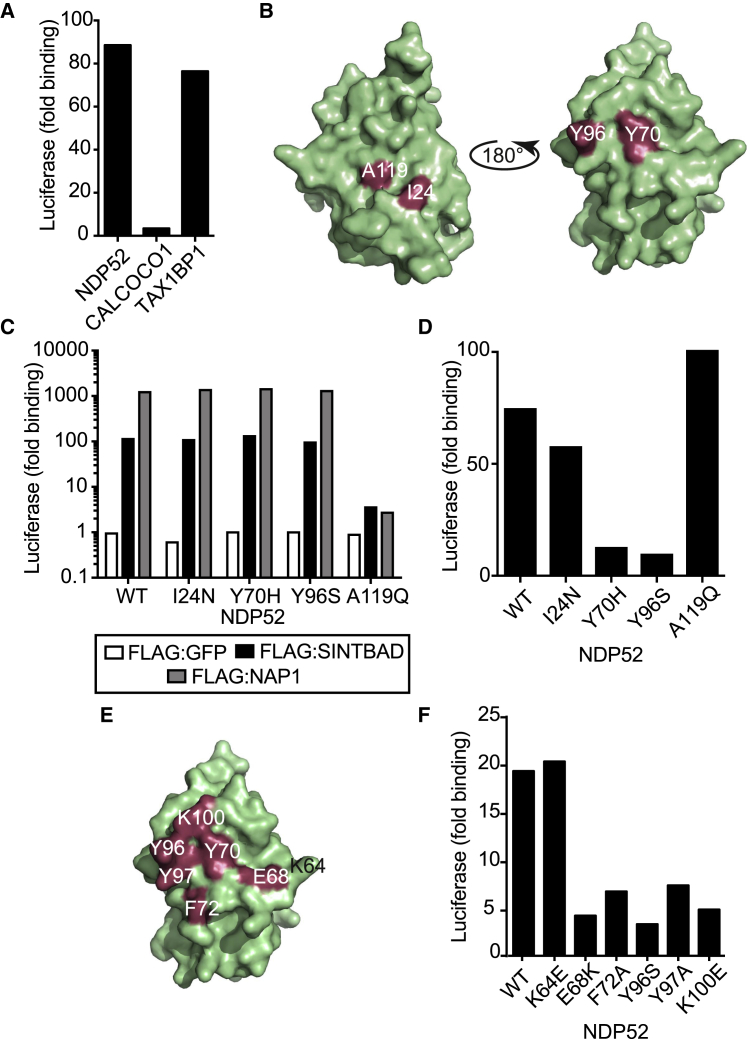
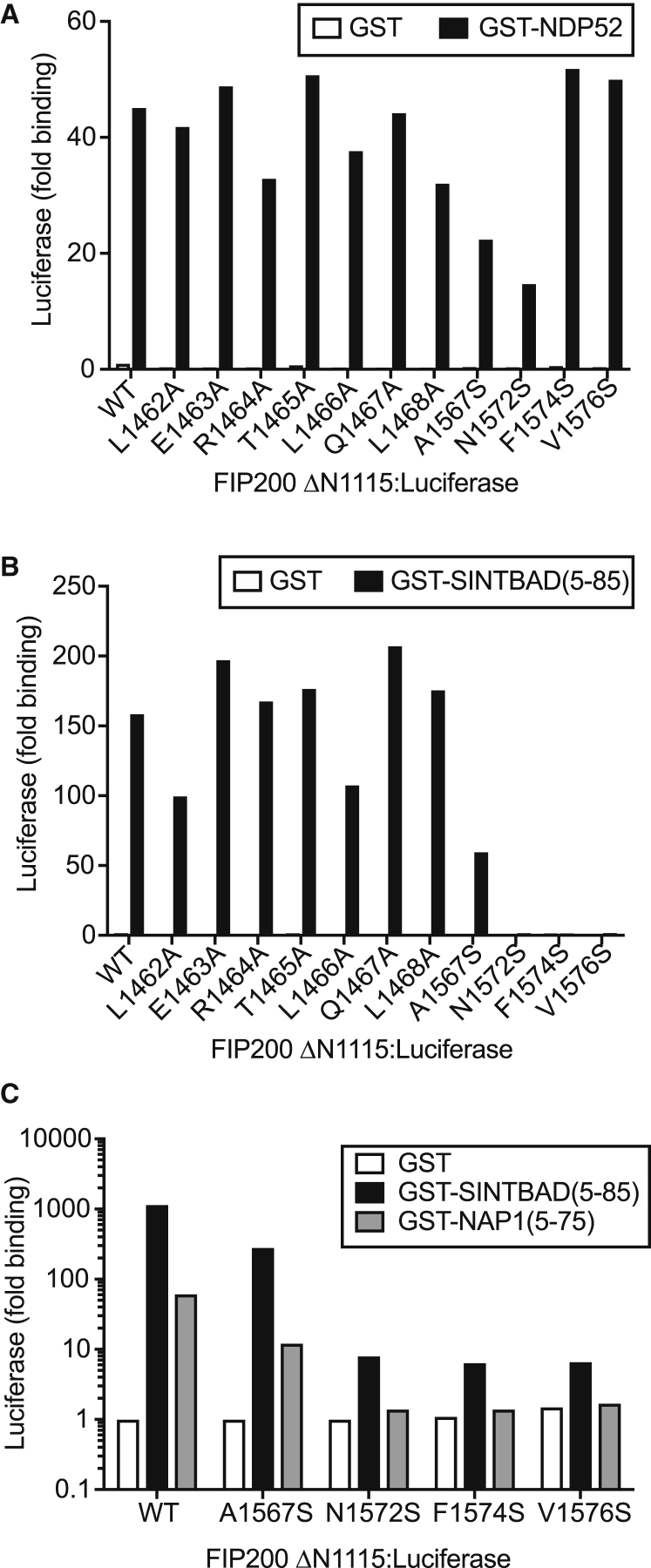
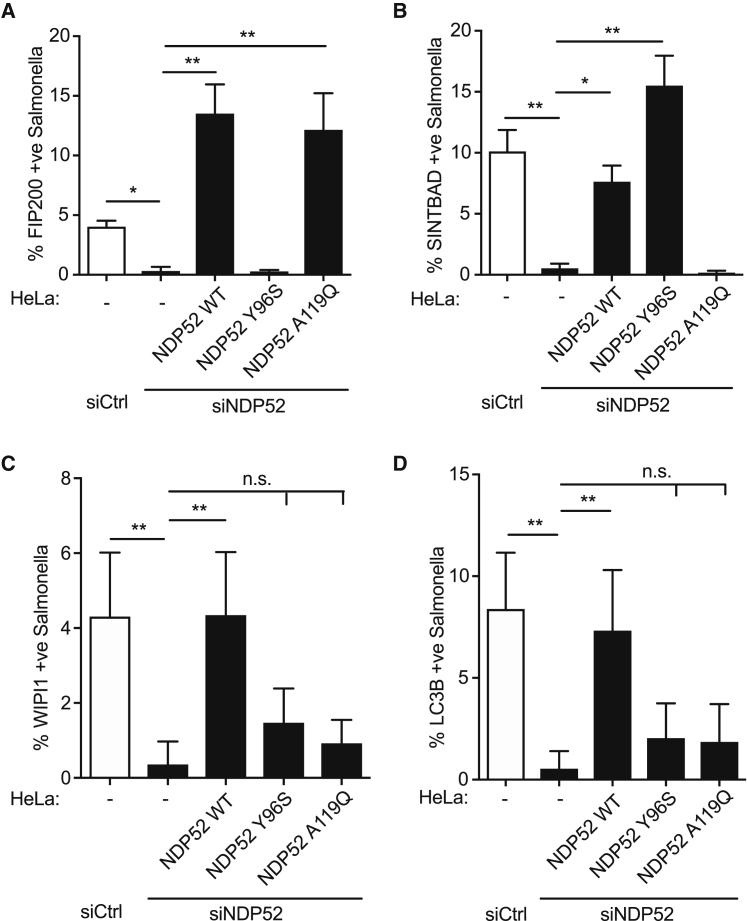
Xenophagy, a selective autophagy pathway that protects the cytosol against bacterial invasion, relies on cargo receptors that juxtapose bacteria and phagophore membranes. Whether phagophores are recruited from a constitutive pool or are generated de novo at prospective cargo remains unknown. Phagophore formation in situ would require recruitment of the upstream autophagy machinery to prospective cargo. Here, we show that, essential for anti-bacterial autophagy, the cargo receptor NDP52 forms a trimeric complex with FIP200 and SINTBAD/NAP1, which are subunits of the autophagy-initiating ULK and the TBK1 kinase complex, respectively. FIP200 and SINTBAD/NAP1 are each recruited independently to bacteria via NDP52, as revealed by selective point mutations in their respective binding sites, but only in their combined presence does xenophagy proceed. Such recruitment of the upstream autophagy machinery by NDP52 reveals how detection of cargo-associated "eat me" signals, induction of autophagy, and juxtaposition of cargo and phagophores are integrated in higher eukaryotes.
异噬作用(Xenophagy)是一种选择性的自噬途径,可保护细胞质免受细菌入侵,该途径依赖于将细菌和吞噬体膜并置的货物受体。吞噬体是从组成型池中募集而来,还是在预期的货物上从头生成,目前尚不清楚。如果在原位形成吞噬体,则需要将上游自噬机制募集到预期的货物上。在这里,我们发现,对于抗细菌自噬作用而言,货物受体 NDP52 与 FIP200 和 SINTBAD/NAP1 形成三聚体复合物,FIP200 和 SINTBAD/NAP1 分别是自噬起始 ULK 和 TBK1 激酶复合物的亚基。通过对其各自结合位点的选择性点突变,揭示了 FIP200 和 SINTBAD/NAP1 均可通过 NDP52 独立地被招募到细菌上,但只有在它们共同存在的情况下,异噬作用才会进行。NDP52 对上游自噬机制的这种募集揭示了在高等真核生物中,如何整合货物相关的“吃我”信号的检测、自噬的诱导以及货物和吞噬体的并置。