Center for Integrative Brain Research, Seattle Children's Research Institute, Seattle, Wash.
Center for Integrative Brain Research, Seattle Children's Research Institute, Seattle, Wash; Division of Pediatric Cardiac Surgery, Seattle Children's Hospital, Seattle, Wash.
J Thorac Cardiovasc Surg. 2021 Jun;161(6):e485-e498. doi: 10.1016/j.jtcvs.2019.12.075. Epub 2020 Jan 11.
Dysregulation of local nitric oxide (NO) synthetases occurs during ischemia and reperfusion associated with cardiopulmonary bypass, deep hypothermic circulatory arrest (DHCA), and reperfusion. Rapid fluctuations in local NO occurring in neonates and infants probably contribute to inflammation-induced microglial activation and neuronal degeneration after these procedures, eventually impairing neurodevelopment. We evaluated the anti-inflammatory efficacy of inhaled NO (iNO) in a piglet model emulating conditions during pediatric open-heart surgery with DHCA.
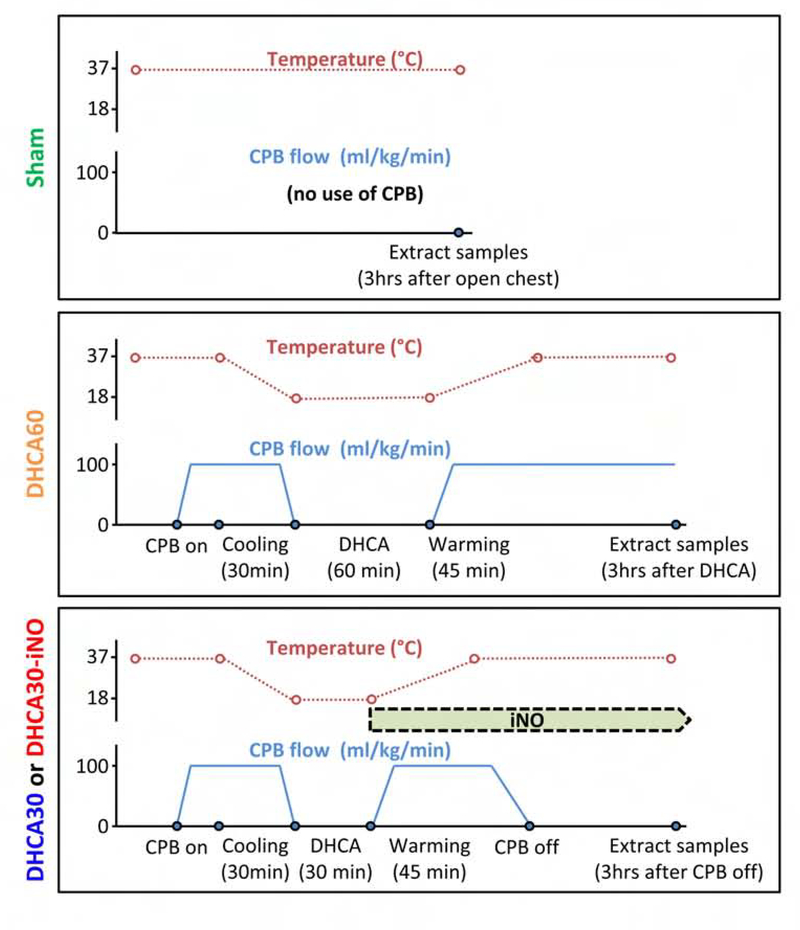
Infant Yorkshire piglets underwent DHCA (18°C) for 30 minutes, followed by reperfusion and rewarming either with or without iNO (20 ppm) in the ventilator at the onset of reperfusion for 3 hours (n = 5 per group, DHCA-iNO and DHCA). Through craniotomy, brains were extracted after perfusion fixation for histology.
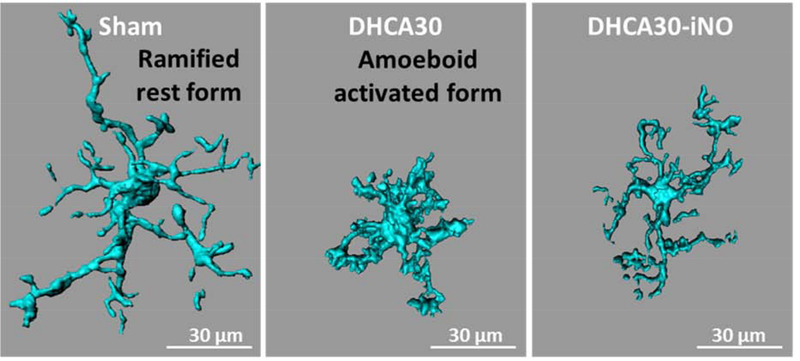
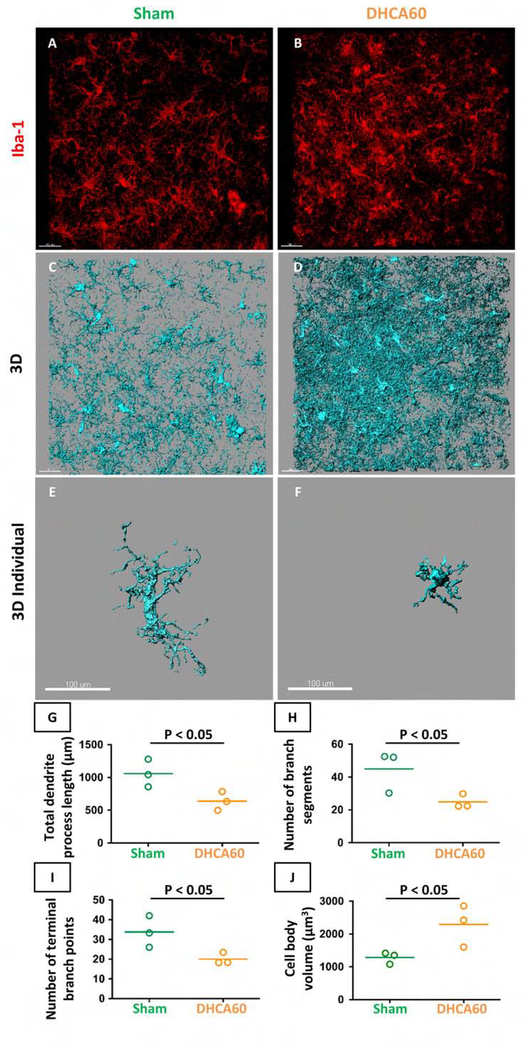
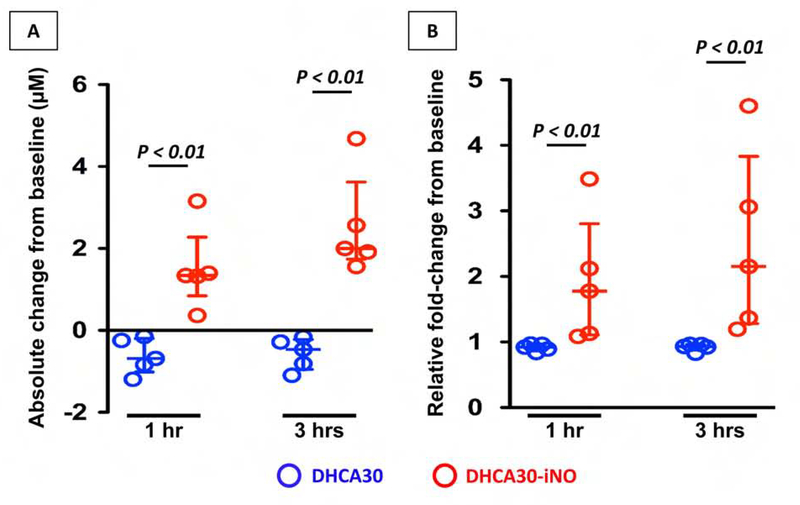
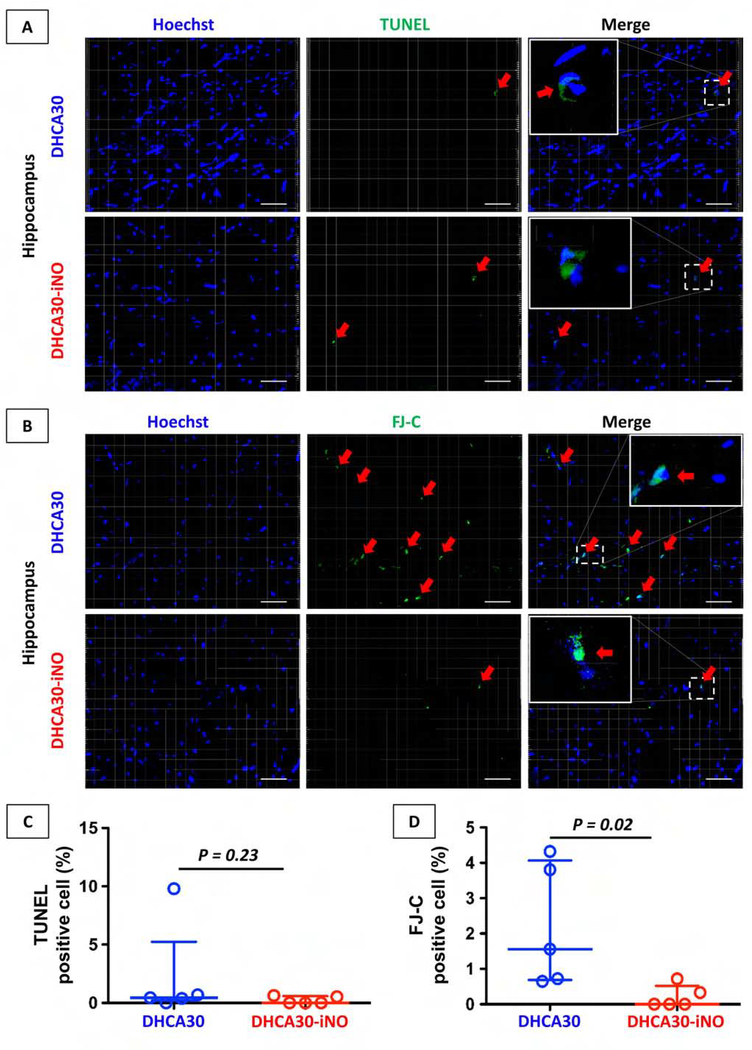
Plasma NO metabolites were elevated 2.5 times baseline data before DHCA by iNO. Fluoro-Jade C staining identified significantly lower number of degenerating neurons in the hippocampus of the DHCA-iNO group (P = .02) compared with the DHCA group. Morphologic analyses of ionized calcium-binding adapter molecule-1 stained microglia, evaluating cell body and dendritic process geometry with Imaris imaging software, revealed subjectively less microglial activation in the hippocampus of pigs receiving iNO.
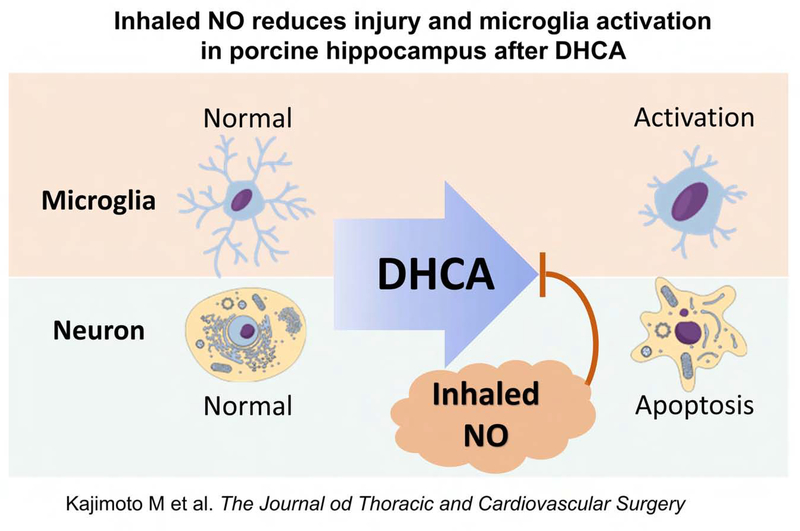
Using DHCA for 30 minutes, consistent with clinical exposure, we noted that iNO reduces neuronal degeneration in the hippocampus. In addition, iNO reduces microglial activation in the hippocampus after DHCA. The data suggest that iNO reduces neuronal degeneration by ameliorating inflammation and may be a practical mode of neuroprotection for infants undergoing DHCA.
在与体外循环、深低温循环停止(DHCA)和再灌注相关的缺血再灌注期间,局部一氧化氮(NO)合酶发生失调。新生儿和婴儿局部 NO 的快速波动可能导致这些手术后炎症诱导的小胶质细胞激活和神经元变性,最终损害神经发育。我们评估了吸入一氧化氮(iNO)在模仿儿科体外循环心脏手术期间条件的仔猪模型中的抗炎疗效。
婴儿约克夏仔猪在 DHCA(18°C)下进行 30 分钟,然后进行再灌注,并在再灌注开始时通过呼吸机用或不用 iNO(20ppm)进行再灌注 3 小时(每组 5 只,DHCA-iNO 和 DHCA)。通过开颅术,在灌注固定后提取大脑进行组织学检查。
iNO 使 DHCA 前的血浆 NO 代谢物升高到基线数据的 2.5 倍。氟- Jade C 染色鉴定出 DHCA-iNO 组海马区退化神经元数量明显低于 DHCA 组(P=0.02)。用 Imaris 成像软件评估离子钙结合适配器分子-1 染色的小胶质细胞的细胞体和树突状过程几何形状的形态分析表明,接受 iNO 的猪的海马区小胶质细胞激活程度较低。
使用 30 分钟的 DHCA,与临床暴露一致,我们注意到 iNO 可减少海马区神经元变性。此外,DHCA 后 iNO 可减少海马区小胶质细胞的激活。数据表明,iNO 通过改善炎症减轻神经元变性,可能是接受 DHCA 的婴儿神经保护的一种实用模式。