Silva Josiane Fernandes, Olivon Vania C, Mestriner Fabiola Leslie A C, Zanotto Camila Ziliotto, Ferreira Raphael Gomes, Ferreira Nathanne Santos, Silva Carlos Alberto Aguiar, Luiz João Paulo Mesquita, Alves Juliano Vilela, Fazan Rubens, Cunha Fernando Queiróz, Alves-Filho Jose Carlos, Tostes Rita C
Department of Pharmacology, Ribeirão Preto Medical School, University of São Paulo, Ribeirão Preto, Brazil.
Universidade Anhanguera-UNIDERP, Campo Grande, Brazil.
Front Physiol. 2020 Jan 21;10:1614. doi: 10.3389/fphys.2019.01614. eCollection 2019.
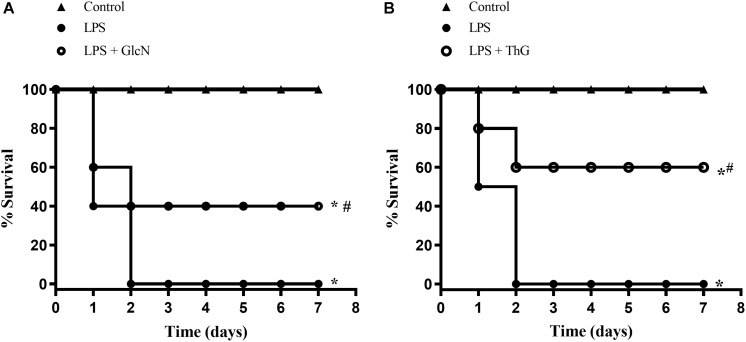
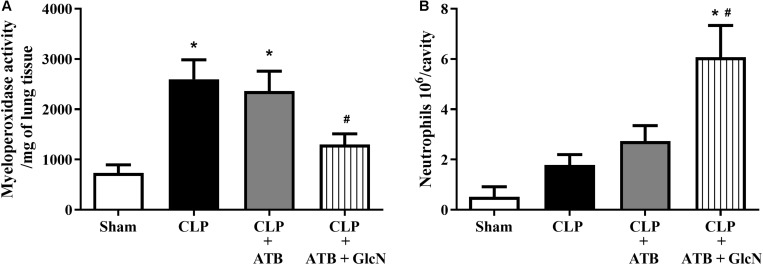
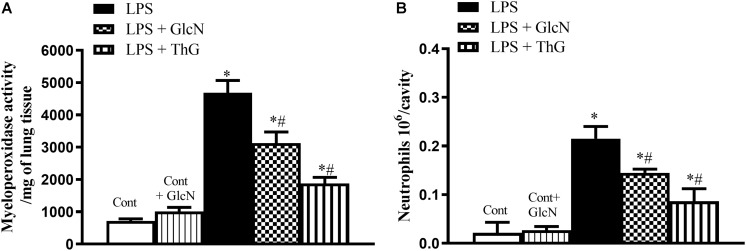
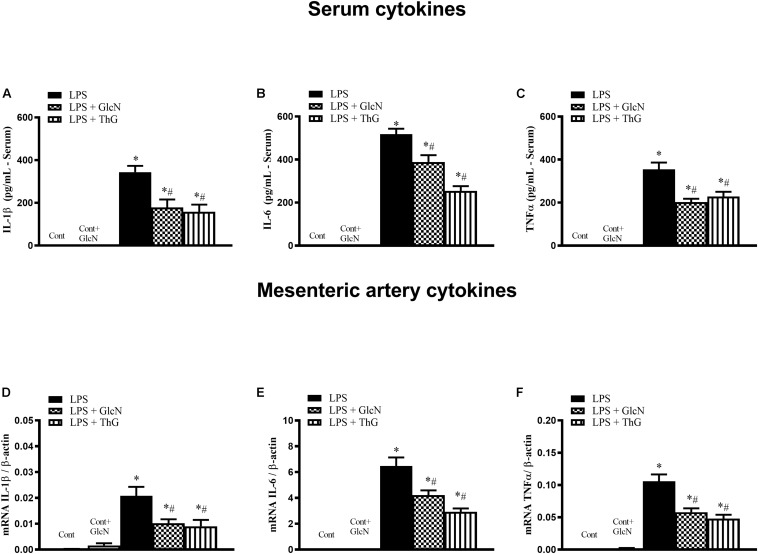
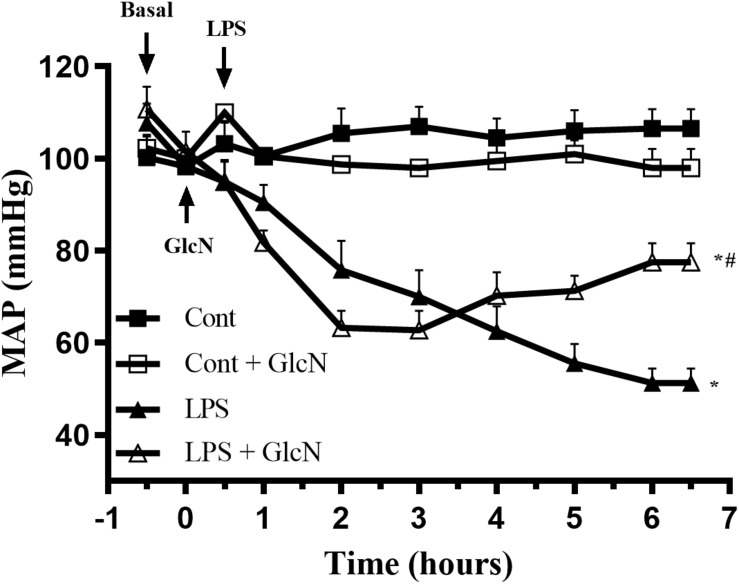
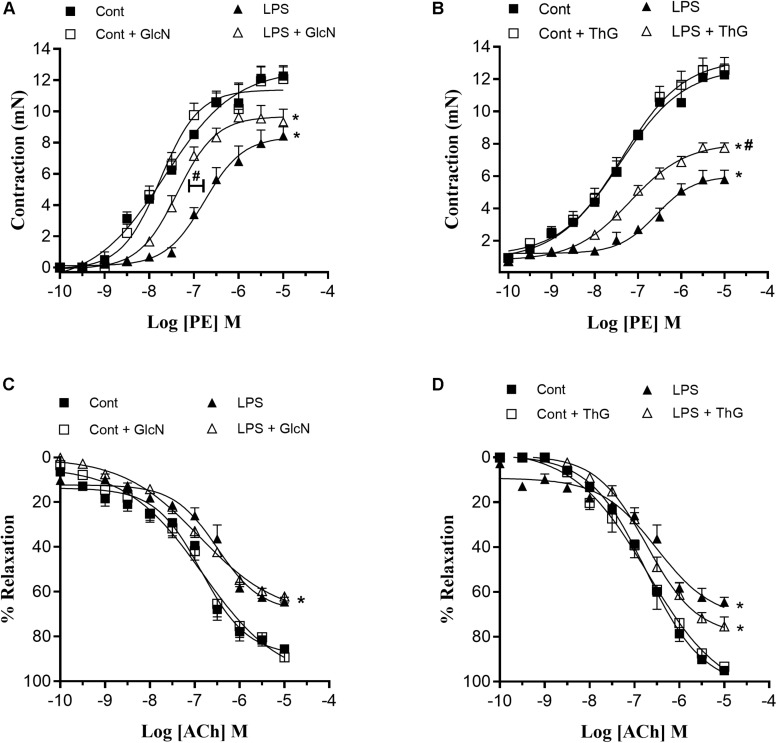
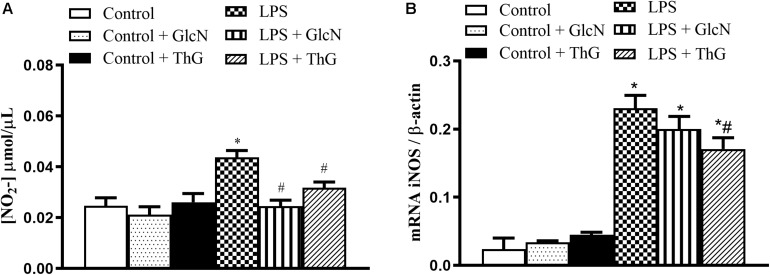
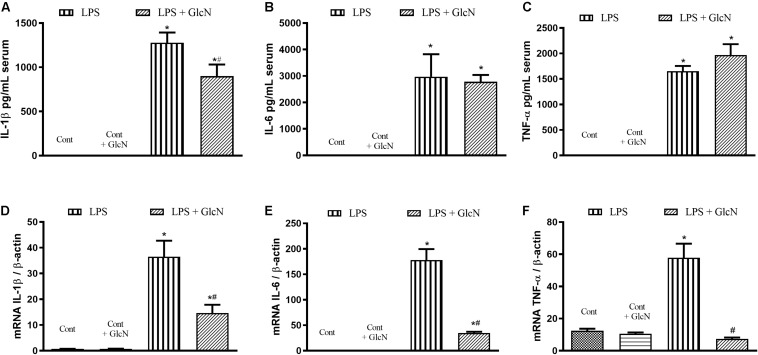
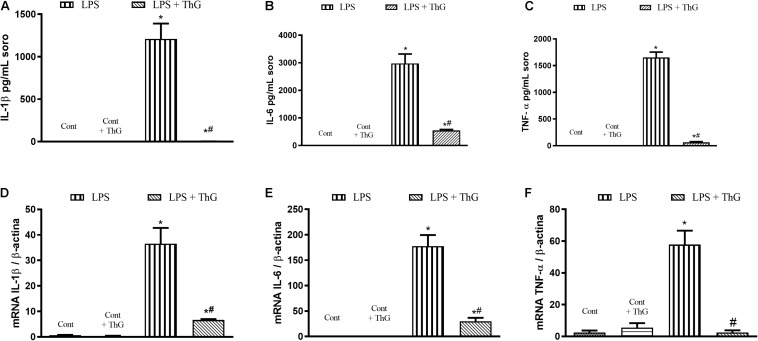
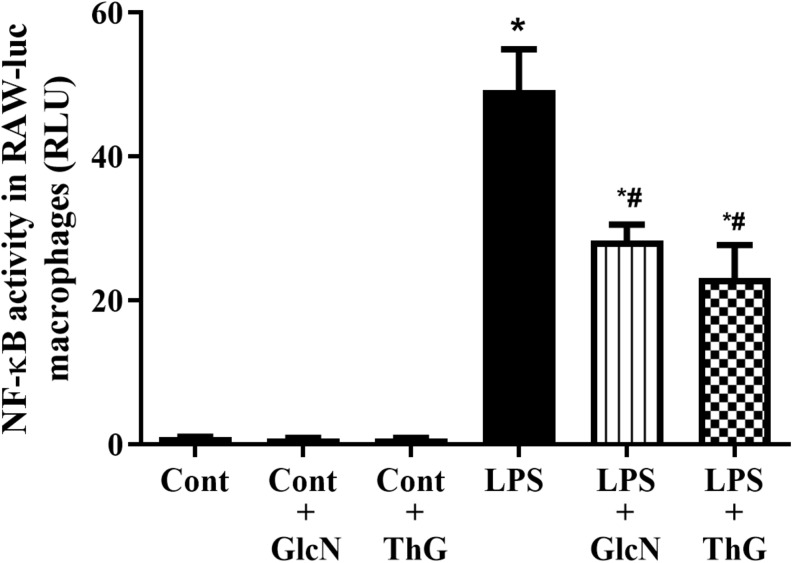
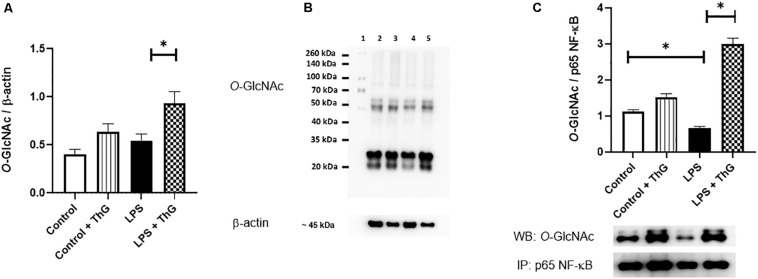
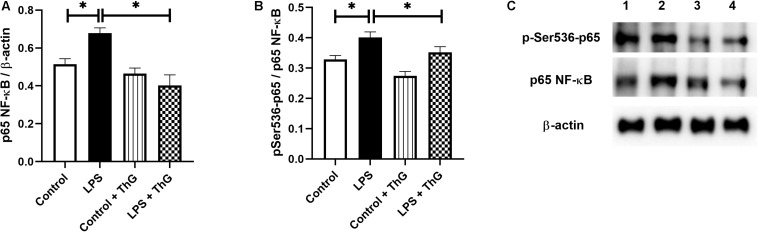
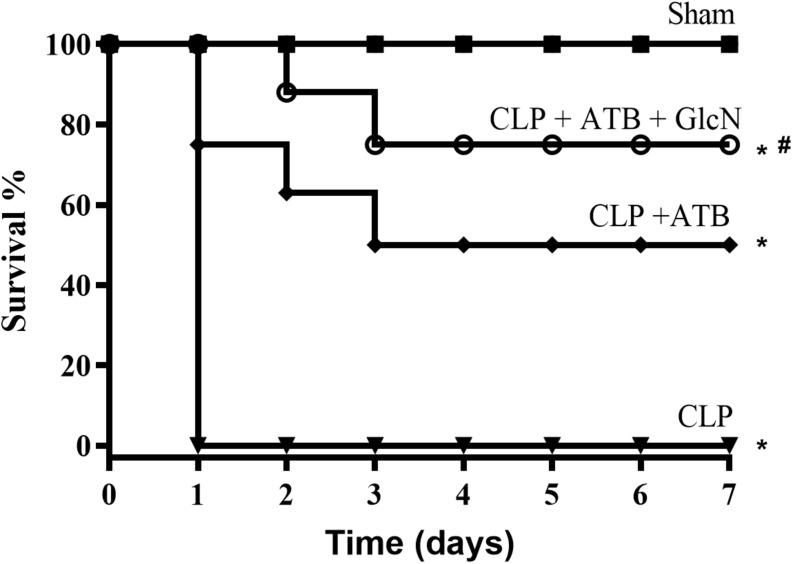
Sepsis is a systemic inflammatory response syndrome (SIRS) resulting from a severe infection that is characterized by immune dysregulation, cardiovascular derangements, and end-organ dysfunction. The modification of proteins by -linked N-acetylglucosamine (-GlcNAcylation) influences many of the key processes that are altered during sepsis, including the production of inflammatory mediators and vascular contractility. Here, we investigated whether -GlcNAc affects the inflammatory response and cardiovascular dysfunction associated with sepsis. Mice received an intraperitoneal injection of lipopolysaccharide (LPS, 20 mg/Kg) to induce endotoxic shock and systemic inflammation, resembling sepsis-induced SIRS. The effects of an acute increase in -GlcNAcylation, by treatment of mice with glucosamine (GlcN, 300 mg/Kg, i.v.) or thiamet-G (ThG, 150 μg/Kg, i.v.), on LPS-associated mortality, production and release of cytokines by macrophages and vascular cells, vascular responsiveness to constrictors and blood pressure were then determined. Mice under LPS-induced SIRS exhibited a systemic and local inflammatory response with increased levels of interleukin-1β (IL-1β), interleukin-6 (IL-6) and tumor necrosis factor (TNF-α), as well as severe hypotension and vascular hyporesponsiveness, characterized by reduced vasoconstriction to phenylephrine. In addition, LPS increased neutrophil infiltration in lungs and produced significant lethality. Treatment with GlcN and ThG reduced systemic inflammation and attenuated hypotension and the vascular refractoriness to phenylephrine, improving survival. GlcN and ThG also decreased LPS-induced production of inflammatory cytokines by bone marrow-derived macrophages and nuclear transcription factor-kappa B (NF-κB) activation in RAW 264.7 NF-κB promoter macrophages. Treatment of mice with ThG increased -glycosylation of NF-κB p65 subunit in mesenteric arteries, which was associated with reduced Ser phosphorylation of NF-κB p65. Finally, GlcN also increased survival rates in mice submitted to cecal ligation and puncture (CLP), a sepsis model. In conclusion, increased -GlcNAc reduces systemic inflammation and cardiovascular disfunction in experimental sepsis models, pointing this pathway as a potential target for therapeutic intervention.
脓毒症是一种由严重感染引起的全身炎症反应综合征(SIRS),其特征为免疫失调、心血管紊乱和终末器官功能障碍。蛋白质的O-连接N-乙酰葡糖胺化(O-GlcNAcylation)会影响脓毒症期间发生改变的许多关键过程,包括炎症介质的产生和血管收缩性。在此,我们研究了O-GlcNAc是否会影响与脓毒症相关的炎症反应和心血管功能障碍。给小鼠腹腔注射脂多糖(LPS,20mg/Kg)以诱导内毒素休克和全身炎症,类似于脓毒症诱导的SIRS。然后通过用葡糖胺(GlcN,300mg/Kg,静脉注射)或噻美G(ThG,150μg/Kg,静脉注射)处理小鼠,来确定O-GlcNAcylation急性增加对LPS相关死亡率、巨噬细胞和血管细胞产生及释放细胞因子、血管对收缩剂的反应性和血压的影响。LPS诱导的SIRS小鼠表现出全身和局部炎症反应,白细胞介素-1β(IL-1β)、白细胞介素-6(IL-6)和肿瘤坏死因子(TNF-α)水平升高,以及严重的低血压和血管反应性降低,其特征为对去氧肾上腺素的血管收缩作用减弱。此外,LPS增加了肺部中性粒细胞浸润并导致显著的致死率。用GlcN和ThG处理可减轻全身炎症,减轻低血压和血管对去氧肾上腺素的不应性,提高生存率。GlcN和ThG还可降低LPS诱导的骨髓来源巨噬细胞产生炎症细胞因子以及RAW 264.7 NF-κB启动子巨噬细胞中核转录因子-κB(NF-κB)的激活。用ThG处理小鼠可增加肠系膜动脉中NF-κB p65亚基的O-糖基化,这与NF-κB p65的丝氨酸磷酸化减少有关。最后,GlcN还可提高接受盲肠结扎和穿刺(CLP)(一种脓毒症模型)的小鼠的存活率。总之,O-GlcNAc增加可减轻实验性脓毒症模型中的全身炎症和心血管功能障碍,表明该途径是治疗干预的潜在靶点。