Ashoka Anila Hoskere, Ali Firoj, Tiwari Rajeshwari, Kumari Rina, Pramanik Sumit Kumar, Das Amitava
Laboratoire de Bioimagerie et Pathologies, UMR 7021 CNRS, Facultéde Pharmacie, Universitéde Strasbourg, Strasbourg, CS 60024, France.
CSIR - Central Institute of Mining and Fuel Research, Barwa Road, CIMFR Colony, Dhanbad, Jharkhand 826015, India.
ACS Omega. 2020 Jan 21;5(4):1730-1742. doi: 10.1021/acsomega.9b03420. eCollection 2020 Feb 4.
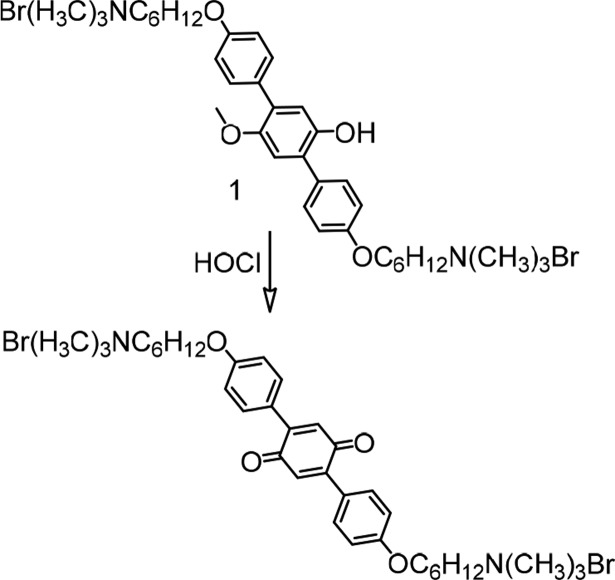
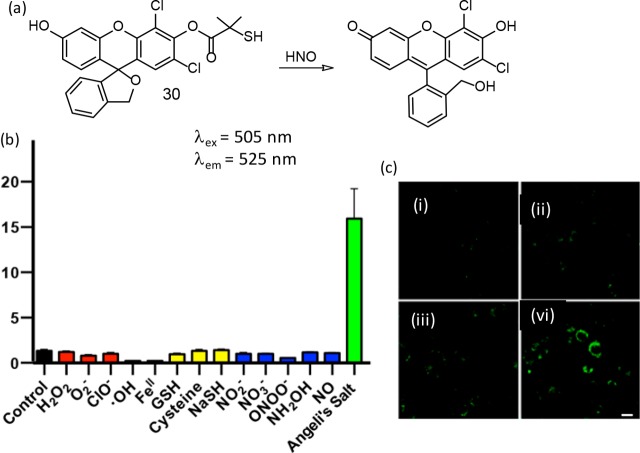
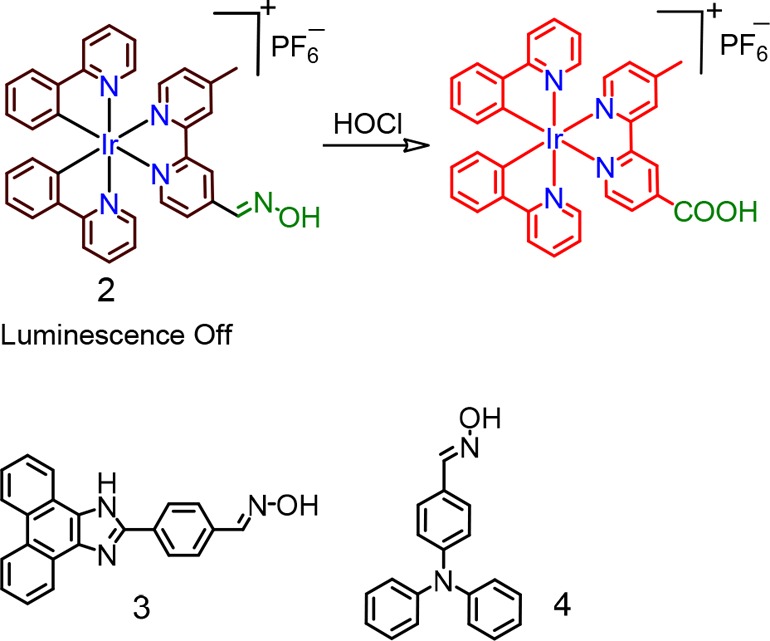
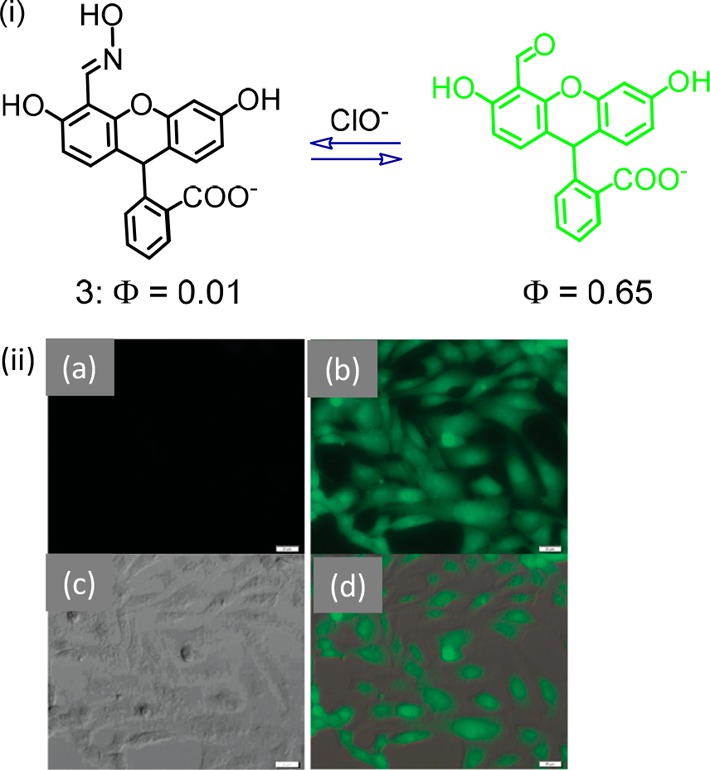
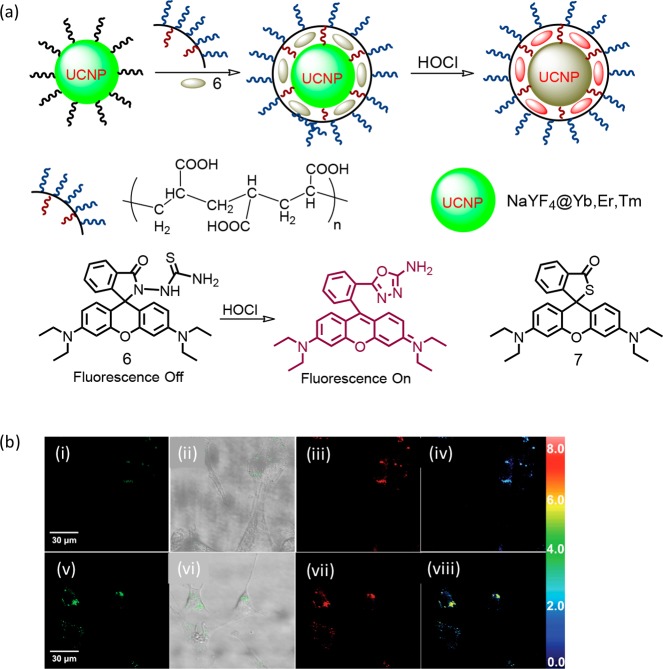
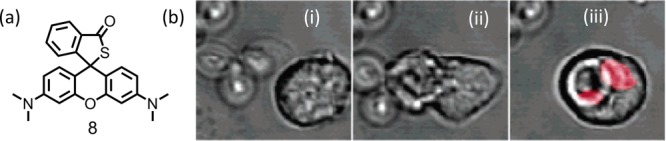
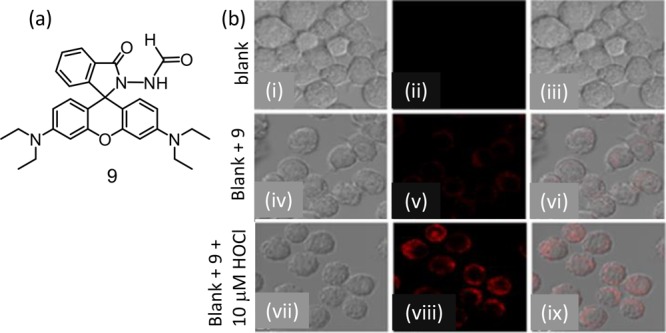
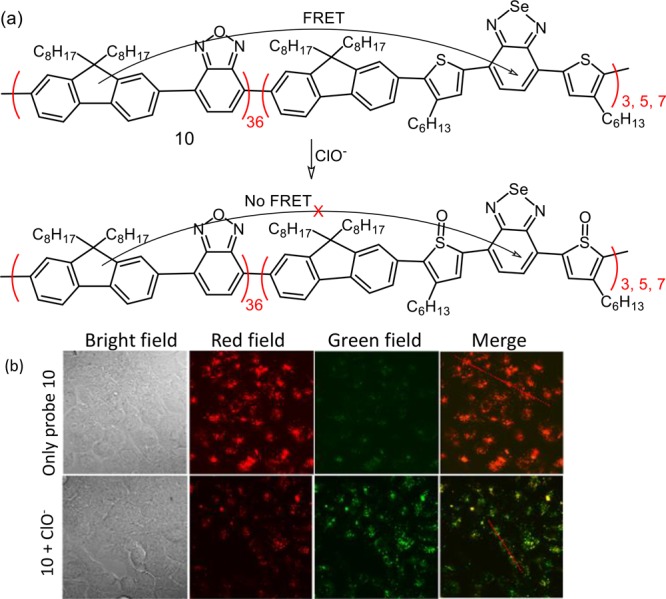
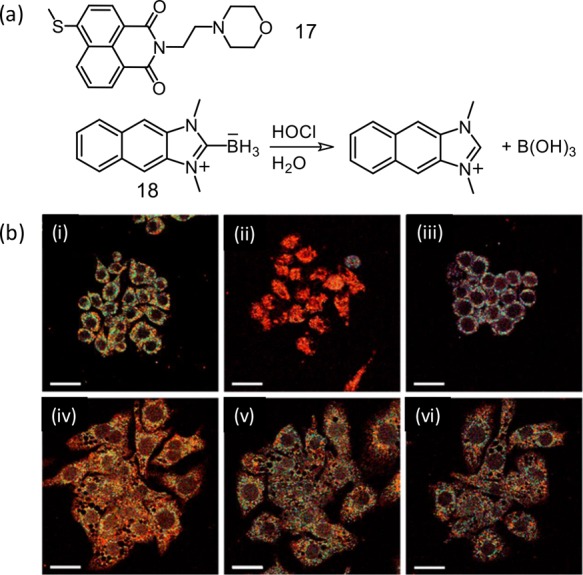
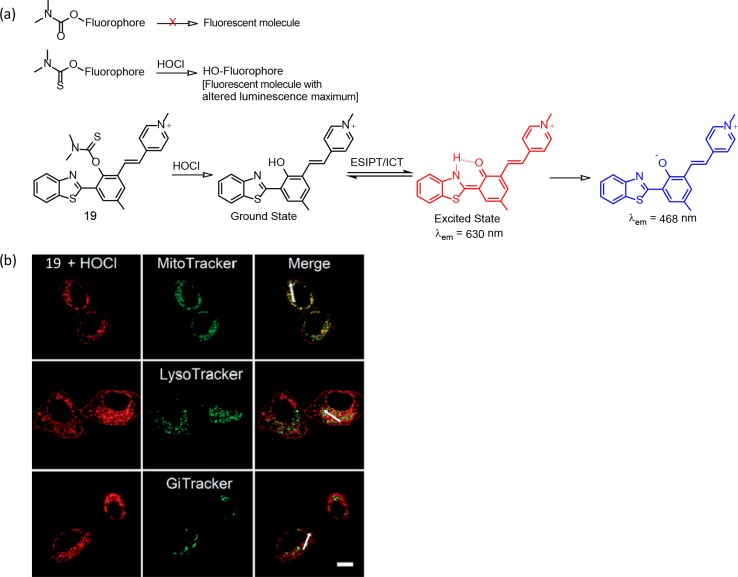
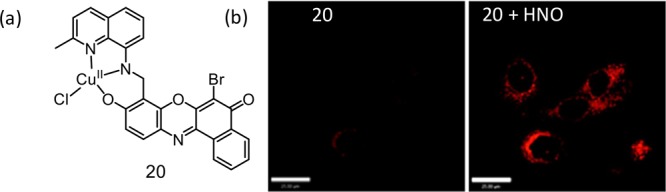
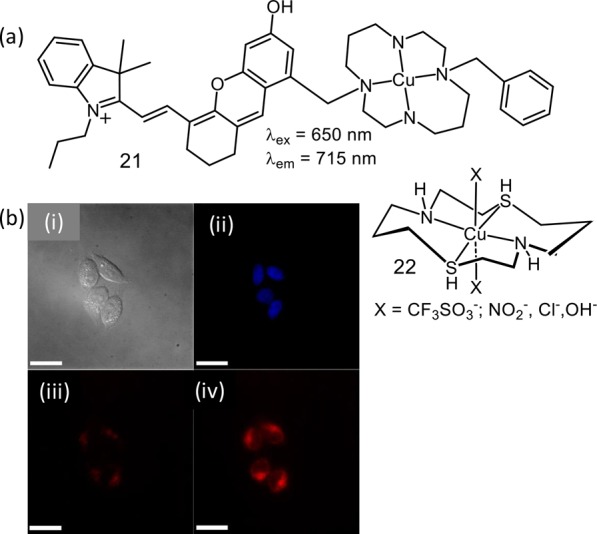
It is known that reactive oxygen (ROS) and nitrogen (RNS) species play a diverse role in various biological processes, such as inflammation, signal transduction, and neurodegenerative injury, apart from causing various diseases caused by oxidative and nitrosative stresses, respectively, by ROS and RNS. Thus, it is very important to quantify the concentration level of ROS and RNS in live cells, tissues, and organisms. Various small-molecule-based fluorescent/chemodosimetric probes are reported to quantify and map the effective distribution of ROS/RNS under in vitro/in vivo conditions with a great spatial and temporal resolution. Such reagents are now appreciated as an excellent tool for aiding breakthroughs in modern redox biology. This mini-review is a brief, but all-inclusive, account of such molecular probes that have been developed recently.
众所周知,活性氧(ROS)和活性氮(RNS)除了分别通过ROS和RNS引起由氧化应激和亚硝化应激导致的各种疾病外,还在各种生物过程中发挥多种作用,如炎症、信号转导和神经退行性损伤。因此,量化活细胞、组织和生物体中ROS和RNS的浓度水平非常重要。据报道,各种基于小分子的荧光/化学计量探针能够在体外/体内条件下以高空间和时间分辨率量化并绘制ROS/RNS的有效分布。这类试剂如今被视为助力现代氧化还原生物学取得突破的优秀工具。本综述简要但全面地介绍了近期开发的此类分子探针。