Department of Physiology and Biomedical Center Martin, Jessenius Faculty of Medicine in Martin, Comenius University in Bratislava, 03601 Martin, Slovakia.
Division of Molecular Medicine, Biomedical Center Martin, Jessenius Faculty of Medicine in Martin, Comenius University in Bratislava, 03601 Martin, Slovakia.
Int J Mol Sci. 2020 Feb 9;21(3):1148. doi: 10.3390/ijms21031148.
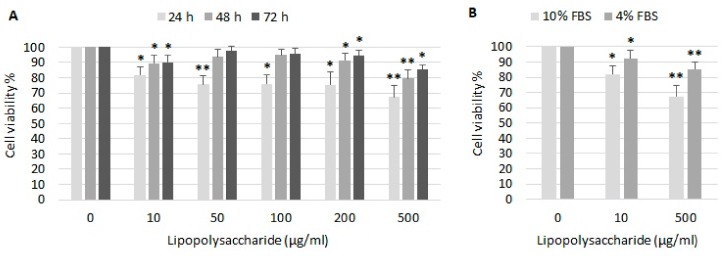
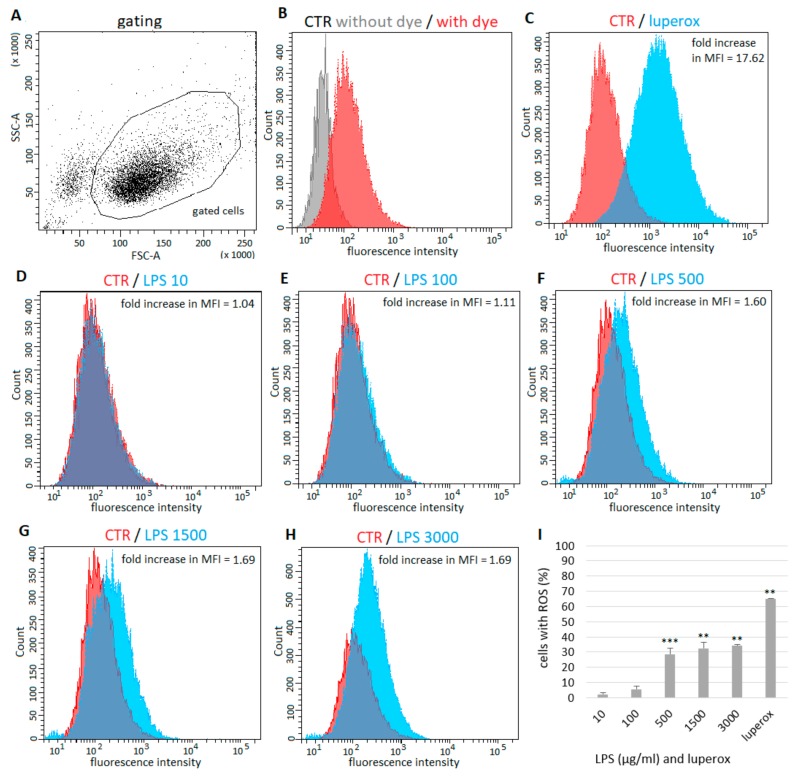
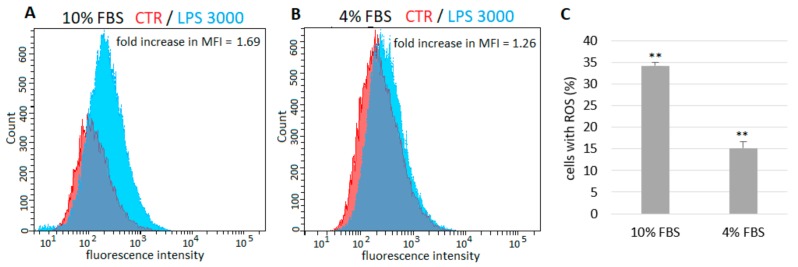
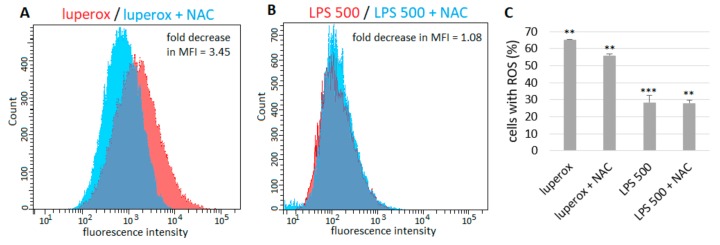
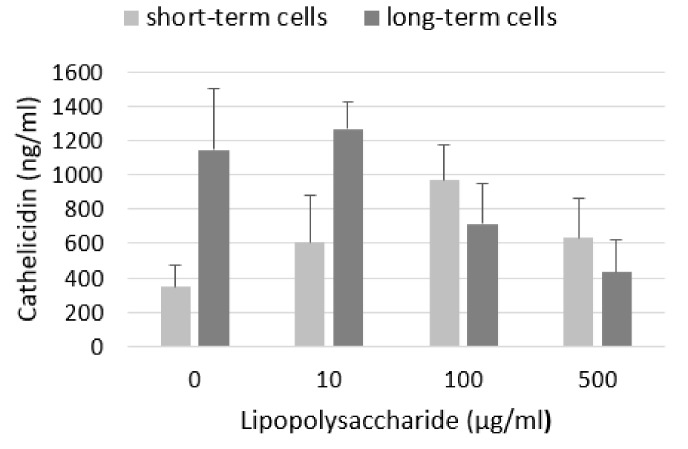
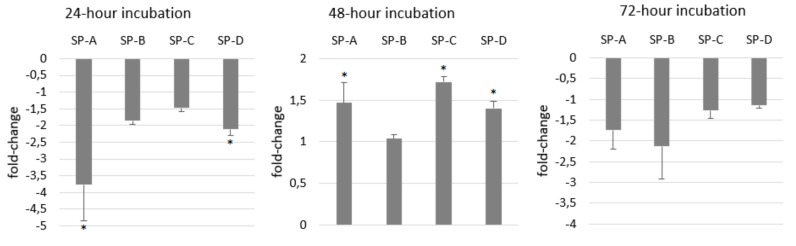
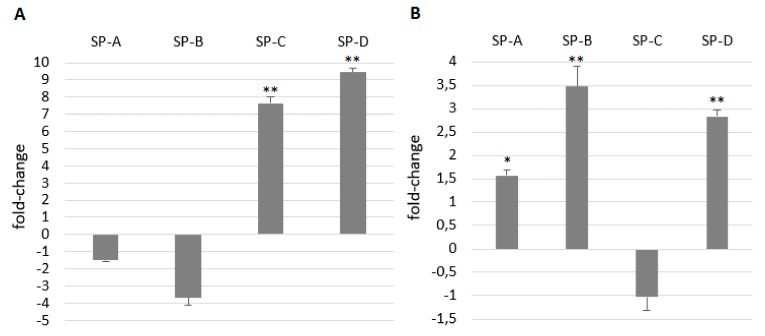
Alveolar epithelial type II (ATII) cells and their proper function are essential for maintaining lung integrity and homeostasis. However, they can be damaged by lipopolysaccharide (LPS) during Gram-negative bacterial infection. Thus, this study evaluated and compared the effects of LPS on short and long-term cultures of A549 cells by determining the cell viability, levels of oxidative stress and antimicrobial peptide cathelicidin LL-37 and changes in the expression of surfactant proteins (SPs). Moreover, we compared A549 cell response to LPS in the presence of different serum concentrations. Additionally, the effect of -acetylcysteine (NAC) on LPS-induced oxidative stress as a possible treatment was determined. Our results indicate that A549 cells are relatively resistant to LPS and able to maintain integrity even at high LPS concentrations. Their response to endotoxin is partially dependent on serum concentration. NAC failed to lower LPS-induced oxidative stress in A549 cells. Finally, LPS modulates SP gene expression in A549 cells in a time dependent manner and differences between short and long-term cultures were present. Our results support the idea that long-term cultivation of A549 cells could promote a more ATII-like phenotype and thus could be a more suitable model for ATII cells, especially for in vitro studies dealing with surfactant production.
肺泡上皮细胞 II 型 (ATII) 及其正常功能对于维持肺的完整性和内稳态至关重要。然而,在革兰氏阴性菌感染过程中,脂多糖 (LPS) 会损伤这些细胞。因此,本研究通过测定细胞活力、氧化应激水平和抗菌肽 cathelicidin LL-37 水平以及表面活性剂蛋白 (SP) 的表达变化,评估并比较了 LPS 对 A549 细胞短期和长期培养的影响。此外,我们比较了 A549 细胞在不同血清浓度下对 LPS 的反应。还确定了 -乙酰半胱氨酸 (NAC) 作为可能的治疗方法对 LPS 诱导的氧化应激的影响。结果表明,A549 细胞对 LPS 具有相对抗性,即使在高 LPS 浓度下也能保持完整性。它们对内毒素的反应部分取决于血清浓度。NAC 未能降低 A549 细胞中 LPS 诱导的氧化应激。最后,LPS 以时间依赖的方式调节 A549 细胞中 SP 基因的表达,并且在短期和长期培养之间存在差异。我们的结果支持这样一种观点,即 A549 细胞的长期培养可能会促进更类似于 ATII 细胞的表型,因此对于涉及表面活性剂产生的体外研究,特别是对于体外研究,可能是更合适的 ATII 细胞模型。