Department of Microbiology, Infectiology, and Immunology, Faculty of Medicine, University of Montreal, Montreal, Quebec, Canada.
Sainte-Justine Hospital Research Centre, University of Montreal, Montreal, Quebec, Canada.
Nature. 2020 Feb;578(7796):600-604. doi: 10.1038/s41586-020-2003-8. Epub 2020 Feb 12.
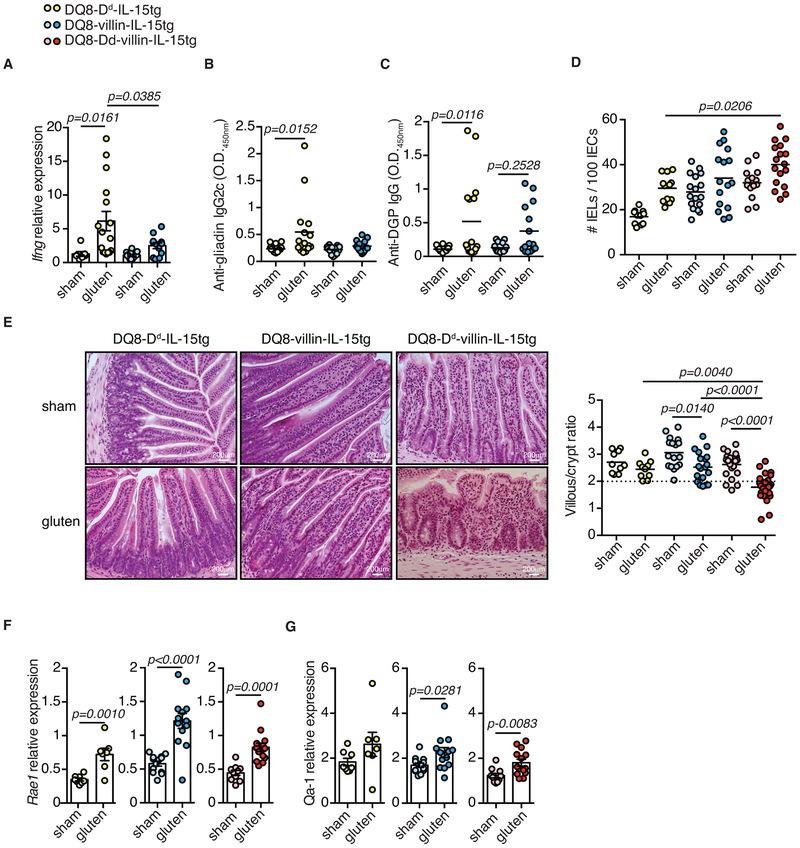
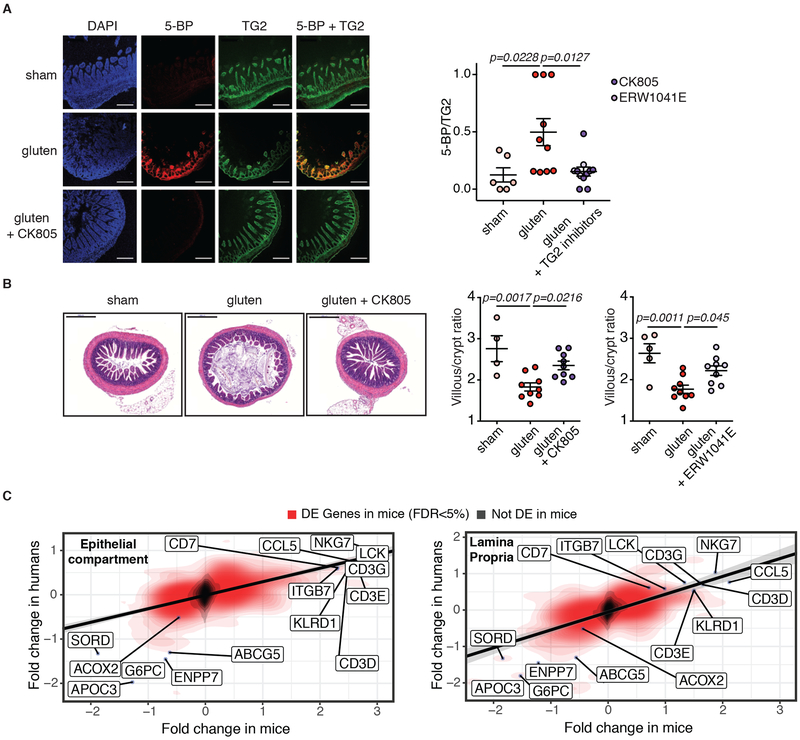
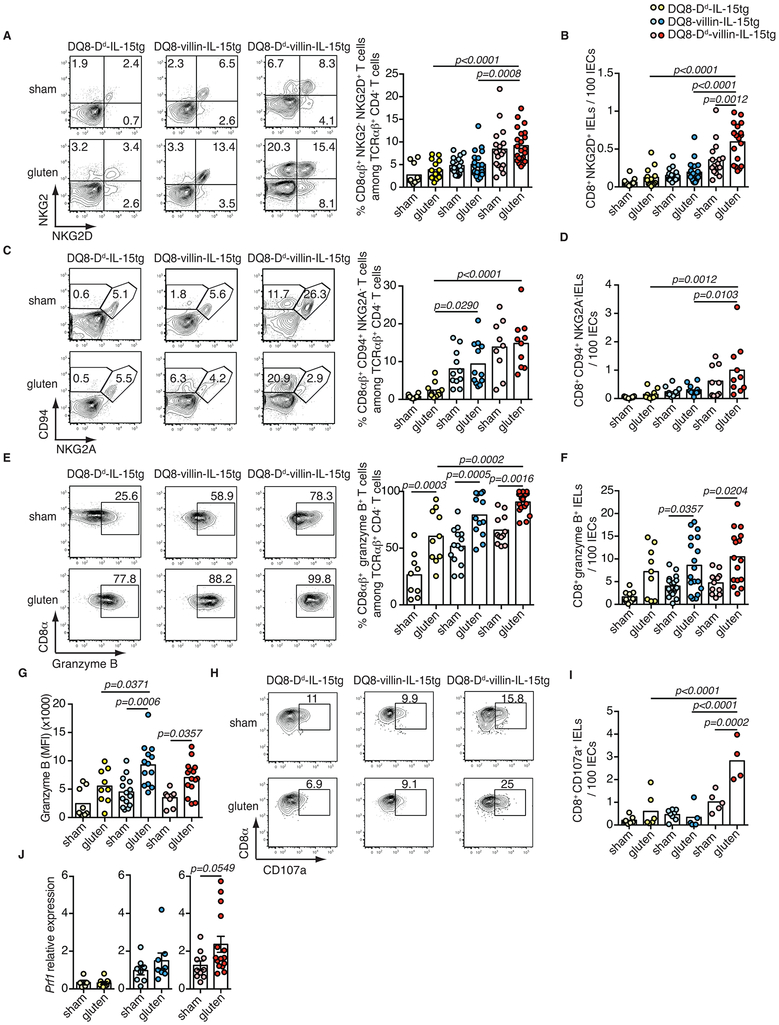
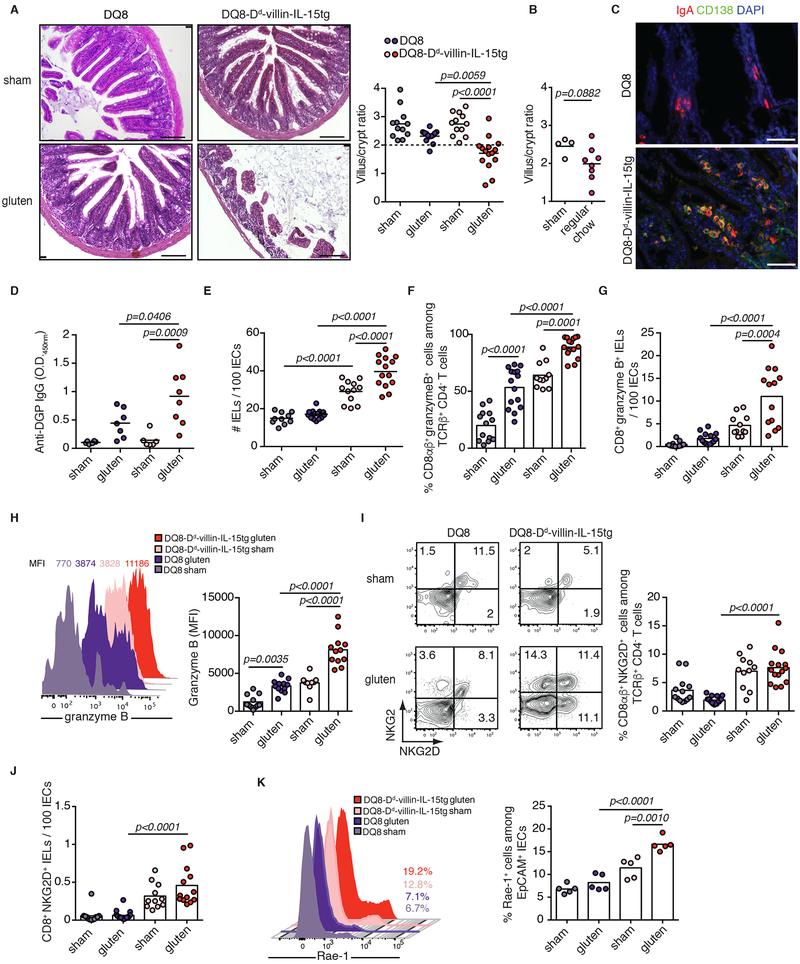
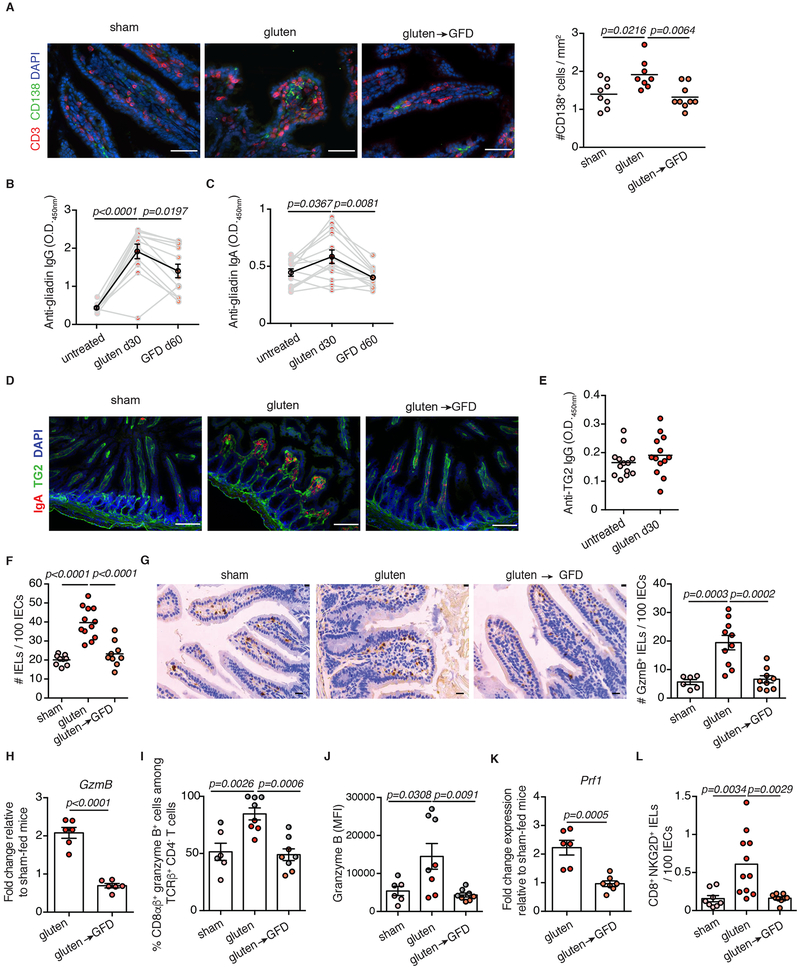
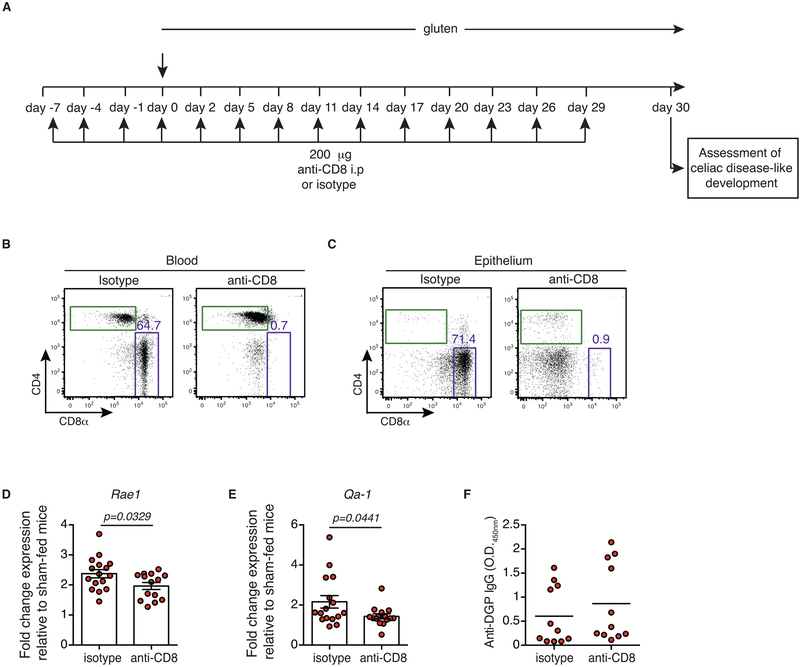
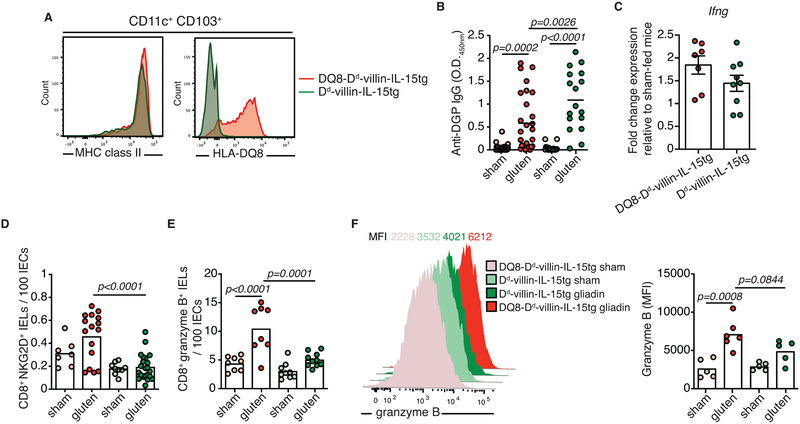
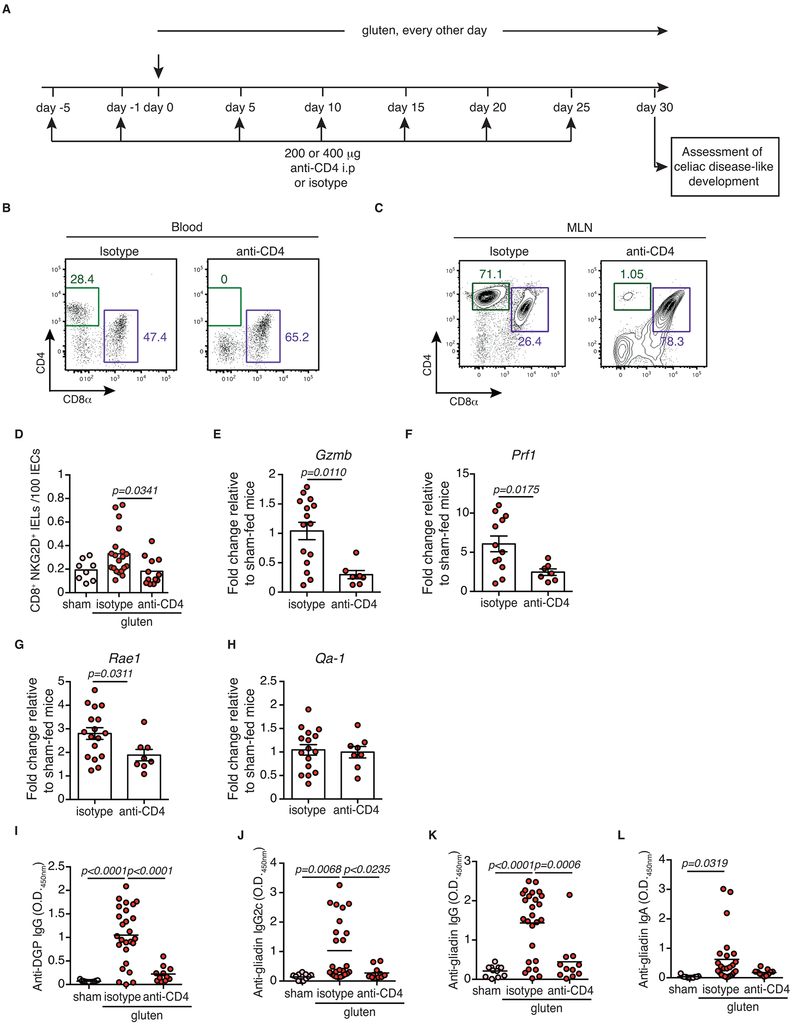
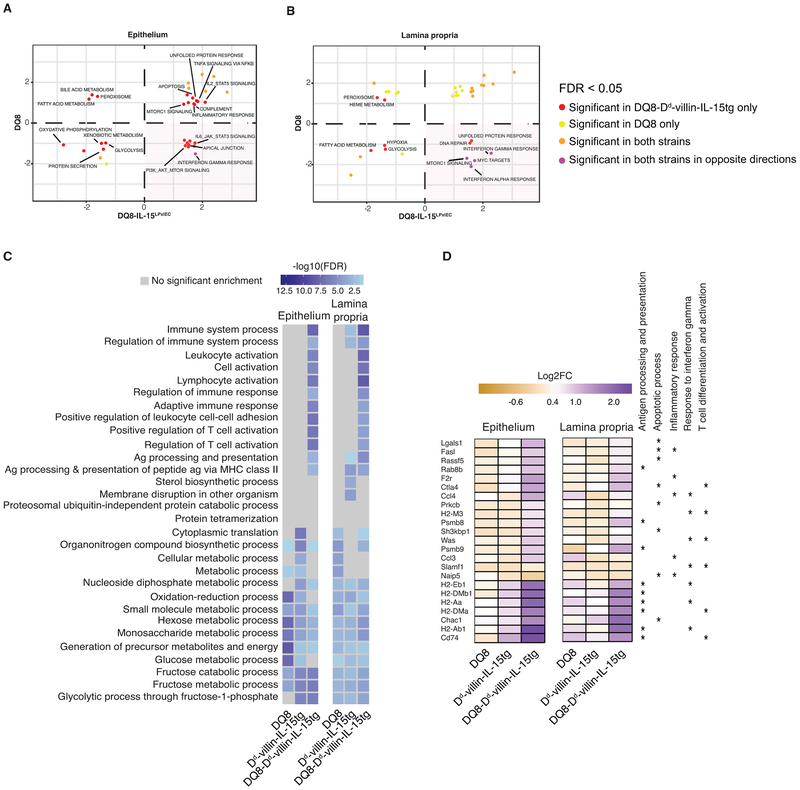
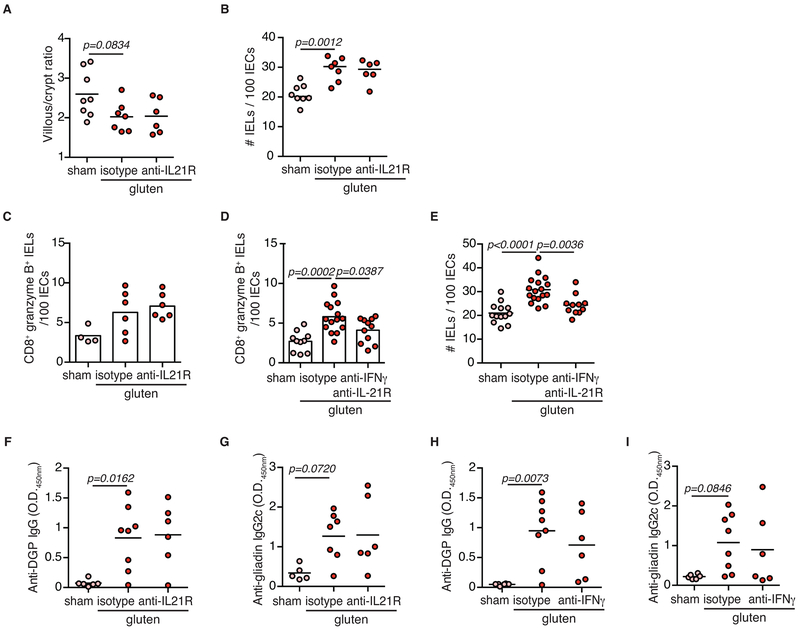
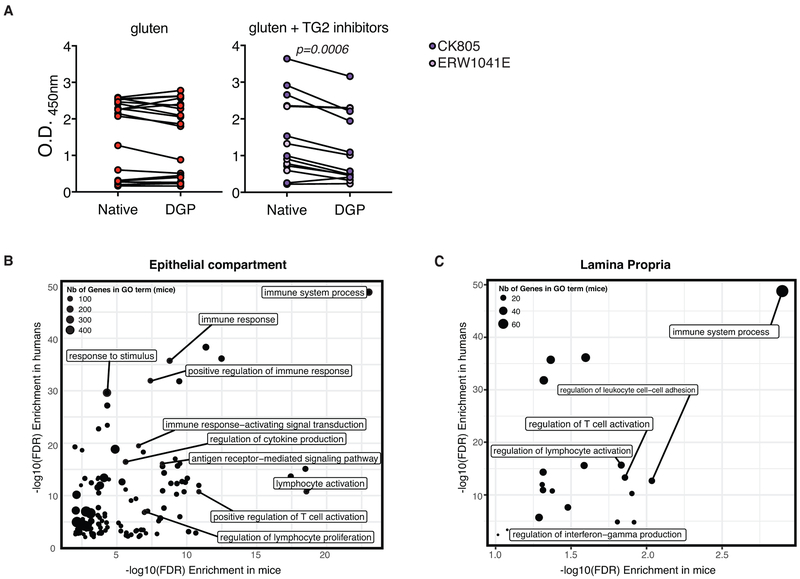
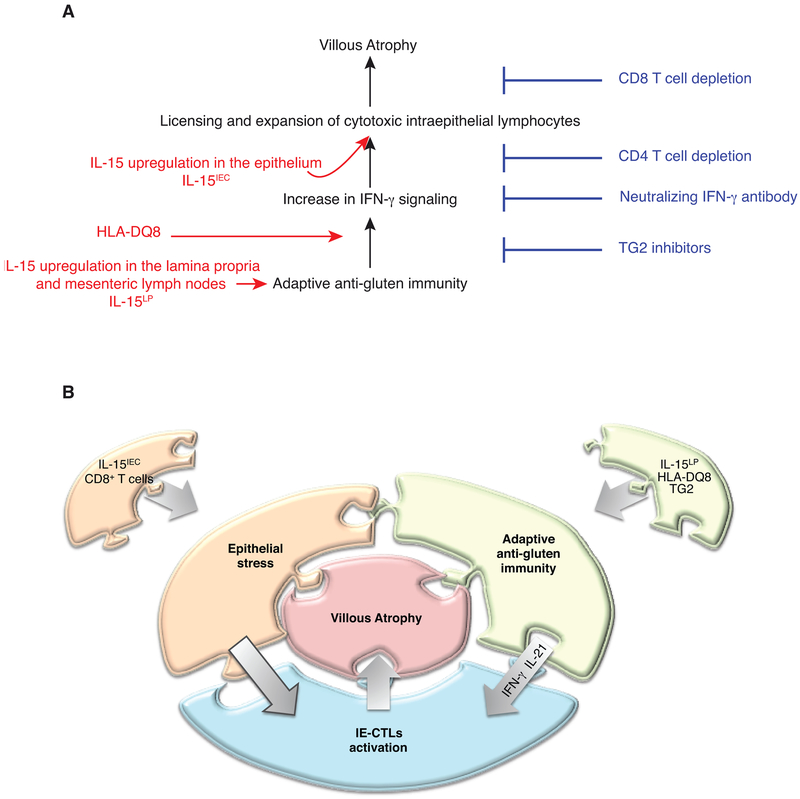
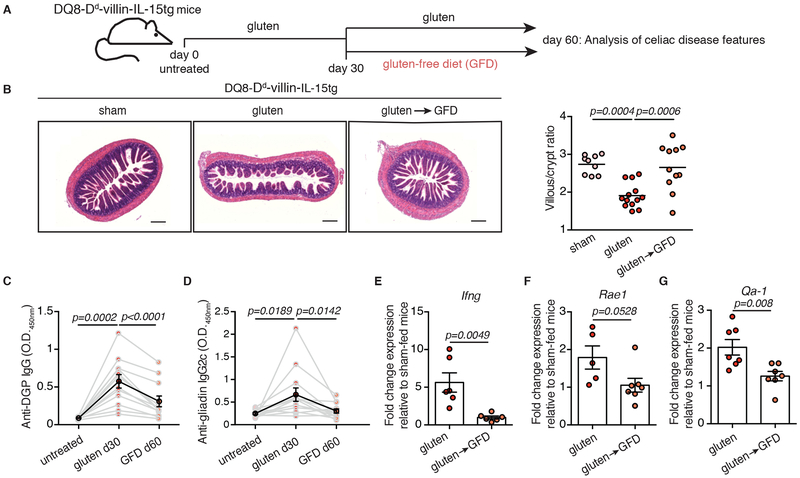
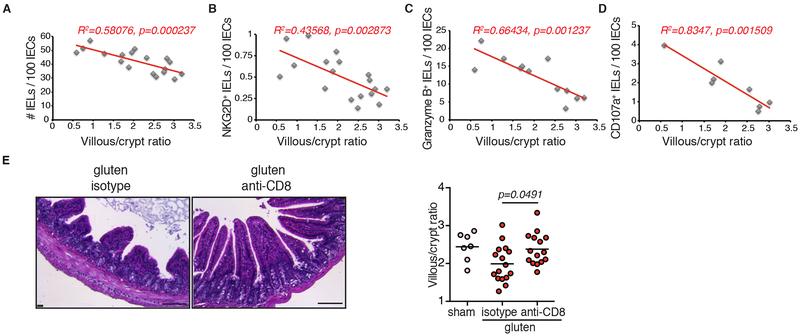
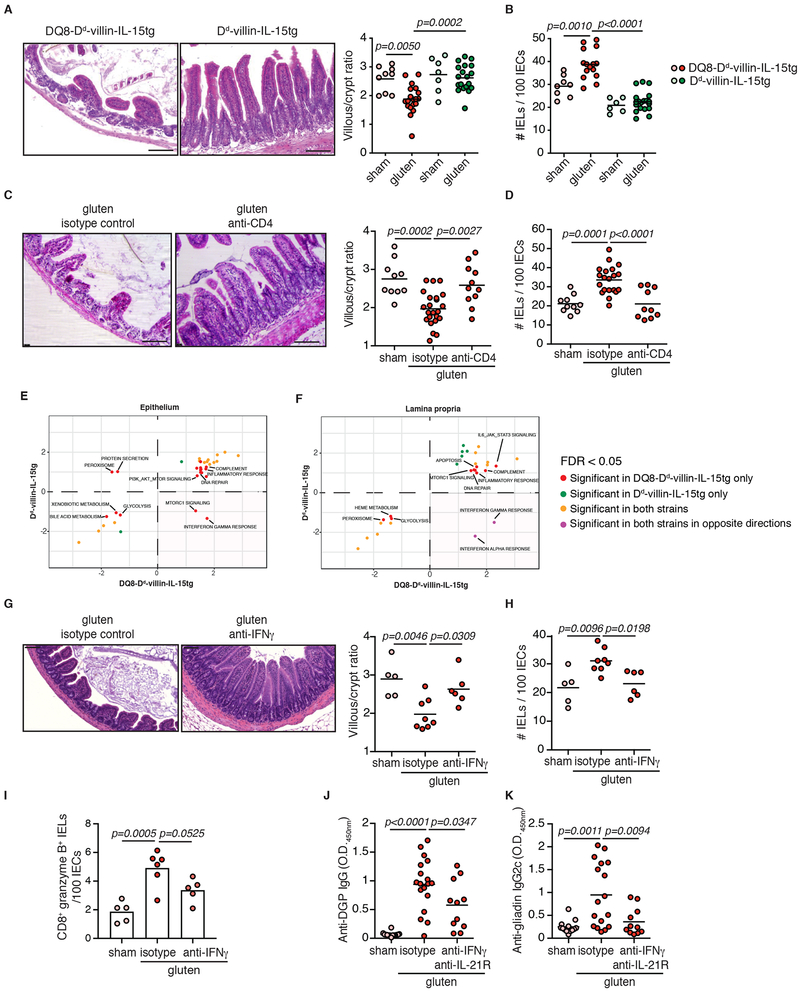
Coeliac disease is a complex, polygenic inflammatory enteropathy caused by exposure to dietary gluten that occurs in a subset of genetically susceptible individuals who express either the HLA-DQ8 or HLA-DQ2 haplotypes. The need to develop non-dietary treatments is now widely recognized, but no pathophysiologically relevant gluten- and HLA-dependent preclinical model exists. Furthermore, although studies in humans have led to major advances in our understanding of the pathogenesis of coeliac disease, the respective roles of disease-predisposing HLA molecules, and of adaptive and innate immunity in the development of tissue damage, have not been directly demonstrated. Here we describe a mouse model that reproduces the overexpression of interleukin-15 (IL-15) in the gut epithelium and lamina propria that is characteristic of active coeliac disease, expresses the predisposing HLA-DQ8 molecule, and develops villous atrophy after ingestion of gluten. Overexpression of IL-15 in both the epithelium and the lamina propria is required for the development of villous atrophy, which demonstrates the location-dependent central role of IL-15 in the pathogenesis of coeliac disease. In addition, CD4 T cells and HLA-DQ8 have a crucial role in the licensing of cytotoxic T cells to mediate intestinal epithelial cell lysis. We also demonstrate a role for the cytokine interferon-γ (IFNγ) and the enzyme transglutaminase 2 (TG2) in tissue destruction. By reflecting the complex interaction between gluten, genetics and IL-15-driven tissue inflammation, this mouse model provides the opportunity to both increase our understanding of coeliac disease, and develop new therapeutic strategies.
乳糜泻是一种由摄入麸质引起的复杂、多基因炎症性肠病,发生在表达 HLA-DQ8 或 HLA-DQ2 单体型的遗传易感个体亚群中。现在人们广泛认识到需要开发非饮食治疗方法,但目前还没有与生理相关的基于麸质和 HLA 的临床前模型。此外,尽管人类研究已经使我们对乳糜泻发病机制的认识取得了重大进展,但疾病易感 HLA 分子以及适应性和先天免疫在组织损伤发展中的各自作用尚未得到直接证明。在这里,我们描述了一种小鼠模型,该模型可重现活动性乳糜泻特征性的肠道上皮细胞和固有层中白细胞介素 15(IL-15)的过度表达,表达易感性 HLA-DQ8 分子,并在摄入麸质后发展为绒毛萎缩。上皮细胞和固有层中 IL-15 的过度表达是绒毛萎缩发展所必需的,这证明了 IL-15 在乳糜泻发病机制中的位置依赖性核心作用。此外,CD4 T 细胞和 HLA-DQ8 在介导肠上皮细胞裂解的细胞毒性 T 细胞的许可中起着至关重要的作用。我们还证明了细胞因子干扰素-γ(IFNγ)和转谷氨酰胺酶 2(TG2)在组织破坏中的作用。通过反映麸质、遗传学和 IL-15 驱动的组织炎症之间的复杂相互作用,这种小鼠模型为增加对乳糜泻的认识和开发新的治疗策略提供了机会。