Department of Molecular and Cell Biology, University of California Berkeley, Berkeley, CA, USA.
Department of Chemistry, University of California Berkeley, Berkeley, CA, USA.
Nature. 2020 Feb;578(7794):229-236. doi: 10.1038/s41586-020-1978-5. Epub 2020 Feb 12.
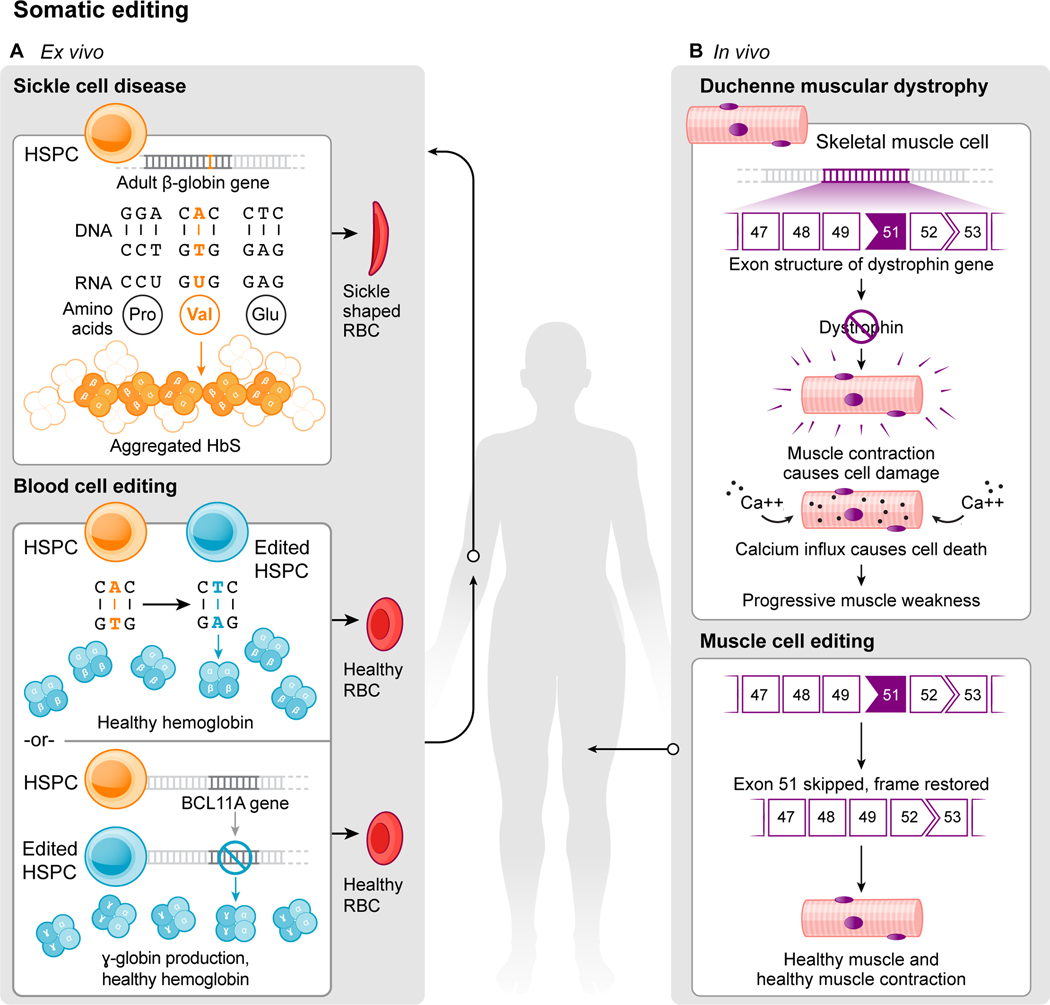
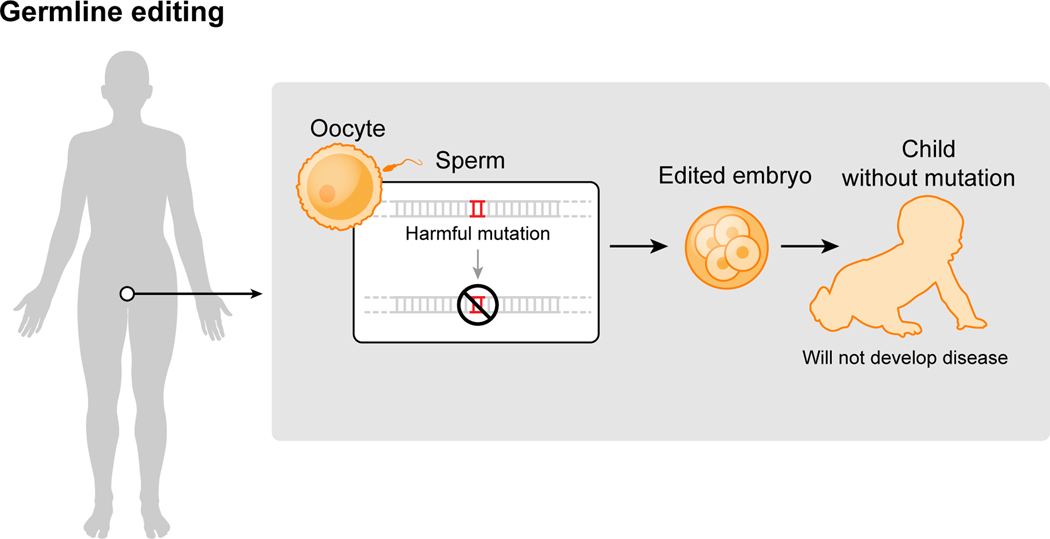
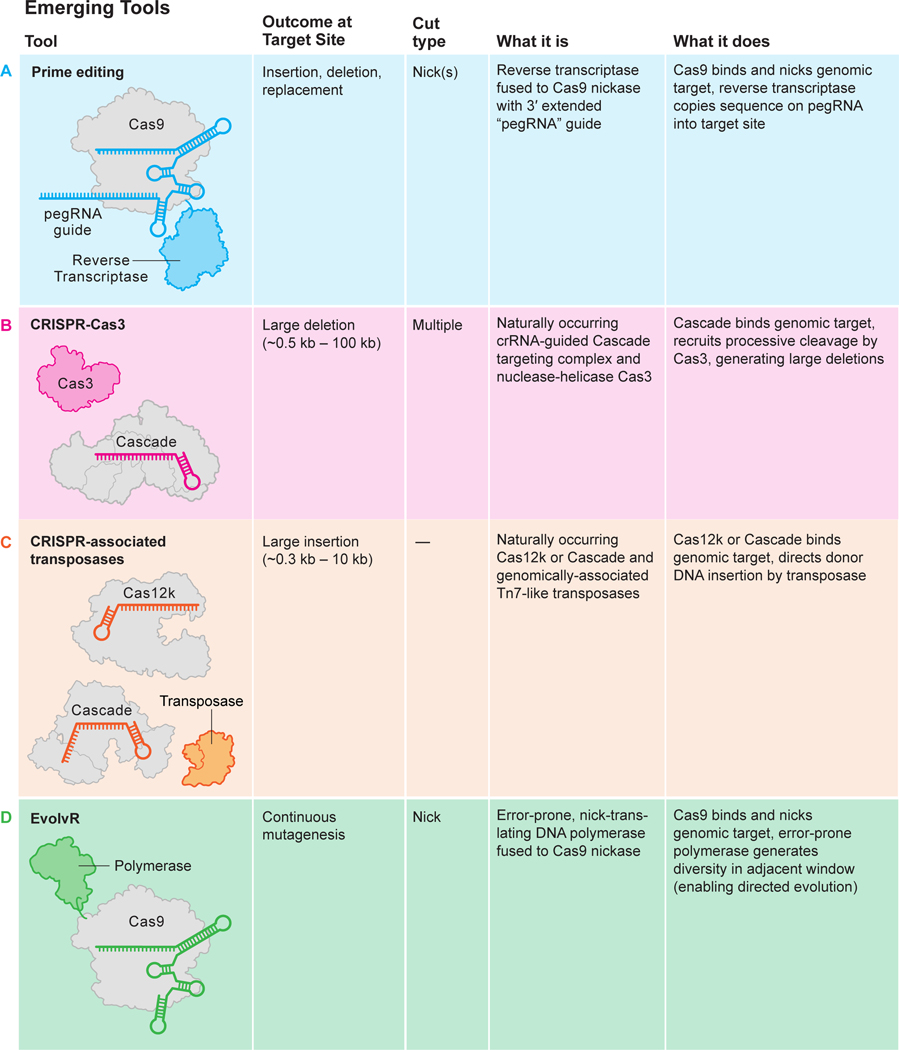
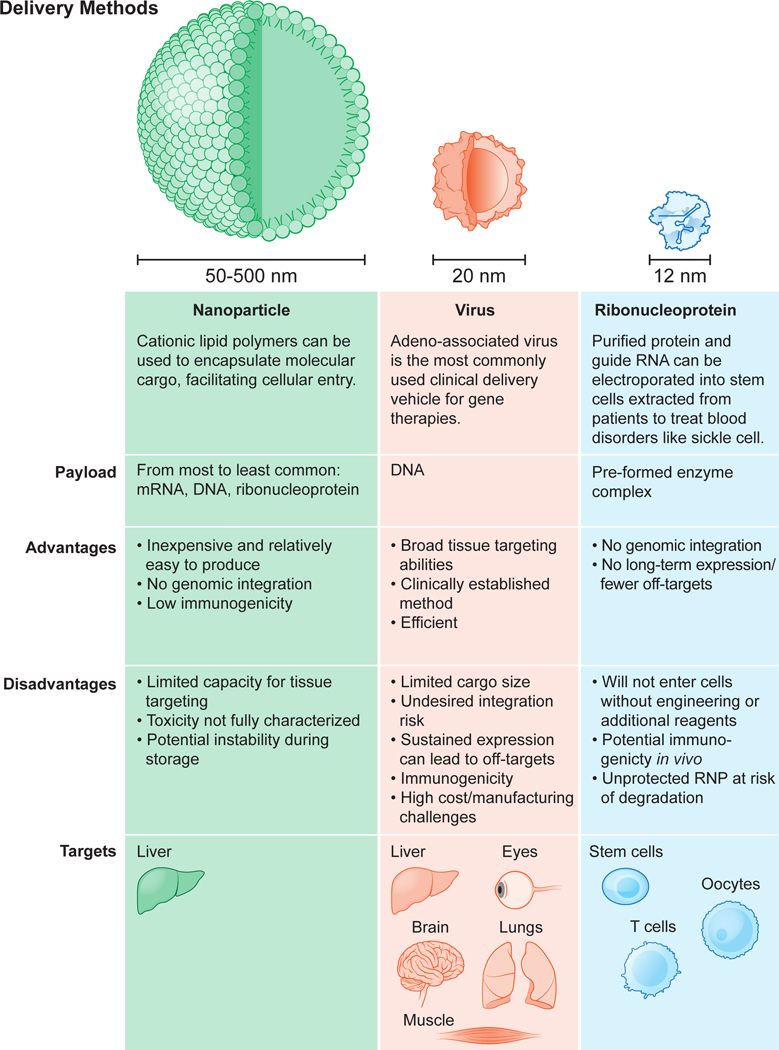
Genome editing, which involves the precise manipulation of cellular DNA sequences to alter cell fates and organism traits, has the potential to both improve our understanding of human genetics and cure genetic disease. Here I discuss the scientific, technical and ethical aspects of using CRISPR (clustered regularly interspaced short palindromic repeats) technology for therapeutic applications in humans, focusing on specific examples that highlight both opportunities and challenges. Genome editing is-or will soon be-in the clinic for several diseases, with more applications under development. The rapid pace of the field demands active efforts to ensure that this breakthrough technology is used responsibly to treat, cure and prevent genetic disease.
基因组编辑涉及对细胞 DNA 序列的精确操作,以改变细胞命运和生物体特征,它有可能提高我们对人类遗传学的理解并治疗遗传疾病。在这里,我讨论了使用 CRISPR(成簇规律间隔短回文重复序列)技术进行人类治疗应用的科学、技术和伦理方面,重点介绍了突出机遇和挑战的具体例子。基因组编辑已经(或将很快)在几种疾病的临床治疗中使用,还有更多的应用正在开发中。该领域的快速发展要求我们积极努力,确保这项突破性技术得到负责任的应用,以治疗、治愈和预防遗传疾病。