Fish Capture Division, Institute of Marine Research (IMR), Bergen, Norway.
Department of Biological Sciences, University of Bergen, Bergen, Norway.
PLoS One. 2020 Feb 13;15(2):e0228454. doi: 10.1371/journal.pone.0228454. eCollection 2020.
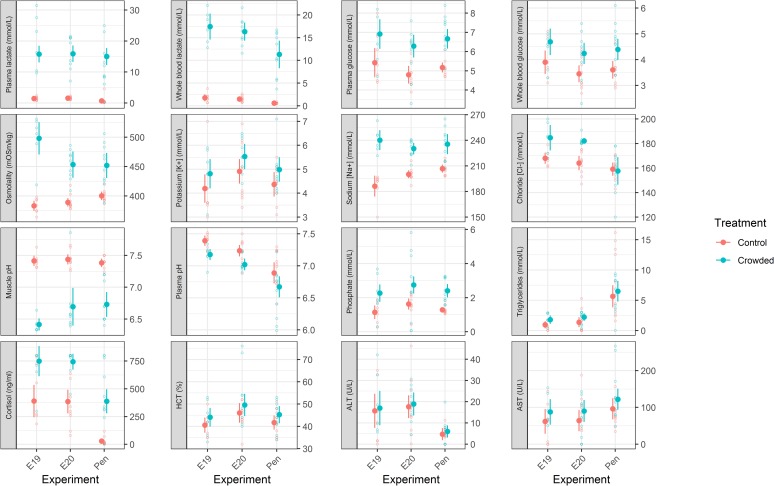
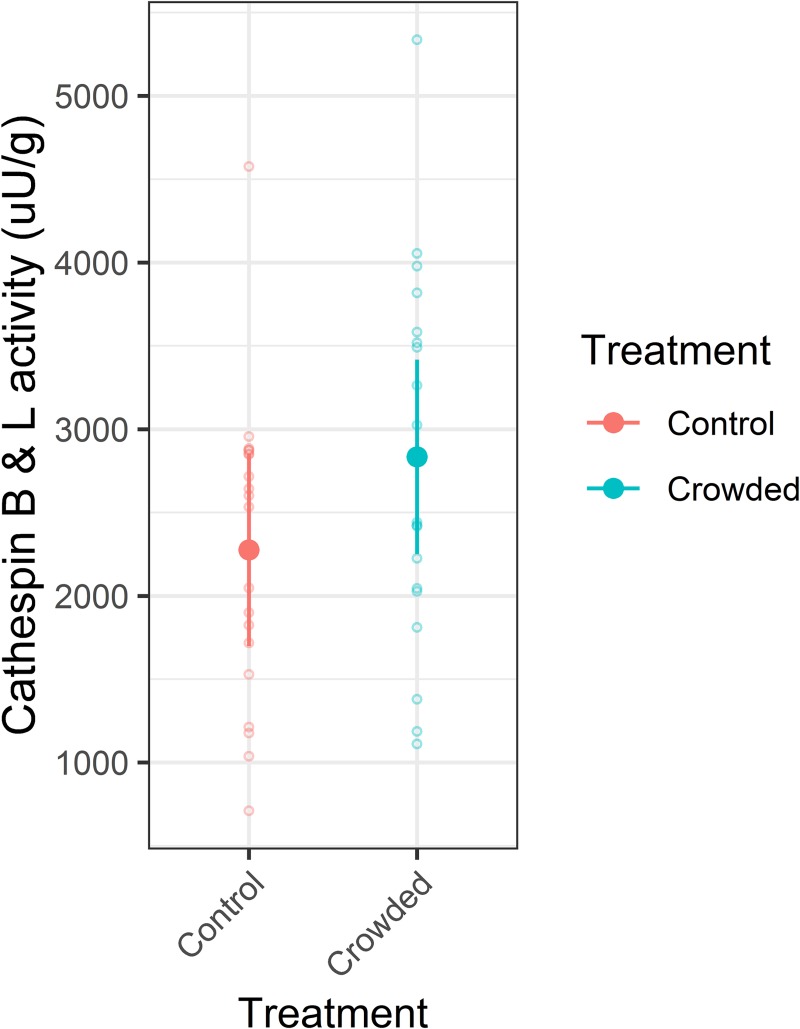
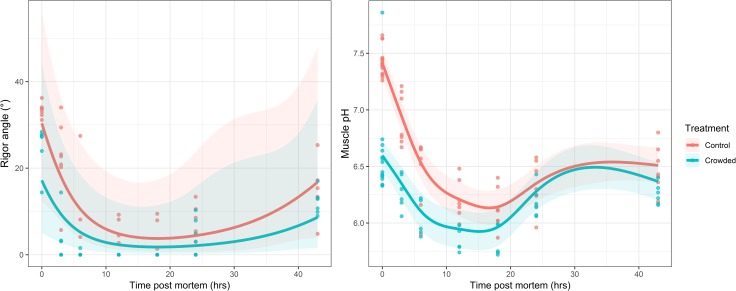
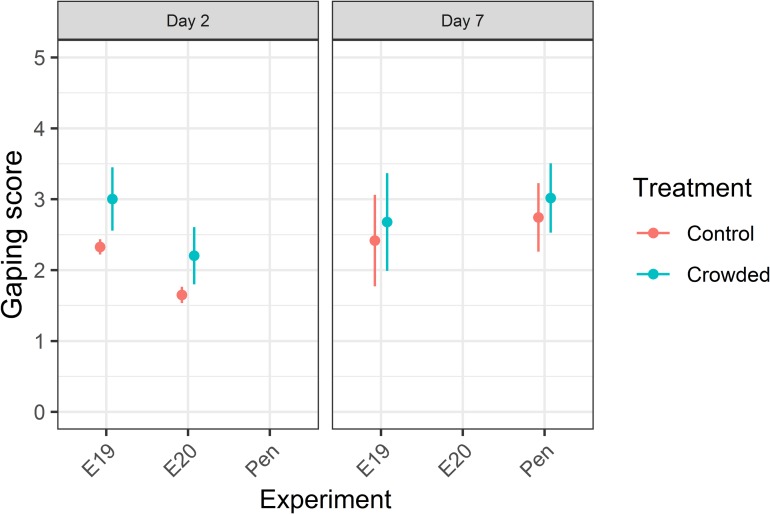
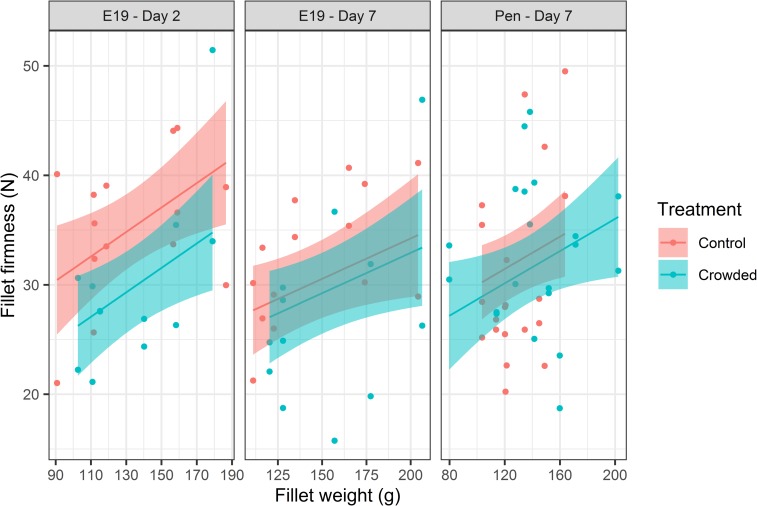
In commercial wild capture pelagic fisheries it is common practice to crowd catches to high densities to allow efficient pumping onboard. Crowding during the final stages of purse seine capture for small pelagic species often results in intense and sustained behavioural escape responses. Such a response may trigger a shift in energy production from aerobic to anaerobic pathways and result in metabolic acid accumulation and exhaustion of intracellular reserves of ATP. Where there is insufficient time or opportunity to recover to physiological equilibrium before death, pre-mortem stress may be an important determinant of fillet quality, as has been shown for a variety of farmed fish species. However, there is currently a lack of knowledge related to the flesh quality implications of capture stress for wild captured species in European waters. Here we show that crowding results in a physiological stress response that has consequences for flesh quality in the wild captured species Atlantic mackerel (Scomber scombrus). Using small schools in tanks and aquaculture net pens in three separate experiments, we found crowding results in physiological changes in mackerel consistent with an acute stress response and anaerobic metabolism. Consequently, we found crowded fish had more acidic pre- and post-mortem muscle pH as well as indications of faster onset and strength of rigor mortis and increased cathepsin B & L activity. We examined fillet flesh quality after two and seven days of ice storage and found reduced green colouration, increased gaping (separation of muscle myotomes) and reduced textural firmness associated with fish which had been crowded. However, the effects on quality were dependant on experiment and/or storage time. These results indicate the potential of crowding capture stress to influence the flesh quality of an economically important species and may have important implications for the wild capture pelagic fishing industry.
在商业性远洋捕捞渔业中,通常将渔获物密集捕捞至高密度,以实现高效的船上泵送。在使用围网捕捞小型中上层鱼类的最后阶段,密集捕捞通常会导致强烈而持续的行为逃避反应。这种反应可能会引发能量产生从有氧途径向无氧途径的转变,并导致代谢性酸中毒和细胞内 ATP 储备的耗尽。如果在死亡前没有足够的时间或机会恢复到生理平衡,那么生前应激可能是影响鱼片质量的一个重要决定因素,这已在多种养殖鱼类中得到证实。然而,目前对于欧洲水域野生捕获物种的捕获应激对肉质的影响知之甚少。在这里,我们表明密集捕捞会导致生理应激反应,从而对野生捕获的大西洋马鲛(Scomber scombrus)的肉质产生影响。通过在三个独立的实验中使用小的水槽和水产养殖网箱中的鱼群,我们发现密集捕捞会导致马鲛的生理变化,这与急性应激反应和无氧代谢一致。因此,我们发现拥挤的鱼在死后的肌肉 pH 值更低,并且表明尸僵的发生和强度更快,以及组织蛋白酶 B 和 L 的活性增加。我们在冰藏两天和七天后检查了鱼片的肉质,发现绿色变色减少、裂肉(肌肉肌节分离)增加以及与拥挤有关的肌肉质地变弱。然而,这些质量变化取决于实验和/或储存时间。这些结果表明,密集捕捞的应激可能会影响一种具有经济重要性的物种的肉质,并可能对远洋捕捞渔业产生重要影响。