Schlaak Rachel A, SenthilKumar Gopika, Boerma Marjan, Bergom Carmen
Department of Pharmacology & Toxicology, Medical College of Wisconsin, Milwaukee, WI 53226, USA.
Medical Scientist Training Program, Medical College of Wisconsin, Milwaukee, WI 53226, USA.
Cancers (Basel). 2020 Feb 11;12(2):415. doi: 10.3390/cancers12020415.
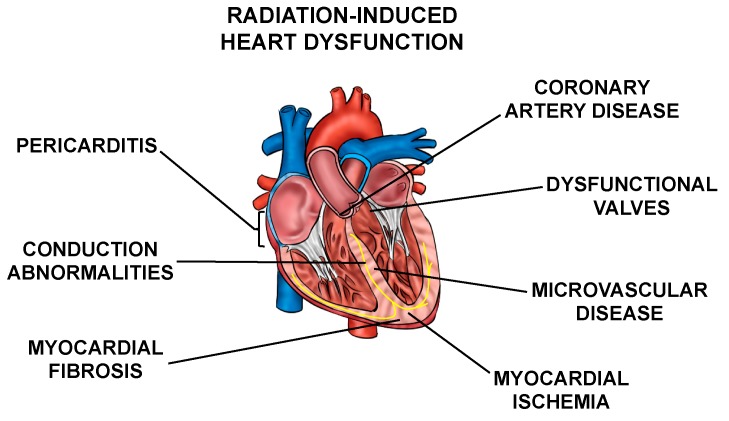
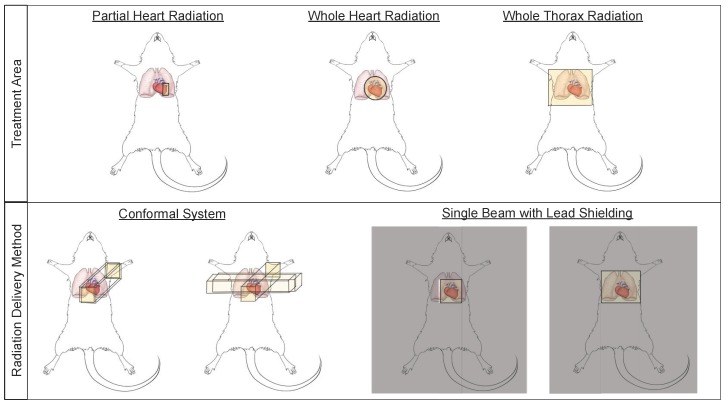
Radiation therapy (RT) is an important component of cancer therapy, with >50% of cancer patients receiving RT. As the number of cancer survivors increases, the short- and long-term side effects of cancer therapy are of growing concern. Side effects of RT for thoracic tumors, notably cardiac and pulmonary toxicities, can cause morbidity and mortality in long-term cancer survivors. An understanding of the biological pathways and mechanisms involved in normal tissue toxicity from RT will improve future cancer treatments by reducing the risk of long-term side effects. Many of these mechanistic studies are performed in animal models of radiation exposure. In this area of research, the use of small animal image-guided RT with treatment planning systems that allow more accurate dose determination has the potential to revolutionize knowledge of clinically relevant tumor and normal tissue radiobiology. However, there are still a number of challenges to overcome to optimize such radiation delivery, including dose verification and calibration, determination of doses received by adjacent normal tissues that can affect outcomes, and motion management and identifying variation in doses due to animal heterogeneity. In addition, recent studies have begun to determine how animal strain and sex affect normal tissue radiation injuries. This review article discusses the known and potential benefits and caveats of newer technologies and methods used for small animal radiation delivery, as well as how the choice of animal models, including variables such as species, strain, and age, can alter the severity of cardiac radiation toxicities and impact their clinical relevance.
放射治疗(RT)是癌症治疗的重要组成部分,超过50%的癌症患者接受过放射治疗。随着癌症幸存者数量的增加,癌症治疗的短期和长期副作用日益受到关注。胸部肿瘤放射治疗的副作用,尤其是心脏和肺部毒性,可导致长期癌症幸存者发病和死亡。了解放射治疗引起正常组织毒性的生物学途径和机制,将通过降低长期副作用的风险来改善未来的癌症治疗。许多这些机制研究是在辐射暴露的动物模型中进行的。在这一研究领域,使用带有治疗计划系统的小动物图像引导放射治疗,该系统允许更准确地确定剂量,有可能彻底改变对临床相关肿瘤和正常组织放射生物学的认识。然而,要优化这种放射治疗仍有许多挑战需要克服,包括剂量验证和校准、确定可能影响治疗结果的相邻正常组织所接受的剂量、运动管理以及识别由于动物异质性导致的剂量变化。此外,最近的研究已开始确定动物品系和性别如何影响正常组织的放射性损伤。这篇综述文章讨论了用于小动物放射治疗的新技术和方法的已知和潜在益处及注意事项,以及动物模型的选择,包括物种、品系和年龄等变量,如何改变心脏放射性毒性的严重程度及其临床相关性。