Iga Carayon, Paweł Szarlej, Marcin Łapiński, Justyna Kucińska-Lipka
Department of Polymers Technology, Faculty of Chemistry, Gdansk University of Technology (GUT), Narutowicza Street 11/12, 80233 Gdansk, Poland.
Department of Solid State Physics, Faculty of Applied Physics and Mathematics, Gdansk University of Technology (GUT), Narutowicza Street 11/12, 80233 Gdansk, Poland.
Polymers (Basel). 2020 Feb 11;12(2):410. doi: 10.3390/polym12020410.
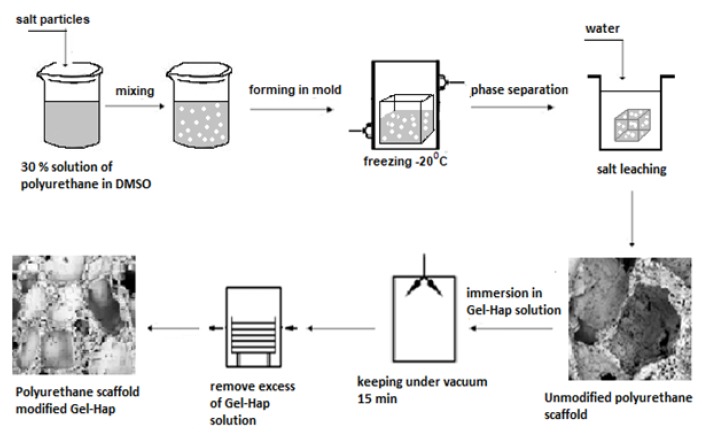
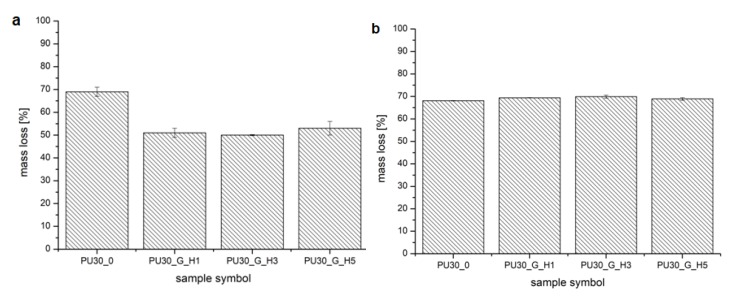
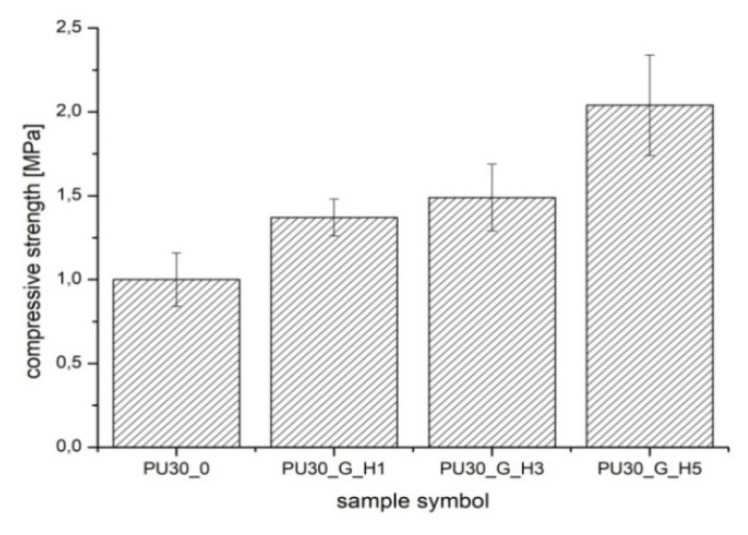
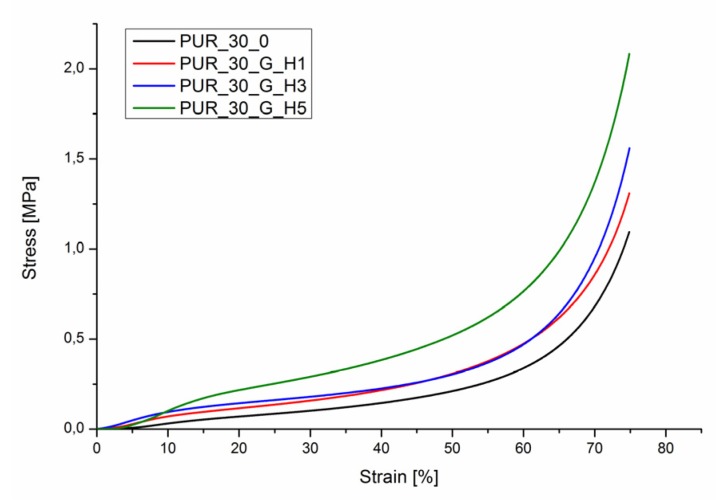
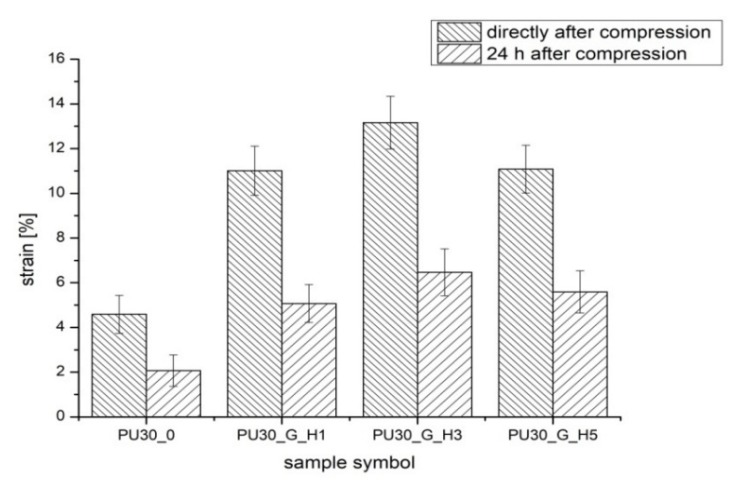
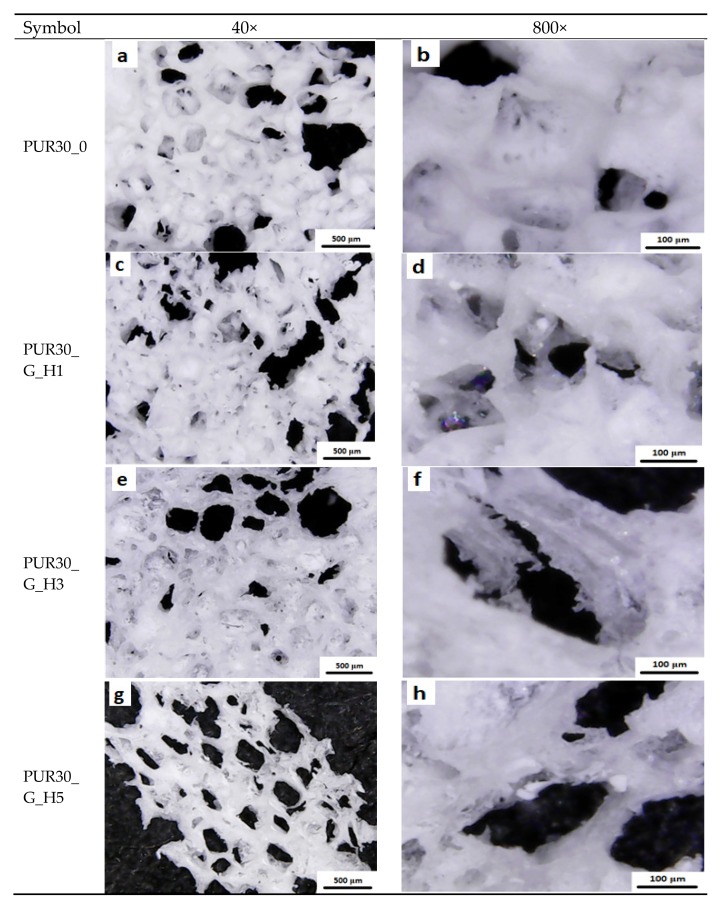
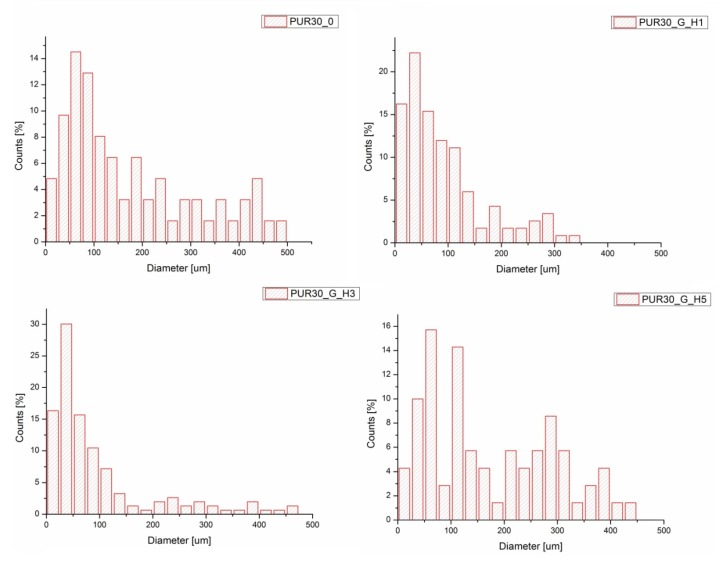
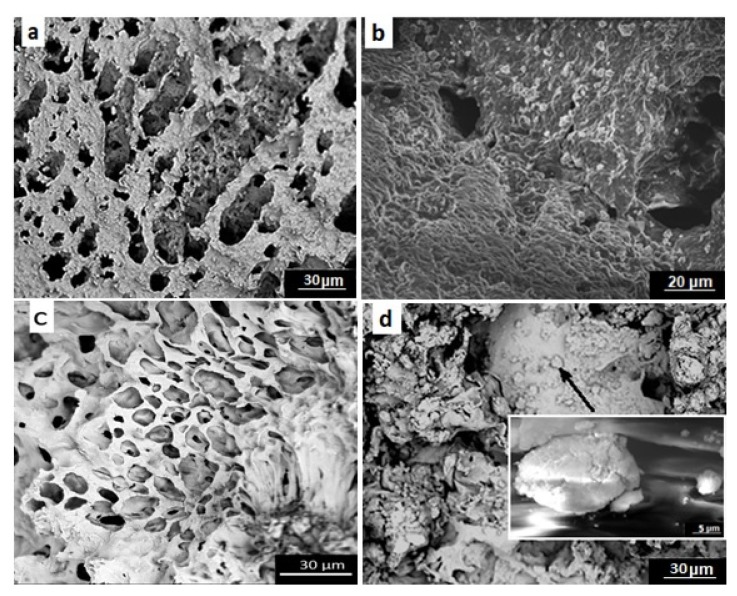
The skeleton is a crucial element of the motion system in the human body, whose main function is to support and protect the soft tissues. Furthermore, the elements of the skeleton act as a storage place for minerals and participate in the production of red blood cells. The bone tissue includes the craniomaxillofacial bones, ribs, and spine. There are abundant reports in the literature indicating that the amount of treatments related to bone fractures increases year by year. Nowadays, the regeneration of the bone tissue is performed by using autografts or allografts, but this treatment method possesses a few disadvantages. Therefore, new and promising methods of bone tissue regeneration are constantly being sought. They often include the implantation of tissue scaffolds, which exhibit proper mechanical and osteoconductive properties. In this paper, the preparation of polyurethane (PUR) scaffolds modified by gelatin as the reinforcing factor and hydroxyapatite as the bioactive agent was described. The unmodified and modified scaffolds were tested for their mechanical properties; morphological assessments using optical microscopy were also conducted, as was the ability for calcification using scanning electron microscopy (SEM) and energy-dispersive X-ray spectroscopy (EDX). Moreover, each type of scaffold was subjected to a degradation process in 5M NaOH and 2M HCl aqueous solutions. It was noticed that the best properties promoting the calcium phosphate deposition were obtained for scaffolds modified with 2% gelatin solution containing 5% of hydroxyapatite.
骨骼是人体运动系统的关键组成部分,其主要功能是支撑和保护软组织。此外,骨骼成分还充当矿物质的储存场所,并参与红细胞的生成。骨组织包括颅颌面骨、肋骨和脊柱。文献中有大量报道表明,与骨折相关的治疗数量逐年增加。如今,骨组织再生通过使用自体移植物或异体移植物来进行,但这种治疗方法存在一些缺点。因此,人们一直在不断寻找新的、有前景的骨组织再生方法。这些方法通常包括植入具有适当机械性能和骨传导性能的组织支架。本文描述了以明胶作为增强因子、羟基磷灰石作为生物活性剂改性的聚氨酯(PUR)支架的制备。对未改性和改性的支架进行了机械性能测试;还使用光学显微镜进行了形态评估,以及使用扫描电子显微镜(SEM)和能量色散X射线光谱仪(EDX)进行钙化能力评估。此外,每种类型的支架都在5M氢氧化钠和2M盐酸水溶液中进行了降解过程。结果发现,用含有5%羟基磷灰石的2%明胶溶液改性的支架具有促进磷酸钙沉积的最佳性能。