Graduate Institute of Biomedical Engineering, Chang Gung University, Taoyuan 333, Taiwan.
Department of Otolaryngology-Head & Neck Surgery, Chang Gung Memorial Hospital, Linkou, Taoyuan 333, Taiwan.
Sensors (Basel). 2020 Feb 11;20(4):971. doi: 10.3390/s20040971.
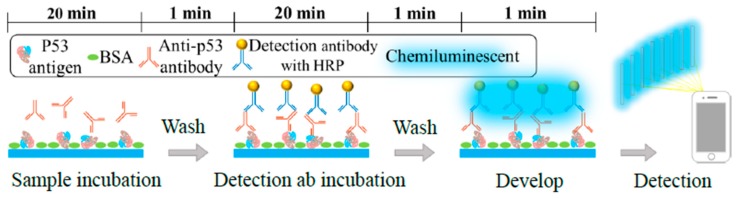
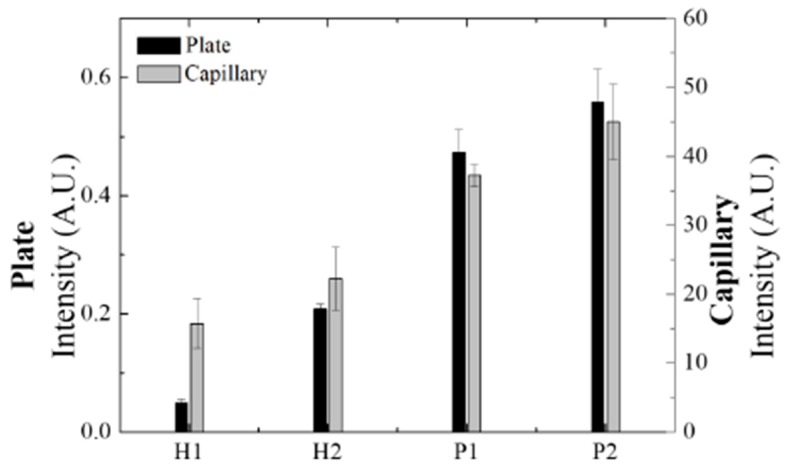
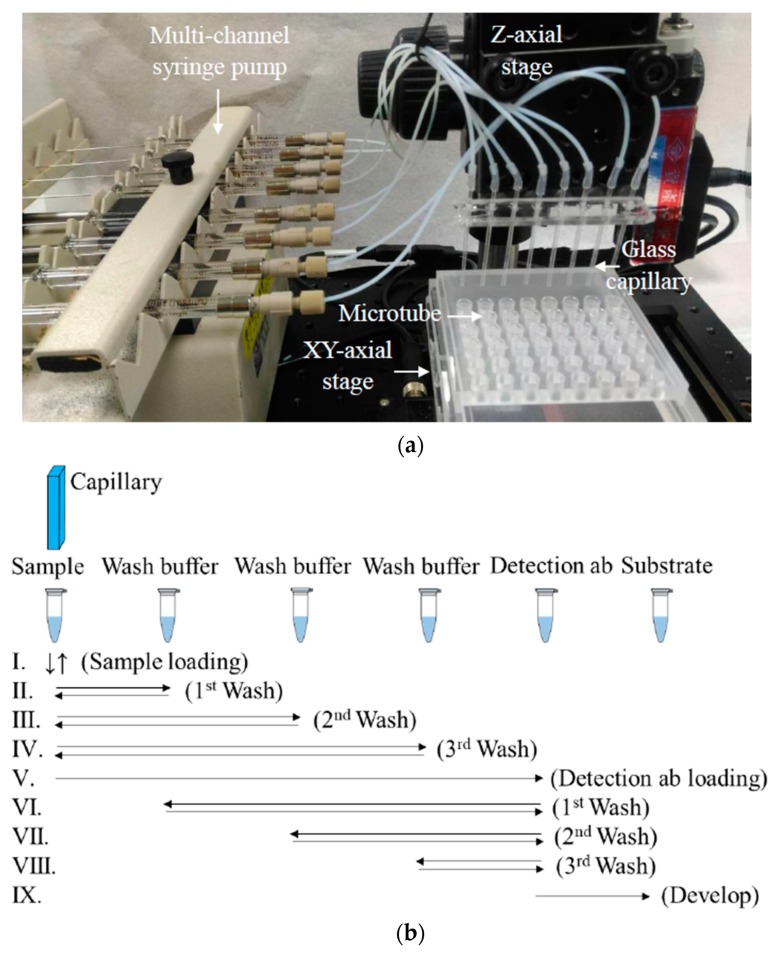
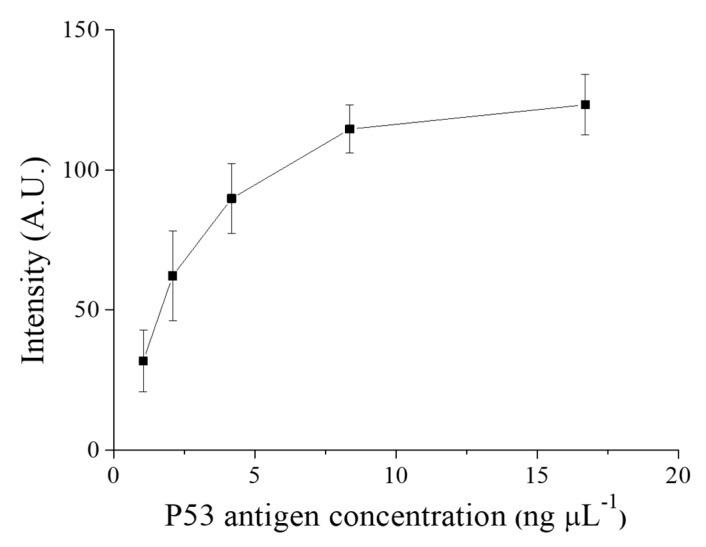
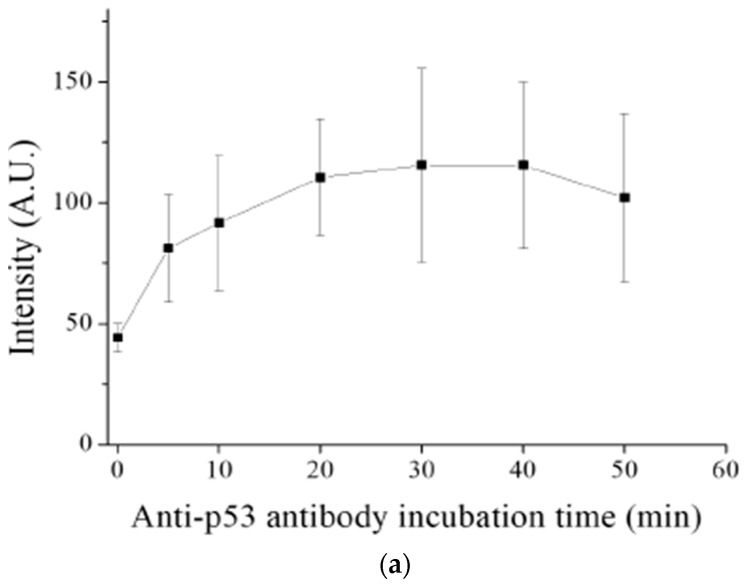
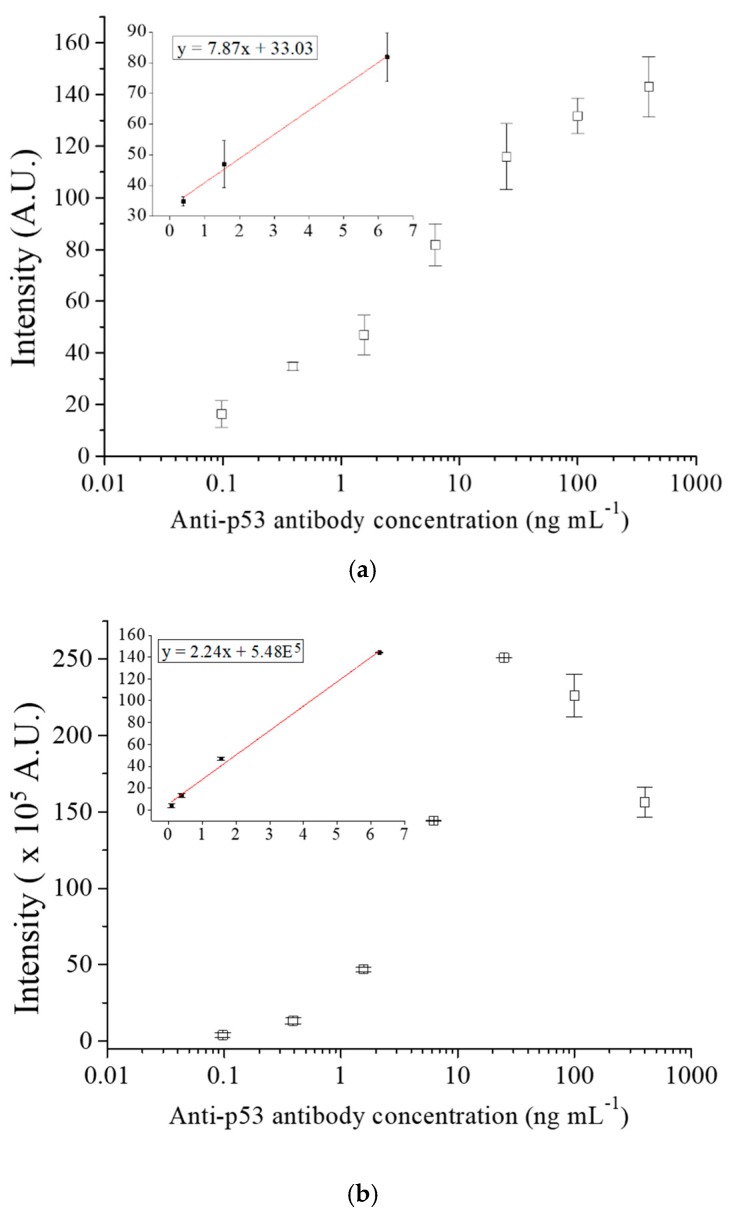
The incidence of oral squamous cell carcinoma (OSCC), which is one of the most common cancers worldwide, has been increasing. Serum anti-p53 autoantibody is one of the most sensitive biomarkers for OSCC. Currently, the most commonly used method on clinical screening platforms is the enzyme-linked immunosorbent assay, owing to its high specificity and repeatability. However, conducting immunoassays on 96-well plates is typically time consuming, thereby limiting its clinical applications for fast diagnosis and immediate prognosis of rapidly progressive diseases. The present study performed immunoassays in glass capillaries of 1-mm internal diameter, which increases the surface to volume ratio of the reaction, to shorten the time needed for immunoassay. The immunoassay was automated while using linear motorized stages and a syringe pump. The results indicated that, when compared with the 96-well plate immunoassay, the glass capillary immunoassay decreased the reaction time from typical 120 min to 45 min, reduced the amount of reagent from typical 50 µL to 15 µL, and required only simple equipment setup. Moreover, the limit of detection for glass capillary anti-p53 autoantibody immunoassay was 0.46 ng mL, which is close to the 0.19 ng mL value of the conventional 96-well plate assay, and the glass capillary method had a broader detection range. The apparatus was used to detect the serum anti-p53 autoantibody concentration in clinical patients and compare its results with the conventional 96-well plate method results, which suggested that both of the methods detect the same trend in the relative concentration of serum anti-p53 autoantibody in healthy individuals or patients with OSCC.
口腔鳞状细胞癌(OSCC)是全球最常见的癌症之一,其发病率一直在上升。血清抗 p53 自身抗体是 OSCC 最敏感的生物标志物之一。目前,临床筛查平台上最常用的方法是酶联免疫吸附试验,因为它具有高特异性和可重复性。然而,在 96 孔板上进行免疫测定通常很耗时,从而限制了其在快速诊断和迅速进展疾病的即时预后方面的临床应用。本研究在 1 毫米内径的玻璃毛细管中进行免疫测定,从而增加了反应的表面积与体积比,以缩短免疫测定所需的时间。免疫测定通过线性电动化台和注射器泵自动进行。结果表明,与 96 孔板免疫测定相比,玻璃毛细管免疫测定将反应时间从典型的 120 分钟缩短至 45 分钟,将试剂用量从典型的 50 µL 减少至 15 µL,并且仅需要简单的设备设置。此外,玻璃毛细管抗 p53 自身抗体免疫测定的检测限为 0.46ng mL,接近传统 96 孔板测定的 0.19ng mL 值,并且玻璃毛细管方法具有更宽的检测范围。该仪器用于检测临床患者的血清抗 p53 自身抗体浓度,并将其结果与传统的 96 孔板方法的结果进行比较,这表明两种方法均能检测到健康个体或 OSCC 患者血清抗 p53 自身抗体相对浓度的相同趋势。