Department of Health Science, University of Florence, 50134 Florence, Italy.
Institute for Cancer Research, Prevention and Clinical Network (ISPRO), 50139 Florence, Italy.
Int J Environ Res Public Health. 2020 Feb 12;17(4):1149. doi: 10.3390/ijerph17041149.
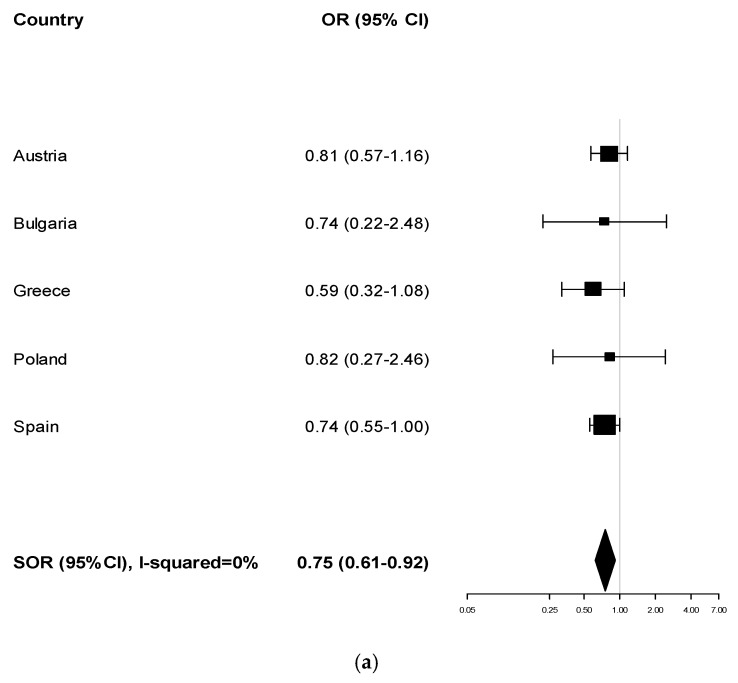
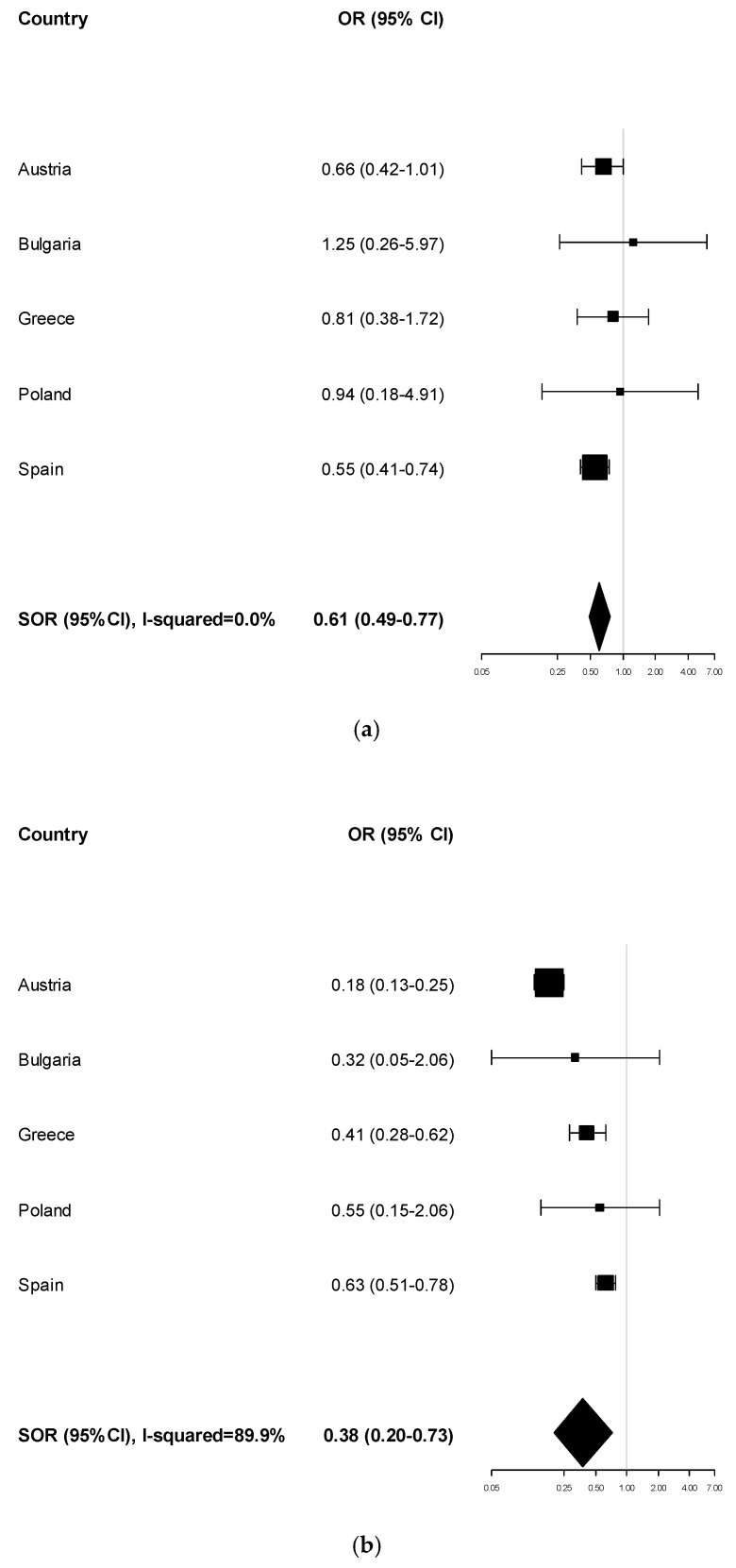
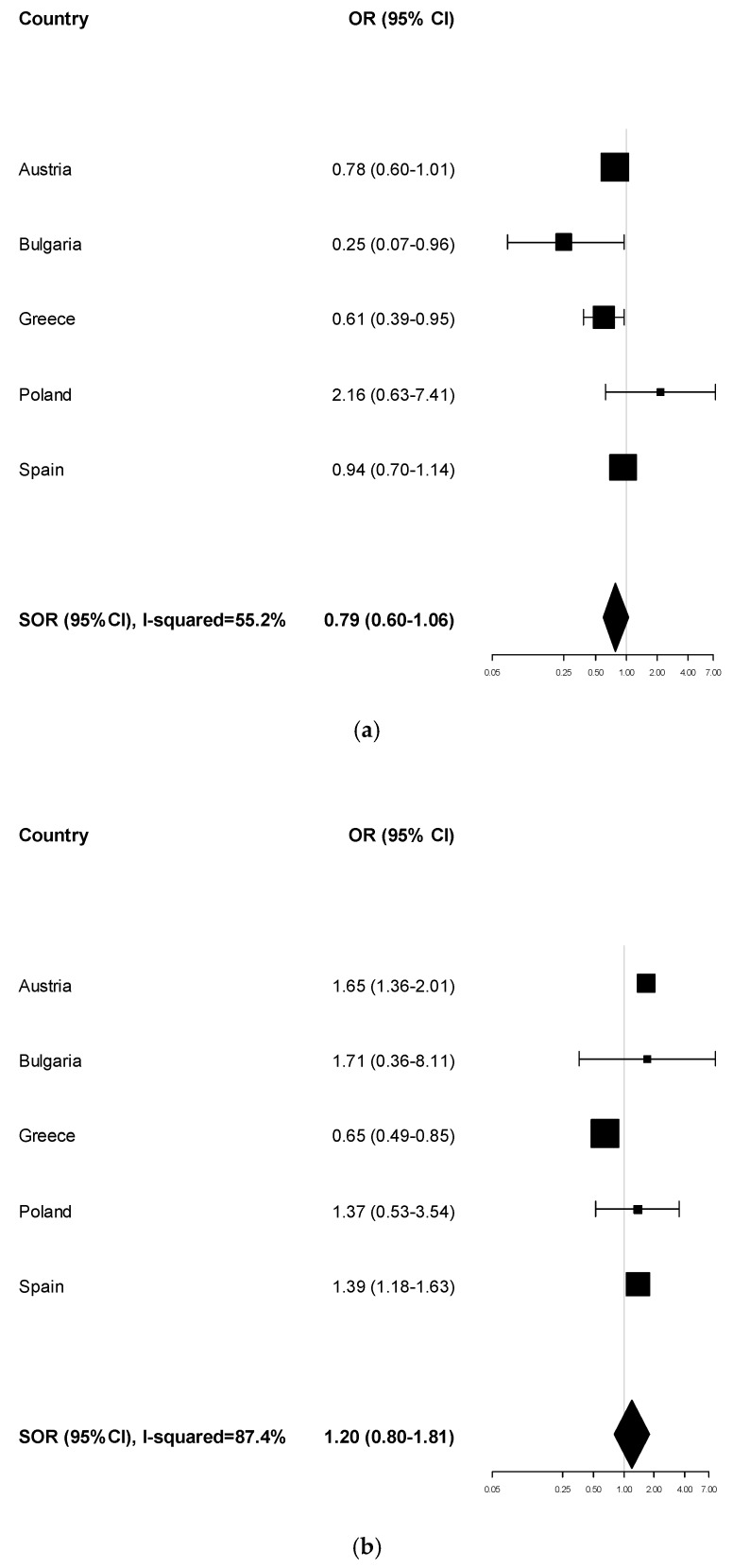
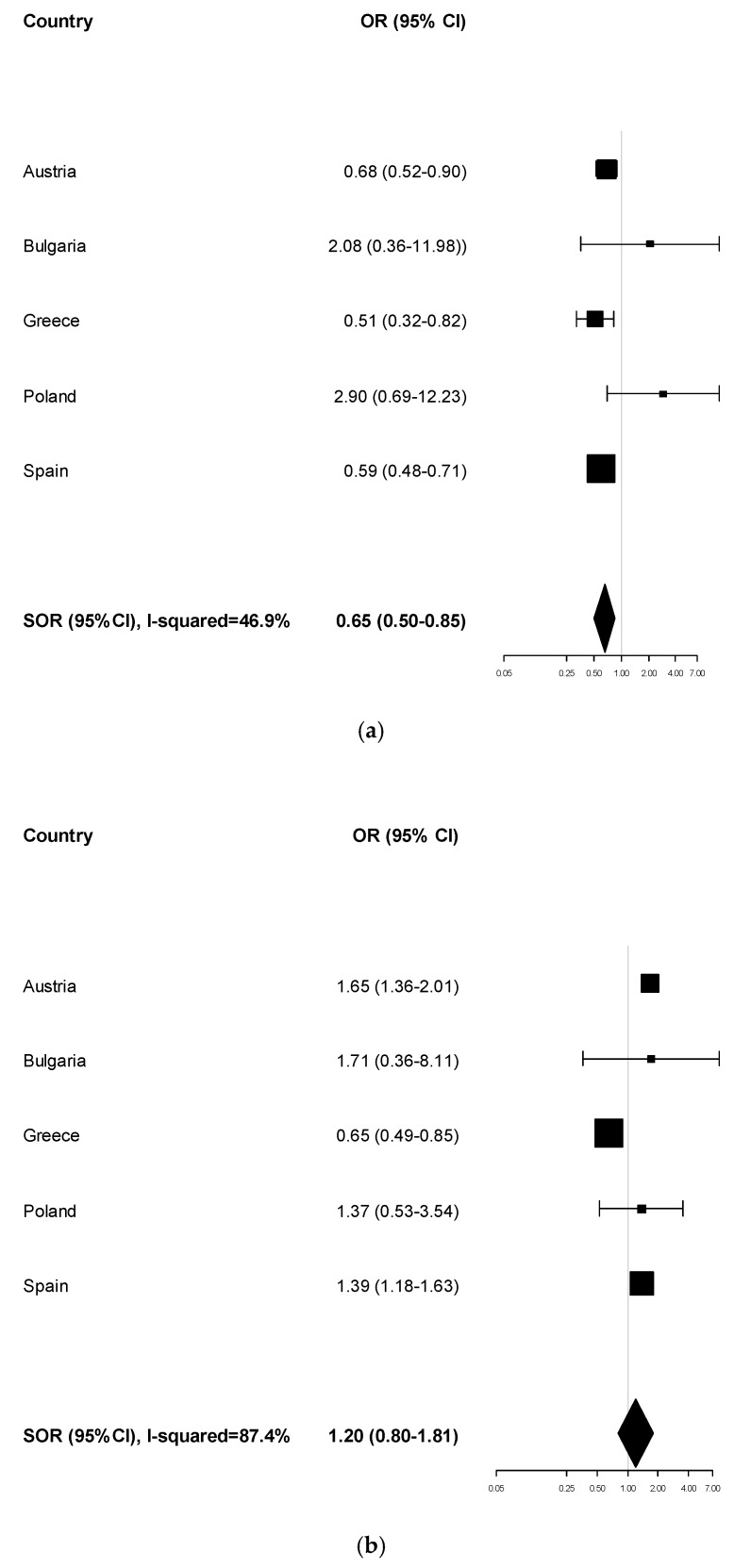
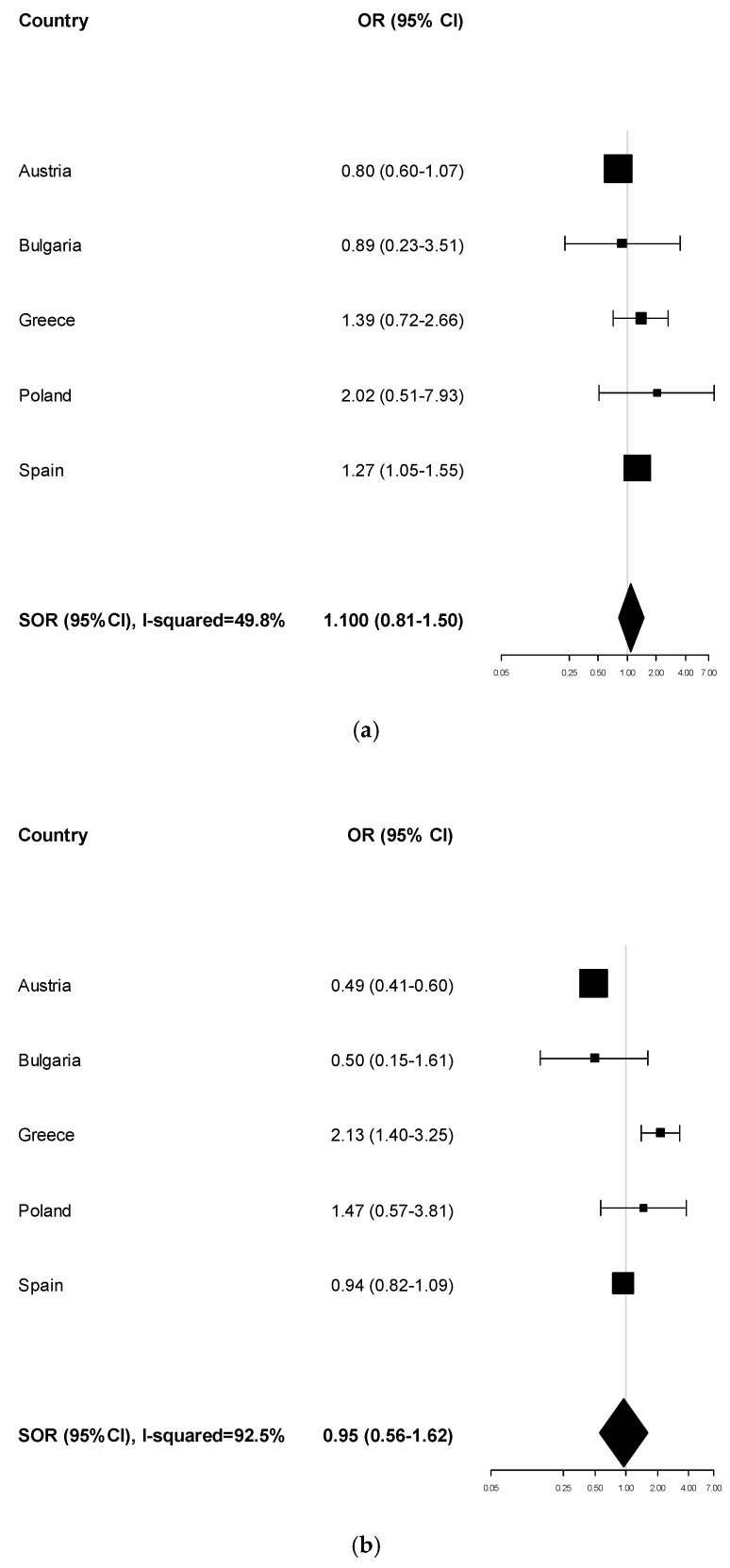
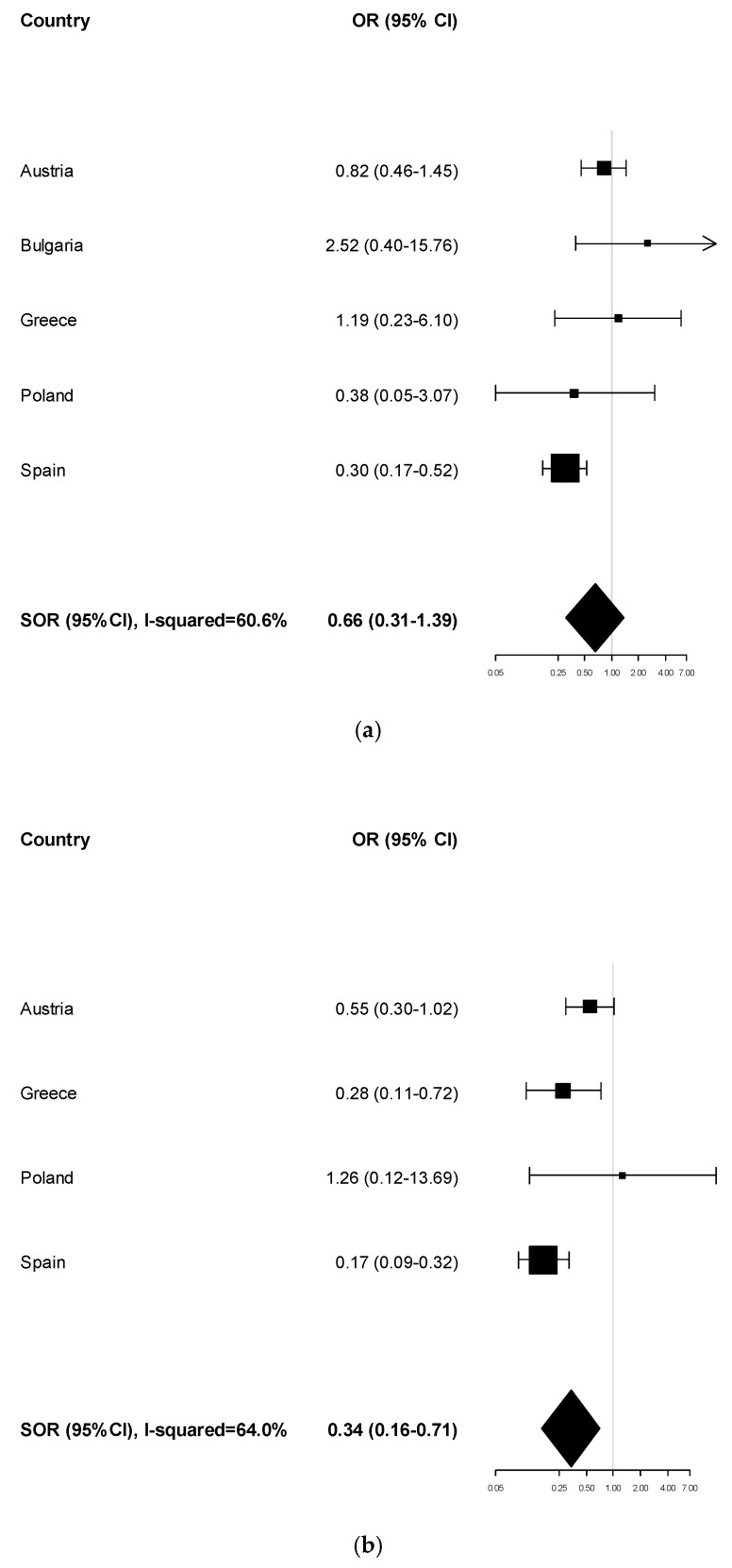
Health literacy (HL) is an individual ability as well as a distributed resource available within an individual's social network. We performed an explorative study assessing the role of HL as the country-level ecological variable in predicting the health disparities among immigrants. Country-level HL data were obtained from the publicly available first European Health Literacy Survey reports. Individual-level data on citizenship, perceived health status, body mass index, smoking habits, physical activity and attendance at breast and cervical cancer screening were extracted from the European Health Interview Survey of Eurostat. Data from both sources were obtained for Austria, Bulgaria, Greece, Poland and Spain. The country-specific odds ratio (OR) for the association between the participants' citizenship and other individual health-relevant characteristics was pooled into summary OR using random-effects models. Meta-regression was used to explore whether the HL of a country could explain part of the between-countries heterogeneity. Results: For the perceived health status, nutritional status and attendance at cervical cancer screening, the lower was the country-level HL (as ecological variable), the higher were the health inequalities relating to citizenship. The results of our exploratory research suggest that improving the population HL may help mitigate health inequalities between residents and migrants.
健康素养(HL)既是个体能力,也是个体社交网络中可利用的分布式资源。我们进行了一项探索性研究,评估 HL 作为国家层面的生态变量在预测移民健康差距方面的作用。国家层面的 HL 数据来自公开的首次欧洲健康素养调查报告。个人层面的数据包括公民身份、感知健康状况、体重指数、吸烟习惯、身体活动以及参加乳腺癌和宫颈癌筛查,均从欧盟统计局的欧洲健康访谈调查中提取。从奥地利、保加利亚、希腊、波兰和西班牙获得了这两个来源的数据。使用随机效应模型将参与者的公民身份与其他与个人健康相关的特征之间的关联的国家特定比值比 (OR) 汇总到汇总 OR 中。使用元回归来探索一个国家的 HL 是否可以解释国家之间异质性的一部分。结果:对于感知健康状况、营养状况和宫颈癌筛查的参与情况,国家层面的 HL(作为生态变量)越低,与公民身份相关的健康不平等程度越高。我们的探索性研究结果表明,提高人口 HL 可能有助于减轻居民和移民之间的健康不平等。