Key Laboratory of Cell Differentiation and Apoptosis of Chinese Minister of Education, Shanghai Jiao Tong University School of Medicine, Shanghai, China.
Shanghai Key Laboratory for Tumor Microenvironment and Inflammation, Shanghai Jiao Tong University School of Medicine, Shanghai, China.
Oncogene. 2020 Apr;39(15):3179-3194. doi: 10.1038/s41388-020-1207-6. Epub 2020 Feb 14.
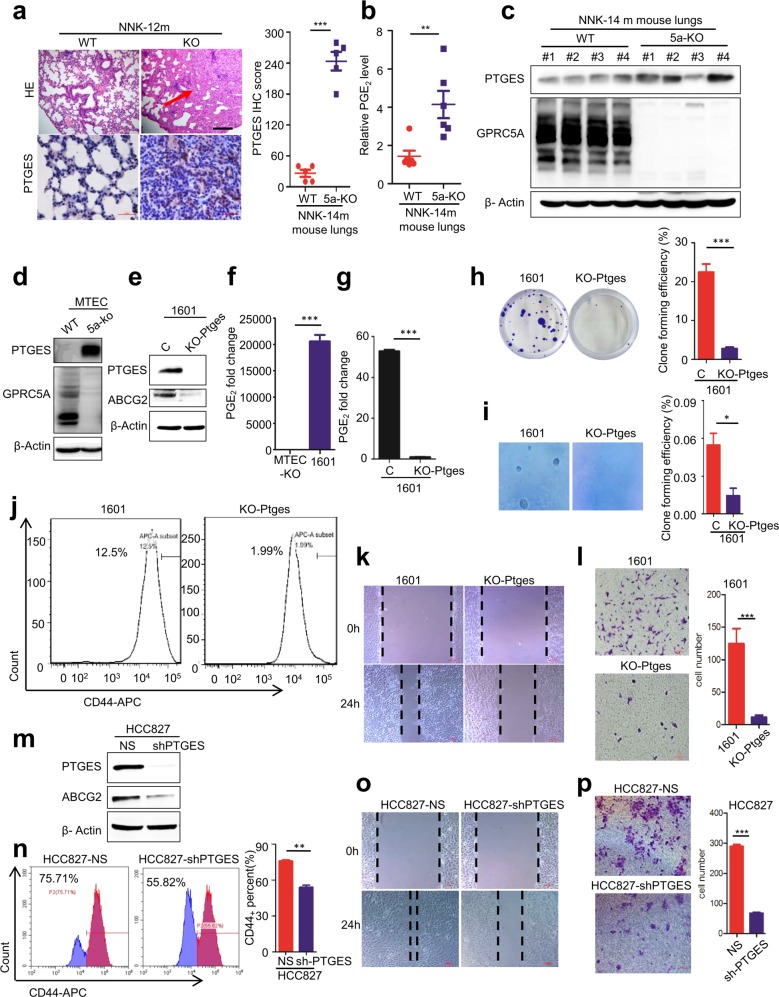
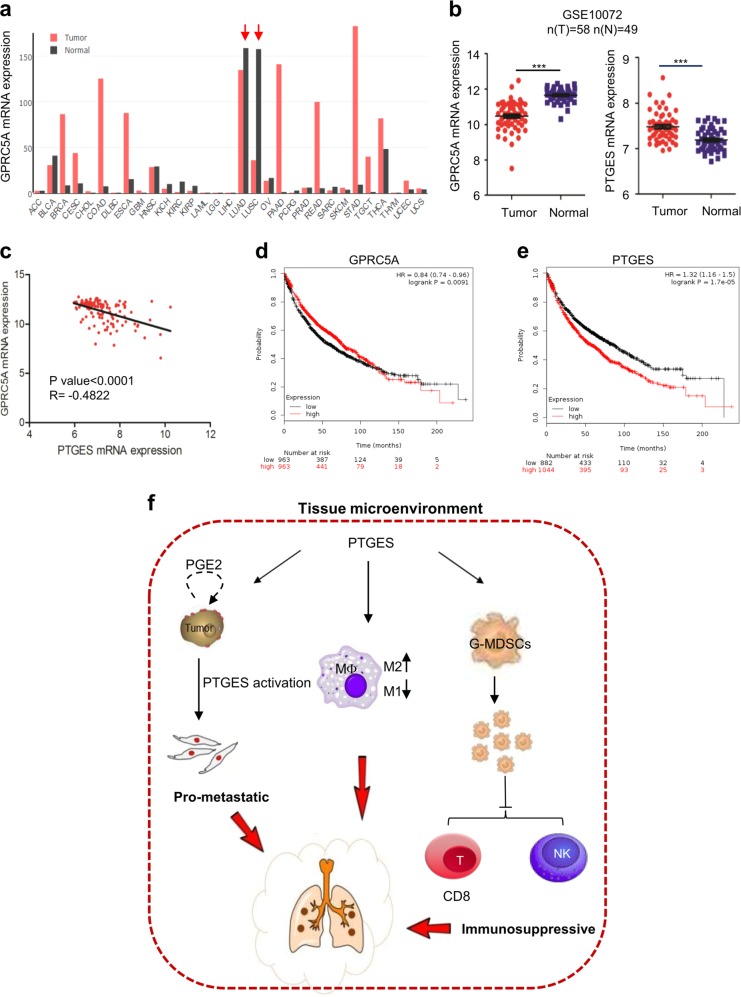
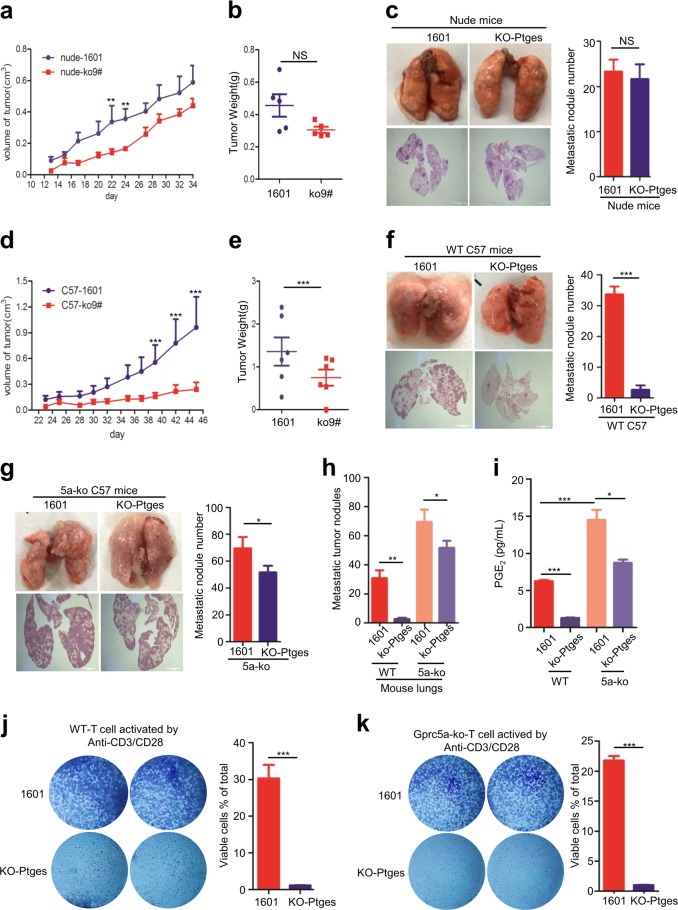
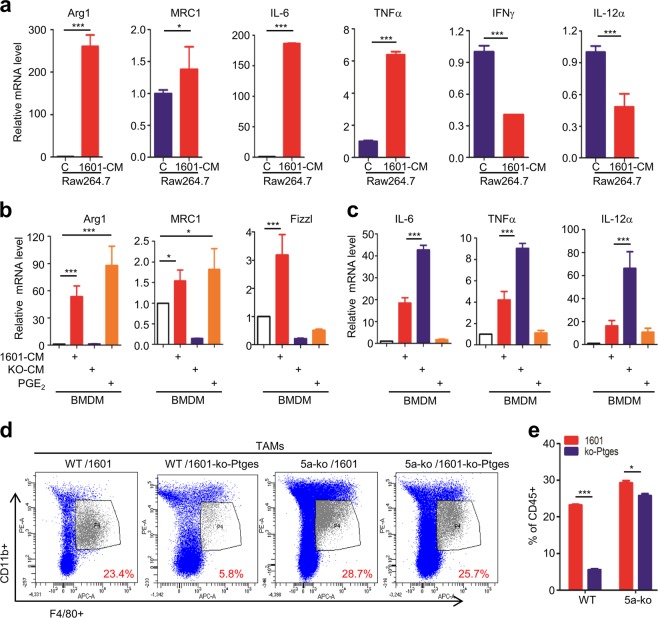
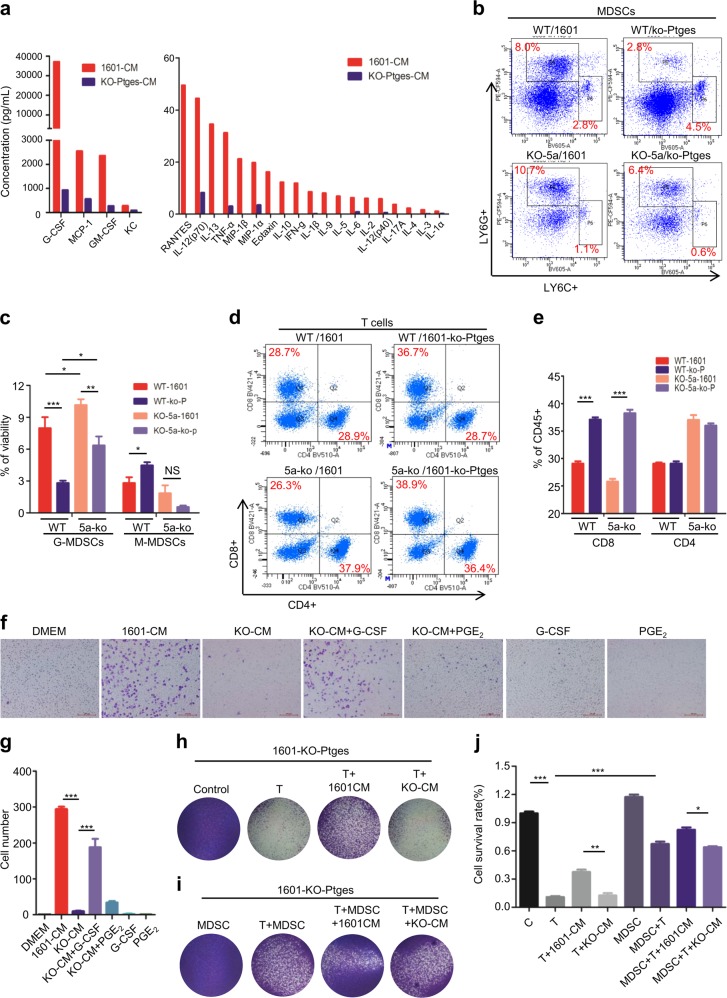
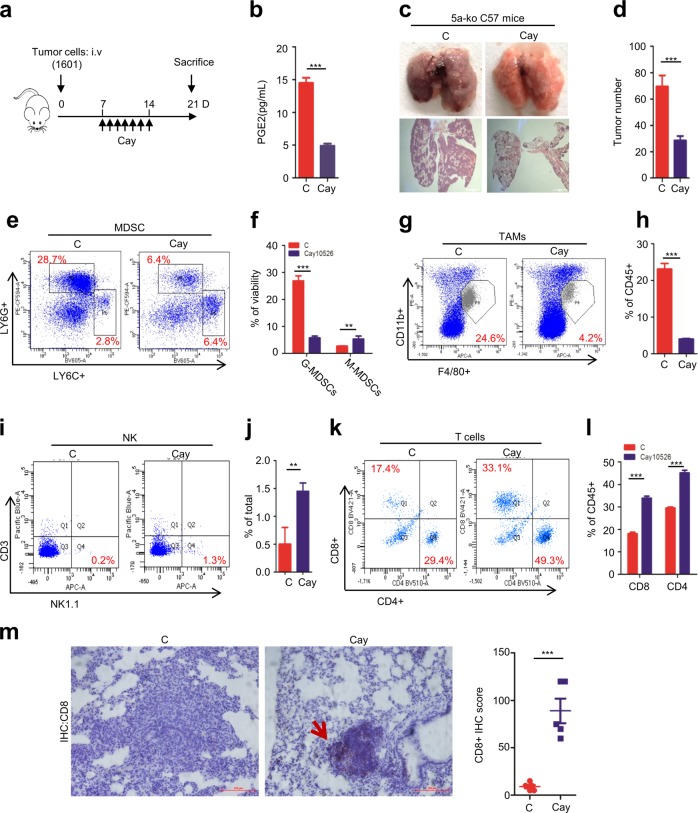
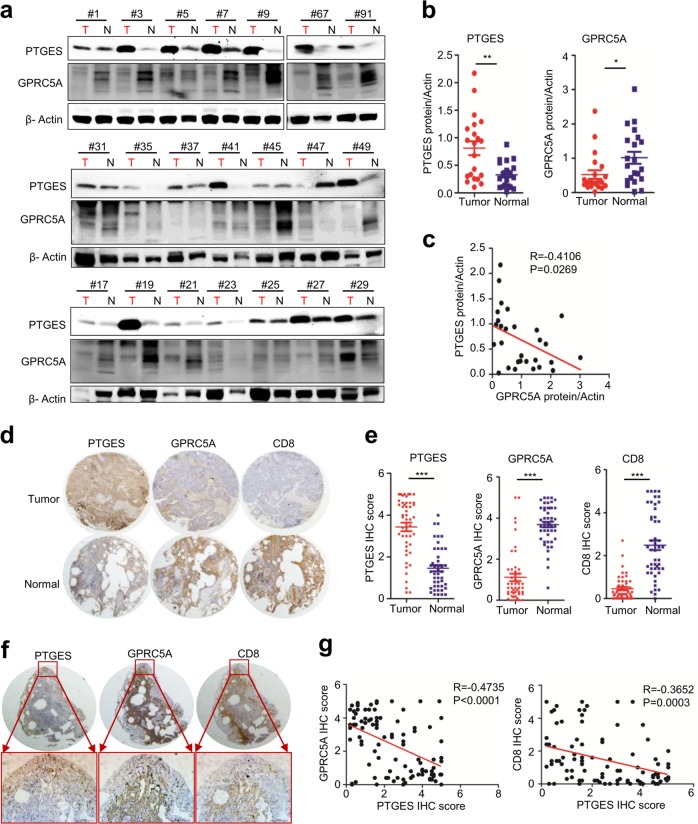
Chronic inflammation has been linked to promotion of tumorigenesis and metastasis in lung. However, due to lack of a relevant animal model for characterization, the underlying mechanism remains elusive. Lung tumor suppressor gene Gprc5a-knockout (ko) mice are susceptible to lung inflammation, tumorigenesis and metastasis, which resembles the pathological features in human patients. Here, we showed that PTGES/PGE signaling was highly associated with lung tumorigenesis and metastasis in Gprc5a-ko mice. Interestingly, Ptges-knockout in mouse lung tumor cells, although reduced their stemness and EMT-like features, still formed tumors and lung metastasis in immune-deficient nude mice, but not in immune-competent mice. This suggests that the major role of PTGES/PGE signaling in tumorigenicity and lung metastasis is through immunosuppression. Mechanistically, PTGES/PGE signaling intrinsically endows tumor cells resistant to T-cell cytotoxicity, and induces cytokines extrinsically for MDSC recruitment, which is crucial for suppression of T-cell immunity. Importantly, targeting PGE signaling in Gprc5a-ko mice by PTGES inhibitor suppressed MDSC recruitment, restored T cells, and significantly repressed lung metastasis. Thus, PTGES/PGE signaling links immunosuppression and metastasis in an inflammatory lung microenvironment of Gprc5a-ko mouse model.
慢性炎症与肺癌的肿瘤发生和转移的促进有关。然而,由于缺乏相关的动物模型来进行特征描述,其潜在机制仍不清楚。肺肿瘤抑制基因 Gprc5a 敲除(ko)小鼠易发生肺炎症、肿瘤发生和转移,这与人类患者的病理特征相似。在这里,我们表明 PTGES/PGE 信号与 Gprc5a-ko 小鼠的肺肿瘤发生和转移高度相关。有趣的是,Ptges 在小鼠肺肿瘤细胞中的敲除,尽管降低了它们的干性和 EMT 样特征,但仍然在免疫缺陷的裸鼠中形成肿瘤和肺转移,而在免疫功能正常的小鼠中则不会。这表明 PTGES/PGE 信号在肿瘤发生和肺转移中的主要作用是通过免疫抑制。从机制上讲,PTGES/PGE 信号内在地赋予肿瘤细胞对 T 细胞细胞毒性的抗性,并诱导细胞外因子招募 MDSC,这对于抑制 T 细胞免疫至关重要。重要的是,PTGES 抑制剂在 Gprc5a-ko 小鼠中靶向 PGE 信号抑制 MDSC 募集,恢复 T 细胞,并显著抑制肺转移。因此,PTGES/PGE 信号在 Gprc5a-ko 小鼠模型的炎症性肺微环境中连接免疫抑制和转移。