Engineering Research Center of Bio-process, Ministry of Education, Hefei University of Technology, Hefei, China.
School of Food and Bioengineering, Hefei University of Technology, Hefei, China.
Transl Psychiatry. 2020 Jan 22;10(1):25. doi: 10.1038/s41398-020-0719-8.
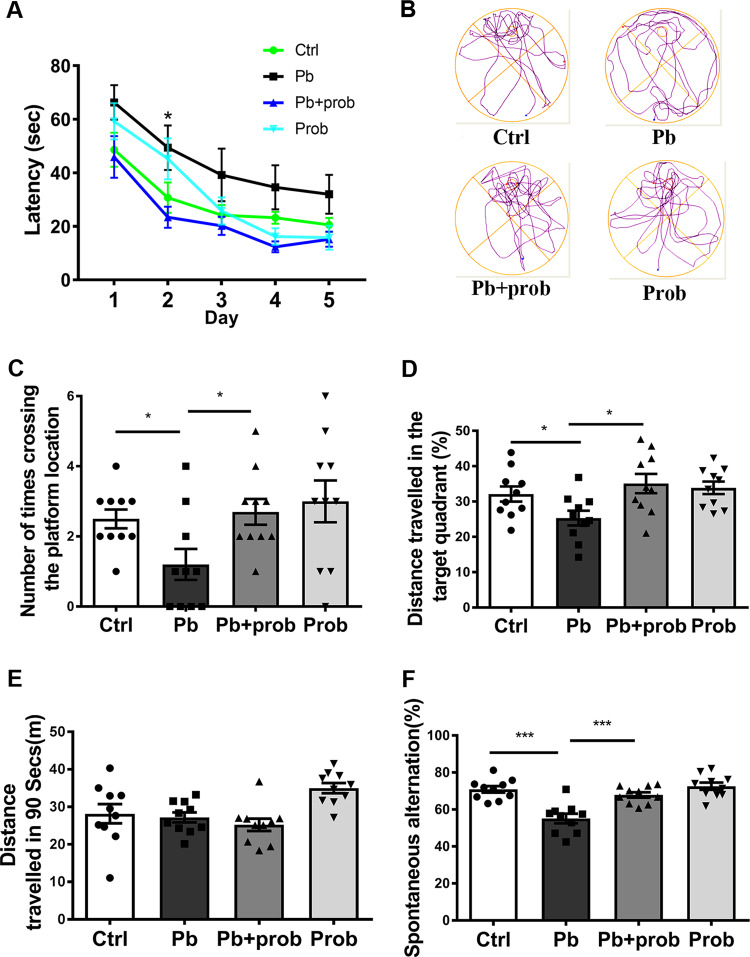
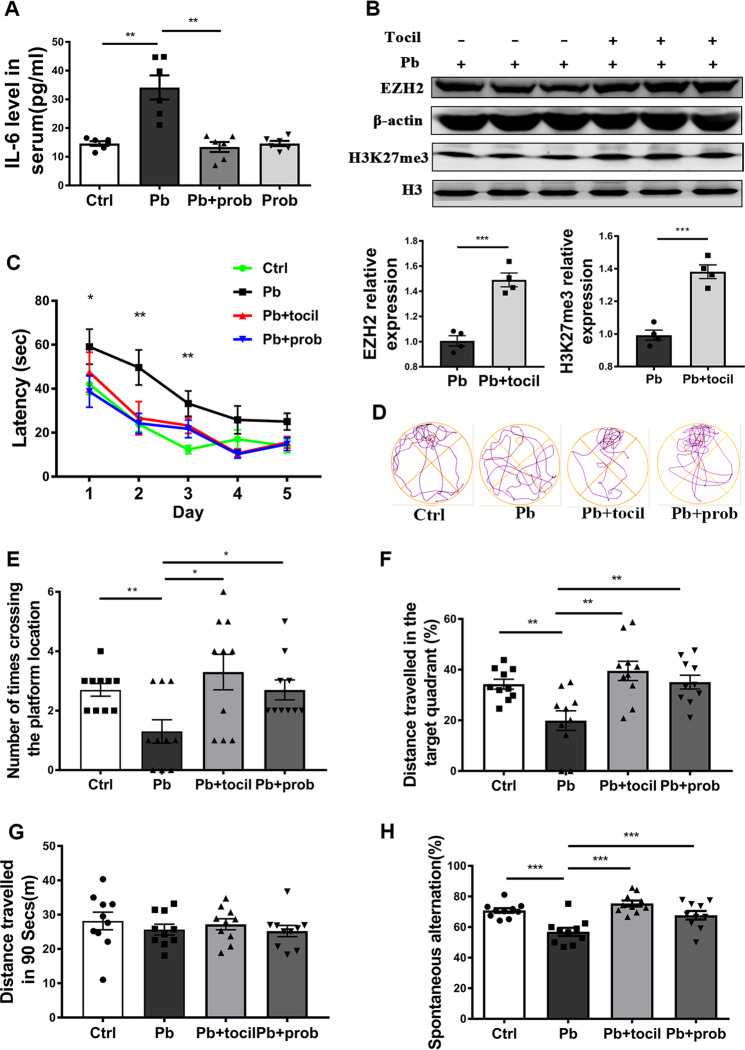
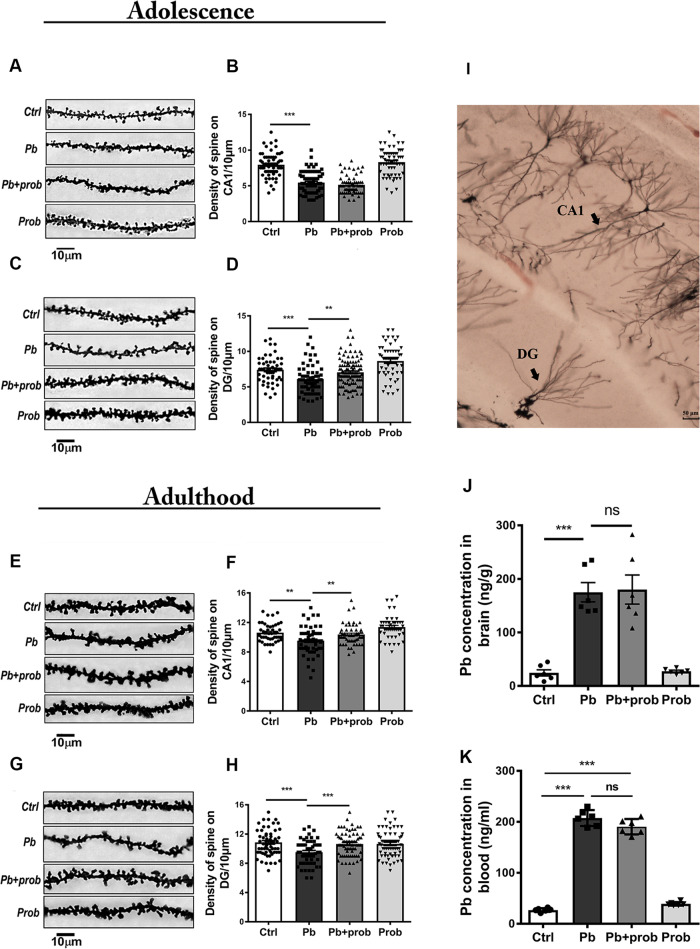
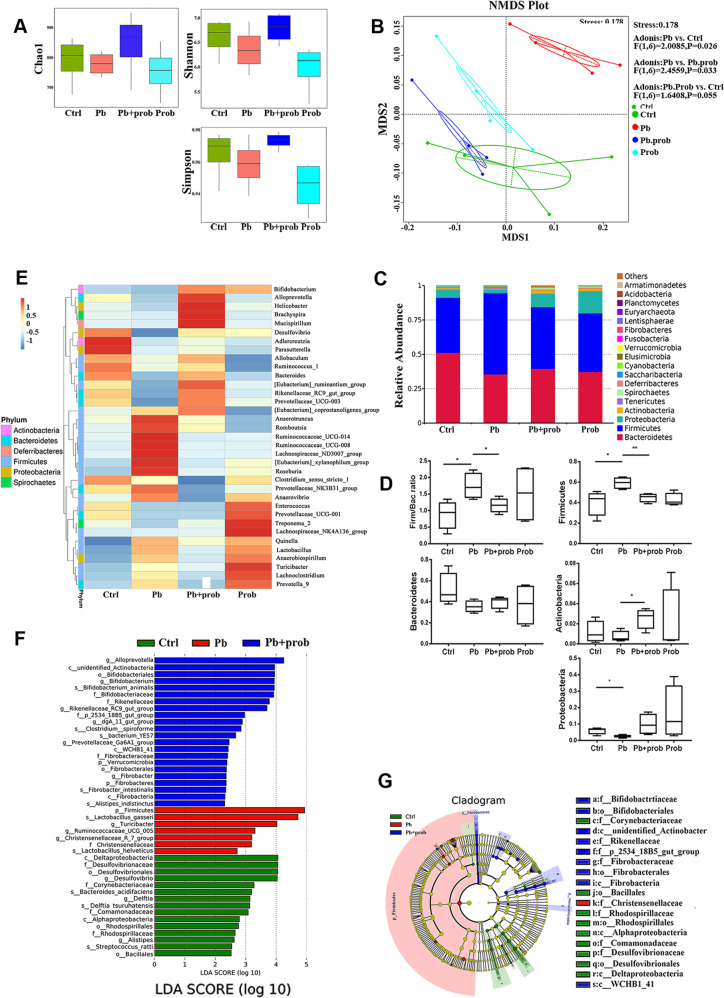
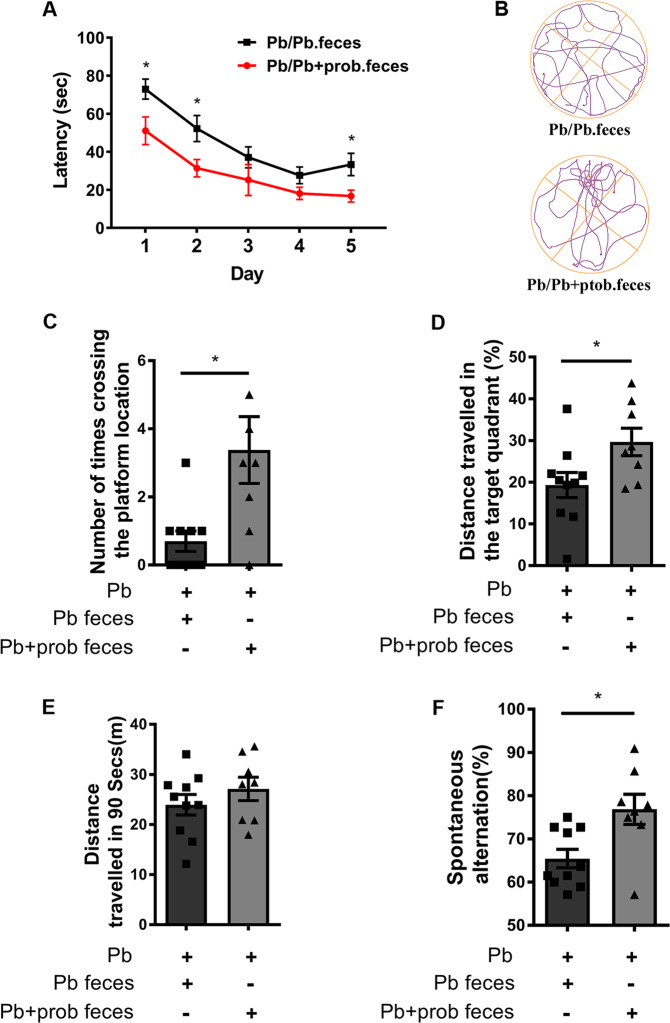
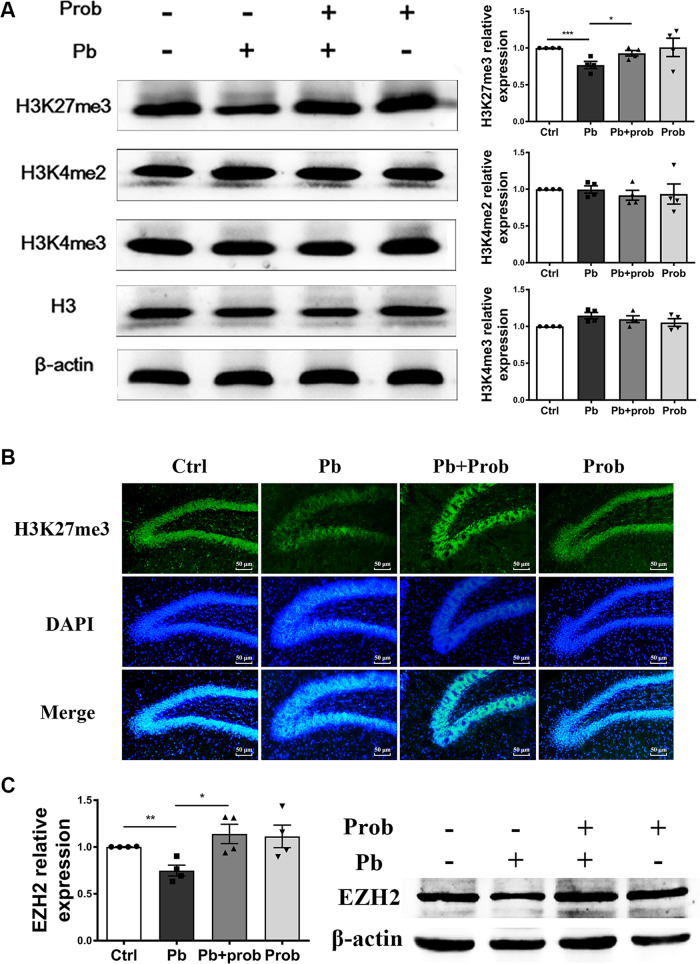
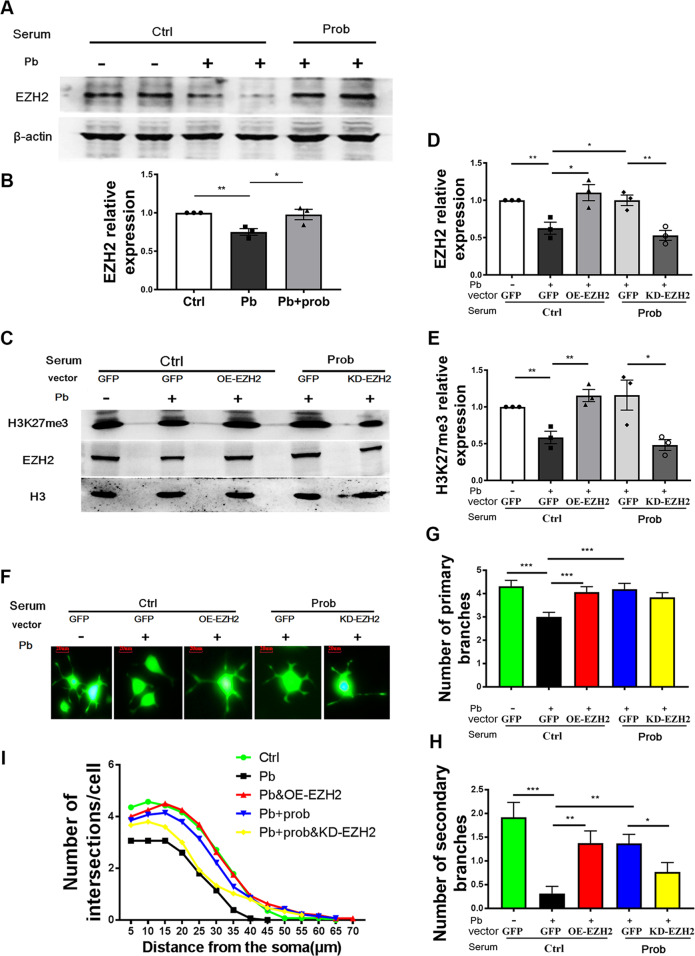
Chronic lead exposure is associated with the development of neurodegenerative diseases, characterized by the long-term memory decline. However, whether this pathogenesis could be prevented through adjusting gut microbiota is not yet understood. To address the issue, pregnant rats and their female offspring were treated with lead (125 ppm) or separately the extra probiotics (10 organisms/rat/day) till adulthood. For results, memory dysfunction was alleviated by the treatment of multispecies probiotics. Meanwhile, the gut microbiota composition was partially normalized against lead-exposed rats, which in turn mediated the memory repairment via fecal transplantation trials. In the molecular aspect, the decreased H3K27me3 (trimethylation of histone H3 Lys 27) in the adult hippocampus was restored with probiotic intervention, an epigenetic event mediated by EZH2 (enhancer of zeste homolog 2) at early developmental stage. In a neural cellular model, EZH2 overexpression showed the similar rescue effect with probiotics, whereas its blockade led to the neural re-damages. Regarding the gut-brain inflammatory mediators, the disrupted IL-6 (interleukin 6) expression was resumed by probiotic treatment. Intraperitoneal injection of tocilizumab, an IL-6 receptor antagonist, upregulated the hippocampal EZH2 level and consequently alleviated the memory injuries. In conclusion, reshaping gut microbiota could mitigate memory dysfunction caused by chronic lead exposure, wherein the inflammation-hippocampal epigenetic pathway of IL-6-EZH2-H3K27me3, was first proposed to mediate the studied gut-brain communication. These findings provided insight with epigenetic mechanisms underlying a unique gut-brain interaction, shedding light on the safe and non-invasive treatment of neurodegenerative disorders with environmental etiology.
慢性铅暴露与神经退行性疾病的发展有关,其特征是长期记忆衰退。然而,通过调节肠道微生物群是否可以预防这种发病机制尚不清楚。为了解决这个问题,给怀孕的老鼠及其雌性后代喂食铅(125ppm)或分别喂食额外的益生菌(10 个/只/天),直到成年。结果表明,多菌种益生菌的治疗缓解了记忆功能障碍。同时,肠道微生物群组成部分地针对铅暴露的大鼠正常化,这反过来又通过粪便移植试验介导记忆修复。在分子方面,益生菌干预恢复了成年海马体中 H3K27me3(组蛋白 H3 Lys 27 的三甲基化)的减少,这是早期发育阶段 EZH2(增强子结合锌指蛋白 2)介导的表观遗传事件。在神经细胞模型中,EZH2 过表达表现出与益生菌相似的挽救作用,而其阻断导致神经再损伤。关于肠道-大脑炎症介质,益生菌治疗恢复了 IL-6(白细胞介素 6)表达的紊乱。白细胞介素 6 受体拮抗剂托珠单抗的腹腔注射上调了海马体中的 EZH2 水平,从而缓解了记忆损伤。总之,重塑肠道微生物群可以减轻慢性铅暴露引起的记忆功能障碍,其中首次提出了炎症-海马体表观遗传途径 IL-6-EZH2-H3K27me3 来介导所研究的肠道-大脑通讯。这些发现提供了关于表观遗传机制的见解,这些机制是独特的肠道-大脑相互作用的基础,为具有环境病因的神经退行性疾病的安全和非侵入性治疗提供了启示。