Department of Periodontology and Implant Surgery, The Maurice and Gabriela Goldschleger School of Dental Medicine, Tel Aviv University, Tel Aviv 6997801, Israel.
Department of Oral and Maxillofacial Surgery, The Maurice and Gabriela Goldschleger School of Dental Medicine, Tel Aviv University, Tel Aviv 6997801, Israel.
Medicina (Kaunas). 2020 Feb 13;56(2):75. doi: 10.3390/medicina56020075.
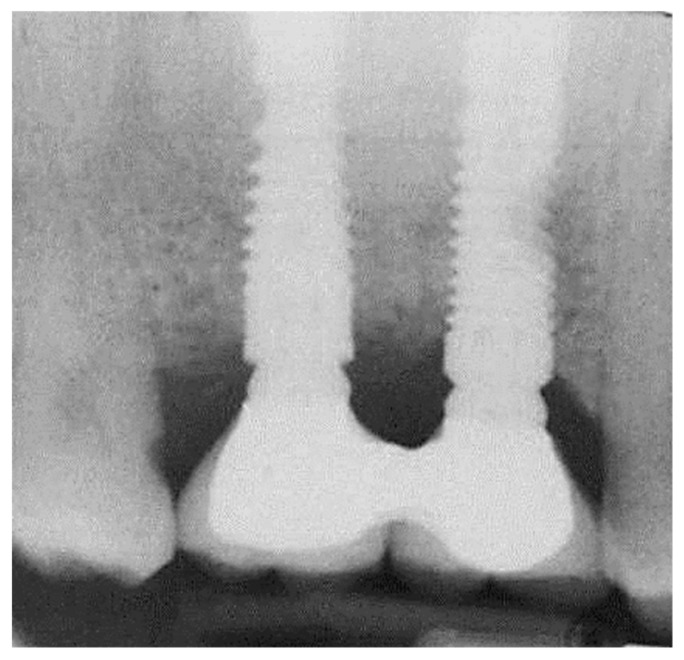
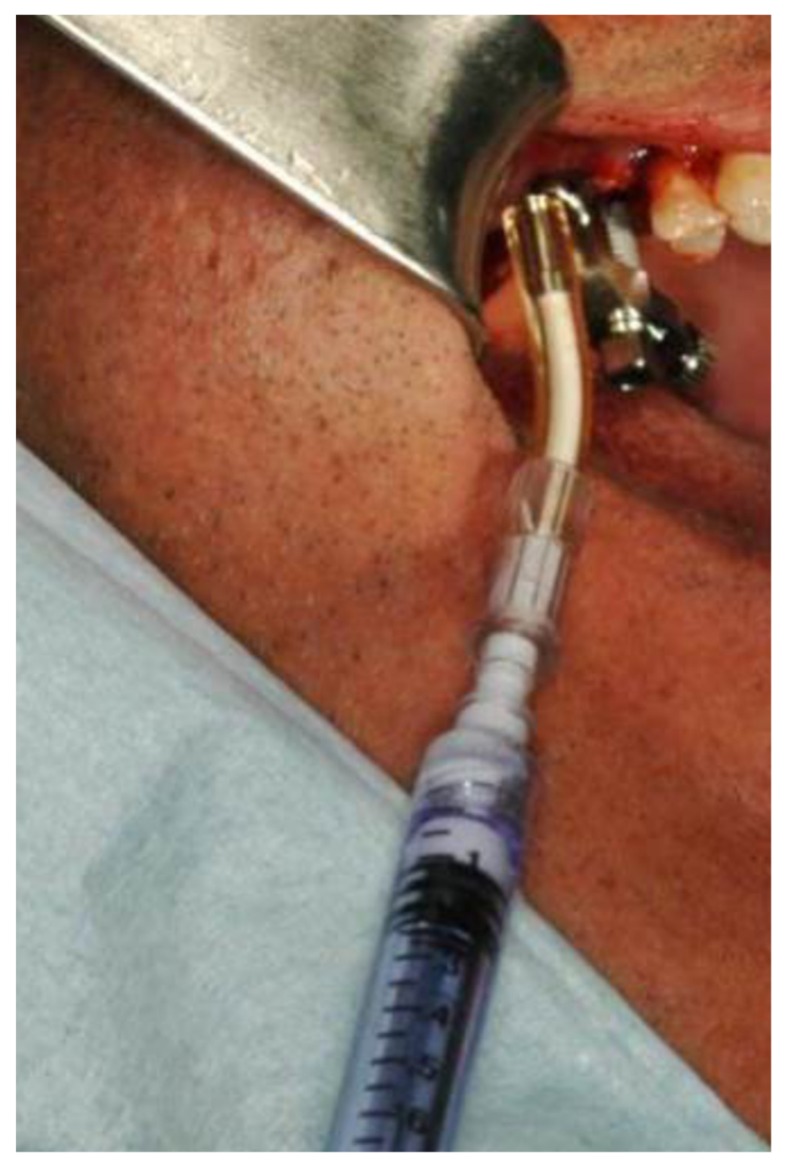
To evaluate whether sinus augmentation, using a minimally invasive implant device, via a non-submerged surgical approach, might negatively influence the outcome. A retrospective cohort study was conducted by evaluating patients' files, classifying them into two groups. Fifty patients (22 men 28 women) were included in the study, 25 in each group. The use of an implant device based on residual alveolar ridge height for sinus augmentation, radiographic evaluation, insertion torque, membrane perforation, post-operative healing, and a minimum of 12 months follow-up were evaluated. The mean residual alveolar ridge height was 5.4 mm for the non-submerged group and 4.2 mm for the submerged group. There were no intraoperative or postoperative complications (including membrane perforations). The mean insertion torque was 45 N/cm for the study group and 20 N/cm for the control group. Complete soft tissue healing was observed within three weeks. Mean bone gain height was 8 mm for the study and 9.3 mm for the control group. All implants osseointegrated after 6-9 months of healing time. Mean follow-up was 17.5 months, range 12-36 months. Marginal bone loss at last follow-up was not statistically significantly different: 1 mm in the non-submerged vs. 1.2 mm in the submerged group. Submerged and non-submerged healing following maxillary sinus augmentation was comparable provided residual alveolar ridge height >5 mm and insertion torque >25 N/cm.
为了评估使用微创植入物设备通过非淹没手术方法进行鼻窦提升是否会对结果产生负面影响。通过评估患者的档案,进行了一项回顾性队列研究,将患者分为两组。该研究纳入了 50 名患者(22 名男性,28 名女性),每组 25 名。评估了基于剩余牙槽嵴高度的植入物设备在鼻窦提升中的使用、影像学评估、插入扭矩、膜穿孔、术后愈合以及至少 12 个月的随访情况。非淹没组的平均剩余牙槽嵴高度为 5.4 毫米,淹没组为 4.2 毫米。术中或术后均无并发症(包括膜穿孔)。研究组的平均插入扭矩为 45 N/cm,对照组为 20 N/cm。在三周内观察到完全的软组织愈合。研究组的平均骨增量高度为 8 毫米,对照组为 9.3 毫米。所有植入物在 6-9 个月的愈合时间后均实现了骨整合。平均随访时间为 17.5 个月,范围为 12-36 个月。最后一次随访时,边缘骨丢失无统计学差异:非淹没组为 1 毫米,淹没组为 1.2 毫米。如果剩余牙槽嵴高度>5 毫米且插入扭矩>25 N/cm,则上颌窦提升后的淹没和非淹没愈合情况相当。