Institute of Immunology and Physiology of the Ural Branch of the Russian Academy of Sciences, Ekaterinburg, Russia.
Ural Federal University, Ekaterinburg, Russia.
J Physiol Sci. 2020 Feb 18;70(1):12. doi: 10.1186/s12576-020-00741-6.
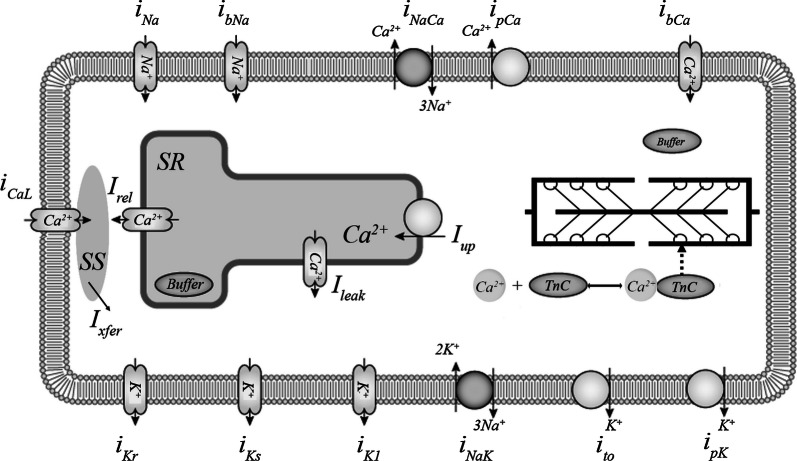
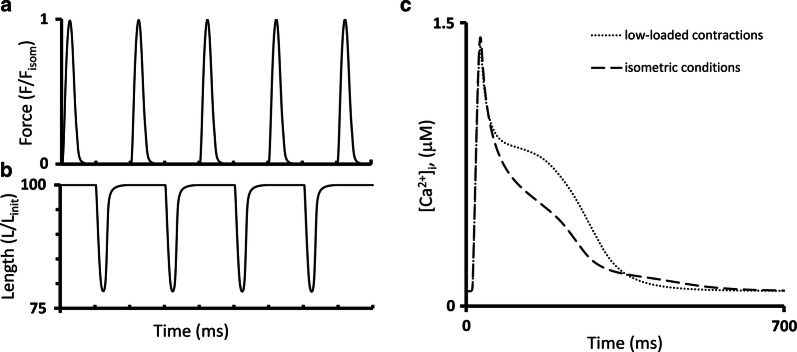
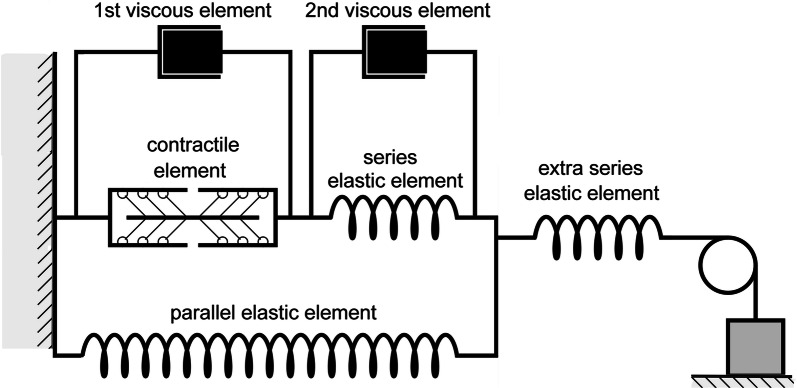
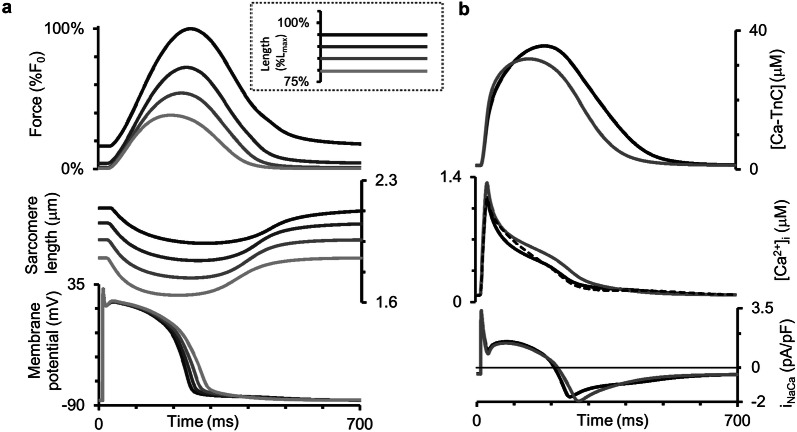
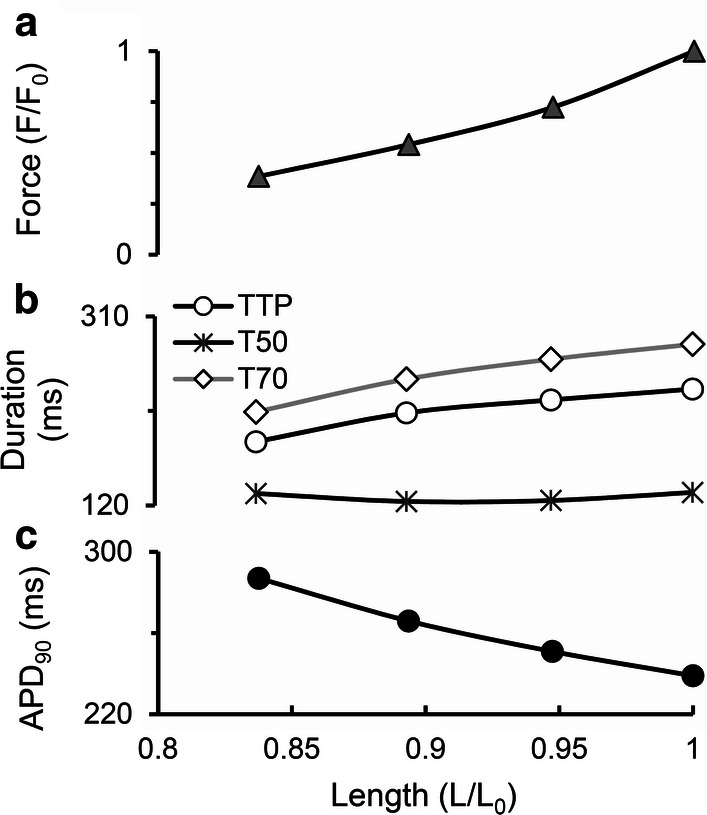
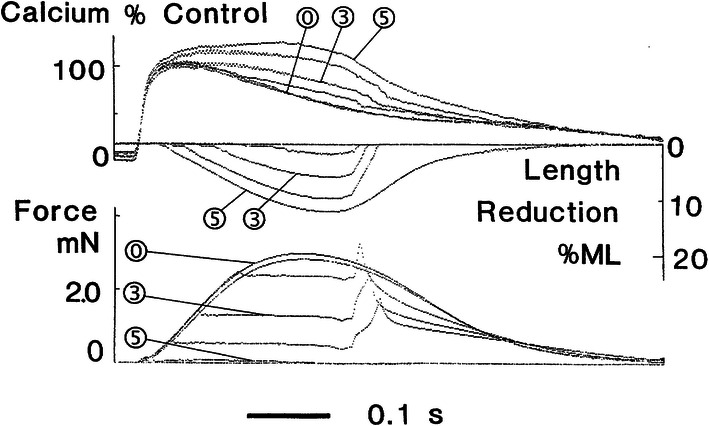
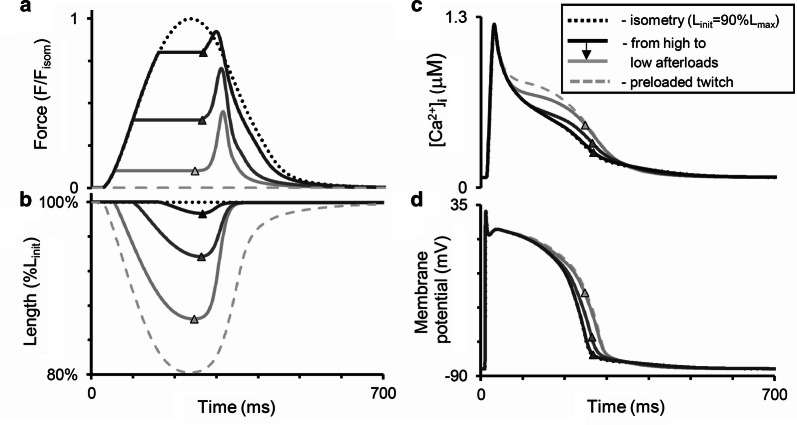
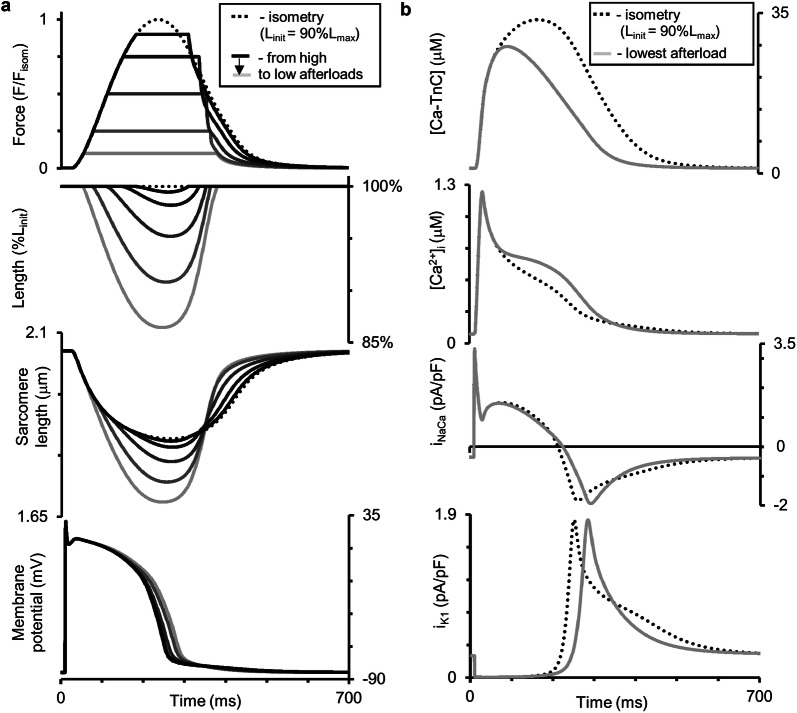
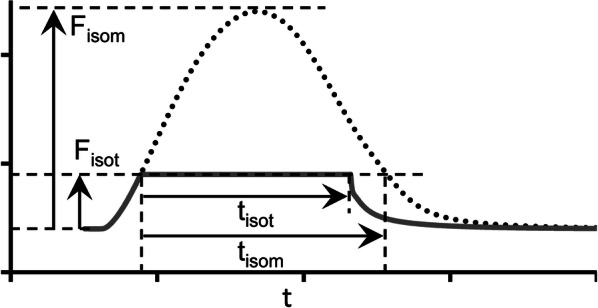
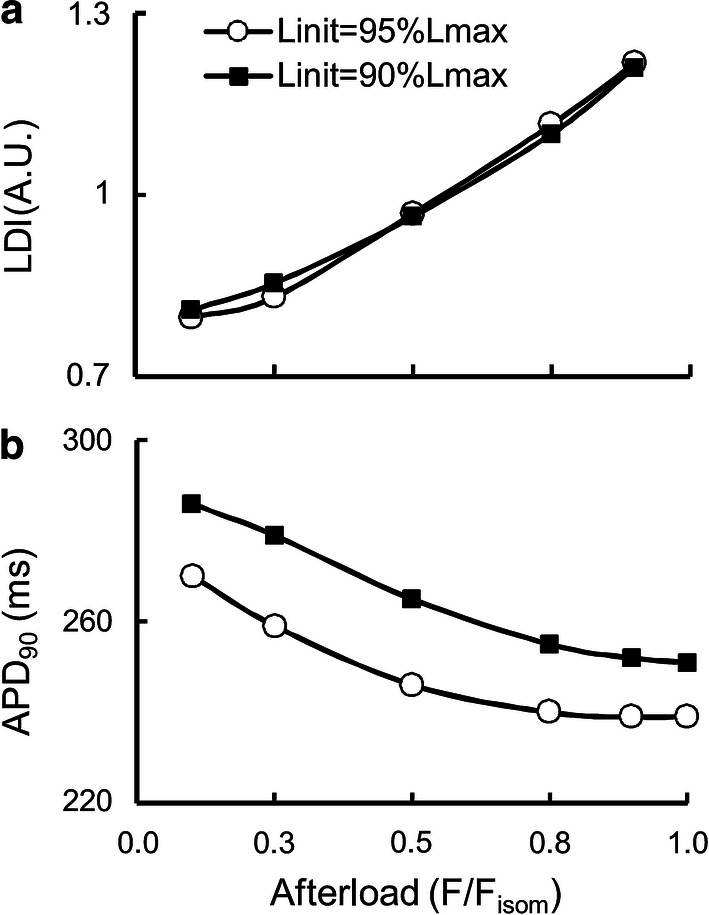
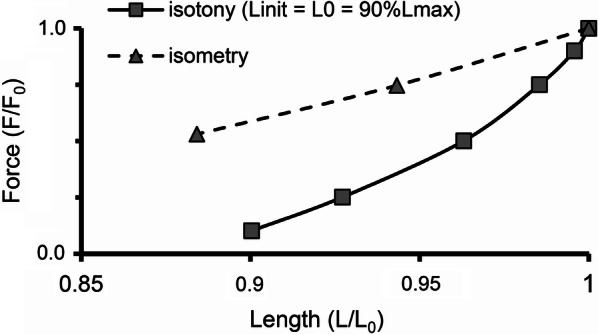
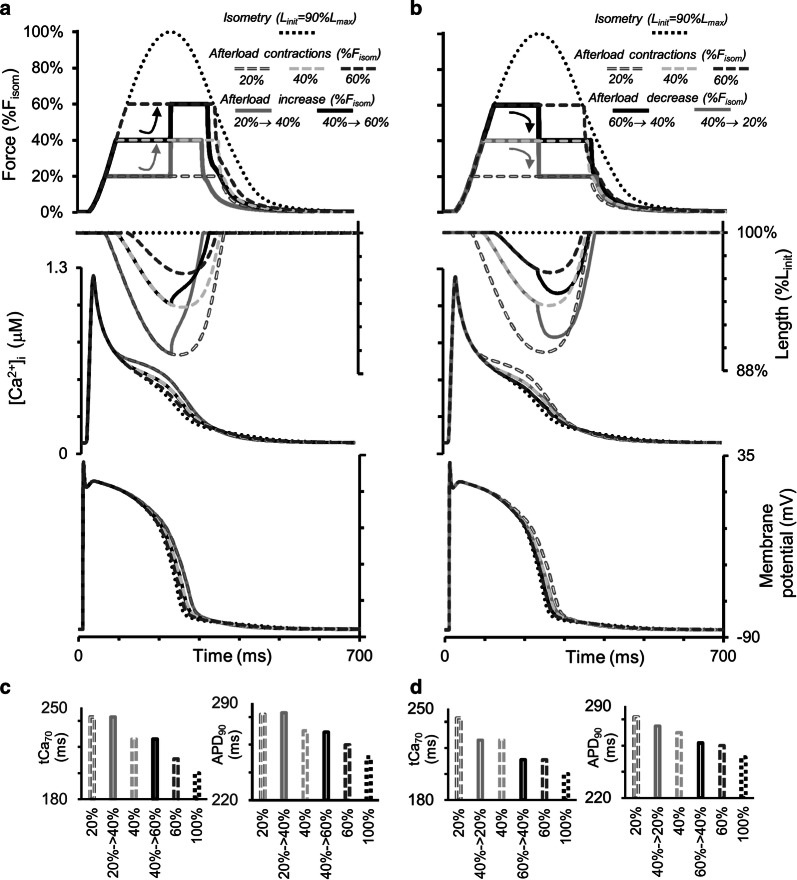
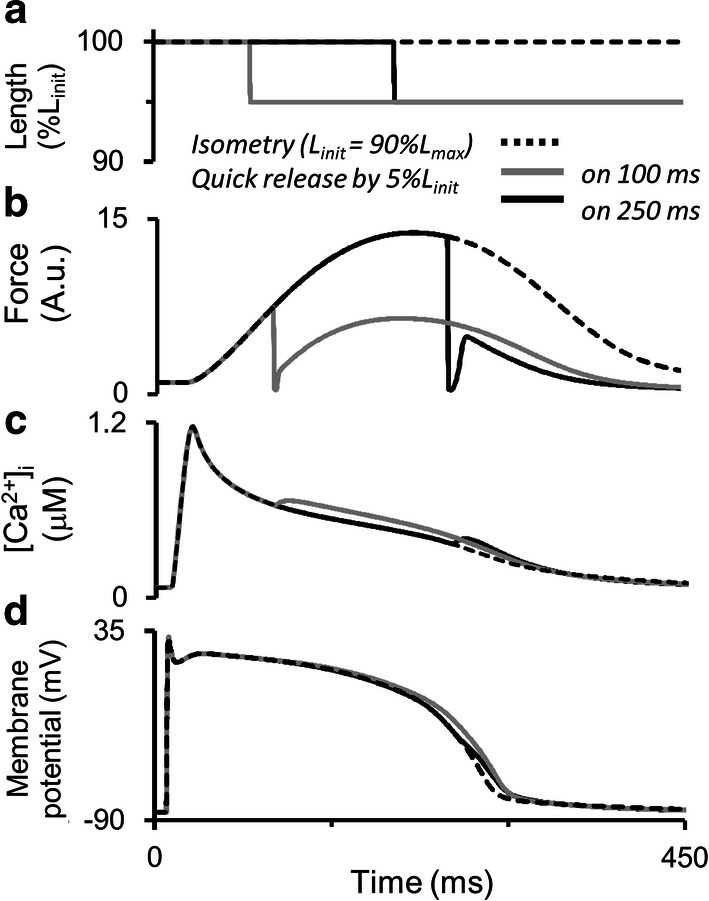
Experiments on animal hearts (rat, rabbit, guinea pig, etc.) have demonstrated that mechano-calcium feedback (MCF) and mechano-electric feedback (MEF) are very important for myocardial self-regulation because they adjust the cardiomyocyte contractile function to various mechanical loads and to mechanical interactions between heterogeneous myocardial segments in the ventricle walls. In in vitro experiments on these animals, MCF and MEF manifested themselves in several basic classical phenomena (e.g., load dependence, length dependence of isometric twitches, etc.), and in the respective responses of calcium transients and action potentials. However, it is extremely difficult to study simultaneously the electrical, calcium, and mechanical activities of the human heart muscle in vitro. Mathematical modeling is a useful tool for exploring these phenomena. We have developed a novel model to describe electromechanical coupling and mechano-electric feedbacks in the human cardiomyocyte. It combines the 'ten Tusscher-Panfilov' electrophysiological model of the human cardiomyocyte with our module of myocardium mechanical activity taken from the 'Ekaterinburg-Oxford' model and adjusted to human data. Using it, we simulated isometric and afterloaded twitches and effects of MCF and MEF on excitation-contraction coupling. MCF and MEF were found to affect significantly the duration of the calcium transient and action potential in the human cardiomyocyte model in response to both smaller afterloads as compared to bigger ones and various mechanical interventions applied during isometric and afterloaded twitches.
动物心脏(大鼠、兔、豚鼠等)实验表明,机械钙反馈(MCF)和机械电反馈(MEF)对心肌自我调节非常重要,因为它们可以调节心肌细胞的收缩功能以适应各种机械负荷和心室壁不同心肌节段之间的机械相互作用。在这些动物的离体实验中,MCF 和 MEF 表现出几种基本的经典现象(例如,负荷依赖性、等长抽搐的长度依赖性等),以及钙瞬变和动作电位的相应反应。然而,体外研究人心肌的电、钙和机械活动极其困难。数学建模是探索这些现象的有用工具。我们开发了一种新的模型来描述人心肌细胞中的电机械耦合和机械电反馈。它将人心肌细胞的“Ten Tusscher-Panfilov”电生理模型与我们从“Ekaterinburg-Oxford”模型中提取的心肌机械活动模块相结合,并根据人类数据进行了调整。使用该模型,我们模拟了等长和后加载抽搐以及 MCF 和 MEF 对兴奋收缩偶联的影响。研究发现,与较大的后负荷相比,MCF 和 MEF 会显著影响人心肌细胞模型中钙瞬变和动作电位的持续时间,无论是在等长和后加载抽搐期间应用较小的后负荷还是各种机械干预。