Department of Pathology, Case Western Reserve University School of Medicine, Cleveland, OH, USA.
Case Comprehensive Cancer Center, Case Western Reserve University, Cleveland, OH, USA.
Life Sci Alliance. 2020 Feb 18;3(4). doi: 10.26508/lsa.201900427. Print 2020 Apr.
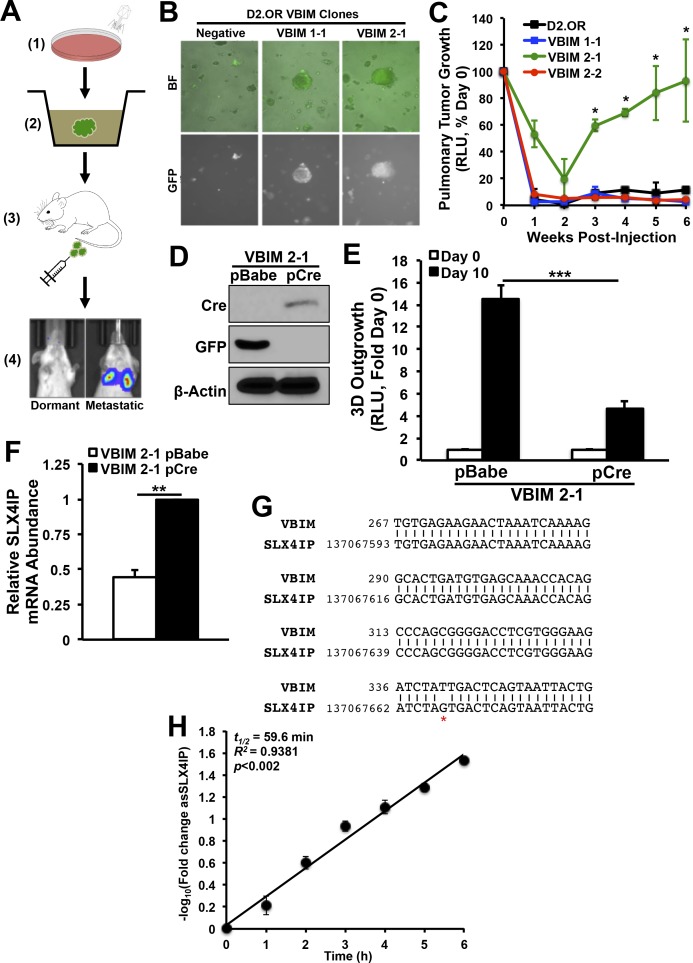
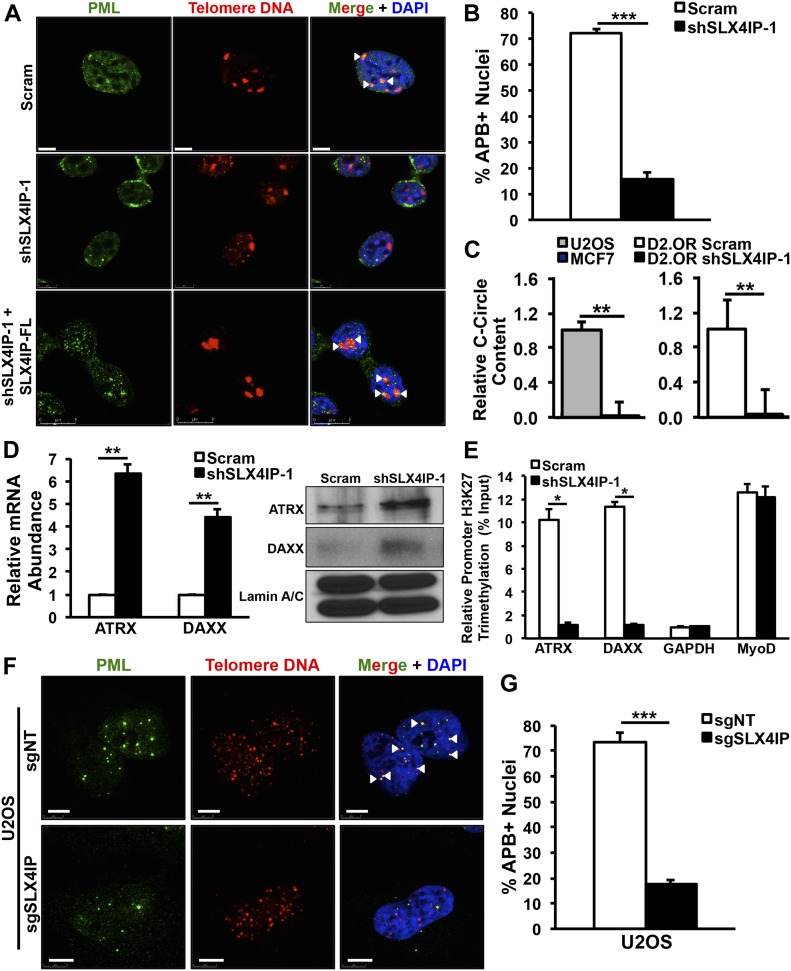
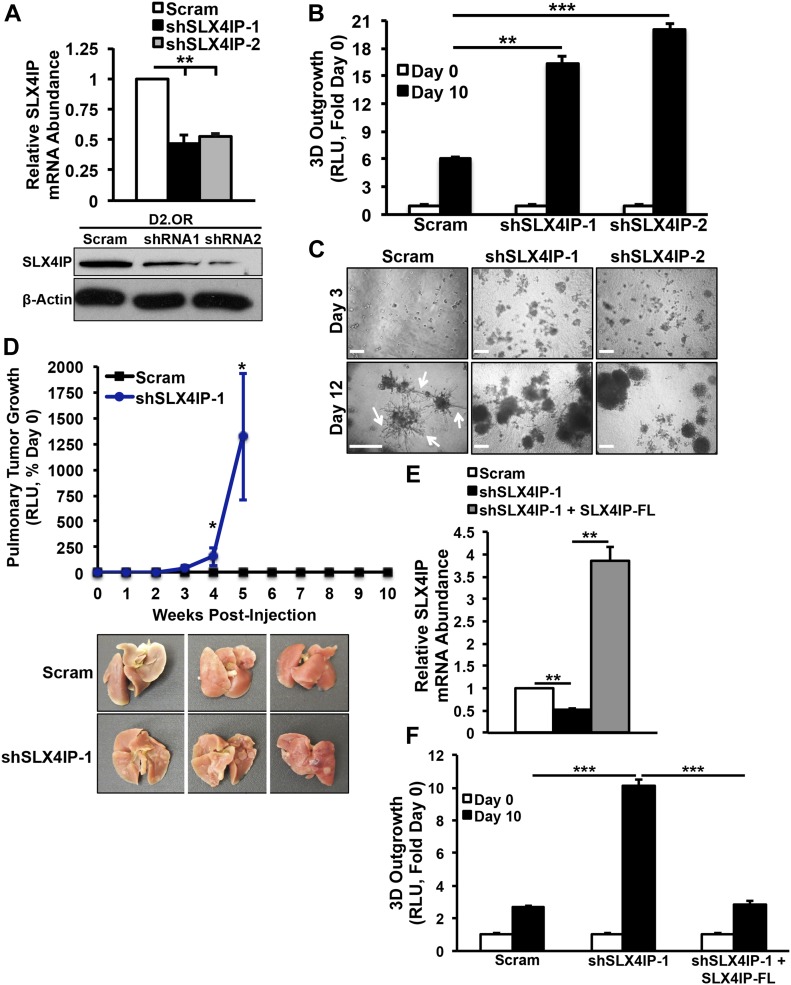
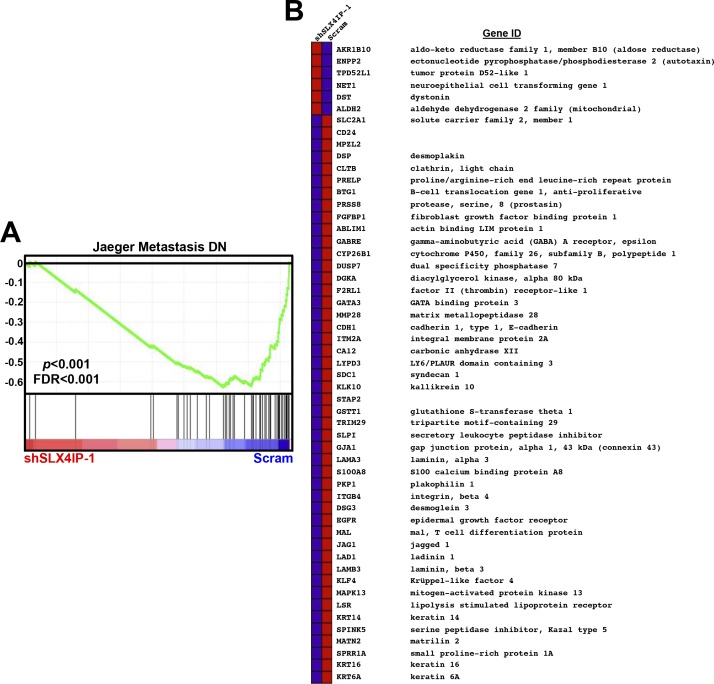
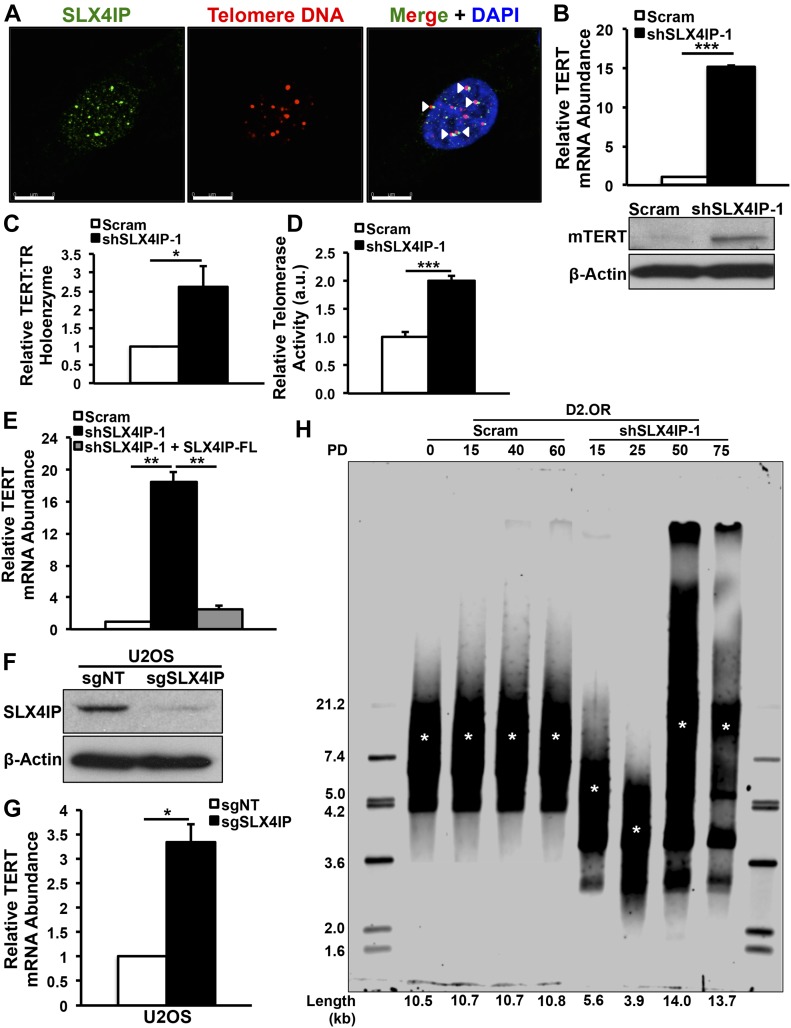
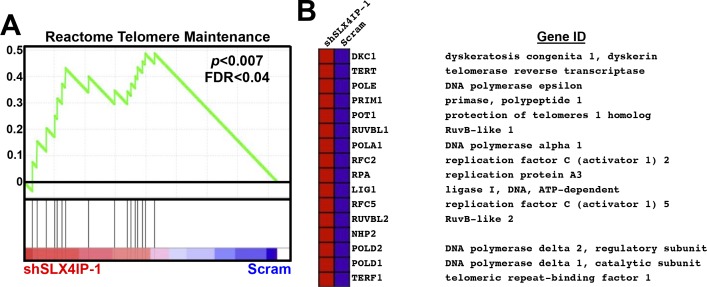
Metastasis is the leading cause of breast cancer-related death and poses a substantial clinical burden owing to a paucity of targeted treatment options. The clinical manifestations of metastasis occur years-to-decades after initial diagnosis and treatment because disseminated tumor cells readily evade detection and resist therapy, ultimately giving rise to recurrent disease. Using an unbiased genetic screen, we identified SLX4-interacting protein (SLX4IP) as a regulator of metastatic recurrence and established its relationship in governing telomere maintenance mechanisms (TMMs). Inactivation of SLX4IP suppressed alternative lengthening of telomeres (ALT), coinciding with activation of telomerase. Importantly, TMM selection dramatically influenced metastatic progression and survival of patients with genetically distinct breast cancer subtypes. Notably, pharmacologic and genetic modulation of TMMs elicited telomere-dependent cell death and prevented disease recurrence by disseminated tumor cells. This study illuminates SLX4IP as a potential predictive biomarker for breast cancer progression and metastatic relapse. SLX4IP expression correlates with TMM identity, which also carries prognostic value and informs treatment selection, thereby revealing new inroads into combating metastatic breast cancers.
转移是导致乳腺癌相关死亡的主要原因,由于缺乏靶向治疗选择,给临床带来了巨大负担。转移的临床表现发生在初始诊断和治疗后的数年至数十年,因为播散的肿瘤细胞容易逃避检测并抵抗治疗,最终导致复发性疾病。我们使用无偏遗传筛选,鉴定了 SLX4 相互作用蛋白(SLX4IP)作为转移复发的调节剂,并建立了其在调节端粒维持机制(TMM)中的关系。SLX4IP 的失活抑制了端粒的替代性延长(ALT),同时激活了端粒酶。重要的是,TMM 选择对具有不同遗传乳腺癌亚型的患者的转移进展和生存产生了巨大影响。值得注意的是,TMM 的药理学和遗传学调节引发了依赖端粒的细胞死亡,并通过播散的肿瘤细胞预防了疾病复发。这项研究揭示了 SLX4IP 作为预测乳腺癌进展和转移复发的潜在生物标志物。SLX4IP 的表达与 TMM 的特征相关,这也具有预后价值,并为治疗选择提供信息,从而为治疗转移性乳腺癌开辟了新途径。