Department of Computer Science, University of Miami, Coral Gables, FL, USA.
Department of Biology, University of Miami, Coral Gables, FL, 33146, USA.
Sci Rep. 2020 Feb 19;10(1):2943. doi: 10.1038/s41598-020-59717-6.
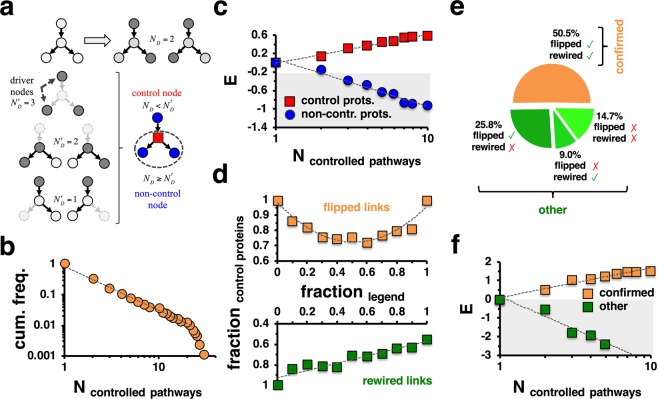
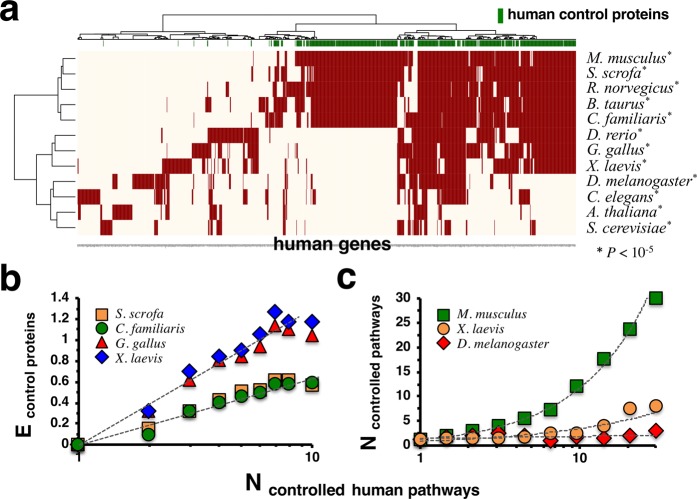
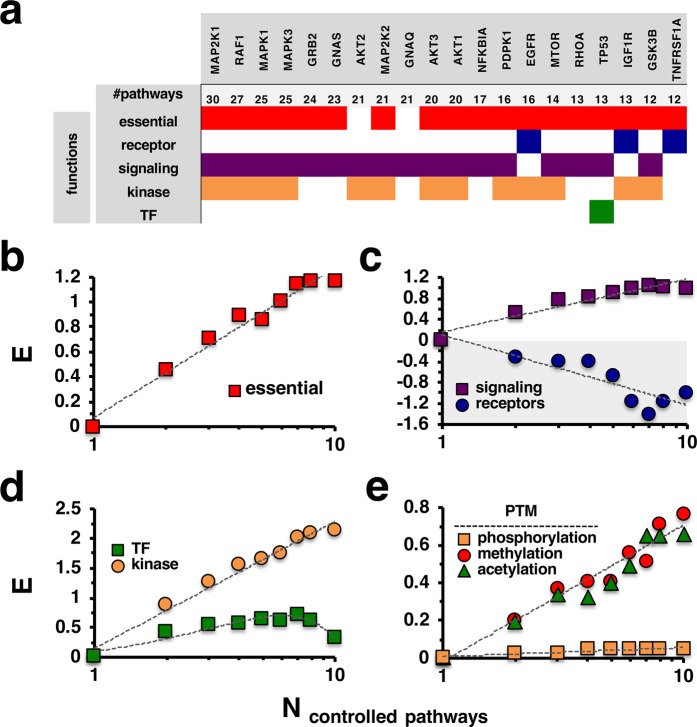
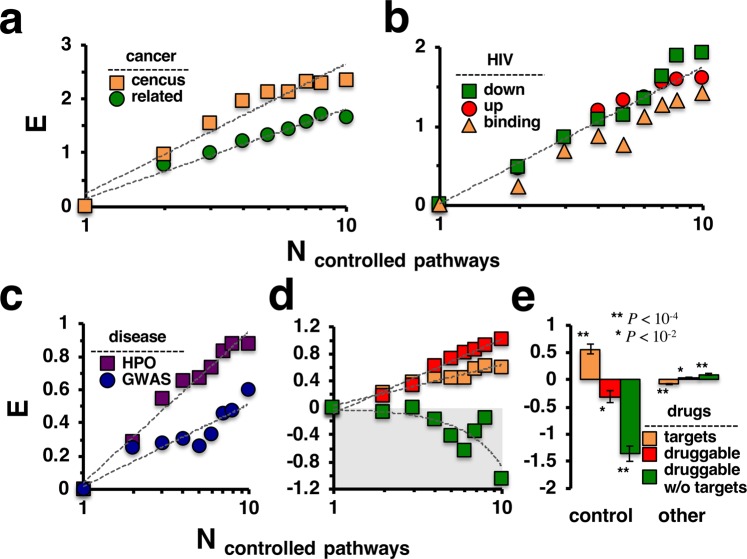
Inputs to molecular pathways that are the backbone of cellular activity drive the cell to certain outcomes and phenotypes. Here, we investigated proteins that topologically controlled different human pathways represented as independent molecular interaction networks, suggesting that a minority of proteins control a high number of pathways and vice versa. Transcending different topological levels, proteins that controlled a large number of pathways also controlled a network of interactions when all pathways were combined. Furthermore, control proteins that were robust when interactions were rewired or inverted also increasingly controlled an increasing number of pathways. As for functional characteristics, such control proteins were enriched with regulatory and signaling genes, disease genes and drug targets. Focusing on evolutionary characteristics, proteins that controlled different pathways had a penchant to be evolutionarily conserved as equal counterparts in other organisms, indicating the fundamental role that control analysis of pathways plays for our understanding of regulation, disease and evolution.
分子途径的输入是细胞活动的核心,它决定了细胞的某些结果和表型。在这里,我们研究了拓扑上控制不同人类途径的蛋白质,这些途径被表示为独立的分子相互作用网络,这表明少数蛋白质控制着大量的途径,反之亦然。超越不同的拓扑层次,当所有途径结合在一起时,控制大量途径的蛋白质也控制着相互作用的网络。此外,当相互作用被重新布线或反转时,控制大量途径的稳健蛋白质也会越来越多地控制越来越多的途径。至于功能特征,这些控制蛋白质富含调节和信号基因、疾病基因和药物靶点。从进化特征来看,控制不同途径的蛋白质倾向于在其他生物体中作为对等物进行进化保守,这表明对途径的控制分析对于我们理解调节、疾病和进化起着基础性的作用。