Bao Kaifan, Yuan Weiyuan, Zhou Yijing, Chen Yanyan, Yu Xuerui, Wang Xiaoyu, Jia Zhirong, Yu Xi, Wang Xiaotong, Yao Lu, Wang Siqi, Xu Yifan, Zhang Yuheng, Zheng Jie, Hong Min
Jiangsu Key Laboratory for Pharmacology and Safety Evaluation of Chinese Materia Medica, School of Pharmacy, Nanjing University of Chinese Medicine, Nanjing, China.
School of Basic Medicine and Clinical Pharmacy, China Pharmaceutical University, Nanjing, China.
Front Pharmacol. 2020 Jan 31;10:1698. doi: 10.3389/fphar.2019.01698. eCollection 2019.
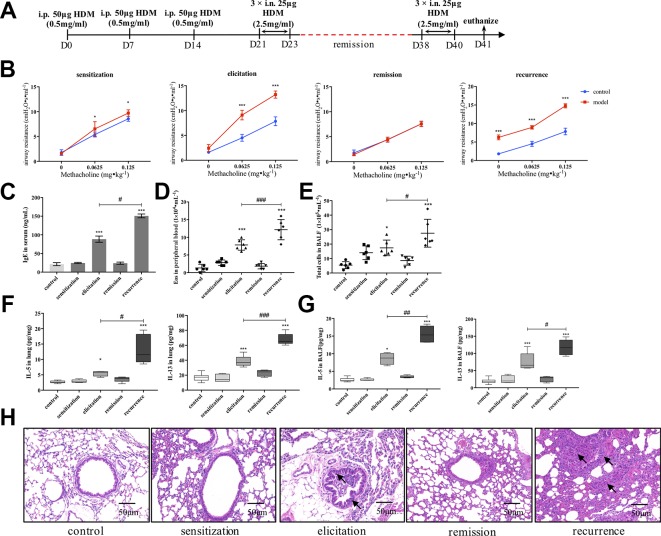
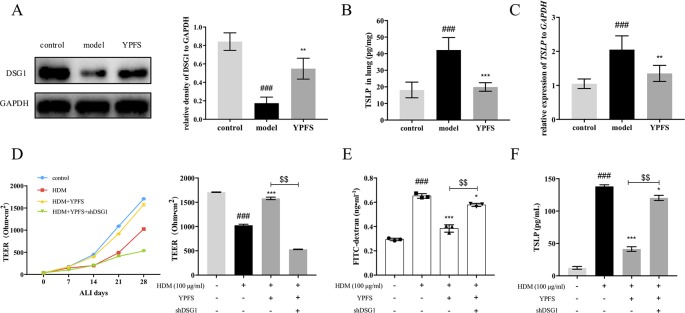
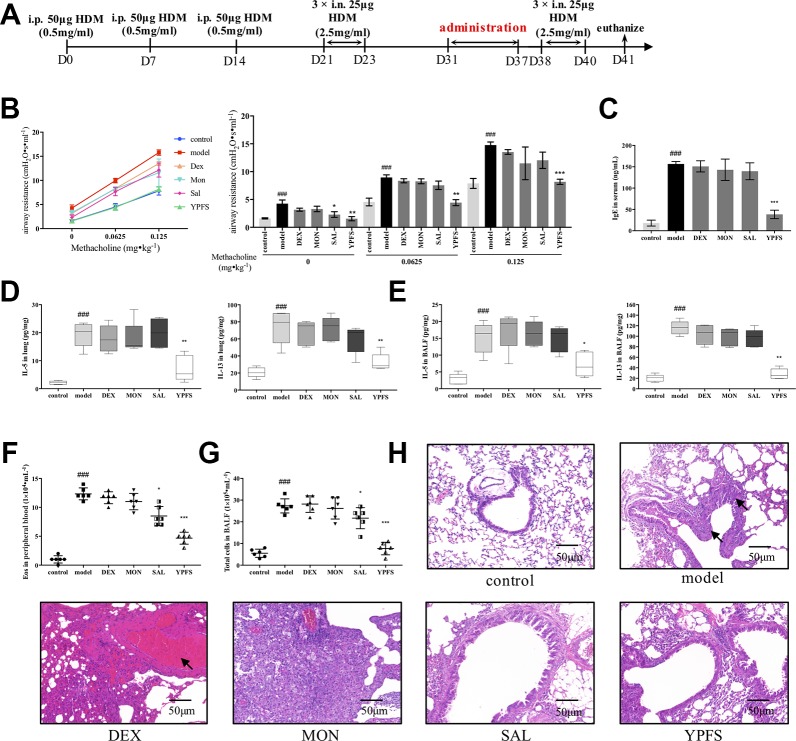
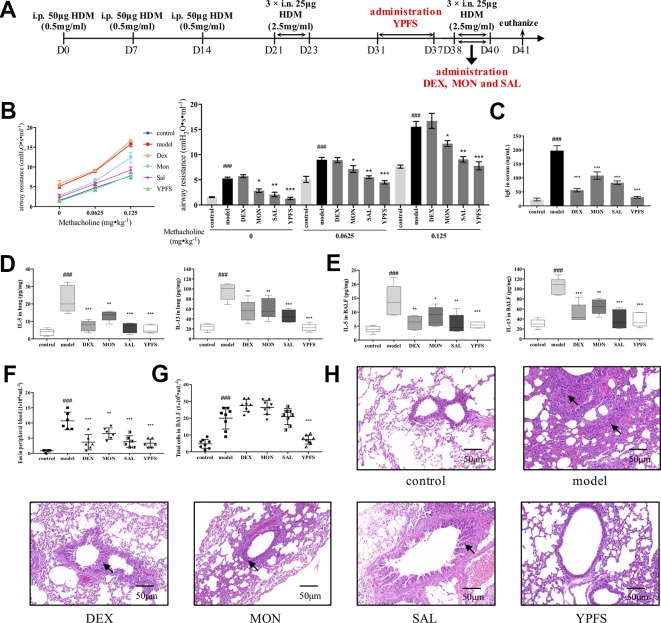
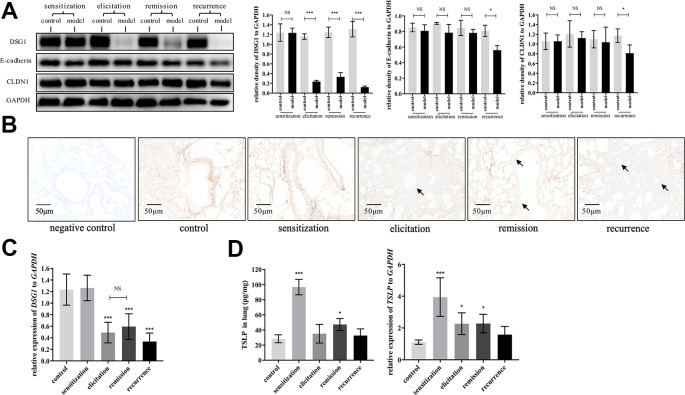
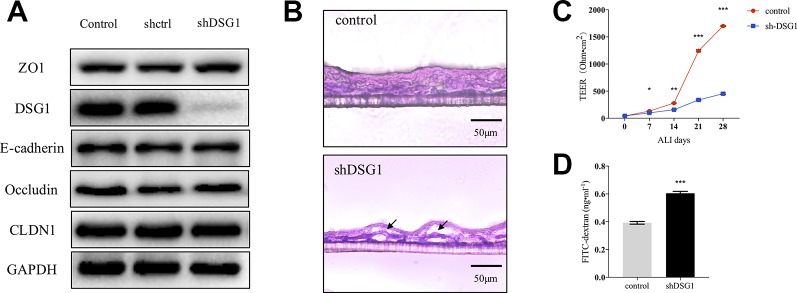
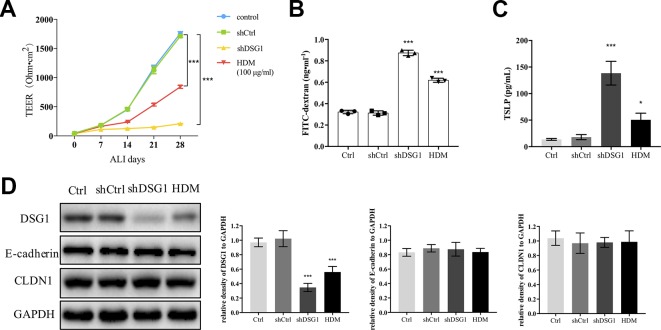
Clinically, the treatments against asthma like β agonist focus on controlling the symptoms rather than inhibiting recurrence radically. This study aims to evaluate the efficacy and mechanism of a potent Chinese prescription Yu-Ping-Feng-San (YPFS) against asthma recurrence. We here established an optimized house dust mite (HDM)-induced asthma recurrence mice model with typical asthmatic responses such as significantly augmented airway hyperresponsiveness (AHR), elevated serum IgE, pulmonary type 2 cytokines IL-5 and IL-13 levels, pathological changes including thickening bronchial wall, inflammatory infiltration of lung tissue, etc. Moreover, all typical asthmatic pathological features were prominently alleviated by YPFS applied during remission phase ahead of second elicitation, which was even more effective than three different types of medications dexamethasone, montelukast and salbutamol, which were commonly applied in clinical practice, administered during recurrence phase. Besides, we found that desmoglein 1 (DSG1) remained deficient when asthmatic responses regressed whereas tight junction (TJ) claudin 1 (CLDN1) or adherin junction (AJ) E-cadherin restored spontaneously. , DSG1 interference resulted in increased thymic stromal lymphopoietin (TSLP) secretion, and epithelial barrier compromise evidenced by significantly elevated transepithelial electrical resistance (TEER) and increased 4-kDa FITC-dextran influx. YPFS could downregulate TSLP production and restore HDM-induced DSG1 deficiency and barrier destruction, which was further reversed by shDSG1. Collectively, administration of YPFS in remission prominently alleviated HDM-induced asthma relapse by restoring DSG1 and decreasing TSLP overexpression, which might be the key factors contributing to chronic asthma relapse. Our data not only demonstrated the pivotal role of DSG1 in asthma pathogenesis, but also provided a novel and potent therapeutic strategy against chronic asthma.
临床上,针对哮喘的治疗如β激动剂主要侧重于控制症状,而非从根本上抑制复发。本研究旨在评估强效中药玉屏风散(YPFS)预防哮喘复发的疗效及机制。我们建立了一种优化的屋尘螨(HDM)诱导的哮喘复发小鼠模型,该模型具有典型的哮喘反应,如气道高反应性(AHR)显著增强、血清IgE升高、肺2型细胞因子IL-5和IL-13水平升高,以及包括支气管壁增厚、肺组织炎症浸润等病理变化。此外,在第二次激发前的缓解期应用YPFS可显著减轻所有典型的哮喘病理特征,其效果甚至优于临床常用的三种不同药物地塞米松、孟鲁司特和沙丁胺醇在复发期的治疗效果。此外,我们发现哮喘反应消退时桥粒芯糖蛋白1(DSG1)仍然缺乏,而紧密连接(TJ)的闭合蛋白1(CLDN1)或黏附连接(AJ)的E-钙黏蛋白会自发恢复。DSG1干扰导致胸腺基质淋巴细胞生成素(TSLP)分泌增加,并且通过显著升高的跨上皮电阻(TEER)和增加的4-kDa FITC-葡聚糖内流证明上皮屏障受损。YPFS可下调TSLP的产生,并恢复HDM诱导的DSG1缺乏和屏障破坏,而shDSG1可进一步逆转这种情况。总体而言,在缓解期给予YPFS可通过恢复DSG1和减少TSLP过表达显著减轻HDM诱导的哮喘复发,这可能是导致慢性哮喘复发的关键因素。我们的数据不仅证明了DSG1在哮喘发病机制中的关键作用,还提供了一种针对慢性哮喘的新型有效治疗策略。