• 文献检索
  • 文档翻译
  • 深度研究
  • 学术资讯
  • Suppr Zotero 插件Zotero 插件
  • 邀请有礼
  • 套餐&价格
  • 历史记录
应用&插件
Suppr Zotero 插件Zotero 插件浏览器插件Mac 客户端Windows 客户端微信小程序
定价
高级版会员购买积分包购买API积分包
服务
文献检索文档翻译深度研究API 文档MCP 服务
关于我们
关于 Suppr公司介绍联系我们用户协议隐私条款
关注我们

Suppr 超能文献

核心技术专利:CN118964589B侵权必究
粤ICP备2023148730 号-1Suppr @ 2026

文献检索

告别复杂PubMed语法,用中文像聊天一样搜索,搜遍4000万医学文献。AI智能推荐,让科研检索更轻松。

立即免费搜索

文件翻译

保留排版,准确专业,支持PDF/Word/PPT等文件格式,支持 12+语言互译。

免费翻译文档

深度研究

AI帮你快速写综述,25分钟生成高质量综述,智能提取关键信息,辅助科研写作。

立即免费体验

基于传感器的智能服装,用于女性更年期过渡监测。

Sensor-Based Smart Clothing for Women's Menopause Transition Monitoring.

机构信息

School of Fine Art and Artistic Design, Guangzhou University, Guangzhou 510006, China.

School of Computer Science & Engineering, South China University of Technology, Guangzhou 510006, China.

出版信息

Sensors (Basel). 2020 Feb 17;20(4):1093. doi: 10.3390/s20041093.

DOI:10.3390/s20041093
PMID:32079349
原文链接:https://pmc.ncbi.nlm.nih.gov/articles/PMC7071038/
Abstract

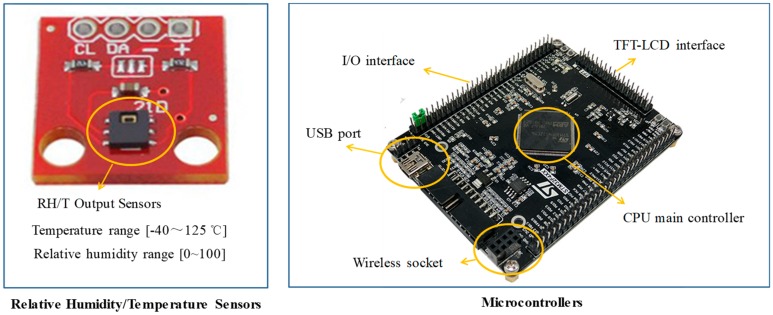
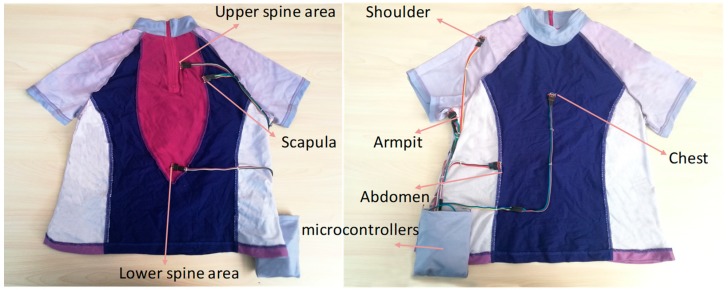
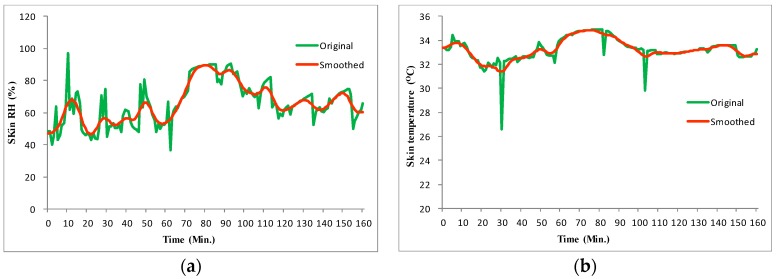
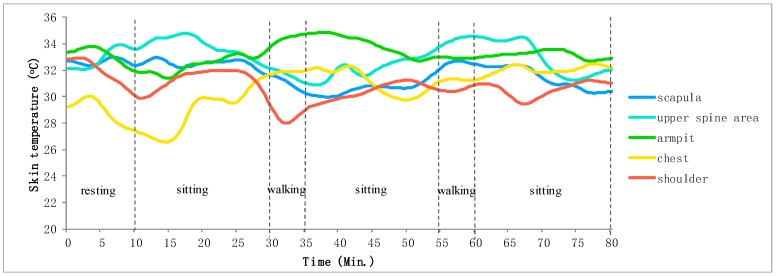
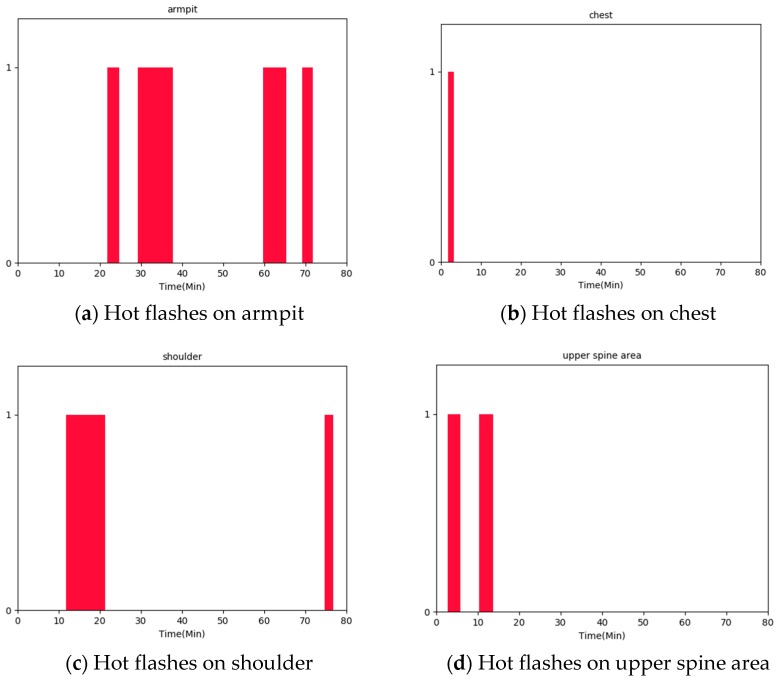
Aging women usually experience menopause and currently there is no single diagnosing highly-sensitive and -specific test for recognizing menopause. For most employed women at their perimenopause age it is not convenient to visit a clinic for the hormone test, which lasts for consecutive days. This paper develops a suit of sensor-based smart clothing used for home-based and ambulatory health monitoring for women's menopause transition. Firstly, a survey analysis is conducted to determine the biological signals measured by sensors for indicating the symptoms of menopausal transition and also the body areas with salient symptoms to implant the sensors on the clothing. Then, the smart clothing is designed with a set of temperature and relative humidity sensors on different locations and with a microcontroller to transmit the measured data to the computer. With the smoothed data as input, a new detection algorithm for hot flashes is proposed by recognition of the concurrent occurrence of heat and sweating rise/down, and can figure out the frequency, intensity, and duration-triple dimension information of a hot flash, which is helpful to achieve precise diagnosis for menopausal transition. The smart clothing and the detection algorithm are verified by involving a group of women subjects to participate in a hot flash monitoring experiment. The experimental results show that this smart clothing monitoring system can effectively measure the skin temperature and relative humidity data and work out the frequency, duration, and intensity information of a hot flash pertaining in different body areas for individuals, which are accordant with the practice reported by the subjects.

摘要

绝经期通常发生在老年女性身上,目前尚无单一的高度敏感和特异性的测试方法来识别绝经期。对于大多数处于围绝经期的职业女性来说,去诊所进行连续几天的激素测试并不方便。本文开发了一套基于传感器的智能服装,用于女性更年期过渡的家庭和动态健康监测。首先,通过调查分析确定了用于指示更年期过渡症状的传感器测量的生物信号,以及在身体上具有明显症状的部位,以便在服装上植入传感器。然后,智能服装设计了一组位于不同位置的温度和相对湿度传感器,并带有微控制器将测量数据传输到计算机。利用平滑后的数据作为输入,提出了一种新的热激发现象检测算法,通过识别热量和出汗上升/下降的同时发生,来计算热激发现象的频率、强度和持续时间-三维信息,这有助于实现更年期过渡的精确诊断。通过一组女性参与热激发现象监测实验来验证智能服装和检测算法。实验结果表明,这种智能服装监测系统可以有效地测量皮肤温度和相对湿度数据,并计算出个体不同身体部位的热激发现象的频率、持续时间和强度信息,与被试者报告的情况相符。

https://cdn.ncbi.nlm.nih.gov/pmc/blobs/c6f5/7071038/b7e34754cd57/sensors-20-01093-g019.jpg
https://cdn.ncbi.nlm.nih.gov/pmc/blobs/c6f5/7071038/dad094aa5156/sensors-20-01093-g001.jpg
https://cdn.ncbi.nlm.nih.gov/pmc/blobs/c6f5/7071038/3a913e63321f/sensors-20-01093-g002.jpg
https://cdn.ncbi.nlm.nih.gov/pmc/blobs/c6f5/7071038/6f7a160595be/sensors-20-01093-g003.jpg
https://cdn.ncbi.nlm.nih.gov/pmc/blobs/c6f5/7071038/2d5cf8a4d111/sensors-20-01093-g004.jpg
https://cdn.ncbi.nlm.nih.gov/pmc/blobs/c6f5/7071038/adb0190e17c2/sensors-20-01093-g005.jpg
https://cdn.ncbi.nlm.nih.gov/pmc/blobs/c6f5/7071038/f57e9dd01b08/sensors-20-01093-g006.jpg
https://cdn.ncbi.nlm.nih.gov/pmc/blobs/c6f5/7071038/8dc736e39e21/sensors-20-01093-g007.jpg
https://cdn.ncbi.nlm.nih.gov/pmc/blobs/c6f5/7071038/d0f23470b0df/sensors-20-01093-g008.jpg
https://cdn.ncbi.nlm.nih.gov/pmc/blobs/c6f5/7071038/f551ddeaa0ed/sensors-20-01093-g009.jpg
https://cdn.ncbi.nlm.nih.gov/pmc/blobs/c6f5/7071038/85e18b4d3ccb/sensors-20-01093-g010.jpg
https://cdn.ncbi.nlm.nih.gov/pmc/blobs/c6f5/7071038/d5ddccf9a339/sensors-20-01093-g011.jpg
https://cdn.ncbi.nlm.nih.gov/pmc/blobs/c6f5/7071038/8406ecf66f8c/sensors-20-01093-g012.jpg
https://cdn.ncbi.nlm.nih.gov/pmc/blobs/c6f5/7071038/4c310bc41e5d/sensors-20-01093-g013.jpg
https://cdn.ncbi.nlm.nih.gov/pmc/blobs/c6f5/7071038/d9aca01dcd2e/sensors-20-01093-g014.jpg
https://cdn.ncbi.nlm.nih.gov/pmc/blobs/c6f5/7071038/de373e76dfad/sensors-20-01093-g015.jpg
https://cdn.ncbi.nlm.nih.gov/pmc/blobs/c6f5/7071038/5136ead90cb1/sensors-20-01093-g016.jpg
https://cdn.ncbi.nlm.nih.gov/pmc/blobs/c6f5/7071038/702b4d678f45/sensors-20-01093-g017.jpg
https://cdn.ncbi.nlm.nih.gov/pmc/blobs/c6f5/7071038/f824945ead37/sensors-20-01093-g018.jpg
https://cdn.ncbi.nlm.nih.gov/pmc/blobs/c6f5/7071038/b7e34754cd57/sensors-20-01093-g019.jpg
https://cdn.ncbi.nlm.nih.gov/pmc/blobs/c6f5/7071038/dad094aa5156/sensors-20-01093-g001.jpg
https://cdn.ncbi.nlm.nih.gov/pmc/blobs/c6f5/7071038/3a913e63321f/sensors-20-01093-g002.jpg
https://cdn.ncbi.nlm.nih.gov/pmc/blobs/c6f5/7071038/6f7a160595be/sensors-20-01093-g003.jpg
https://cdn.ncbi.nlm.nih.gov/pmc/blobs/c6f5/7071038/2d5cf8a4d111/sensors-20-01093-g004.jpg
https://cdn.ncbi.nlm.nih.gov/pmc/blobs/c6f5/7071038/adb0190e17c2/sensors-20-01093-g005.jpg
https://cdn.ncbi.nlm.nih.gov/pmc/blobs/c6f5/7071038/f57e9dd01b08/sensors-20-01093-g006.jpg
https://cdn.ncbi.nlm.nih.gov/pmc/blobs/c6f5/7071038/8dc736e39e21/sensors-20-01093-g007.jpg
https://cdn.ncbi.nlm.nih.gov/pmc/blobs/c6f5/7071038/d0f23470b0df/sensors-20-01093-g008.jpg
https://cdn.ncbi.nlm.nih.gov/pmc/blobs/c6f5/7071038/f551ddeaa0ed/sensors-20-01093-g009.jpg
https://cdn.ncbi.nlm.nih.gov/pmc/blobs/c6f5/7071038/85e18b4d3ccb/sensors-20-01093-g010.jpg
https://cdn.ncbi.nlm.nih.gov/pmc/blobs/c6f5/7071038/d5ddccf9a339/sensors-20-01093-g011.jpg
https://cdn.ncbi.nlm.nih.gov/pmc/blobs/c6f5/7071038/8406ecf66f8c/sensors-20-01093-g012.jpg
https://cdn.ncbi.nlm.nih.gov/pmc/blobs/c6f5/7071038/4c310bc41e5d/sensors-20-01093-g013.jpg
https://cdn.ncbi.nlm.nih.gov/pmc/blobs/c6f5/7071038/d9aca01dcd2e/sensors-20-01093-g014.jpg
https://cdn.ncbi.nlm.nih.gov/pmc/blobs/c6f5/7071038/de373e76dfad/sensors-20-01093-g015.jpg
https://cdn.ncbi.nlm.nih.gov/pmc/blobs/c6f5/7071038/5136ead90cb1/sensors-20-01093-g016.jpg
https://cdn.ncbi.nlm.nih.gov/pmc/blobs/c6f5/7071038/702b4d678f45/sensors-20-01093-g017.jpg
https://cdn.ncbi.nlm.nih.gov/pmc/blobs/c6f5/7071038/f824945ead37/sensors-20-01093-g018.jpg
https://cdn.ncbi.nlm.nih.gov/pmc/blobs/c6f5/7071038/b7e34754cd57/sensors-20-01093-g019.jpg

相似文献

1
Sensor-Based Smart Clothing for Women's Menopause Transition Monitoring.基于传感器的智能服装,用于女性更年期过渡监测。
Sensors (Basel). 2020 Feb 17;20(4):1093. doi: 10.3390/s20041093.
2
Subjective and objective measures of hot flashes.潮热的主观和客观测量。
Am J Hum Biol. 2013 Sep-Oct;25(5):573-80. doi: 10.1002/ajhb.22415. Epub 2013 Jul 30.
3
Understanding the pathophysiology of vasomotor symptoms (hot flushes and night sweats) that occur in perimenopause, menopause, and postmenopause life stages.了解在围绝经期、绝经和绝经后生命阶段出现的血管舒缩症状(潮热和盗汗)的病理生理学。
Arch Womens Ment Health. 2007;10(6):247-57. doi: 10.1007/s00737-007-0209-5. Epub 2007 Dec 12.
4
Risk factors for hot flashes among women undergoing the menopausal transition: baseline results from the Midlife Women's Health Study.处于绝经过渡阶段女性潮热的风险因素:中年女性健康研究的基线结果
Menopause. 2015 Oct;22(10):1098-107. doi: 10.1097/GME.0000000000000434.
5
An International Menopause Society study of climate, altitude, temperature (IMS-CAT) and vasomotor symptoms in urban Indian regions.国际绝经学会对印度城市地区气候、海拔、温度与血管舒缩症状的研究(IMS-CAT)
Climacteric. 2014 Aug;17(4):417-24. doi: 10.3109/13697137.2013.852169. Epub 2013 Nov 7.
6
Vasomotor symptom prevalence and language of menopause in Japan.日本血管舒缩症状患病率与更年期语言情况
Menopause. 2005 May-Jun;12(3):250-7. doi: 10.1097/01.gme.0000146108.27840.d9?.
7
Measuring hot flashes: summary of a National Institutes of Health workshop.潮热的测量:美国国立卫生研究院研讨会综述
Mayo Clin Proc. 2004 Jun;79(6):777-81. doi: 10.4065/79.6.777.
8
IMS study of climate, altitude, temperature and vasomotor symptoms in the United Arab Emirates.阿联酋气候、海拔、温度与血管舒缩症状的IMS研究。
Climacteric. 2014 Aug;17(4):425-32. doi: 10.3109/13697137.2014.898266. Epub 2014 Jun 6.
9
Endocrinology of menopause.绝经的内分泌学。
Periodontol 2000. 2013 Feb;61(1):177-94. doi: 10.1111/j.1600-0757.2011.00407.x.
10
Smart Vest: wearable multi-parameter remote physiological monitoring system.智能背心:可穿戴式多参数远程生理监测系统。
Med Eng Phys. 2008 May;30(4):466-77. doi: 10.1016/j.medengphy.2007.05.014. Epub 2007 Sep 14.

引用本文的文献

1
Effectiveness of the Internet of Things for Improving Pregnancy and Postpartum Women's Health in High-Income Countries: A Systematic Review and Meta-Analysis of Randomized Controlled Trials.物联网对改善高收入国家孕期及产后女性健康的有效性:随机对照试验的系统评价与荟萃分析
Healthcare (Basel). 2025 Aug 23;13(17):2103. doi: 10.3390/healthcare13172103.
2
Deep learning model using continuous skin temperature data predicts labor onset.利用连续皮肤温度数据的深度学习模型预测分娩开始。
BMC Pregnancy Childbirth. 2024 Nov 25;24(1):777. doi: 10.1186/s12884-024-06862-9.
3
Current Use and Discrepancies in the Adoption of Health-Related Internet of Things and Apps Among Working Women in Japan: Large-Scale, Internet-Based, Cross-Sectional Survey.

本文引用的文献

1
Study of Human Thermal Comfort for Cyber-Physical Human Centric System in Smart Homes.智能家居中面向人机物融合系统的人体热舒适研究
Sensors (Basel). 2020 Jan 9;20(2):372. doi: 10.3390/s20020372.
2
Integrating Interactive Clothing and Cyber-Physical Systems: A Humanistic Design Perspective.集成互动式服装与赛博物理系统:人文设计视角。
Sensors (Basel). 2019 Dec 24;20(1):127. doi: 10.3390/s20010127.
3
Onset of the Menopause Transition: The Earliest Signs and Symptoms.绝经过渡期的开始:最早的迹象和症状。
当前日本职业女性对健康相关物联网和应用的使用情况及差异:基于互联网的大规模横断面调查。
JMIR Public Health Surveill. 2024 Jul 31;10:e51537. doi: 10.2196/51537.
4
Effectiveness of the Internet of Things for Improving Working-Aged Women's Health in High-Income Countries: Protocol for a Systematic Review and Network Meta-analysis.物联网对改善高收入国家劳动年龄妇女健康状况的有效性:系统评价与网络荟萃分析方案
JMIR Res Protoc. 2023 Apr 4;12:e45178. doi: 10.2196/45178.
5
IoT garment for remote elderly care network.用于远程老年护理网络的物联网服装
Biomed Signal Process Control. 2021 Aug;69:102848. doi: 10.1016/j.bspc.2021.102848. Epub 2021 Jun 16.
Obstet Gynecol Clin North Am. 2018 Dec;45(4):585-597. doi: 10.1016/j.ogc.2018.07.002. Epub 2018 Oct 25.
4
Realization and Technology Acceptance Test of a Wearable Cardiac Health Monitoring and Early Warning System with Multi-Channel MCGs and ECG.多通道 MCG 和 ECG 可穿戴心脏健康监测与预警系统的实现与技术接受测试。
Sensors (Basel). 2018 Oct 19;18(10):3538. doi: 10.3390/s18103538.
5
Subjective versus objective measurement of hot flushes: Implications for menopause research.潮热的主观测量与客观测量:对更年期研究的启示。
Maturitas. 2019 Feb;120:90-91. doi: 10.1016/j.maturitas.2018.07.004. Epub 2018 Jul 23.
6
Wearable Health Devices-Vital Sign Monitoring, Systems and Technologies.可穿戴健康设备-生命体征监测、系统和技术。
Sensors (Basel). 2018 Jul 25;18(8):2414. doi: 10.3390/s18082414.
7
Highly Portable, Sensor-Based System for Human Fall Monitoring.高度便携的基于传感器的人体跌倒监测系统。
Sensors (Basel). 2017 Sep 13;17(9):2096. doi: 10.3390/s17092096.
8
Autonomic control of body temperature and blood pressure: influences of female sex hormones.体温和血压的自主控制:女性性激素的影响
Clin Auton Res. 2017 Jun;27(3):149-155. doi: 10.1007/s10286-017-0420-z. Epub 2017 May 9.
9
Monitoring Chewing and Eating in Free-Living Using Smart Eyeglasses.使用智能眼镜监测自由生活中的咀嚼和进食。
IEEE J Biomed Health Inform. 2018 Jan;22(1):23-32. doi: 10.1109/JBHI.2017.2698523. Epub 2017 Apr 27.
10
Smart Coat with a Fully-Embedded Textile Antenna for IoT Applications.用于物联网应用的带有完全嵌入式纺织天线的智能外套。
Sensors (Basel). 2016 Jun 22;16(6):938. doi: 10.3390/s16060938.