Zalewska Anna, Kossakowska Agnieszka, Taranta-Janusz Katarzyna, Zięba Sara, Fejfer Katarzyna, Salamonowicz Małgorzata, Kostecka-Sochoń Paula, Wasilewska Anna, Maciejczyk Mateusz
Experimental Dentistry Laboratory, Medical University of Bialystok, 15-222 Bialystok, Poland.
Department of Pediatrics and Nephrology, Medical University of Bialystok, 15-222 Bialystok, Poland.
J Clin Med. 2020 Feb 17;9(2):548. doi: 10.3390/jcm9020548.
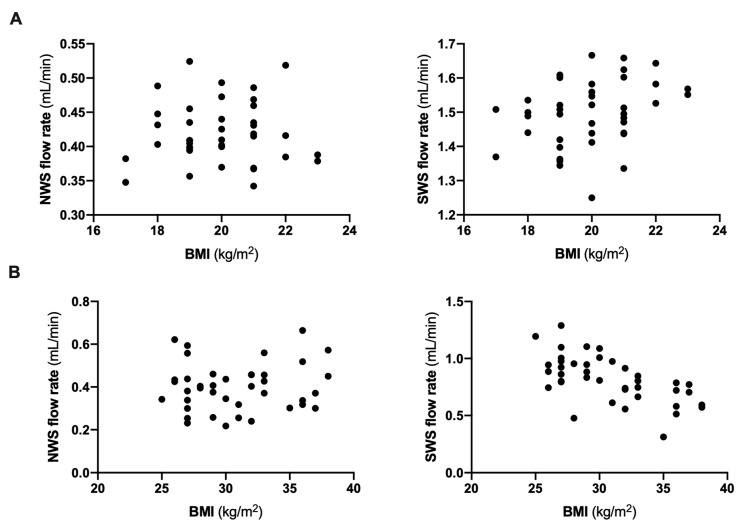
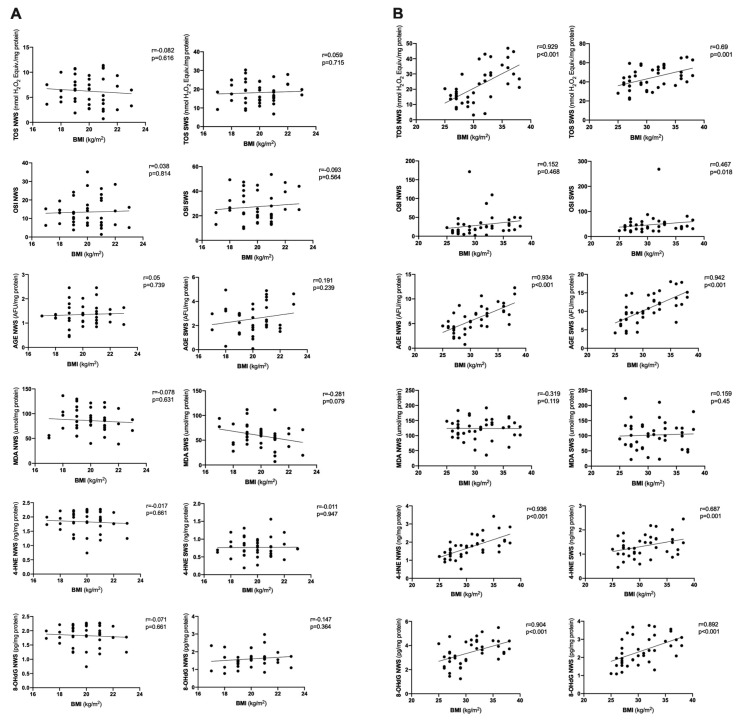
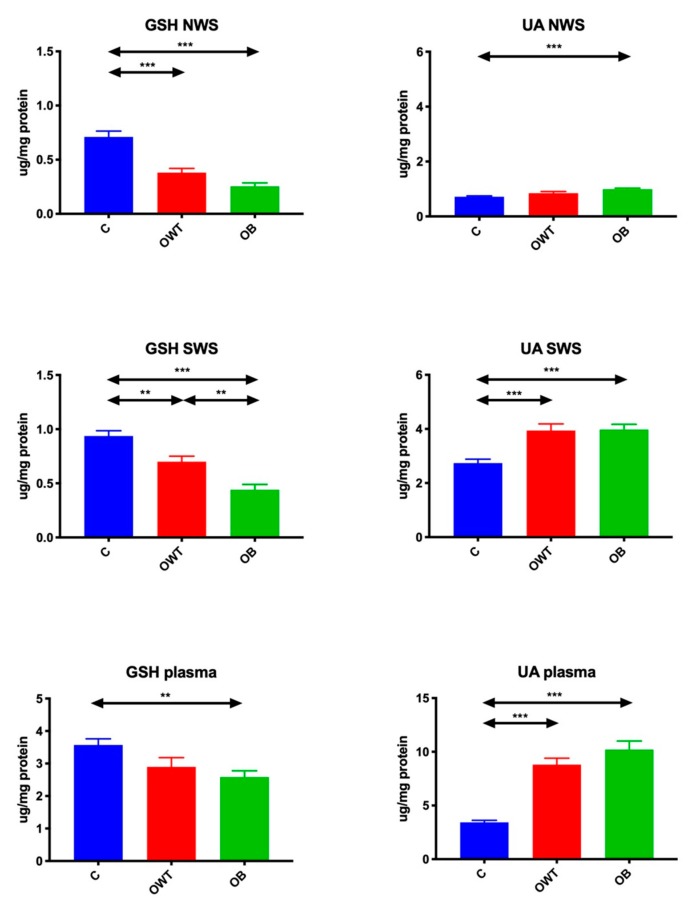
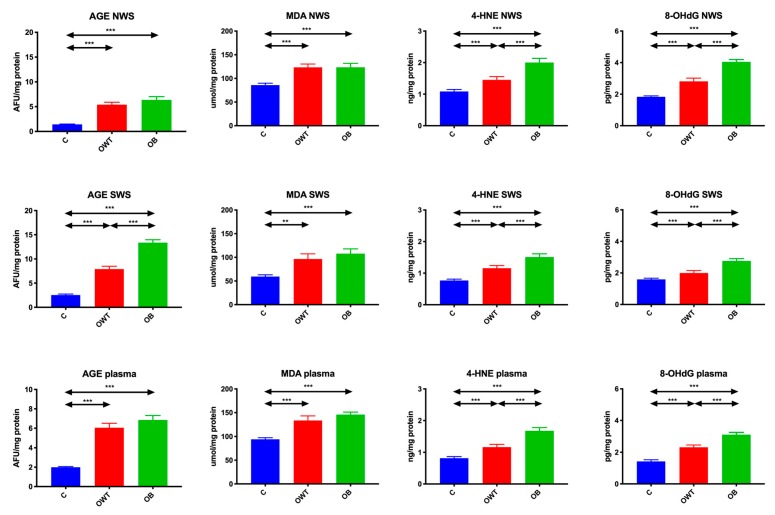
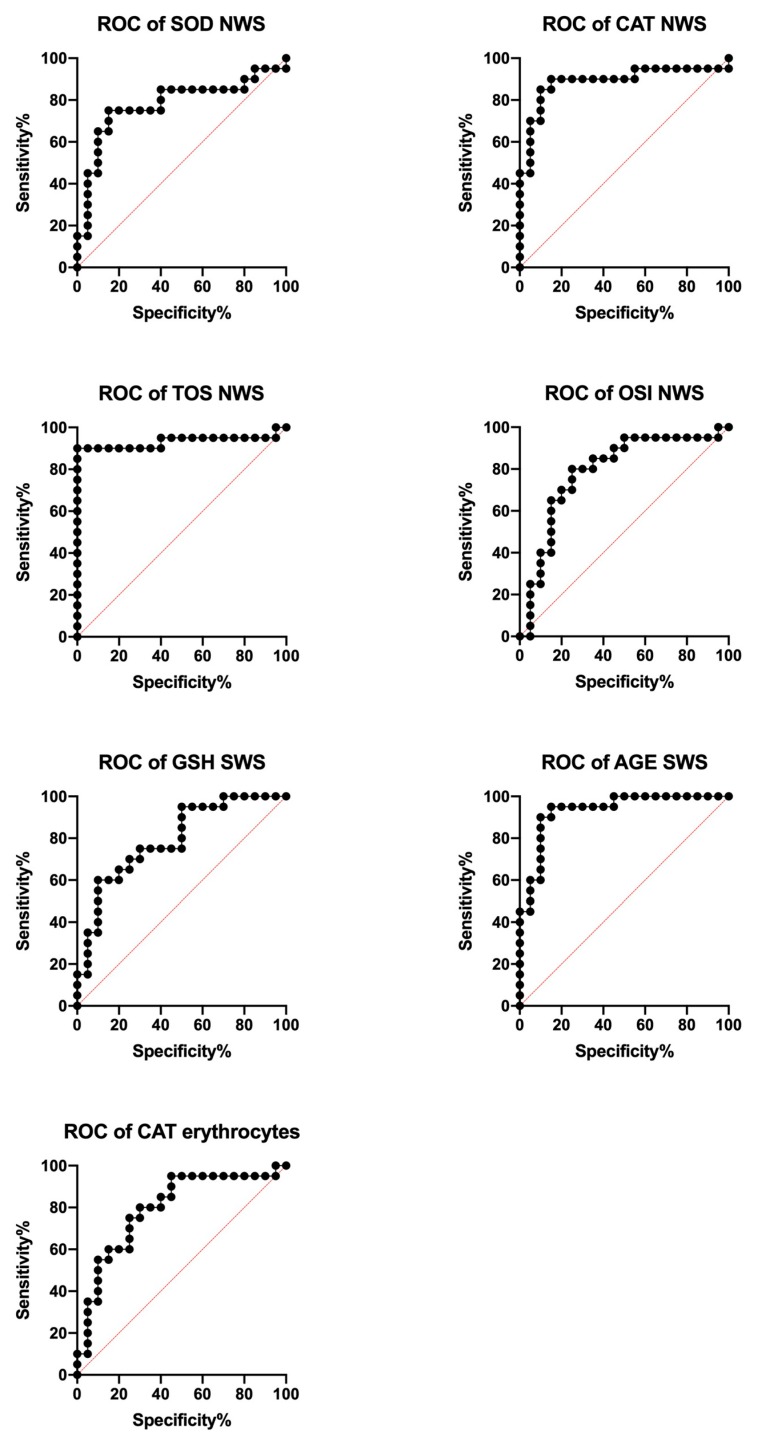
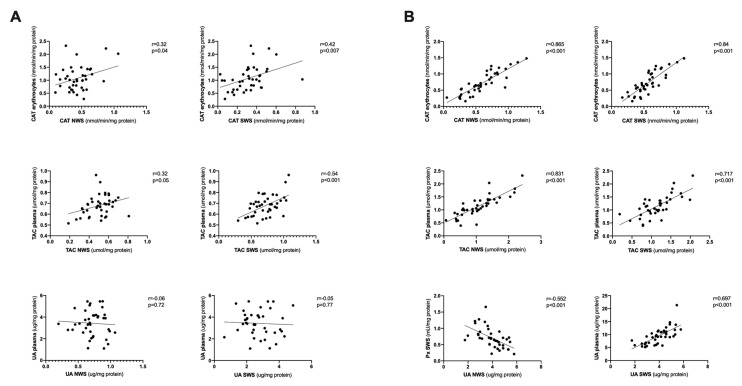
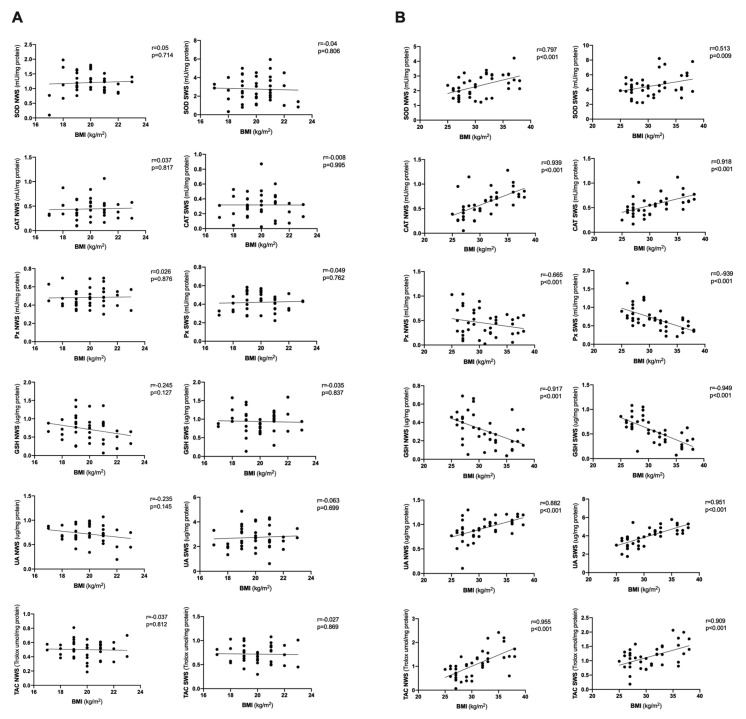
Obesity is inseparably connected with oxidative stress. This process may disturb the functioning of the oral cavity, although the effect of oxidative stress on salivary gland function and changes in the qualitative composition of saliva are still unknown. Our study is the first to evaluate salivary redox homeostasis in 40 overweight and obese adolescents and in the age- and gender-matched control group. We demonstrated strengthening of the antioxidant barrier (superoxide dismutase, catalase, peroxidase, uric acid, total antioxidant capacity (TAC)) with a simultaneous decrease in reduced glutathione concentration in saliva (non-stimulated/stimulated) in overweight and obese teenagers compared to the controls. The concentration of the products of oxidative damage to proteins (advanced glycation end products), lipids (malondialdehyde, 4-hydroxynonenal) and DNA (8-hydroxydeoxyguanosine) as well as total oxidative status were significantly higher in both non-stimulated and stimulated saliva as well as plasma of overweight and obese adolescents. Importantly, we observed more severe salivary and plasma redox alterations in obese adolescents compared to overweight individuals. In the study group, we also noted a drop in stimulated salivary secretion and a decrease in total protein content. Interestingly, dysfunction of parotid glands in overweight and obese teenagers intensified with the increase of BMI. We also showed that the measurement of salivary catalase and TAC could be used to assess the central antioxidant status of overweight and obese adolescents.
肥胖与氧化应激密切相关。这一过程可能会干扰口腔功能,尽管氧化应激对唾液腺功能及唾液定性成分变化的影响尚不清楚。我们的研究首次评估了40名超重和肥胖青少年以及年龄和性别匹配的对照组的唾液氧化还原稳态。我们发现,与对照组相比,超重和肥胖青少年唾液(非刺激/刺激)中的抗氧化屏障(超氧化物歧化酶、过氧化氢酶、过氧化物酶、尿酸、总抗氧化能力(TAC))增强,同时还原型谷胱甘肽浓度降低。超重和肥胖青少年的非刺激唾液、刺激唾液以及血浆中,蛋白质氧化损伤产物(晚期糖基化终产物)、脂质(丙二醛、4-羟基壬烯醛)和DNA(8-羟基脱氧鸟苷)的浓度以及总氧化状态均显著更高。重要的是,我们观察到,与超重个体相比,肥胖青少年的唾液和血浆氧化还原改变更为严重。在研究组中,我们还注意到刺激唾液分泌减少以及总蛋白含量降低。有趣的是,超重和肥胖青少年腮腺功能障碍随着体重指数的增加而加剧。我们还表明,测量唾液过氧化氢酶和TAC可用于评估超重和肥胖青少年的中枢抗氧化状态。