Department of Cardiology Ward 1, The First Affiliated Hospital of Guangxi Medical University, Nanning, Guangxi, China (mainland).
Department of Geriatric Endocrinology, The First Affiliated Hospital of Guangxi Medical University, Nanning, Guangxi, China (mainland).
Med Sci Monit. 2020 Feb 21;26:e920485. doi: 10.12659/MSM.920485.
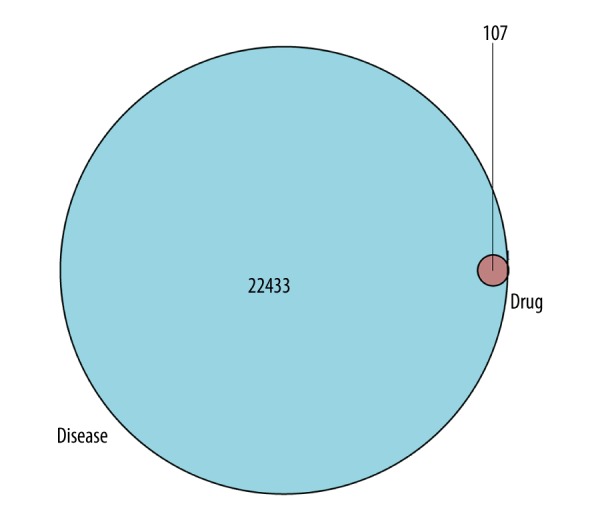
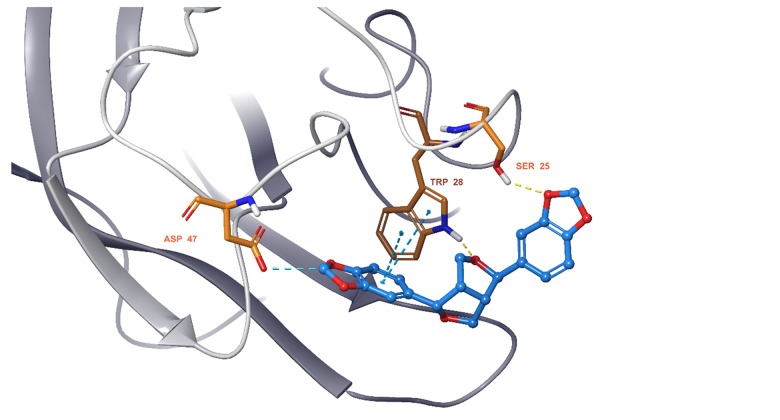
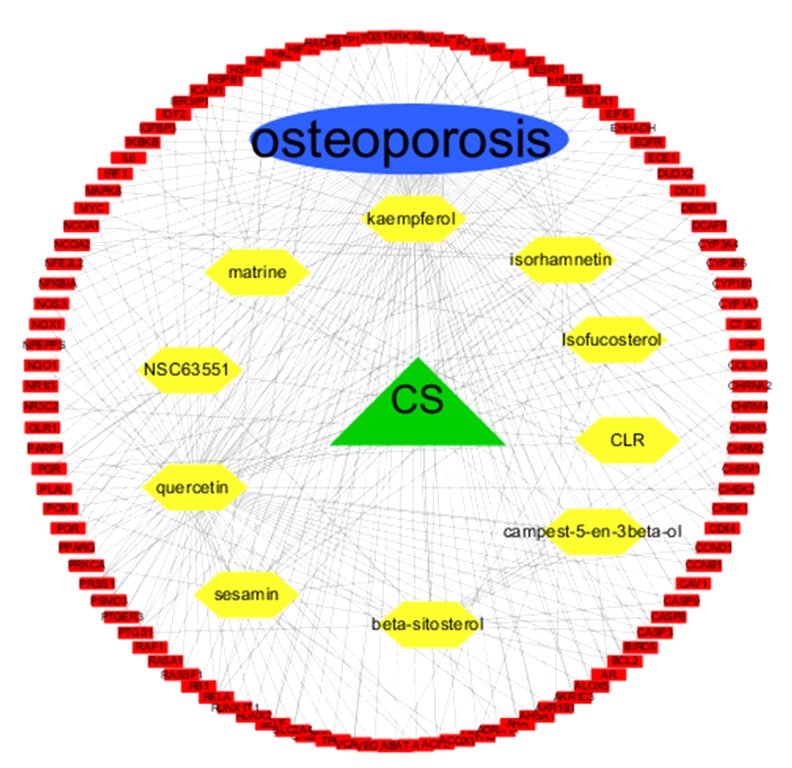
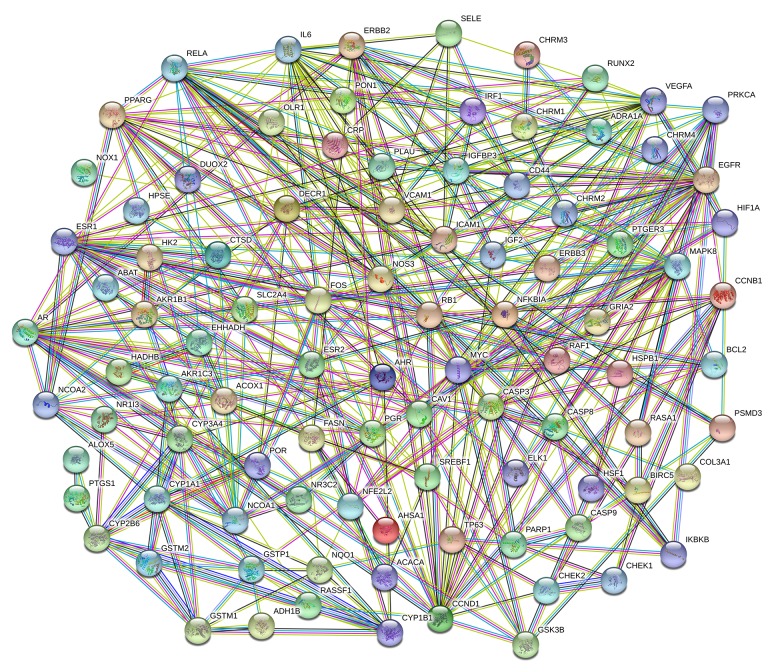
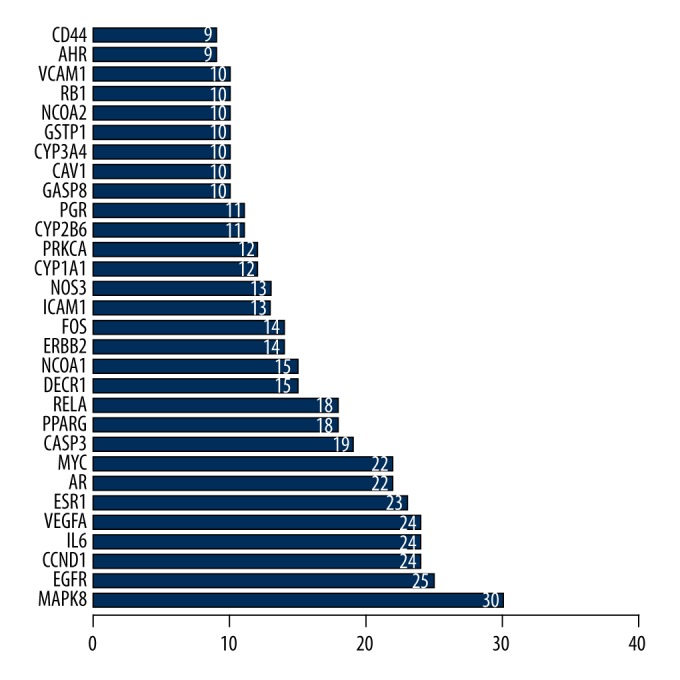
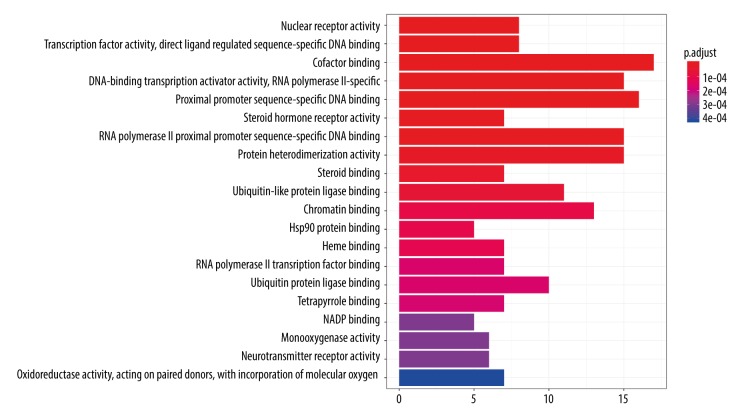
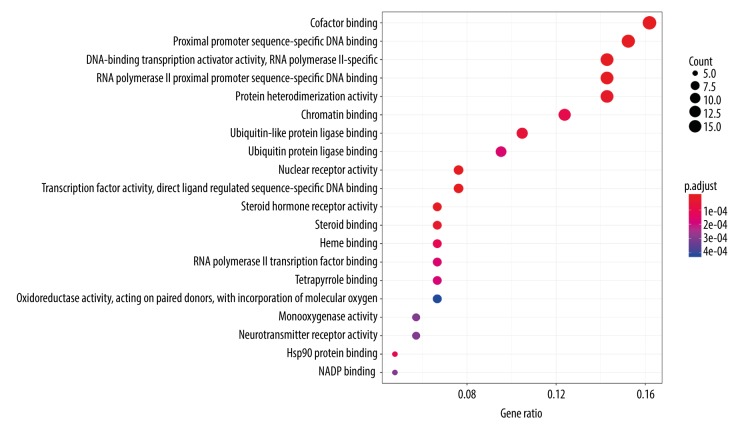
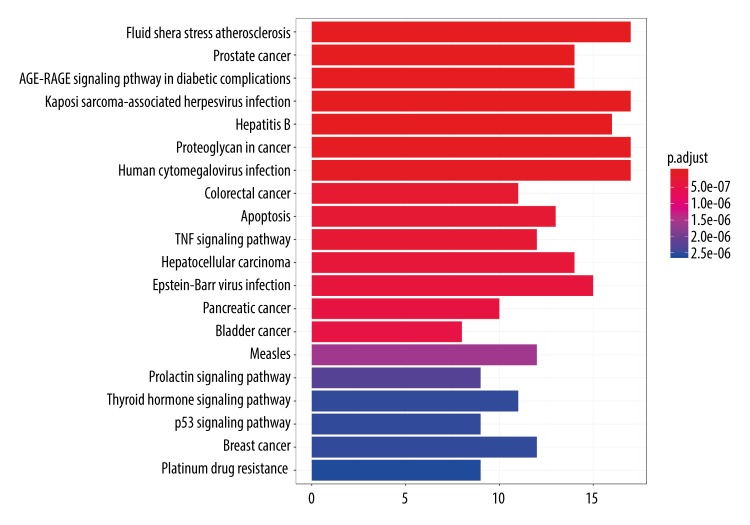
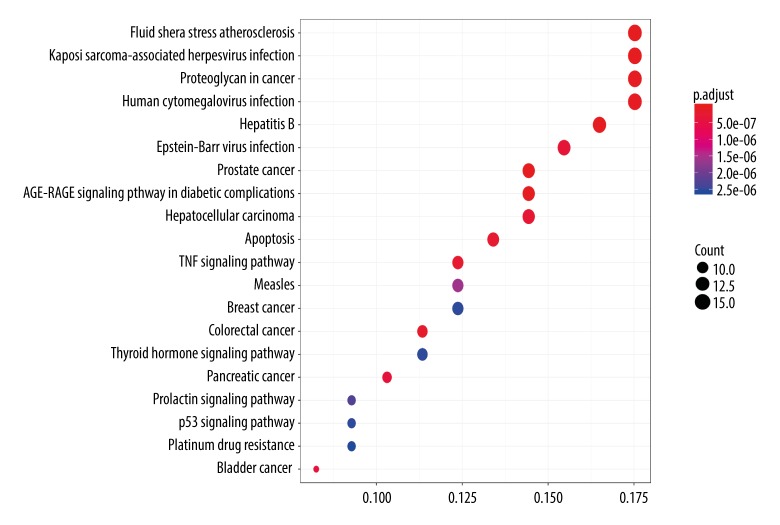
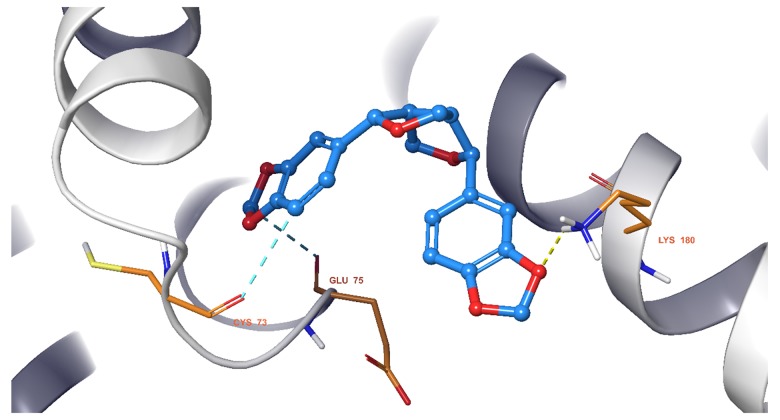
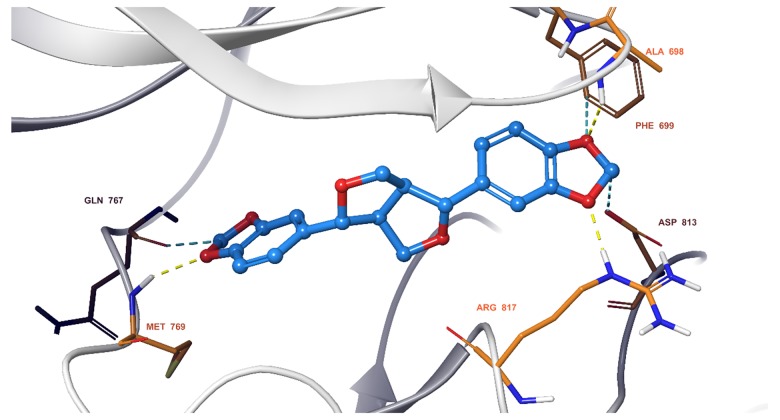
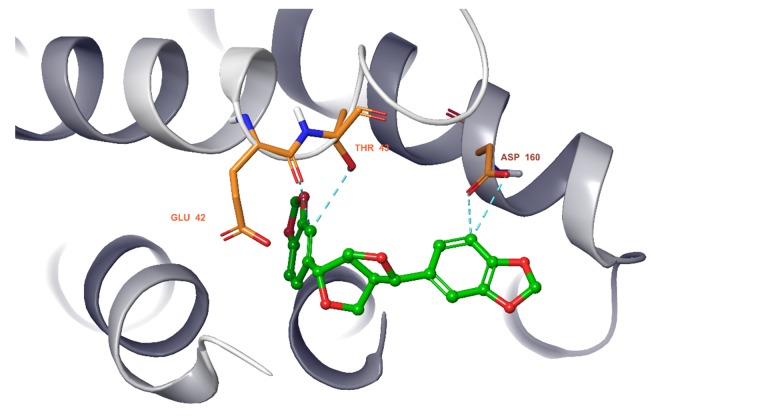
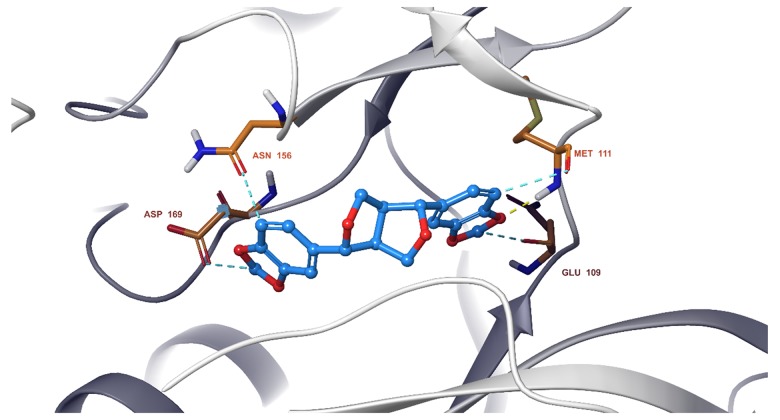
BACKGROUND Osteoporosis is a metabolic osteopathy characterized by abnormal bone mass and microstructure that has become a public health problem worldwide. Cuscutae semen (CS) is a traditional Chinese medicine (TCM) that has a positive effect on the prevention and treatment of osteoporosis. However, the mechanism of CS is unclear. Therefore, this study aimed to reveal the possible molecular mechanism involved in the effects of CS on osteoporosis based on a network pharmacology approach. MATERIAL AND METHODS The inactive and active ingredients of CS were identified by searching the pharmacology analysis platform of the Chinese medicine system (TCMSP), and the targets of osteoporosis were screened in the relevant databases, such as GeneCards, PubMed, and the Comparative Toxicogenomics Database (CTD). The network of "medicine-ingredients-disease-targets (M-I-D-T)" was established by means of network pharmacology, and the key targets and core pathways were determined by R analysis. Molecular docking methods were used to evaluate the binding activity between the target and the active ingredients of CS. RESULTS Eleven active ingredients were identified in CS, and 175 potential targets of the active ingredients were also identified from the TCMSP. Moreover, we revealed 22 539 targets related to osteoporosis in the 3 well-established databases, and we determined the intersection of the disease targets and the potential targets of the active ingredients; 107 common targets were identified and used in further analysis. Additionally, biological processes and signaling pathways involved in target action, such as fluid shear stress, atherosclerosis, cancer pathways, and the TNF signaling pathway, were determined. Finally, we chose the top 5 common targets, CCND1, EGFR, IL6, MAPK8, and VEGFA, for molecular docking with the 11 active ingredients of CS. CONCLUSIONS This study suggested that CS has multiple ingredients and multiple targets relevant to the treatment of osteoporosis. We determined that the active ingredient, sesamin, may be the most crucial ingredient of CS for the treatment of osteoporosis. Additionally, the network pharmacology method provided a novel research approach to analyze the function of complex ingredients.
骨质疏松症是一种代谢性骨病,其特征为骨量和微观结构异常,已成为全球公共卫生问题。菟丝子是一种中药,对防治骨质疏松症有积极作用。然而,其作用机制尚不清楚。因此,本研究旨在通过网络药理学方法,揭示菟丝子治疗骨质疏松症的可能分子机制。
通过中药系统药理学分析平台(TCMSP)检索菟丝子的无效和有效成分,并在相关数据库(如 GeneCards、PubMed 和比较毒理学基因组数据库(CTD))中筛选骨质疏松症靶点。采用网络药理学方法构建“药物-成分-疾病-靶点(M-I-D-T)”网络,并通过 R 分析确定关键靶点和核心通路。采用分子对接方法评价靶点与菟丝子活性成分的结合活性。
从 TCMSP 中鉴定出 11 种菟丝子的活性成分,同时还鉴定出这些活性成分的 175 个潜在靶点。此外,我们从 3 个已建立的数据库中揭示了与骨质疏松症相关的 22539 个靶点,并确定了疾病靶点与活性成分潜在靶点的交集,共鉴定出 107 个共同靶点,并进一步用于分析。此外,还确定了涉及靶点作用的生物学过程和信号通路,如流体剪切力、动脉粥样硬化、癌症途径和 TNF 信号通路等。最后,我们选择了 5 个常见的共同靶点,即 CCND1、EGFR、IL6、MAPK8 和 VEGFA,与菟丝子的 11 种活性成分进行分子对接。
本研究表明菟丝子有多种成分和多个与骨质疏松症治疗相关的靶点。我们确定,活性成分芝麻素可能是菟丝子治疗骨质疏松症的最关键成分。此外,网络药理学方法为分析复杂成分的功能提供了一种新的研究方法。