Foshan Hospital of Traditional Chinese Medicine, Foshan, 528000, China.
First Clinical Medical College, Guangzhou University of Chinese Medicine, Guangzhou, 510405, China.
BMC Complement Med Ther. 2020 Jul 3;20(1):208. doi: 10.1186/s12906-020-03007-1.
Xianlinggubao formula (XLGB), a Chinese State Food and Drug Administration-permitted traditional Chinese herbal medicine, has been extensively used to treat osteoporosis. Although XLGB was shown to improve bone mass in ovariectomized rats and clinically alleviate osteoporosis symptoms, its pharmacological mechanisms remain unclear.
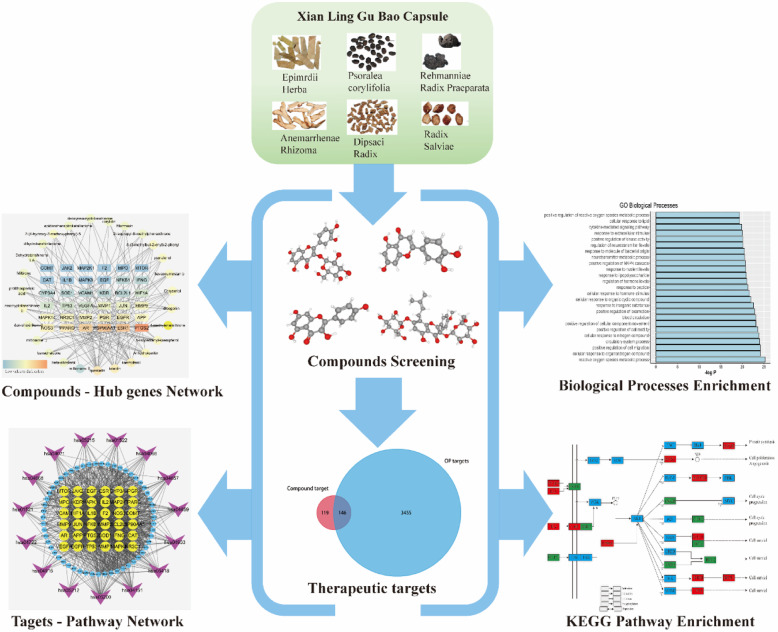
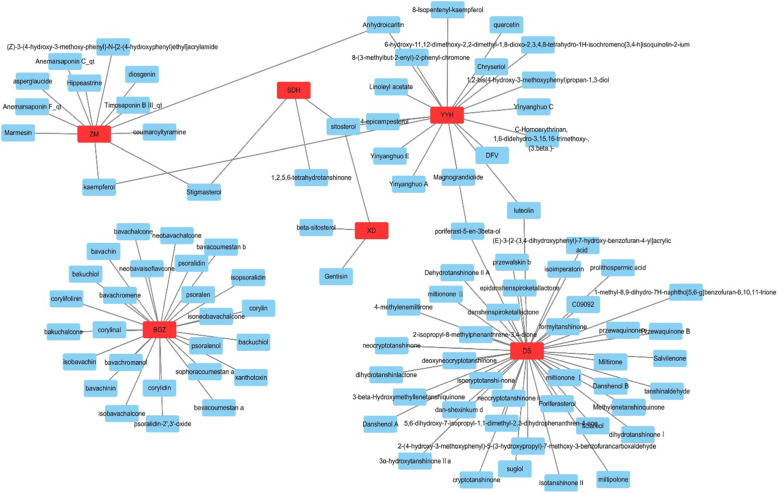
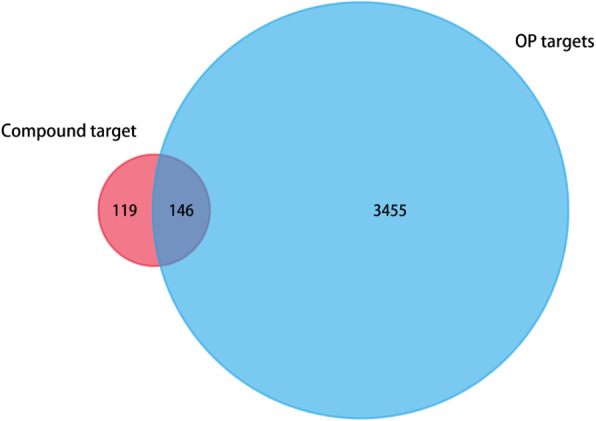
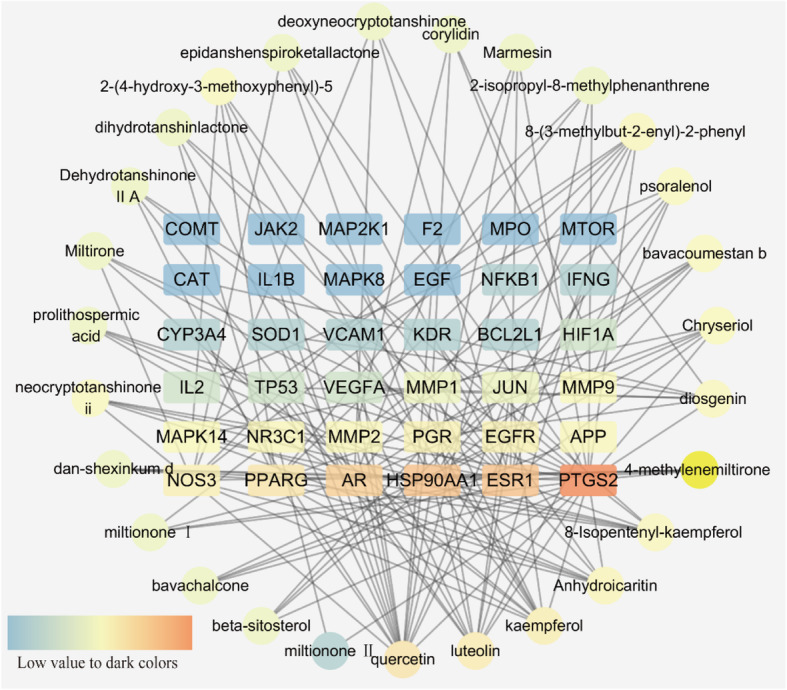
In this study, we used a network pharmacological approach to explore the potential mechanism of XLGB in treating osteoporosis. We obtained XLGB compounds from the TCMSP and TCMID databases and identified potential targets of these compounds through target fishing based on the TCMSP and Swiss Target Prediction databases. Next, we identified the osteoporosis targets by using the CTD, TTD, GeneCards, OMIM and PharmGKB databases. Then, the overlapping genes between the XLGB potential targets and the osteoporosis targets were used to establish a protein-protein interaction (PPI) network and to analyze their interactions and identify the major hub genes in this network. Subsequently, the Metascape database was utilized to conduct the enrichment of Gene Ontology biological processes and Kyoto Encyclopedia of Genes and Genomes (KEGG) pathways.
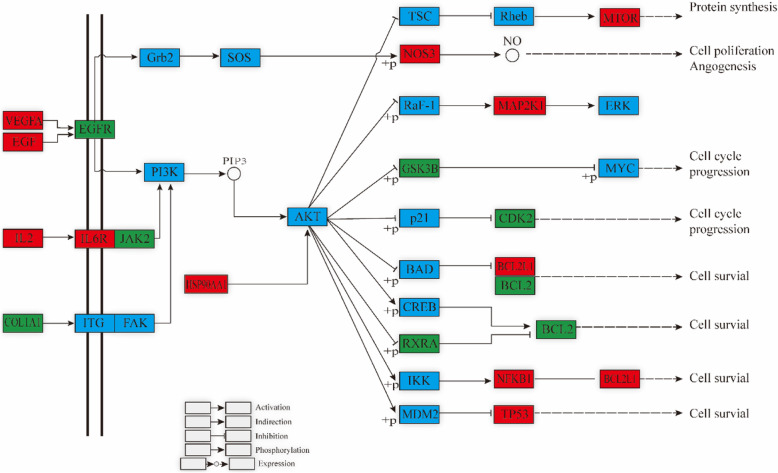
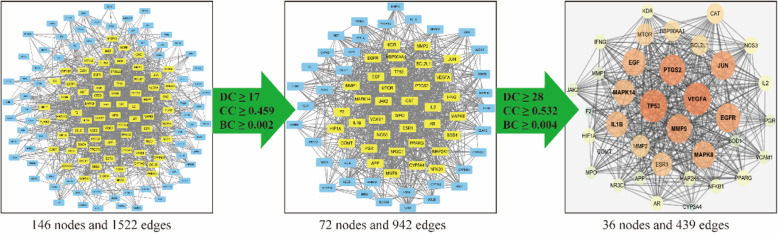
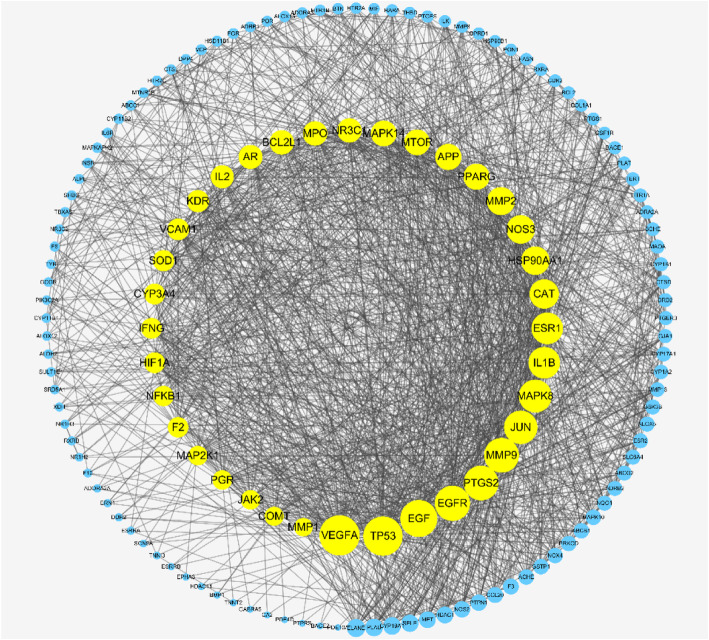
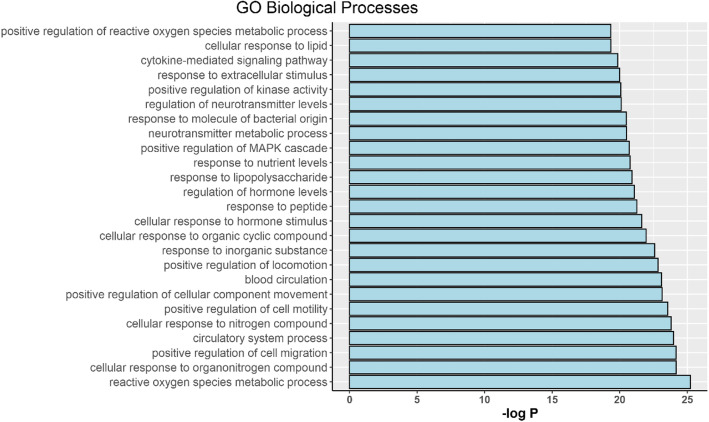
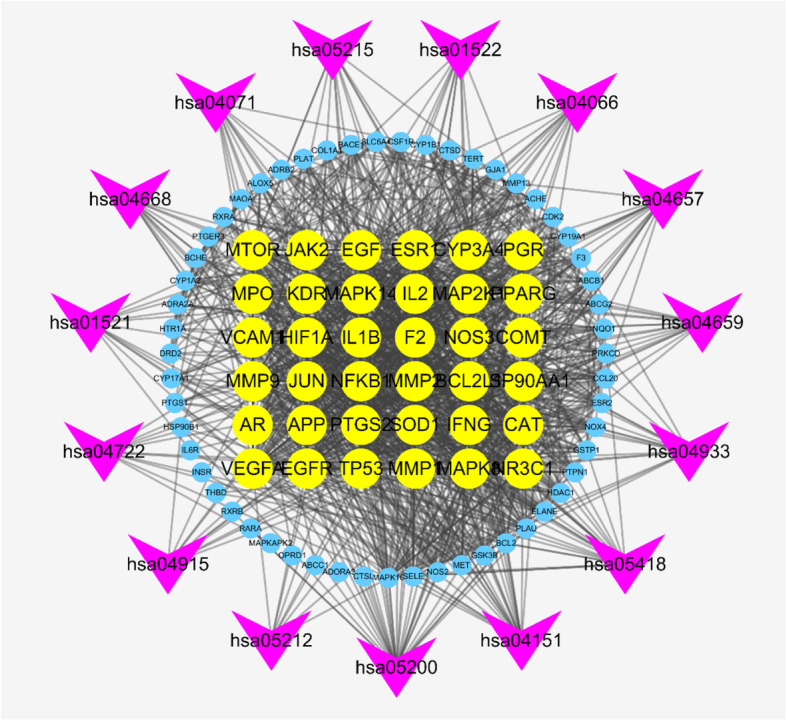
There were 104 active compounds and 295 related targets identified overall. After the Metascape enrichment analysis, we identified the top 25 cellular biological processes and top 15 pathways based on the logP value and found that the XLGB-mediated anti-osteoporosis effect was mainly associated with reactive oxygen species, organonitrogen compound response and cell migration. Furthermore, 36 hub genes of XLGB, such as EGF, EGFR, MTOR, MAPK14 and NFKB1, were considered potential therapeutic targets, suggesting the underlying mechanisms of XLGB acting on osteoporosis.
We investigated the possible therapeutic mechanisms of XLGB from a systemic perspective. These key targets and pathways provide promising directions for future research to reveal the exact regulatory mechanisms of XLGB.
仙灵骨葆配方(XLGB)是一种中国国家食品药品监督管理局批准的中药,已广泛用于治疗骨质疏松症。虽然 XLGB 已被证明可增加去卵巢大鼠的骨量,并在临床上缓解骨质疏松症症状,但其药理机制尚不清楚。
本研究采用网络药理学方法探讨 XLGB 治疗骨质疏松症的潜在机制。我们从 TCMSP 和 TCMID 数据库中获取 XLGB 化合物,并通过基于 TCMSP 和瑞士目标预测数据库的目标钓鱼法鉴定这些化合物的潜在靶点。接下来,我们使用 CTD、TTD、GeneCards、OMIM 和 PharmGKB 数据库来识别骨质疏松症靶点。然后,将 XLGB 潜在靶点和骨质疏松症靶点之间的重叠基因用于建立蛋白质-蛋白质相互作用(PPI)网络,并分析它们的相互作用,确定网络中的主要枢纽基因。随后,使用 Metascape 数据库对基因本体生物过程和京都基因与基因组百科全书(KEGG)通路进行富集分析。
总共鉴定出 104 种活性化合物和 295 个相关靶点。通过 Metascape 富集分析,我们根据 logP 值确定了前 25 个细胞生物学过程和前 15 个通路,发现 XLGB 介导的抗骨质疏松作用主要与活性氧、有机氮化合物反应和细胞迁移有关。此外,XLGB 的 36 个枢纽基因,如 EGF、EGFR、MTOR、MAPK14 和 NFKB1,被认为是潜在的治疗靶点,这表明了 XLGB 作用于骨质疏松症的潜在机制。
我们从系统的角度研究了 XLGB 可能的治疗机制。这些关键靶点和通路为进一步研究提供了有希望的方向,以揭示 XLGB 的确切调控机制。