College of Pharmaceutical Sciences, Key Laboratory of Pharmaceutical Quality Control of Hebei Province, Institute of Life Science and Green Development, Hebei University, Baoding, 071002, People's Republic of China.
Department of Urology, Peking University International Hospital, Beijing, 102206, People's Republic of China.
BMC Complement Med Ther. 2022 Jul 25;22(1):199. doi: 10.1186/s12906-022-03677-z.
The incidence of allergic reaction is increasing year by year, but the specific mechanism is still unclear. Paeonia lactiflora Pall.(PLP) is a traditional Chinese medicine with various pharmacological effects such as anti-tumor, anti-inflammatory, and immune regulation. Previous studies have shown that PLP has potential anti-allergic activity. However, there is still no comprehensive analysis of the targeted effects and exact molecular mechanisms of the anti-allergic components of PLP. This study aimed to reveal the mechanism of PLP. in the treatment of type I allergy by combining network pharmacological methods and experimental verification.
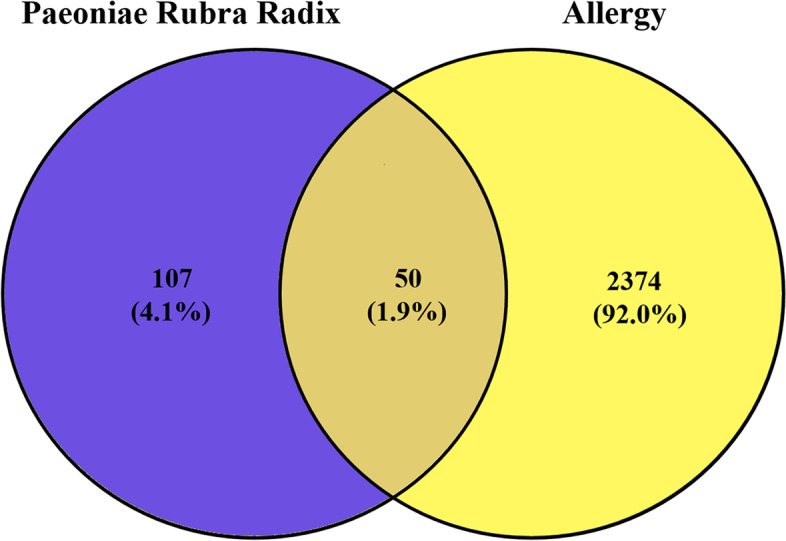
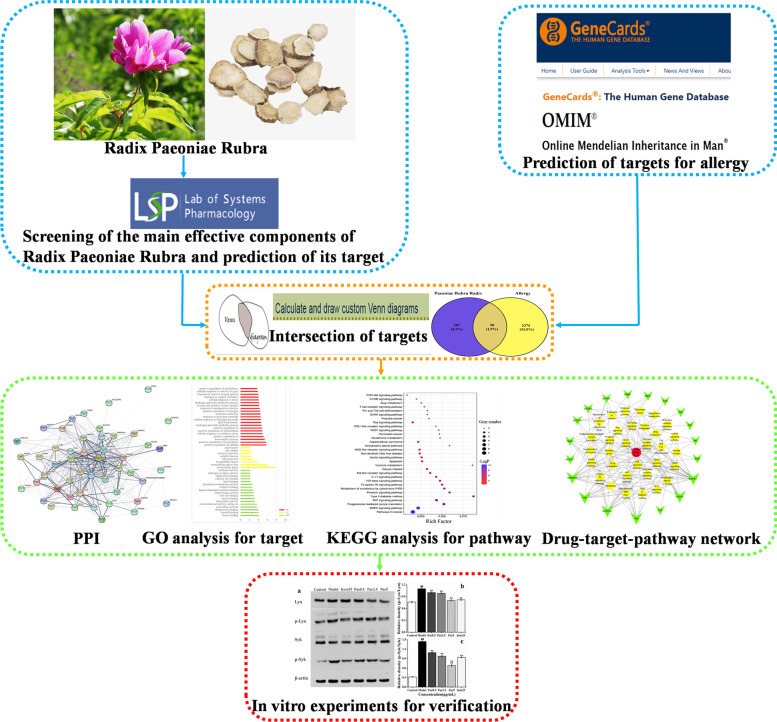
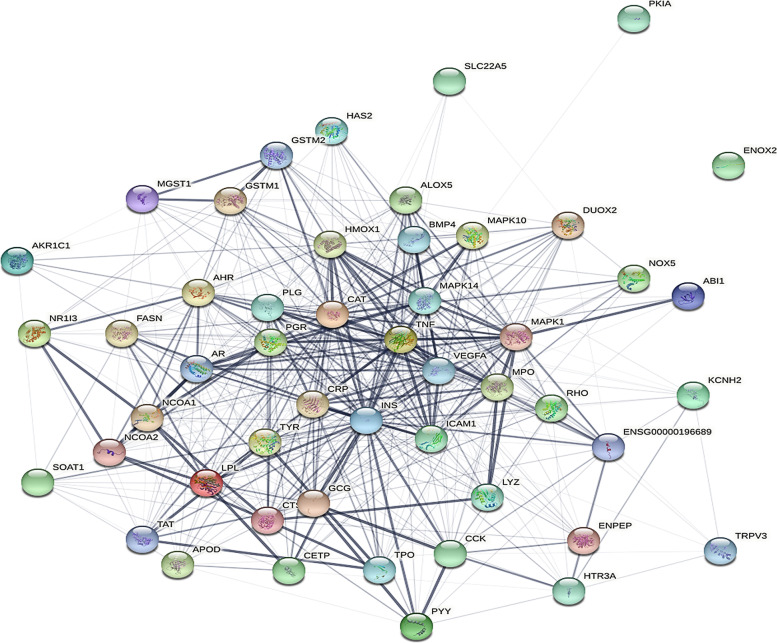
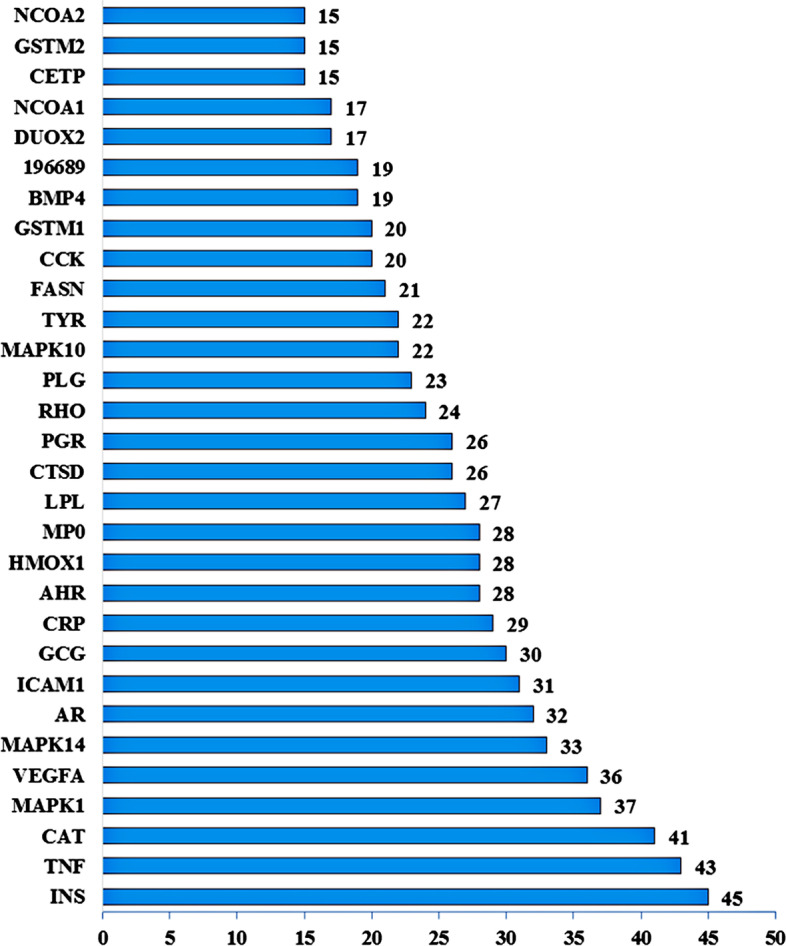
First, we used the traditional Chinese medicine systems pharmacology (TCMSP) database and analysis platform to screen the main components and targets of PLP, and then used databases such as GeneCards to retrieve target information related to 'allergy'. Protein-protein interaction (PPI) analysis obtained the core target genes in the intersection target, and then imported the intersection target into the David database for gene ontology (GO) and Kyoto encyclopedia of genes and genomes (KEGG) analysis. Furthermore, the therapeutic effect of paeoniflorin, the main component of PLP, on IgE-induced type I allergy was evaluated in vitro.
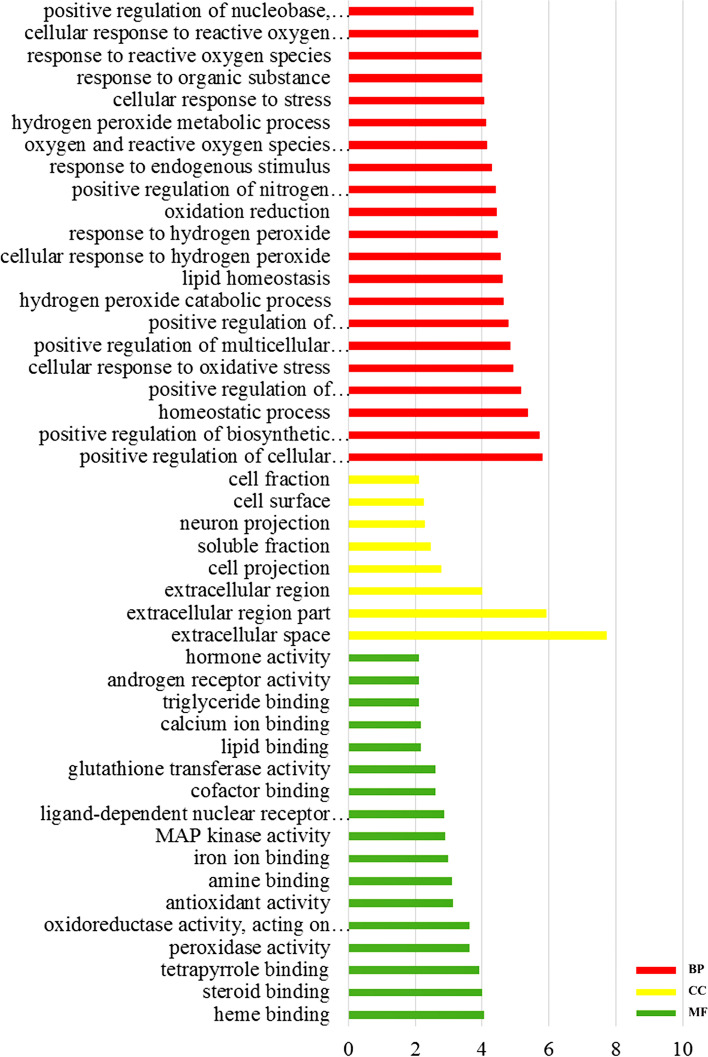
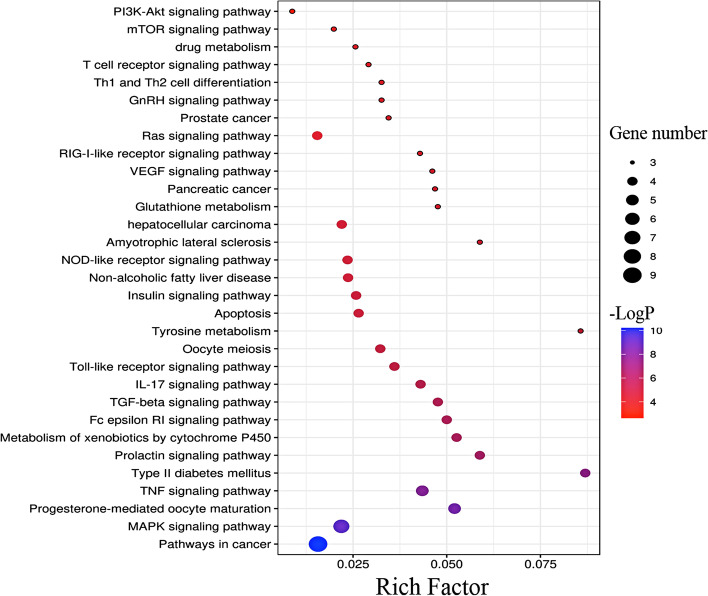
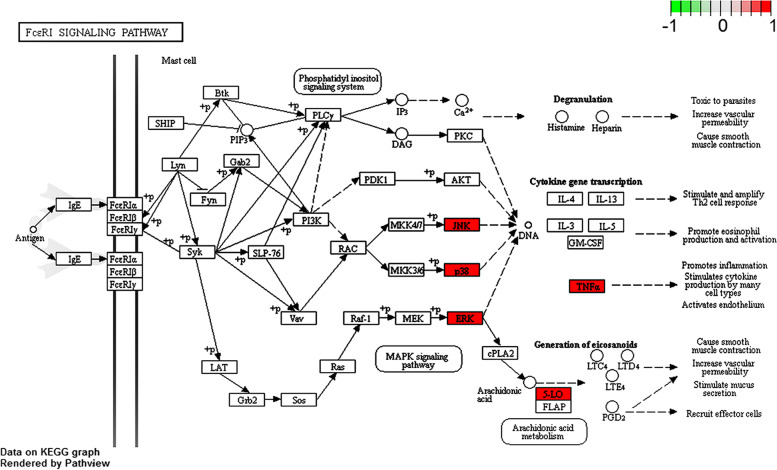
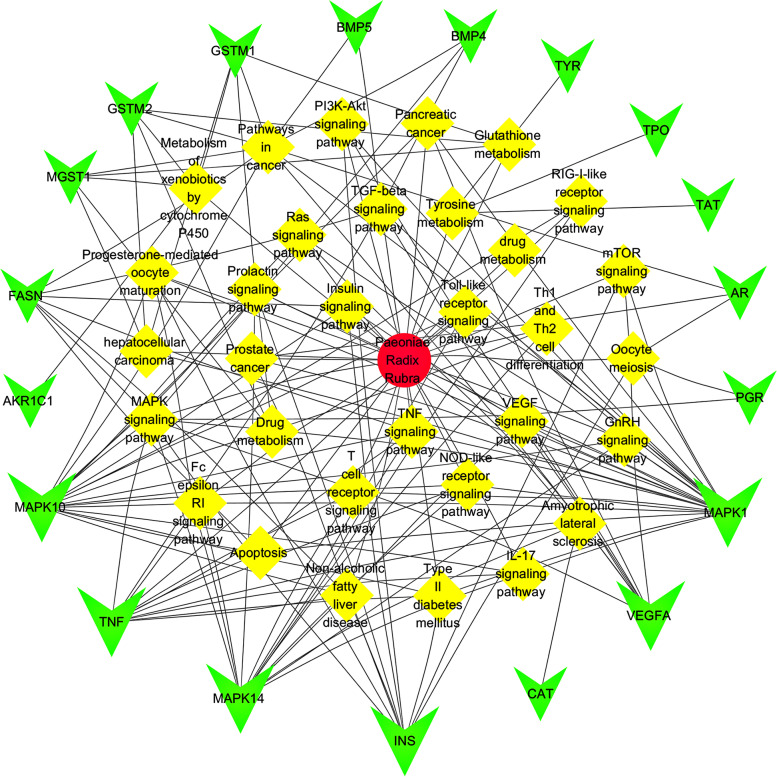
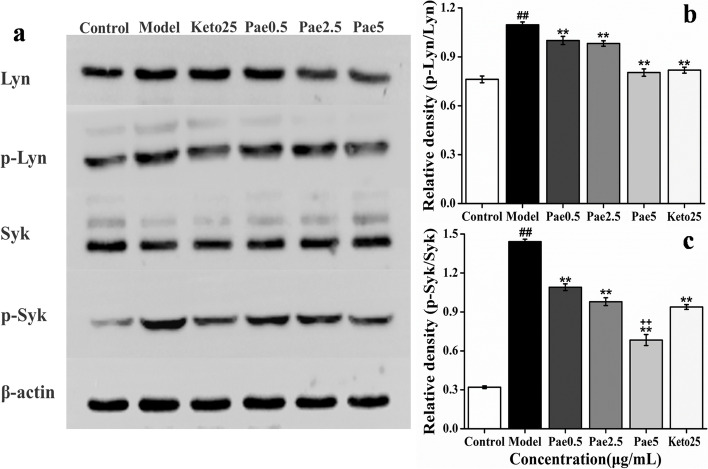
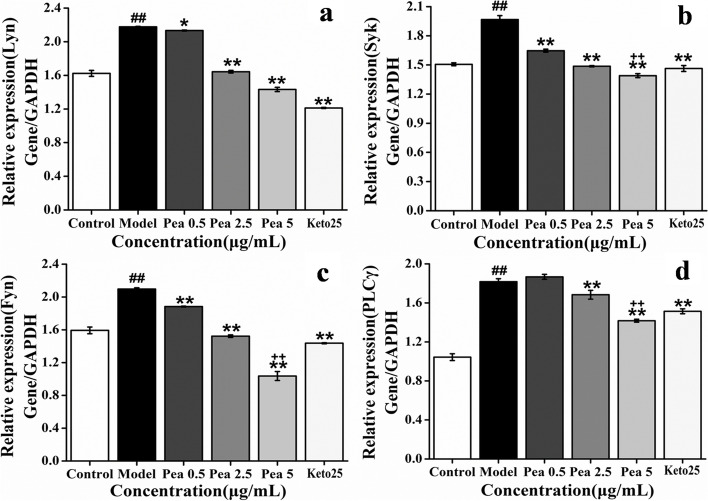
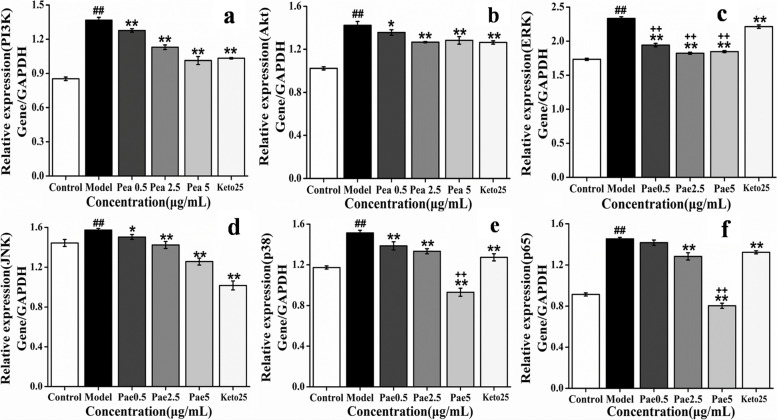
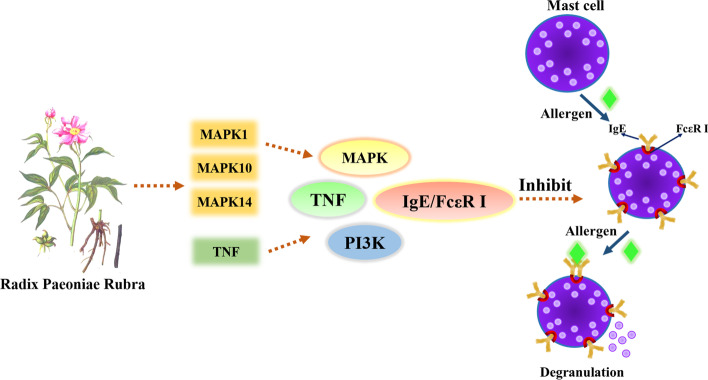
GO analysis obtained the main biological processes, cell components and molecular functions involved in the target genes. KEGG analysis screened out MAPK1, MAPK10, MAPK14 and TNF that have a strong correlation with PLP anti-type I allergy, and showed that PLP may pass through signal pathways such as IgE/FcεR I, PI3K/Akt and MAPK to regulate type I allergy. RT-qPCR and Western Blot results confirmed that paeoniflorin can inhibit the expression of key genes and down-regulate the phosphorylation level of proteins in these signal pathways. It further proved the reliability of the results of network pharmacology research.
The results of this study will provide a basis for revealing the multi-dimensional regulatory mechanism of PLP for the treatment of type I allergy and the development of new drugs.
过敏反应的发病率逐年增加,但具体机制尚不清楚。白芍(PLP)是一种具有多种药理作用的传统中药,如抗肿瘤、抗炎和免疫调节。先前的研究表明,PLP 具有潜在的抗过敏活性。然而,目前仍然没有对 PLP 抗过敏成分的靶向作用和确切分子机制进行全面分析。本研究旨在结合网络药理学方法和实验验证,揭示 PLP 治疗 I 型过敏的机制。
首先,我们使用中药系统药理学(TCMSP)数据库和分析平台筛选 PLP 的主要成分和靶点,然后使用 GeneCards 等数据库检索与“过敏”相关的靶点信息。蛋白质-蛋白质相互作用(PPI)分析获得交集靶点中的核心靶基因,然后将交集靶点导入 David 数据库进行基因本体(GO)和京都基因与基因组百科全书(KEGG)分析。此外,还在体外评估了 PLP 的主要成分白芍苷对 IgE 诱导的 I 型过敏的治疗作用。
GO 分析获得了靶基因所涉及的主要生物过程、细胞成分和分子功能。KEGG 分析筛选出与 PLP 抗 I 型过敏相关性较强的 MAPK1、MAPK10、MAPK14 和 TNF,表明 PLP 可能通过 IgE/FcεR I、PI3K/Akt 和 MAPK 等信号通路调节 I 型过敏。RT-qPCR 和 Western Blot 结果证实,白芍苷可以抑制这些信号通路中关键基因的表达,并下调蛋白的磷酸化水平。这进一步证实了网络药理学研究结果的可靠性。
本研究结果将为揭示 PLP 治疗 I 型过敏的多维调控机制以及新药的开发提供依据。