Peng Lihong, Liu Fuxing, Yang Jialiang, Liu Xiaojun, Meng Yajie, Deng Xiaojun, Peng Cheng, Tian Geng, Zhou Liqian
School of Computer Science, Hunan University of Technology, Zhuzhou, China.
Department of Sciences, Genesis (Beijing) Co. Ltd., Beijing, China.
Front Genet. 2020 Jan 31;10:1346. doi: 10.3389/fgene.2019.01346. eCollection 2019.
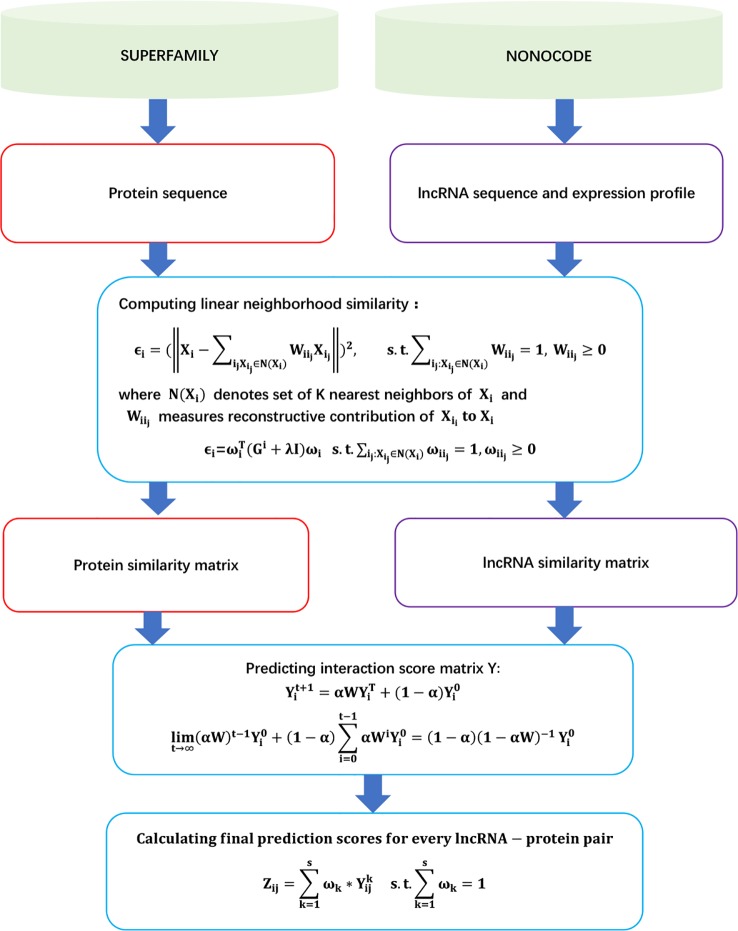
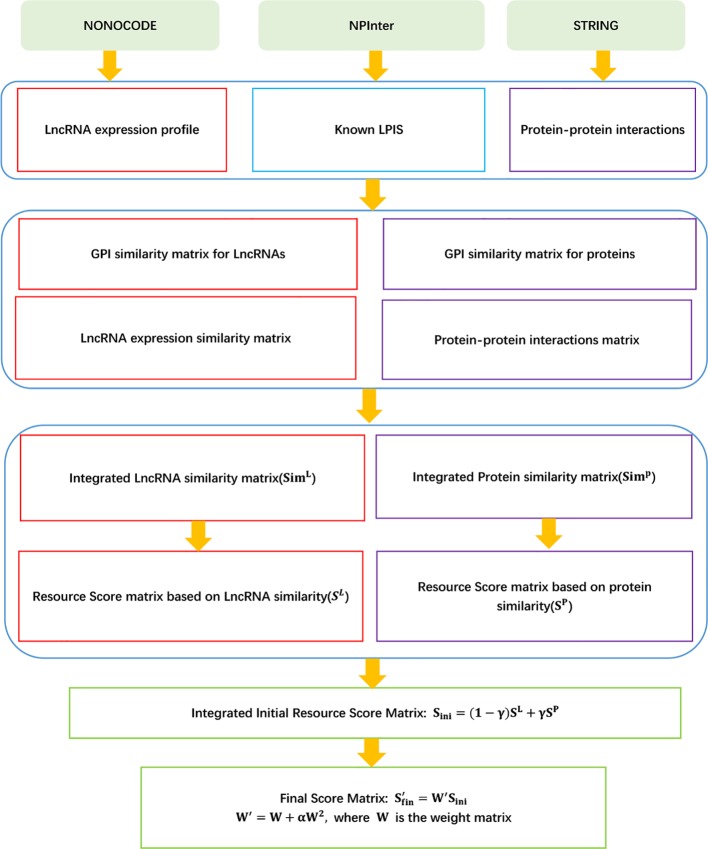
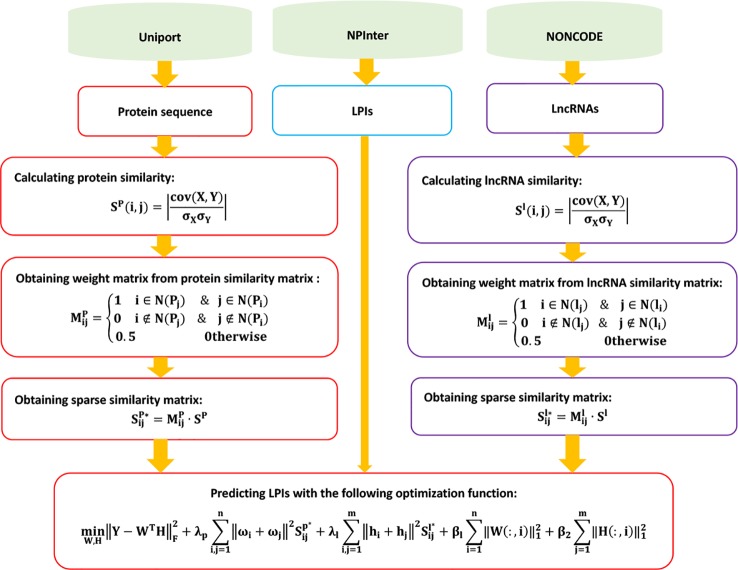
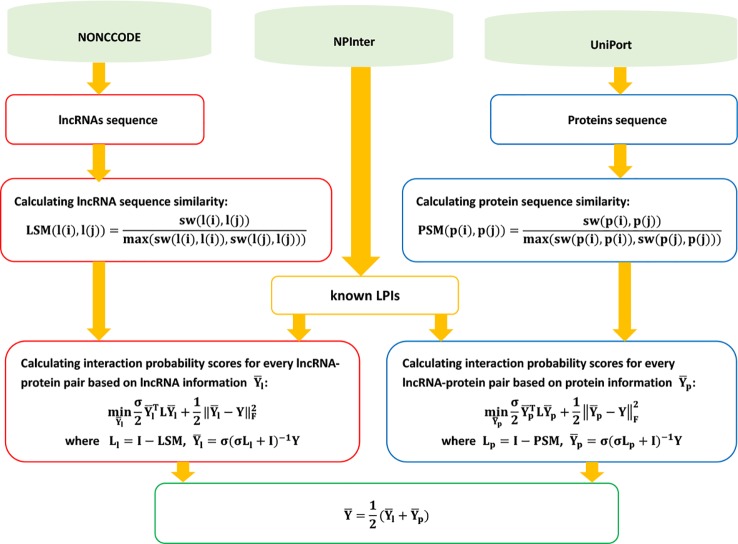
Identifying lncRNA-protein interactions (LPIs) is vital to understanding various key biological processes. Wet experiments found a few LPIs, but experimental methods are costly and time-consuming. Therefore, computational methods are increasingly exploited to capture LPI candidates. We introduced relevant data repositories, focused on two types of LPI prediction models: network-based methods and machine learning-based methods. Machine learning-based methods contain matrix factorization-based techniques and ensemble learning-based techniques. To detect the performance of computational methods, we compared parts of LPI prediction models on Leave-One-Out cross-validation (LOOCV) and fivefold cross-validation. The results show that SFPEL-LPI obtained the best performance of AUC. Although computational models have efficiently unraveled some LPI candidates, there are many limitations involved. We discussed future directions to further boost LPI predictive performance.
识别长链非编码RNA-蛋白质相互作用(LPI)对于理解各种关键生物学过程至关重要。湿实验发现了一些LPI,但实验方法成本高昂且耗时。因此,越来越多地采用计算方法来筛选LPI候选物。我们介绍了相关数据存储库,重点关注两种类型的LPI预测模型:基于网络的方法和基于机器学习的方法。基于机器学习的方法包括基于矩阵分解的技术和基于集成学习的技术。为了检测计算方法的性能,我们在留一法交叉验证(LOOCV)和五折交叉验证中比较了部分LPI预测模型。结果表明,SFPEL-LPI获得了最佳的AUC性能。尽管计算模型有效地揭示了一些LPI候选物,但仍存在许多局限性。我们讨论了进一步提高LPI预测性能的未来方向。