Kölsch Sarah, Ihmels Heiko, Mattay Jochen, Sewald Norbert, Patrick Brian O
Department of Chemistry and Biology, Organic Chemistry II, University of Siegen, Adolf-Reichwein-Str. 2, D-57068 Siegen, Germany.
Department of Chemistry, Organic and Bioorganic Chemistry, Bielefeld University, PO Box 100121, D-33501 Bielefeld, Germany.
Beilstein J Org Chem. 2020 Jan 23;16:111-124. doi: 10.3762/bjoc.16.13. eCollection 2020.
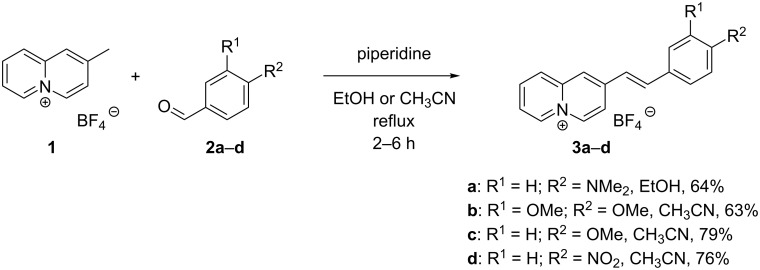
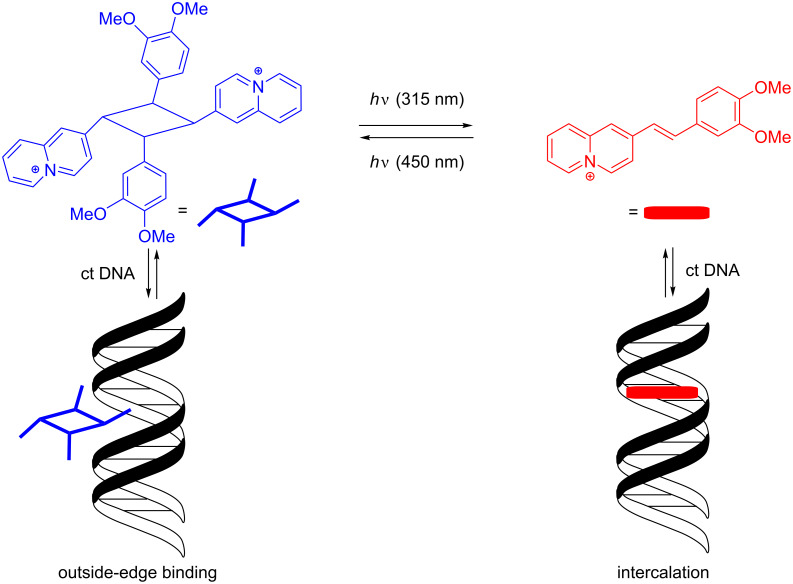
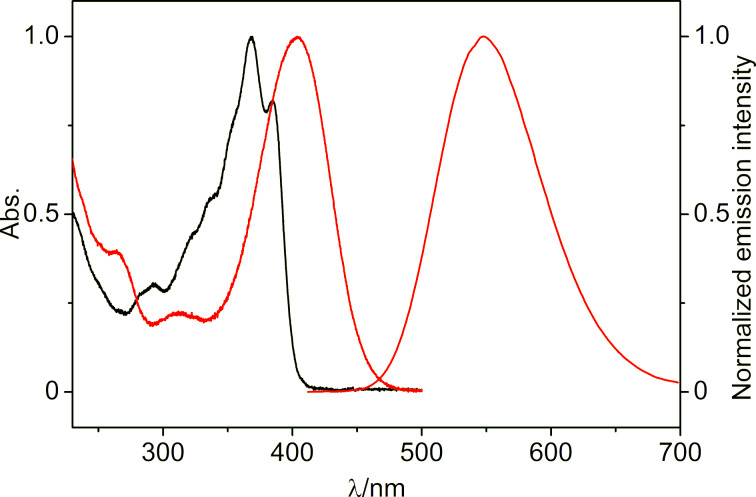
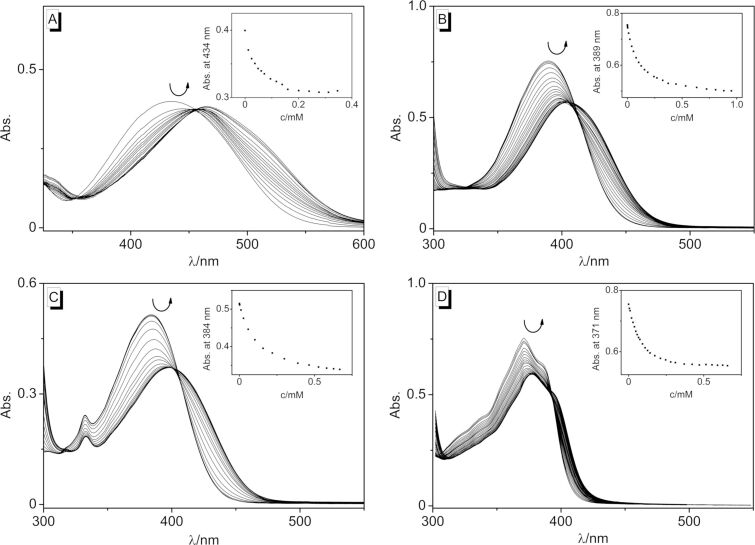
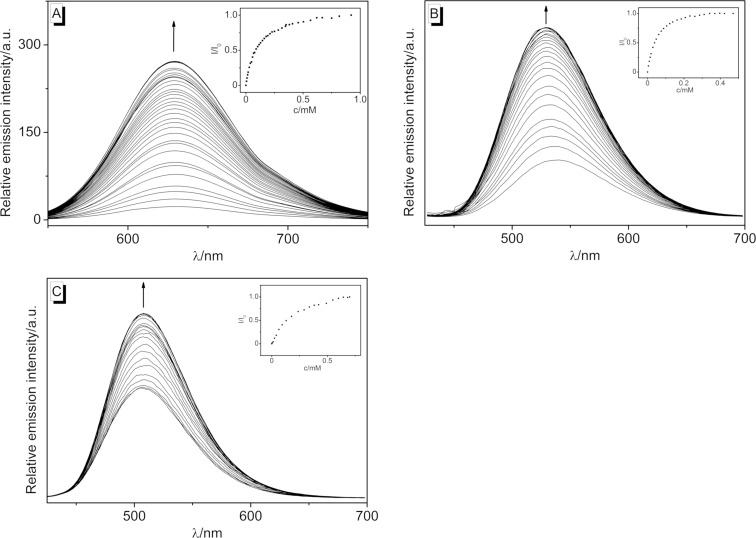
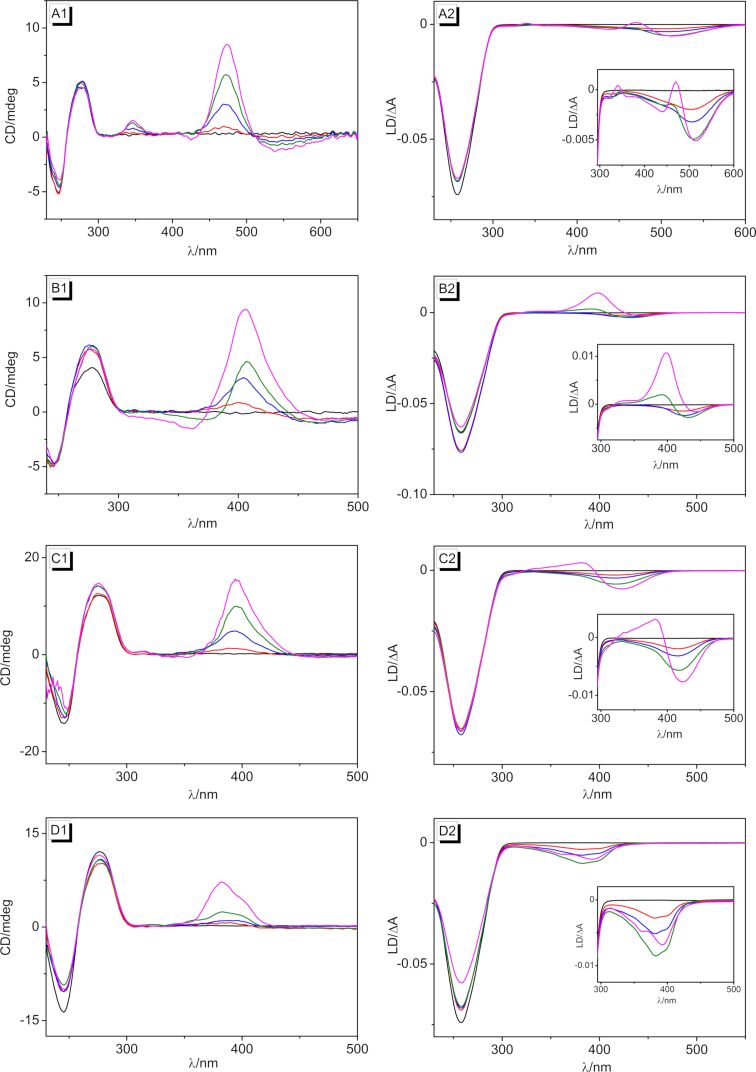
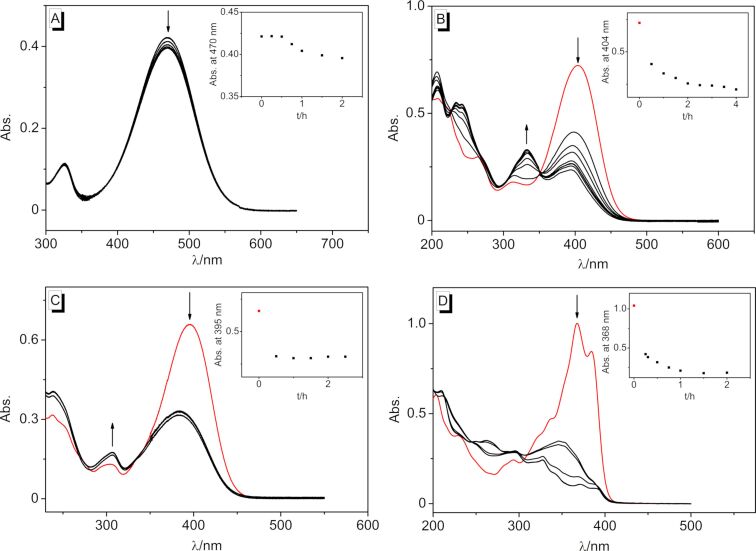
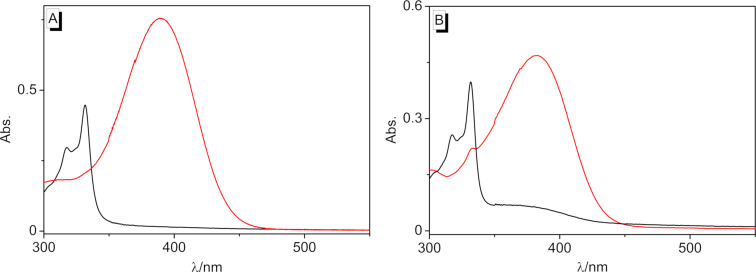
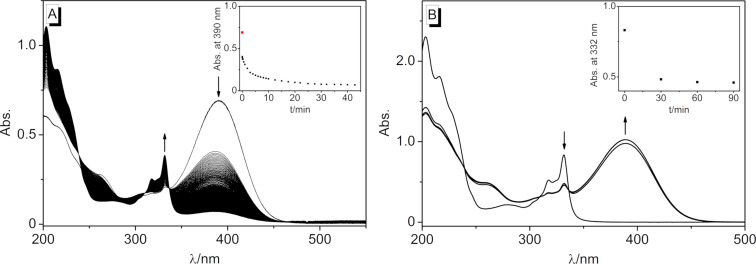
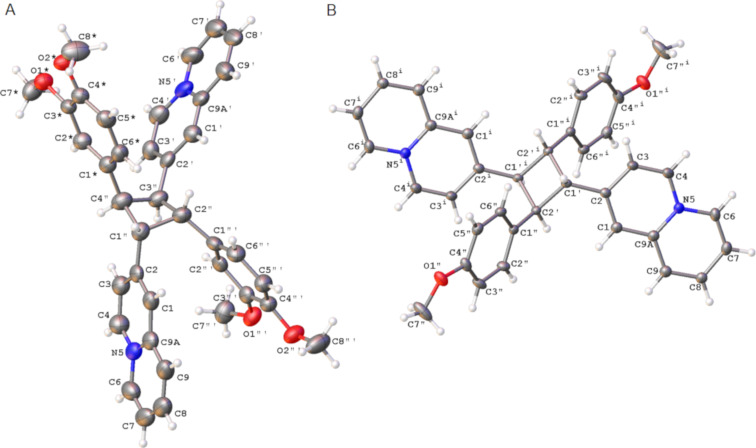
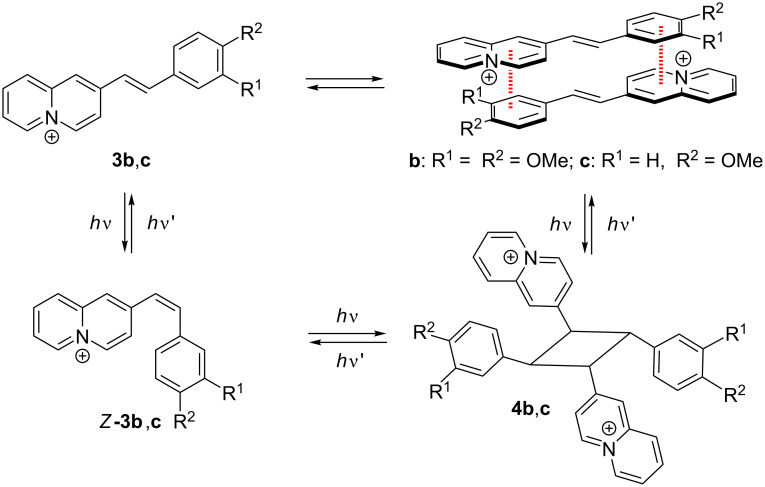
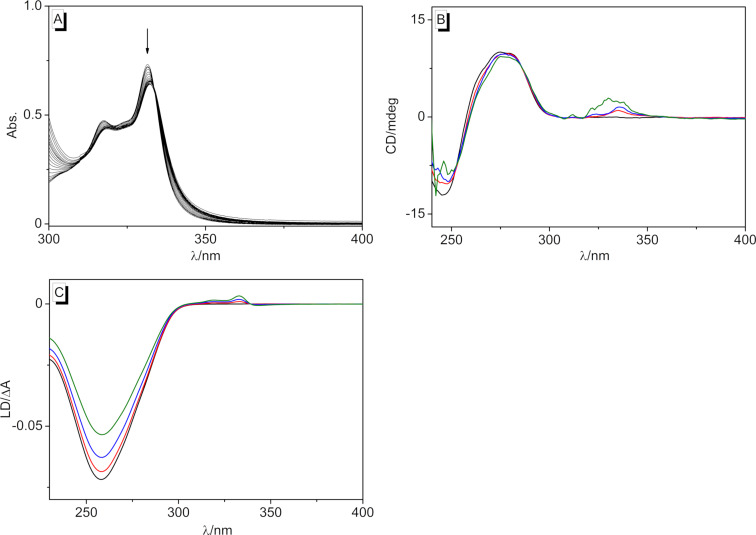
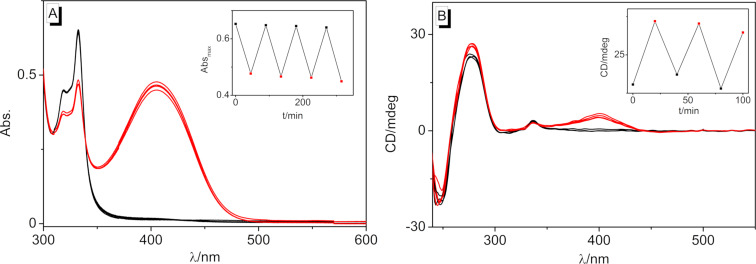
It was demonstrated that styrylquinolizinium derivatives may be applied as photoswitchable DNA ligands. At lower ligand:DNA ratios (≤1.5), these compounds bind to duplex DNA by intercalation, with binding constants ranging from = 4.1 × 10 M to 2.6 × 10 M (four examples), as shown by photometric and fluorimetric titrations as well as by CD and LD spectroscopic analyses. Upon irradiation at 450 nm, the methoxy-substituted styrylquinolizinium derivatives form the corresponding head-to-tail cyclobutanes in a selective [2 + 2] photocycloaddition, as revealed by X-ray diffraction analysis of the reaction products. These photodimers bind to DNA only weakly by outside-edge association, but they release the intercalating monomers upon irradiation at 315 nm in the presence of DNA. As a result, it is possible to switch between these two ligands and likewise between two different binding modes by irradiation with different excitation wavelengths.
已证明苯乙烯基喹嗪鎓衍生物可作为光开关DNA配体。在较低的配体与DNA比例(≤1.5)下,这些化合物通过插入作用与双链DNA结合,结合常数范围为 = 4.1 × 10 M至2.6 × 10 M(四个实例),这通过光度滴定和荧光滴定以及圆二色光谱(CD)和线性二色光谱(LD)分析得以证明。经450 nm照射后,甲氧基取代的苯乙烯基喹嗪鎓衍生物通过选择性的[2 + 2]光环加成反应形成相应的头对头环丁烷,这通过反应产物的X射线衍射分析得以揭示。这些光二聚体仅通过外侧边缘缔合与DNA弱结合,但在DNA存在下经315 nm照射时,它们会释放插入的单体。结果,通过用不同的激发波长照射,可以在这两种配体之间切换,同样也可以在两种不同的结合模式之间切换。