Department of Biostatistics, University of Liverpool, Liverpool, UK.
University Children's Hospital Zurich and the Children's Research Center, University of Zurich, Zurich, Switzerland.
BMC Genomics. 2020 Feb 22;21(1):176. doi: 10.1186/s12864-020-6571-7.
Vaccines have greatly reduced the burden of infectious disease, ranking in their impact on global health second only after clean water. Most vaccines confer protection by the production of antibodies with binding affinity for the antigen, which is the main effector function of B cells. This results in short term changes in the B cell receptor (BCR) repertoire when an immune response is launched, and long term changes when immunity is conferred. Analysis of antibodies in serum is usually used to evaluate vaccine response, however this is limited and therefore the investigation of the BCR repertoire provides far more detail for the analysis of vaccine response.
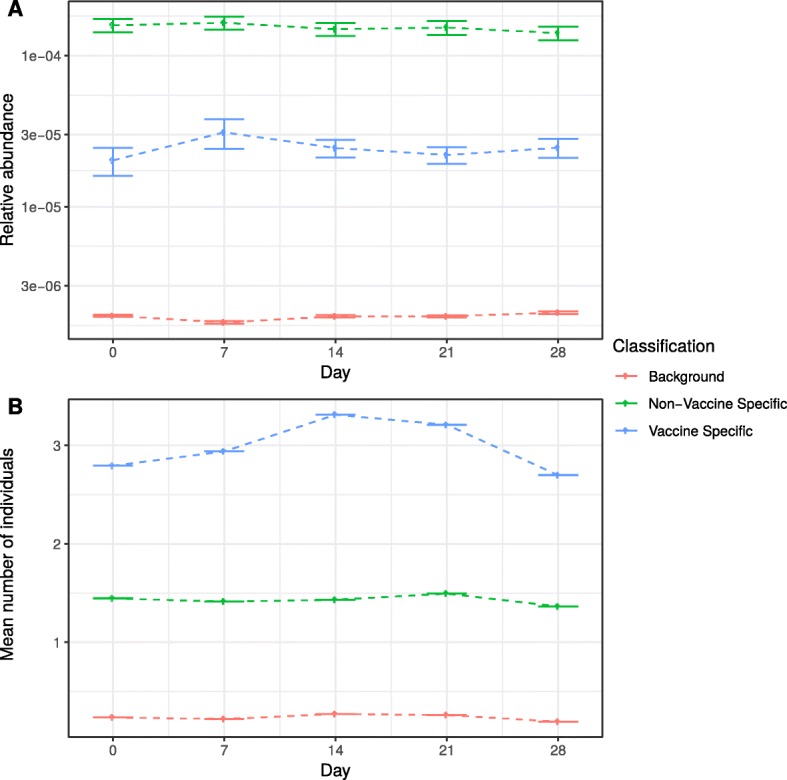
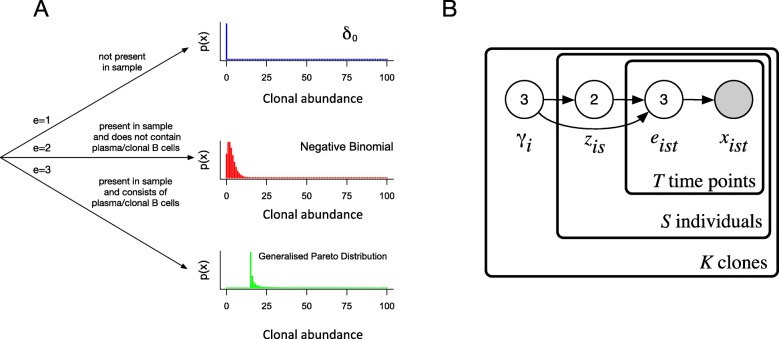
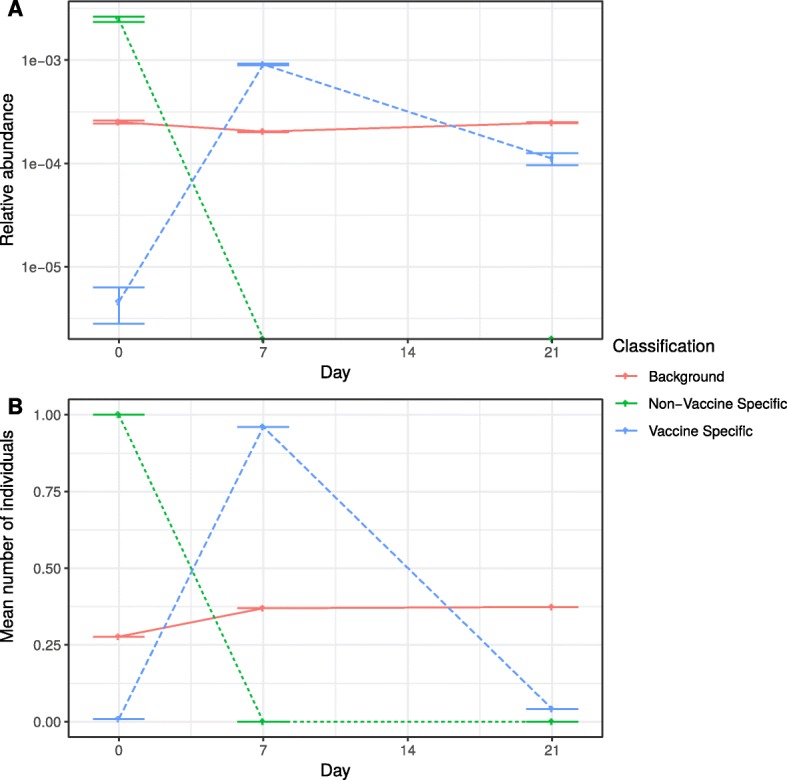
Here, we introduce a novel Bayesian model to describe the observed distribution of BCR sequences and the pattern of sharing across time and between individuals, with the goal to identify vaccine-specific BCRs. We use data from two studies to assess the model and estimate that we can identify vaccine-specific BCRs with 69% sensitivity.
Our results demonstrate that statistical modelling can capture patterns associated with vaccine response and identify vaccine specific B cells in a range of different data sets. Additionally, the B cells we identify as vaccine specific show greater levels of sequence similarity than expected, suggesting that there are additional signals of vaccine response, not currently considered, which could improve the identification of vaccine specific B cells.
疫苗大大减轻了传染病的负担,其对全球健康的影响仅次于清洁水。大多数疫苗通过产生与抗原具有结合亲和力的抗体来提供保护,这是 B 细胞的主要效应功能。当免疫反应启动时,B 细胞受体(BCR)库会发生短期变化,当获得免疫力时会发生长期变化。对血清中的抗体进行分析通常用于评估疫苗反应,但这种方法有其局限性,因此对 BCR 库的分析可以为疫苗反应分析提供更详细的信息。
在这里,我们引入了一种新的贝叶斯模型来描述 BCR 序列的观测分布和随时间及个体的共享模式,目的是识别疫苗特异性 BCR。我们使用来自两项研究的数据来评估该模型,并估计我们可以以 69%的灵敏度识别疫苗特异性 BCR。
我们的研究结果表明,统计建模可以捕捉与疫苗反应相关的模式,并在一系列不同的数据集识别疫苗特异性 B 细胞。此外,我们确定为疫苗特异性的 B 细胞比预期具有更高的序列相似性,这表明存在其他未被考虑的疫苗反应信号,这些信号可能会提高疫苗特异性 B 细胞的识别能力。