Ugurlu Adem, Altinkurt Emre
Erzincan Binali Yildirim University, Faculty of Medicine, Department of Ophthalmology, Erzincan 24100, Turkey.
Istanbul University, Faculty of Medicine, Department of Ophthalmology, Istanbul 34104, Turkey.
J Ophthalmol. 2020 Feb 7;2020:9726261. doi: 10.1155/2020/9726261. eCollection 2020.
To evaluate ocular findings in children with Down syndrome and to compare with the healthy children group.
The study patients were divided into two groups as the diagnosed Down syndrome group and the control group. The study was designed as a prospective and single-center study in Istanbul University Faculty of Medicine Department of Ophthalmology. The study included 93 patients in the age range from 7 to 18 years, who applied to the ophthalmology department of our clinic in the period from July 2017 to June 2018. The study included the patients allocated into the control group and the Down syndrome patients allocated into the patient group, containing 49 and 44 participants, respectively. All patients underwent complete ophthalmologic examination with biomicroscopy. Autorefractometer measurements were performed in all patients, and the best corrected visual acuity (BCVA) was determined with the use of the Snellen chart. All patients underwent spectral domain optical coherence tomography (SD-OCT) measurements for central foveal retinal (CRT), subfoveal choroidal (CCT), and peripapillary retinal nerve fiber layer (pRNFL) thicknesses.
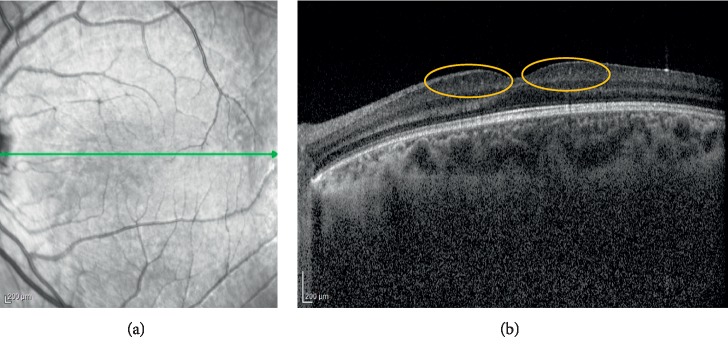
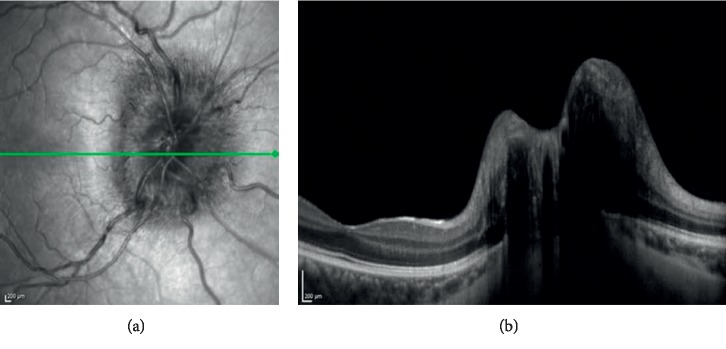
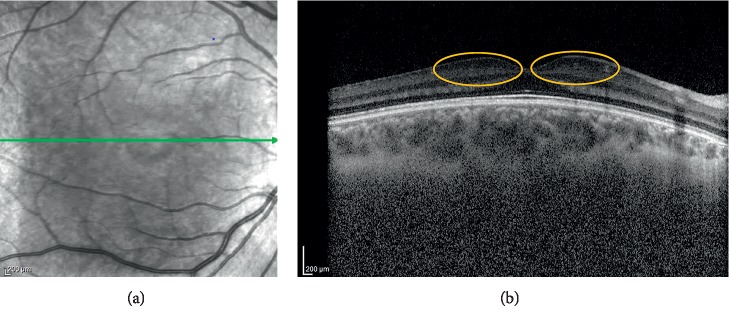
The average CRT was 241.2 ± 25.7 microns in Down syndrome group and 219.4 ± 21.1 microns in the control group. There was a statistically significant difference between the groups in regards to CRT ( < 0.001). The average pRNFL values were 123.1 ± 15.4 microns in the Down syndrome group and 102.2 ± 8.7 microns in the control group ( < 0.001). The average pRNFL values were 123.1 ± 15.4 microns in the Down syndrome group and 102.2 ± 8.7 microns in the control group (.
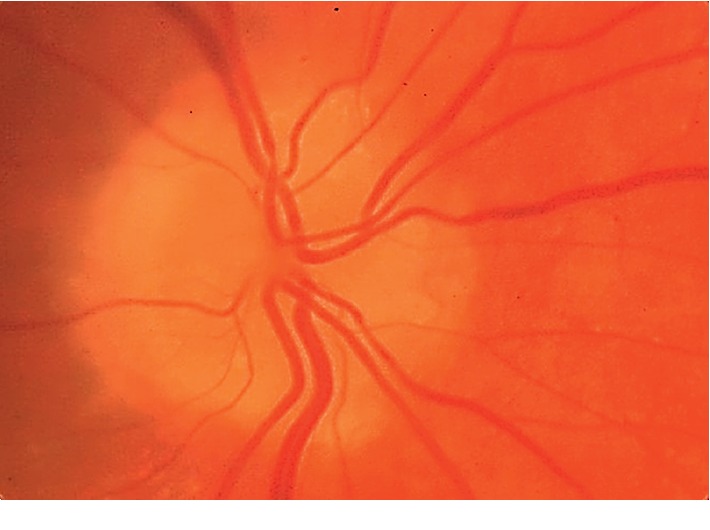
In the subjects with Down syndrome, the incidence of lens opacities, strabismus, and amblyopia was higher than the control group. CRT and pRNFL were thicker in the Down syndrome group than in control group. This may represent retinal developmental changes in the patients with Down syndrome.
评估唐氏综合征患儿的眼部检查结果,并与健康儿童组进行比较。
研究患者分为确诊的唐氏综合征组和对照组。该研究设计为伊斯坦布尔大学医学院眼科的一项前瞻性单中心研究。研究纳入了2017年7月至2018年6月期间到我们诊所眼科就诊的93例年龄在7至18岁之间的患者。研究包括分配到对照组的患者和分配到患者组的唐氏综合征患者,分别有49名和44名参与者。所有患者均接受了生物显微镜下的完整眼科检查。对所有患者进行自动验光仪测量,并使用斯内伦视力表确定最佳矫正视力(BCVA)。所有患者均接受了光谱域光学相干断层扫描(SD-OCT)测量,以测量中央凹视网膜(CRT)、黄斑下脉络膜(CCT)和视乳头周围视网膜神经纤维层(pRNFL)的厚度。
唐氏综合征组的平均CRT为241.2±25.7微米,对照组为219.4±21.1微米。两组在CRT方面存在统计学显著差异(<0.001)。唐氏综合征组的平均pRNFL值为123.1±15.4微米,对照组为102.2±8.7微米(<0.001)。唐氏综合征组的平均pRNFL值为123.1±15.4微米,对照组为102.2±8.7微米(.
在唐氏综合征患者中,晶状体混浊、斜视和弱视的发生率高于对照组。唐氏综合征组的CRT和pRNFL比对照组厚。这可能代表了唐氏综合征患者视网膜的发育变化。