Chemistry Department, The Graduate School of Natural and Applied Science, Dokuz Eylül University, İzmir, Turkey.
Izmir Biomedicine and Genome Center, Izmir, Turkey.
Cell Adh Migr. 2020 Dec;14(1):57-68. doi: 10.1080/19336918.2020.1732761.
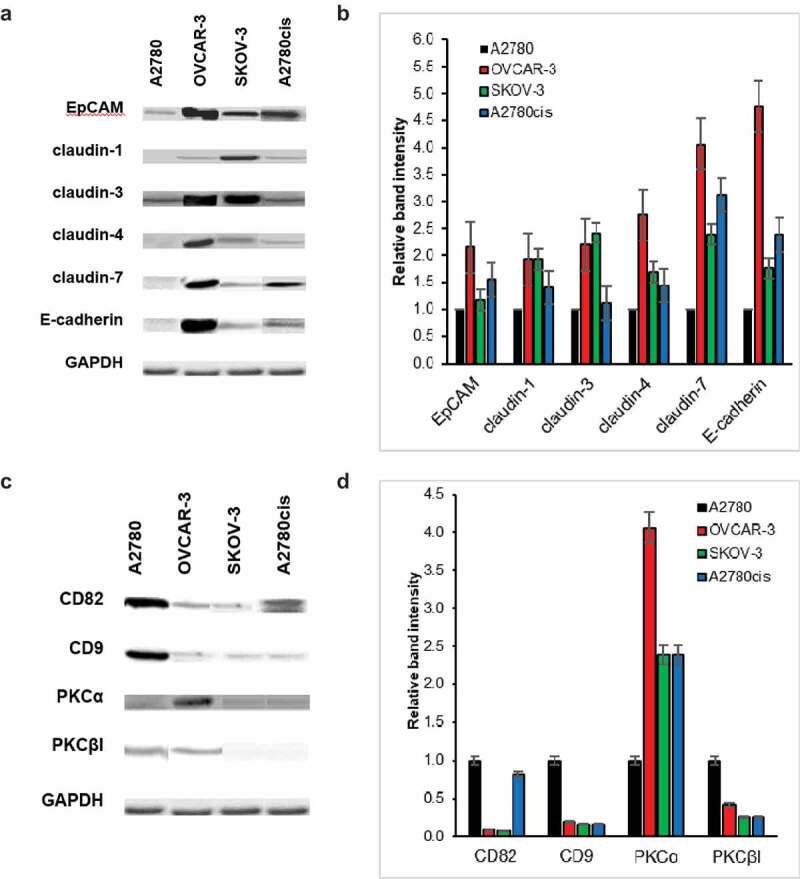
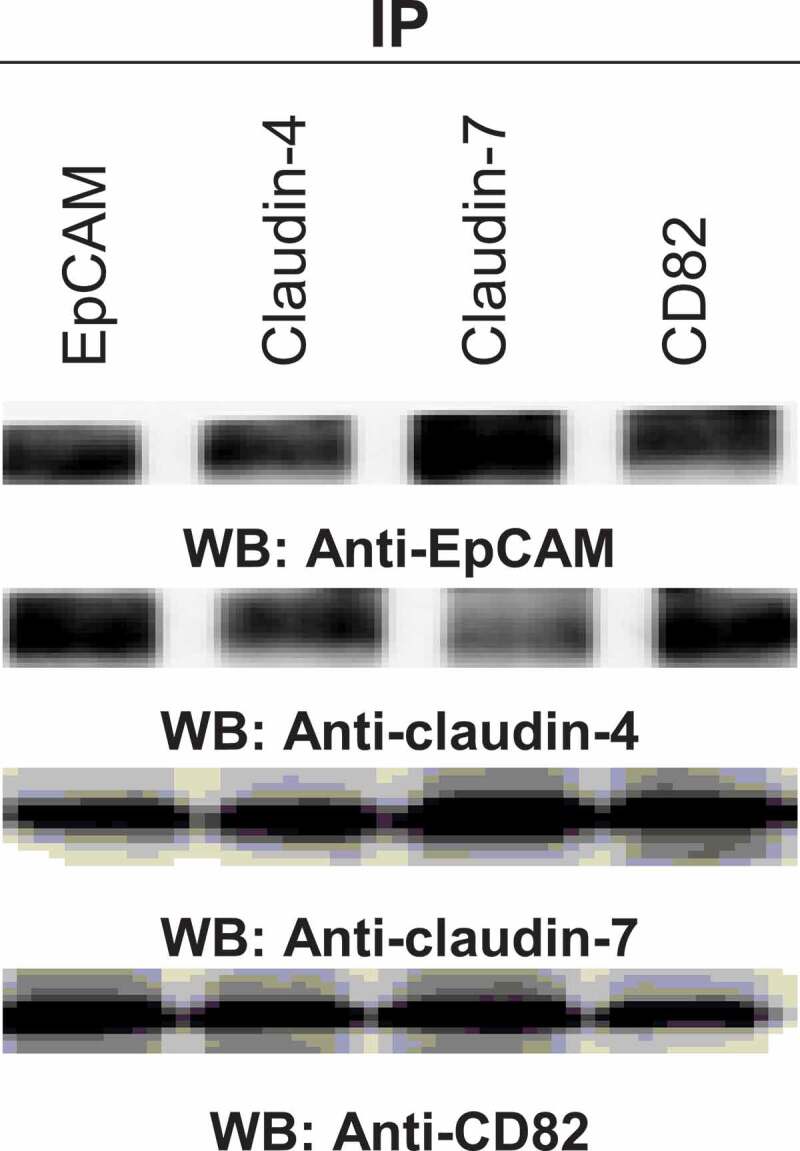
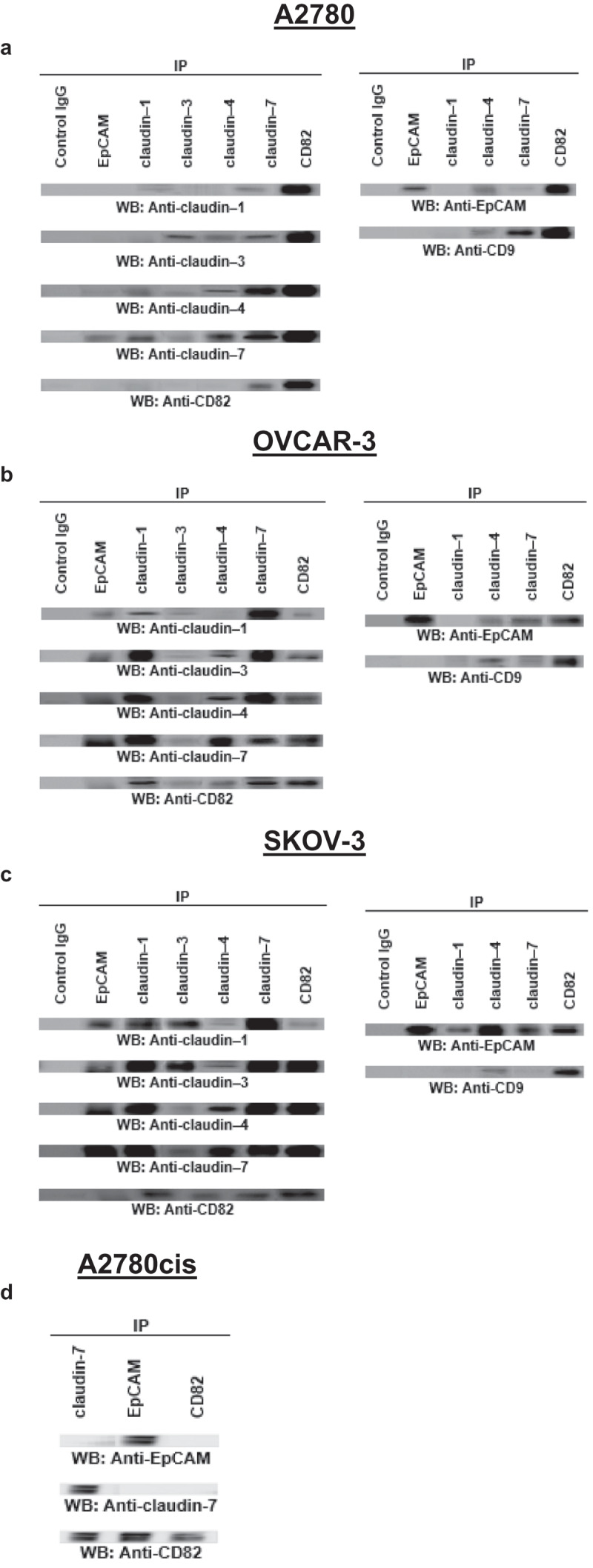
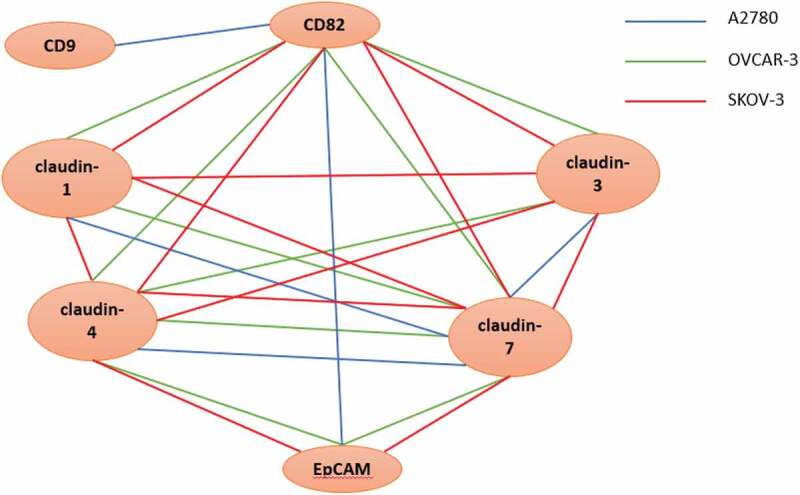
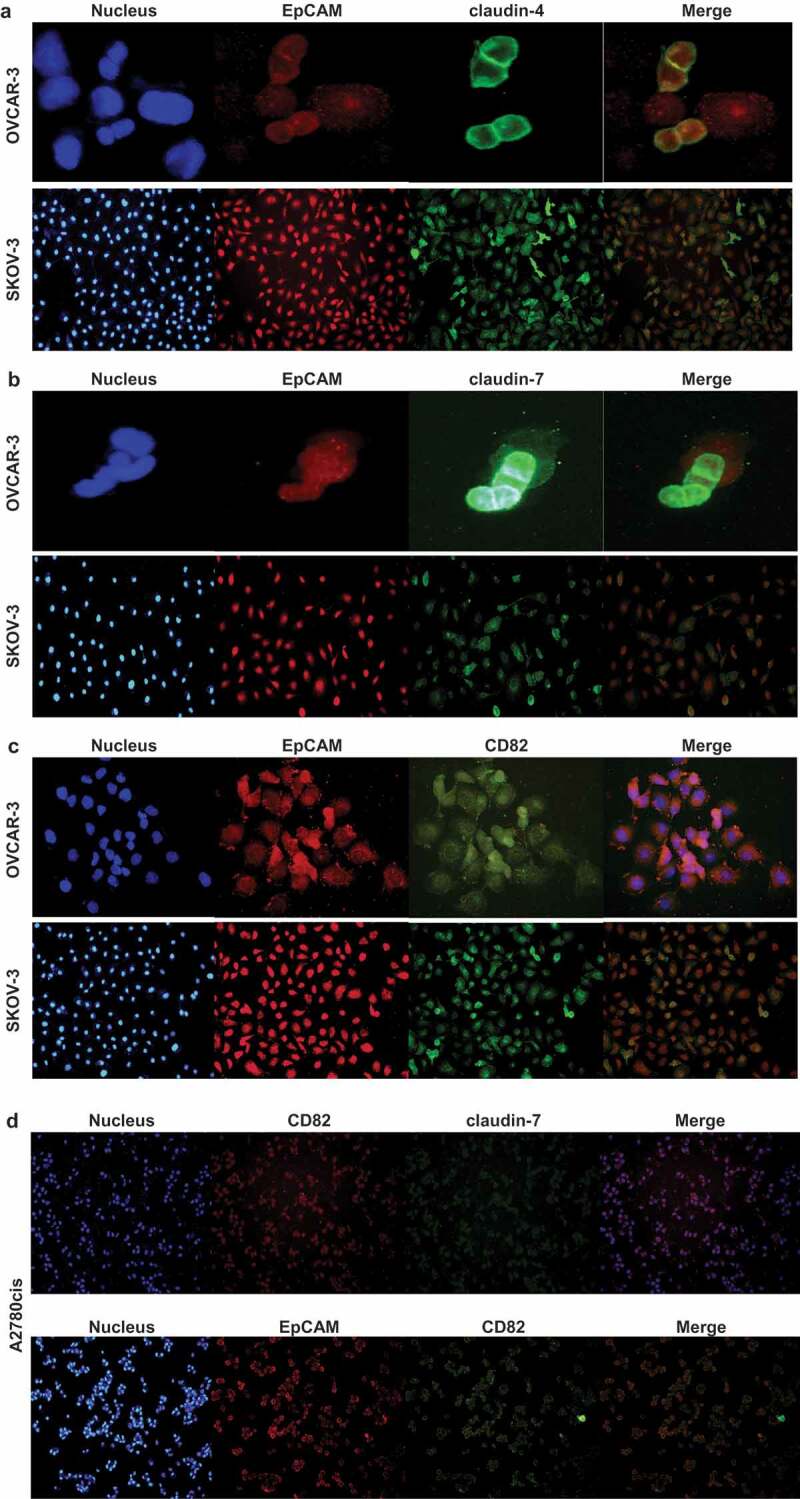
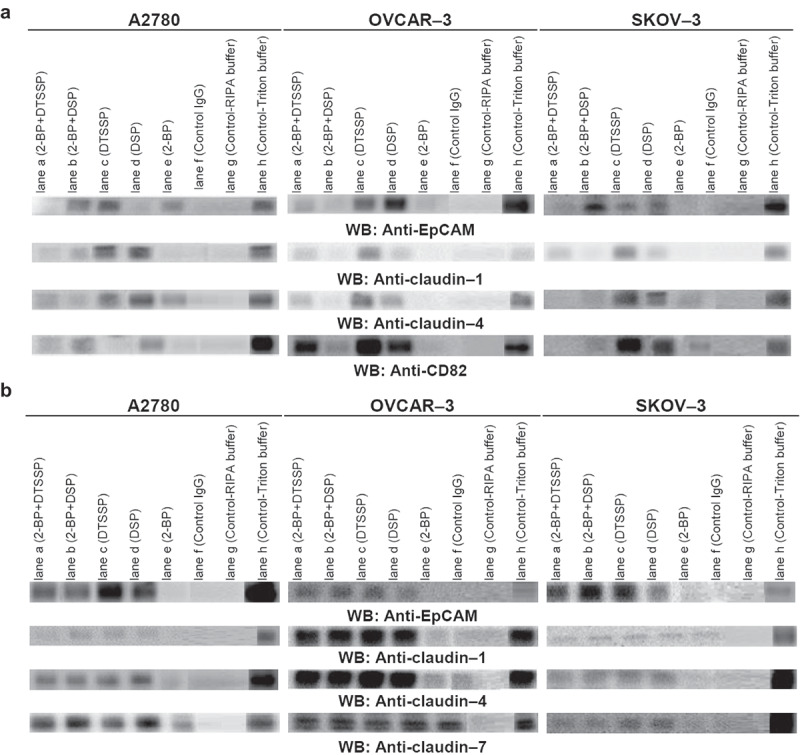
Alterations of cell adhesion are involved in cancer progression, but the mechanisms underlying the progression and cell adhesion have remained poorly understood. Focusing on the complex between EpCAM, claudins and tetraspanins, we described a sequence of events by which of the molecules associate each other in ovarian cancer. The interactions between molecules were evaluated by immunoprecipitations and then immunoblotting. To identify the effects of complex formation on the ovarian cancer progression, the different types of ovarian cancer cell lines were compared. In this study, we report the identification of the EpCAM-claudin-4 or -7-CD82 complex in the ovarian cancer progression and metastasis in vitro. Additionally, we demonstrated palmitoylation and intra- or extra-cellular regions are critically required for the complex formation. These results represent the first direct evidence for the link between the dynamism of cell adhesion molecules and ovarian cancer progression.
细胞黏附的改变参与了癌症的进展,但导致进展和细胞黏附的机制仍知之甚少。本研究聚焦于 EpCAM、紧密连接蛋白和四跨膜蛋白之间的复合物,描述了卵巢癌细胞中分子相互关联的一系列事件。通过免疫沉淀和免疫印迹评估分子间的相互作用。为了确定复合物形成对卵巢癌进展的影响,比较了不同类型的卵巢癌细胞系。本研究报告了 EpCAM-紧密连接蛋白-4 或 -7-CD82 复合物在卵巢癌体外进展和转移中的鉴定。此外,我们还证明了棕榈酰化以及细胞内或细胞外区域对复合物形成至关重要。这些结果代表了细胞黏附分子的动态与卵巢癌进展之间联系的首个直接证据。