Saleem Umber, Ismaili Djemail, Mannhardt Ingra, Pinnschmidt Hans, Schulze Thomas, Christ Torsten, Eschenhagen Thomas, Hansen Arne
Department of Experimental Pharmacology and Toxicology, University Medical Center Hamburg-Eppendorf, Hamburg, Germany.
German Center for Heart Research (DZHK), Hamburg, Germany.
Br J Pharmacol. 2020 Jul;177(13):3036-3045. doi: 10.1111/bph.15032. Epub 2020 Mar 31.
Phosphodiesterases (PDEs) are important regulators of β-adrenoceptor signalling in the heart. While PDE4 is the most important isoform that regulates I and force in rodent cardiomyocytes, the dominant isoform in adult human cardiomyocytes is PDE3.
Given the potential of human-induced pluripotent stem cell-derived cardiomyocytes (hiPSC-CMs) for biomedical research, this study characterized the contribution of PDE3 and PDE4 isoforms to the regulation of I and force in hiPSC-CMs in an engineered heart tissue (EHT) model.
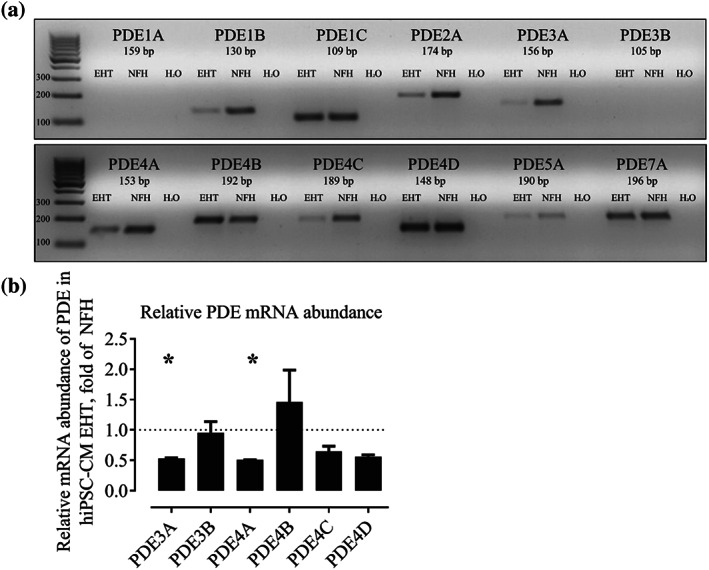
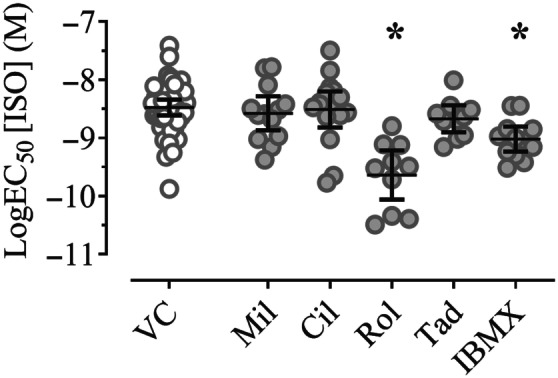
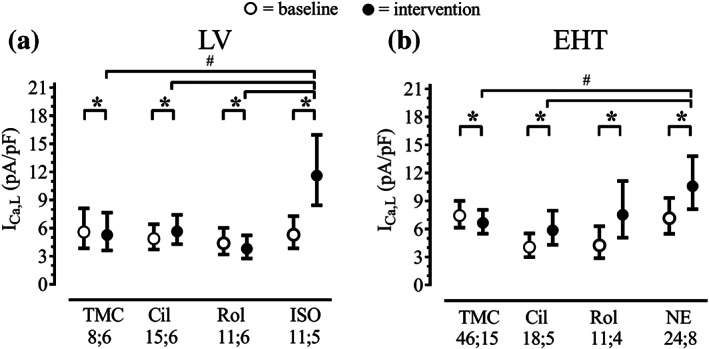
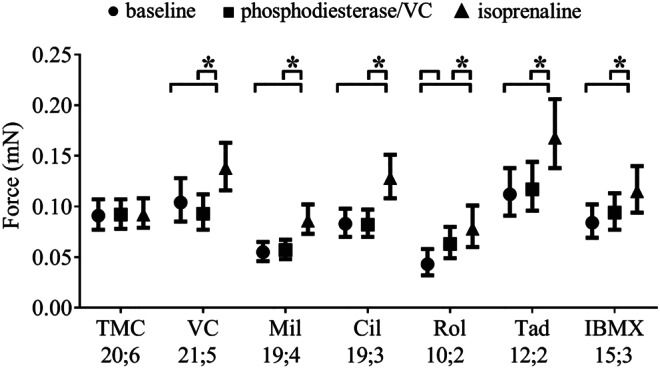
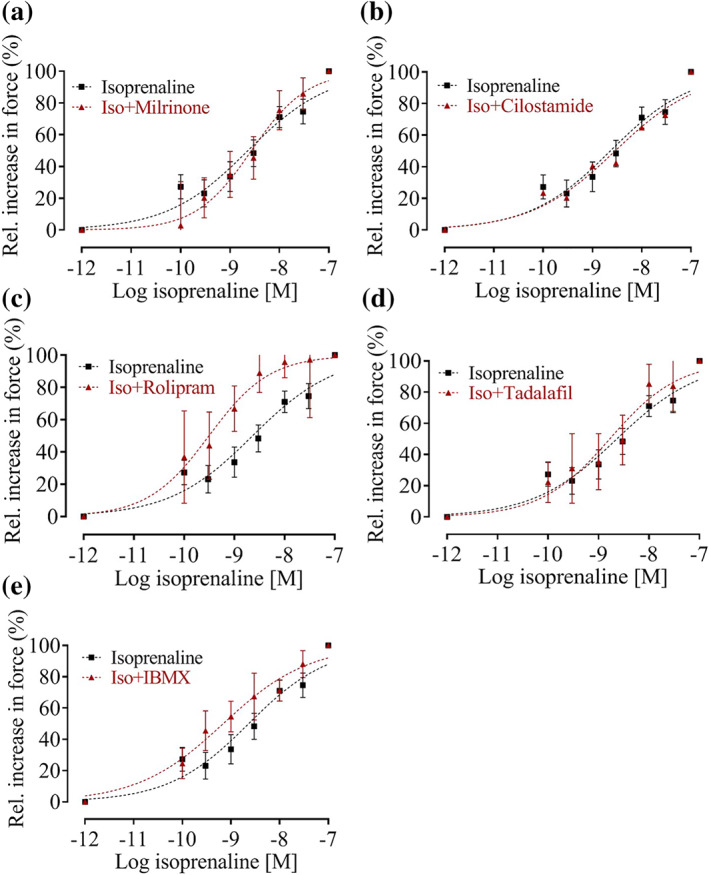
There was a lower abundance of mRNA for PDE3A and 4A in hiPSC-CM EHT than in non-failing human heart samples. Selective inhibition of PDE3 and 4 with cilostamide and rolipram, respectively, showed that, in hiPSC-CM, PDE4 was the predominant isoform for the regulation of I (cilostamide: +1.44-fold; rolipram: +1.77-fold) Furthermore, in contrast to cilostamide, rolipram decreased the EC of isoprenaline about 15-fold.
The predominance of PDE4 over PDE3 is a peculiarity of hiPSC-CMs and is probably an indicator of immaturity. This finding has implications for the use of hiPSC-CM as pharmacological models to investigate and assess the effects of PDE inhibitors.
磷酸二酯酶(PDEs)是心脏中β-肾上腺素能受体信号的重要调节因子。虽然PDE4是调节啮齿类动物心肌细胞I和力的最重要亚型,但在成人心肌细胞中占主导地位的亚型是PDE3。
鉴于人诱导多能干细胞衍生的心肌细胞(hiPSC-CMs)在生物医学研究中的潜力,本研究在工程心脏组织(EHT)模型中,对PDE3和PDE4亚型在hiPSC-CMs中对I和力的调节作用进行了表征。
hiPSC-CM EHT中PDE3A和4A的mRNA丰度低于非衰竭人类心脏样本。分别用西洛他唑和咯利普兰选择性抑制PDE3和4,结果表明,在hiPSC-CM中,PDE4是调节I的主要亚型(西洛他唑:增加1.44倍;咯利普兰:增加1.77倍)。此外,与西洛他唑相反,咯利普兰使异丙肾上腺素的EC降低约15倍。
PDE4在hiPSC-CMs中占主导地位是其独特之处,可能是不成熟的一个指标。这一发现对将hiPSC-CM用作药理学模型来研究和评估PDE抑制剂的作用具有启示意义。