Doan Quoc Hoan, Thai Duc-Kien, Tran Ngoc Long
Department of Civil and Environmental Engineering, Sejong University, 98 Gunja-dong, Gwangjin-gu, Seoul 143-747, Korea.
Department of Civil Engineering, Vinh University, no.182 Le Duan, Vinh City, Nghe An 43107, Vietnam.
Materials (Basel). 2020 Feb 19;13(4):931. doi: 10.3390/ma13040931.
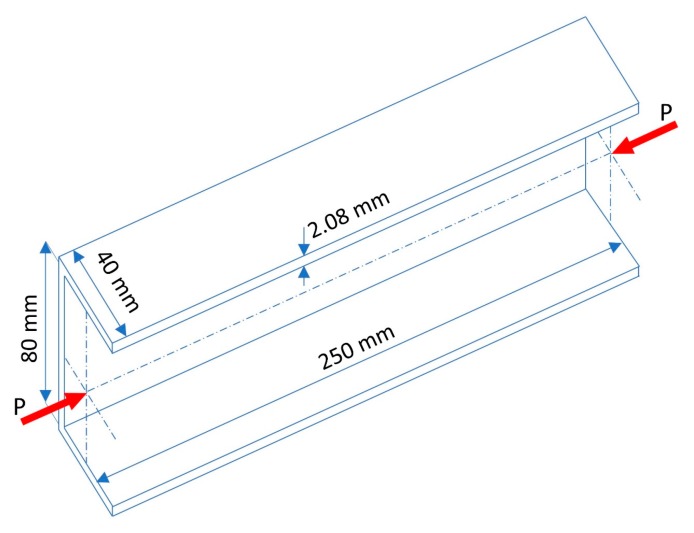
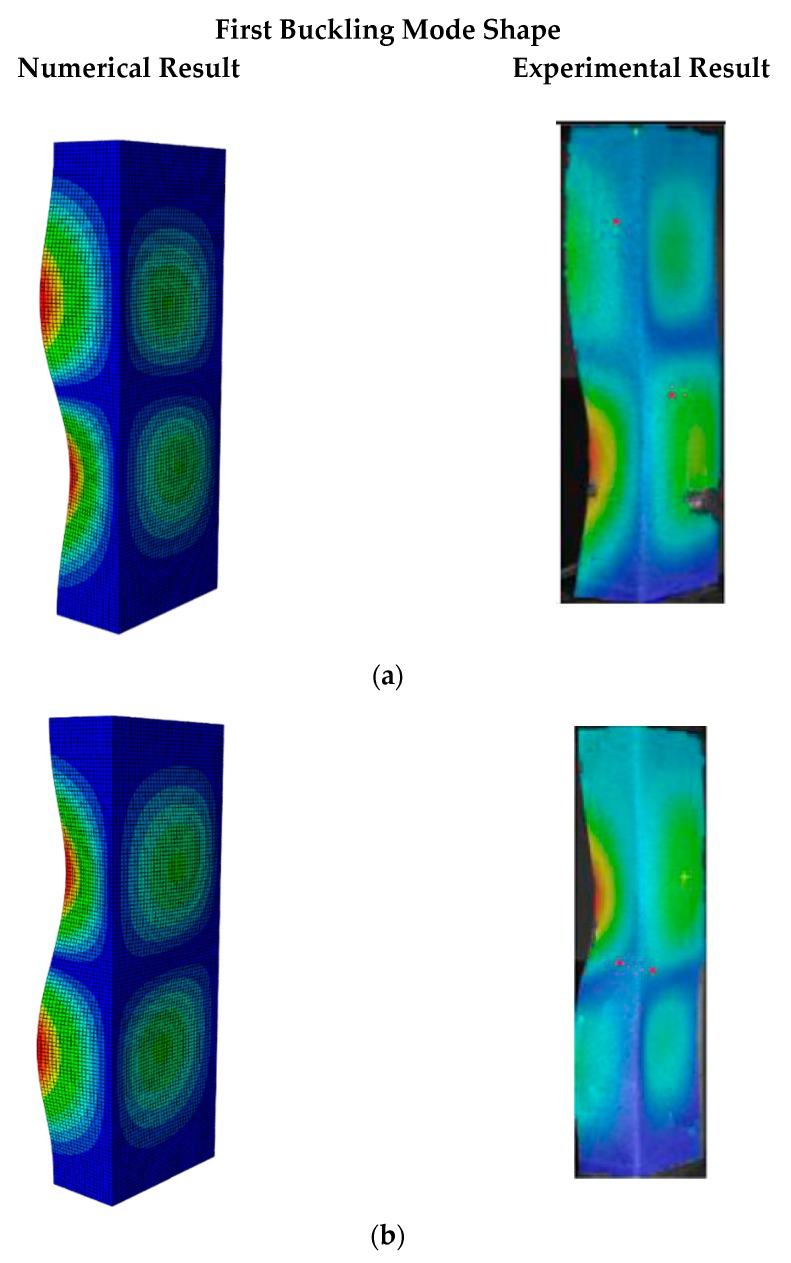
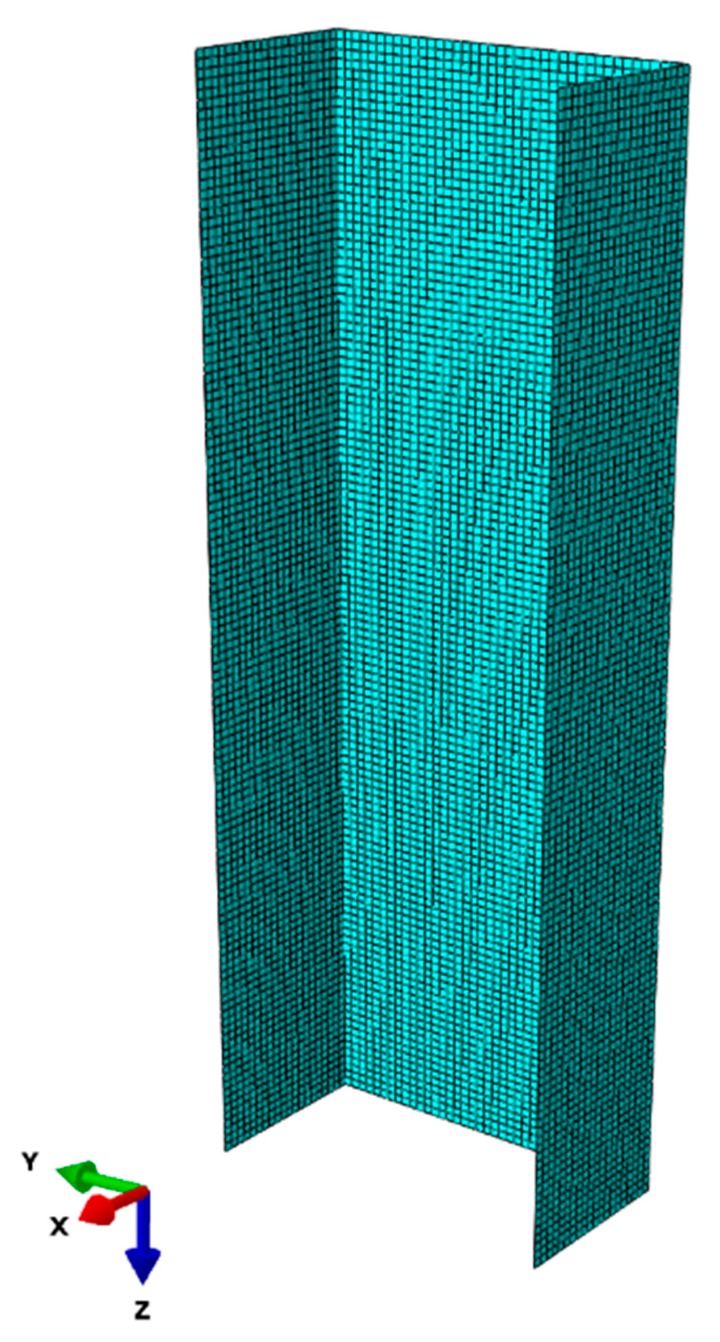
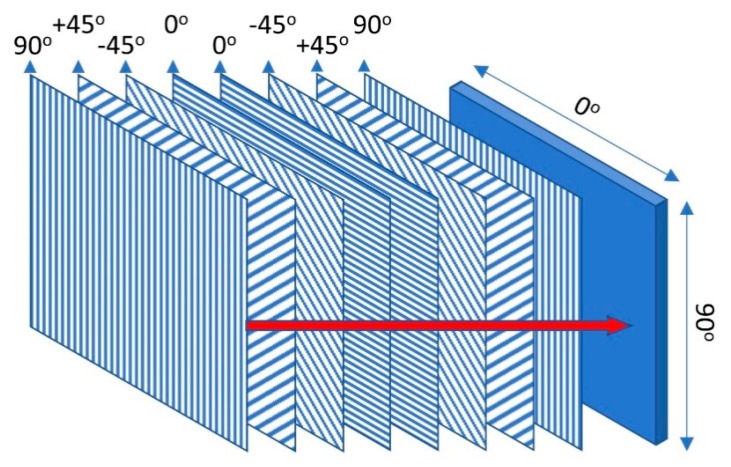
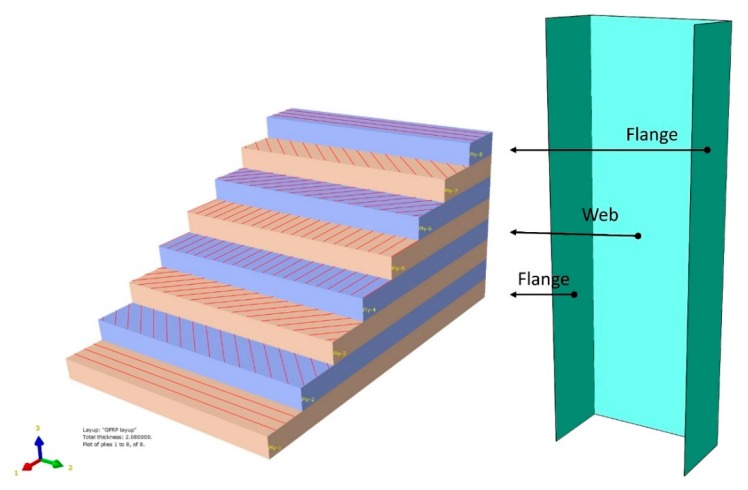
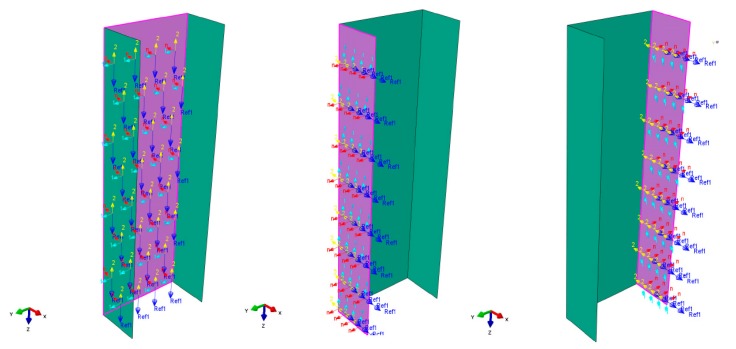
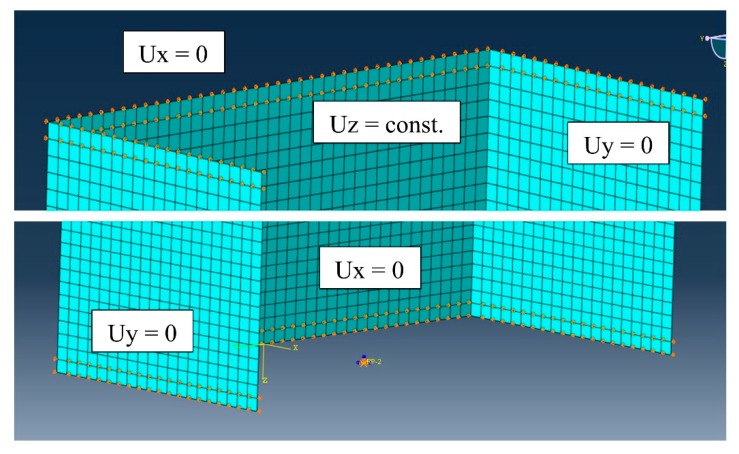
In the practical design of thin-walled composite columns, component dimensions should be wisely designed to meet the buckling resistance and economic requirements. This paper provides a novel and useful investigation based on a numerical study of the effects of the section dimensions, thickness ratio, and slenderness ratio on the critical buckling load of a thin-walled composite strut under uniaxial compression. The strut was a channel-section-shaped strut and was made of glass fiber-reinforced polymer (GFRP) composite material by stacking symmetrical quasi-isotropic layups using the autoclave technique. For the purpose of this study, a numerical finite element model was developed for the investigation by using ABAQUS software. The linear and post-buckling behavior analysis was performed to verify the results of the numerical model with the obtained buckling load from the experiment. Then, the effects of the cross-section dimensions, thickness ratio, and slenderness ratio on the critical buckling load of the composite strut, which is determined using an eigenvalue buckling analysis, were investigated. The implementation results revealed an insightful interaction between cross-section dimensions and thickness ratio and the buckling load. Based on this result, a cost-effective design was recommended as a useful result of this study. Moreover, a demarcation point between global and local buckling of the composite strut was also determined. Especially, a new design curve for the channel-section GFRP strut, which is governed by the proposed constitutive equations, was introduced to estimate the critical buckling load based on the input component dimension.
在薄壁复合材料柱的实际设计中,应合理设计构件尺寸,以满足抗屈曲能力和经济要求。本文基于对截面尺寸、厚度比和长细比在单轴压缩下对薄壁复合材料支柱临界屈曲荷载影响的数值研究,进行了一项新颖且有用的调查。该支柱为槽形截面支柱,采用热压罐技术通过堆叠对称准各向同性铺层由玻璃纤维增强聚合物(GFRP)复合材料制成。为了本研究的目的,使用ABAQUS软件开发了一个数值有限元模型进行调查。进行了线性和后屈曲行为分析,以将数值模型的结果与实验获得的屈曲荷载进行验证。然后,研究了截面尺寸、厚度比和长细比在使用特征值屈曲分析确定的复合材料支柱临界屈曲荷载上的影响。实施结果揭示了截面尺寸和厚度比与屈曲荷载之间具有启发性的相互作用。基于此结果,推荐了一种经济高效的设计作为本研究的有用成果。此外,还确定了复合材料支柱整体屈曲和局部屈曲之间的分界点。特别是,引入了一条由所提出的本构方程控制的槽形截面GFRP支柱的新设计曲线,以基于输入的构件尺寸估算临界屈曲荷载。