Region Västra Götaland, Psykiatri Affektiva, Department of Psychiatry, Sahlgrenska University Hospital, Gothenburg, Sweden.
University of Gothenburg, Sahlgrenska Academy, Institute of Neuroscience and Physiology, Gothenburg, Sweden.
Eur Psychiatry. 2020 Jan 31;63(1):e7. doi: 10.1192/j.eurpsy.2019.7.
Post-traumatic stress disorder (PTSD) is debilitating for patients and society. There are a number of treatment methods albeit not all patients respond to these and an interesting method using electroencephalography-based neurofeedback (EEG-NF) has become more prominent in recent years. This systematic review aimed to assess whether EEG-NF, compared with sham NF, other treatment, or no treatment, is effective for PTSD. Primary outcomes were self-harm, PTSD symptoms, level of functioning and health-related quality of life.
Systematic literature searches for randomized controlled trials (RCTs) were conducted in six databases. Random effects meta-analysis was performed. Certainty of evidence was assessed using the Grading of Recommendations Assessment, Development, and Evaluation.
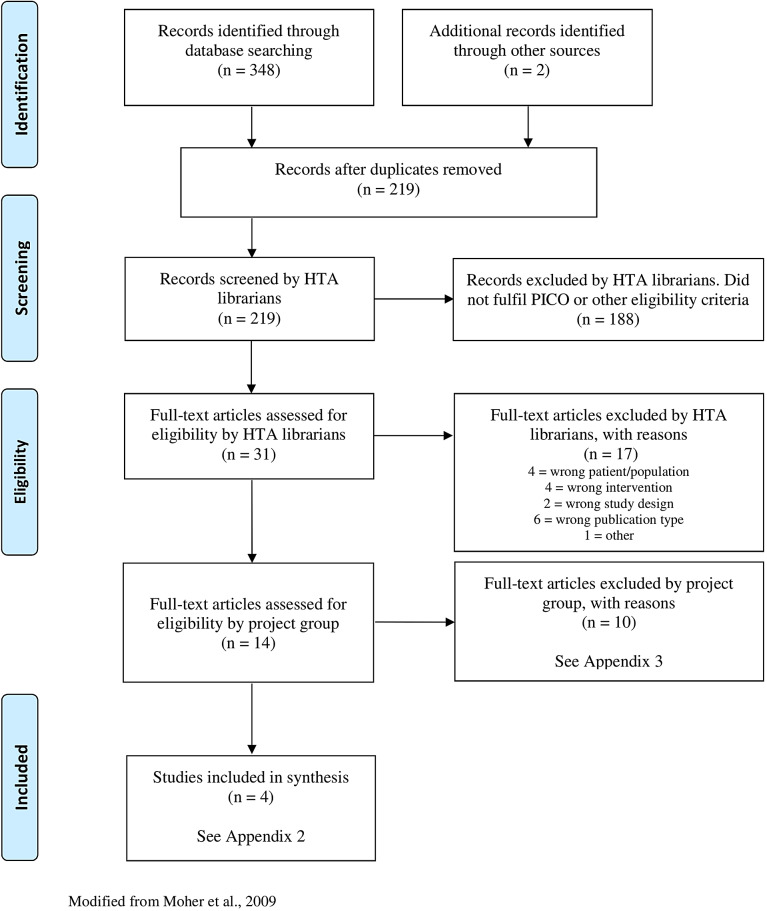
Four RCTs were included (123 participants). Suicidal thoughts were significantly reduced after EEG-NF compared with a waiting list in a small study. PTSD symptoms were assessed in all studies with different instruments. Results were consistently in favor of EEG-NF with large effect sizes (standardized mean difference -2.30 (95% confidence interval: -4.37 to -0.24). One study reported significantly improved level of executive functioning and one study a reduction in use of psychotropic medication. Complications were scarcely reported. Certainty of evidence was assessed as very low for the four assessed outcomes.
Based on four RCTs, with several study limitations and imprecision, it is uncertain whether EEG-NF reduces suicidal thoughts, PTSD symptoms, medication use, or improves function. Although all studies showed promising results, further studies are needed to increase the certainty of evidence.
创伤后应激障碍(PTSD)使患者和社会感到痛苦。尽管有许多治疗方法,但并非所有患者都对此有反应,近年来一种使用基于脑电图的神经反馈(EEG-NF)的有趣方法变得越来越突出。本系统评价旨在评估 EEG-NF 与假 NF、其他治疗或不治疗相比,是否对 PTSD 有效。主要结局是自伤、PTSD 症状、功能水平和健康相关生活质量。
在六个数据库中进行了随机对照试验(RCT)的系统文献检索。进行了随机效应荟萃分析。使用推荐评估、制定和评估(GRADE)评估证据的确定性。
共纳入 4 项 RCT(123 名参与者)。一项小型研究表明,与等待名单相比,EEG-NF 后自杀念头明显减少。所有研究均使用不同的工具评估 PTSD 症状。结果一致有利于 EEG-NF,具有较大的效应量(标准化均数差 -2.30(95%置信区间:-4.37 至 -0.24)。一项研究报告称执行功能显著改善,一项研究报告称精神药物使用减少。并发症很少有报道。四项评估结局的证据确定性评估为极低。
基于四项 RCT,存在一些研究局限性和不准确性,尚不确定 EEG-NF 是否可以减少自杀念头、PTSD 症状、药物使用或改善功能。尽管所有研究都显示出有希望的结果,但需要进一步研究以提高证据的确定性。