Chien Meng-Yueh, Lee Pei-Lin, Yu Chih-Wei, Wei Shwu Yuan, Shih Tiffany Ting-Fang
School and Graduate Institute of Physical Therapy, College of Medicine, National Taiwan University, Taipei, Taiwan.
Center of Sleep Disorder, National Taiwan University Hospital, Taipei, Taiwan.
Nat Sci Sleep. 2020 Jan 28;12:69-78. doi: 10.2147/NSS.S232554. eCollection 2020.
An increasing number of studies have linked the severity of obstructive sleep apnea (OSA) with metabolic dysfunction. However, little is known about the lipid compartments (intramyocellular [IMCL] and extramyocellular [EMCL] lipids) inside the musculature in these patients. The present study was designed to investigate the IMCL and EMCL, biochemical data, and functional performance in patients with severe OSA, and to examine the correlations between intramuscular lipid contents and test variables.
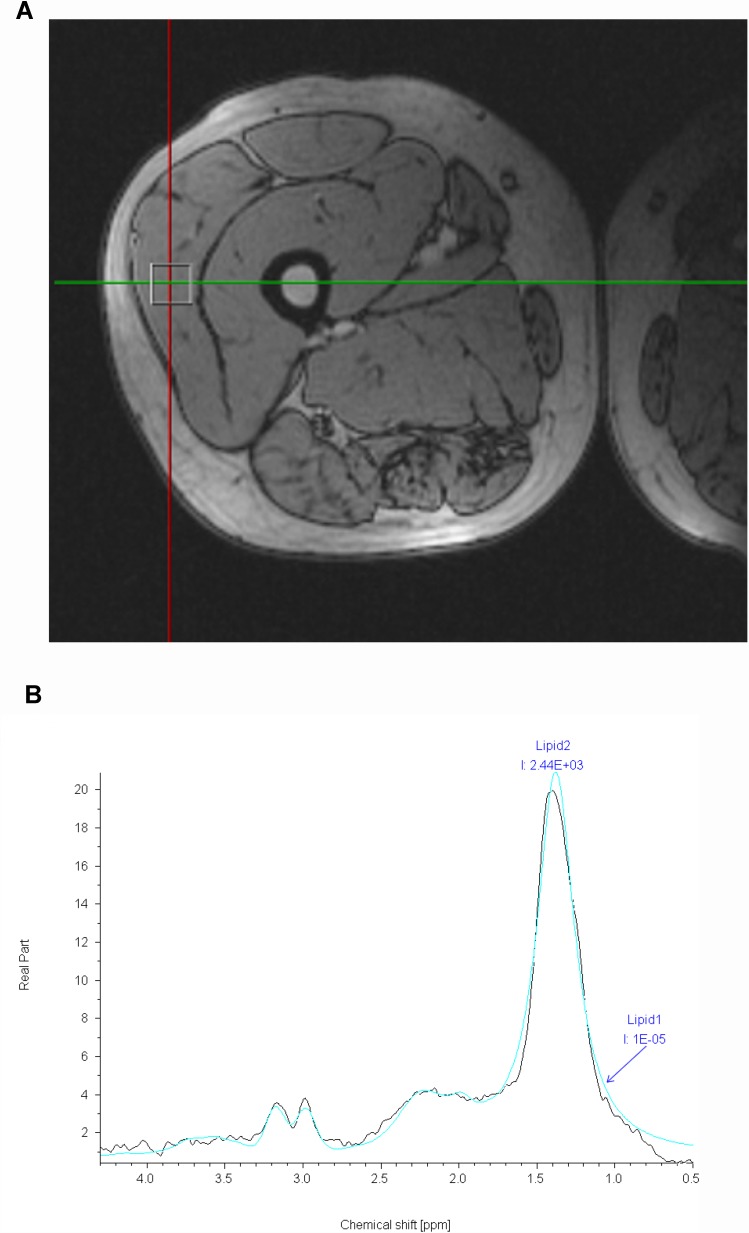
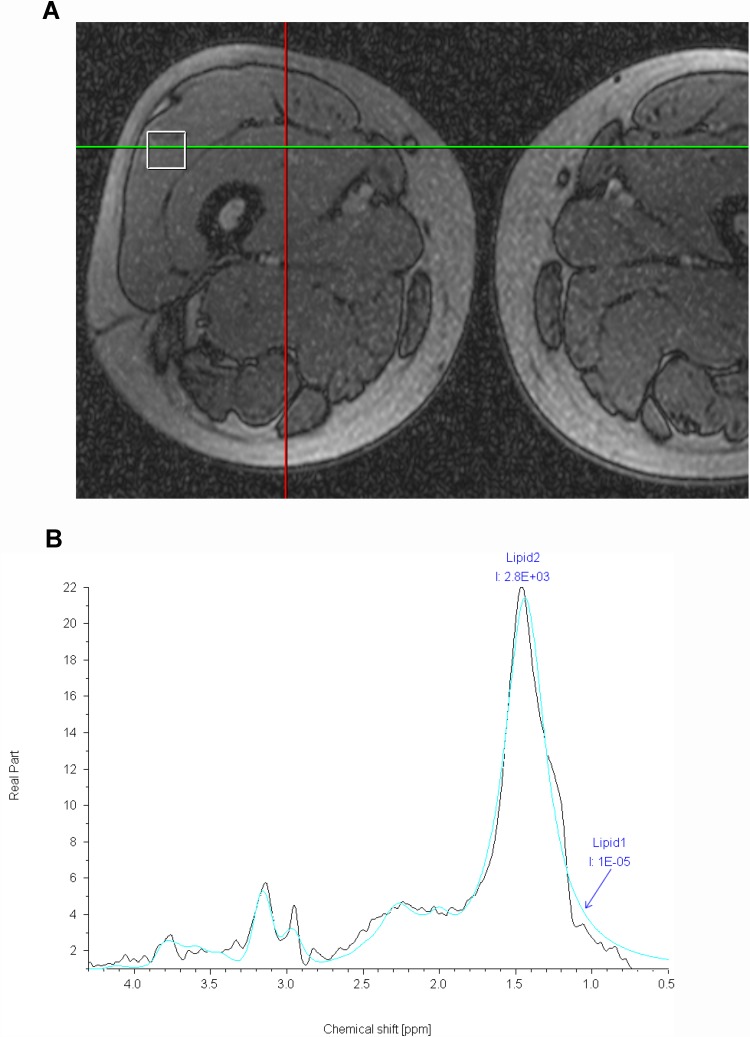
Twenty patients with severe OSA (apnea-hypopnea index [AHI]: ≥30/h; body mass index [BMI]: 26.05±2.92) and 20 age- and BMI-matched controls (AHI <5/h) were enrolled. Proton magnetic resonance spectroscopy was used to measure the IMCL and EMCL of the right vastus lateralis muscle. Biochemical data, including levels of fasting plasma glucose, insulin, lipid profiles, and high-sensitivity C-reactive protein (hsCRP), were measured. Insulin resistance index (IR) was calculated using the homeostasis model assessment method. Performance tests included a cardiopulmonary exercise test and knee extension strength and endurance measurements.
Patients with severe OSA had significantly (<0.05) lower values of IMCL (14.1±5.4 AU) and EMCL (10.3±5.8 AU) compared to the control group (25.2±17.6 AU and 14.3±11.1 AU, respectively). Patients with severe OSA had significantly higher hsCRP, IR, and dyslipidemia compared with controls (all <0.05). Furthermore, IMCL was negatively correlated with AHI, cumulative time with nocturnal pulse oximetric saturation lower than 90% (TSpO<90%) (=-0.35, <0.05), IR (=-0.40, <0.05), glucose (=-0.33, <0.05), and insulin (=-0.36, <0.05), and positively correlated with lowest oximetric saturation (=0.33, <0.01).
Skeletal muscle dysfunction and metabolic abnormalities were observed in patients with OSA that did not have obesity. IMCL was positively correlated with aerobic capacity and muscular performance, but negatively correlated with AHI and IR. Large-scale clinical trials are required to explore the complicated mechanism among OSA, intramuscular metabolism, and insulin action.
ClinicalTrials.gov Identifier: NCT00813852.
越来越多的研究将阻塞性睡眠呼吸暂停(OSA)的严重程度与代谢功能障碍联系起来。然而,对于这些患者肌肉组织内的脂质成分(肌细胞内[IMCL]和肌细胞外[EMCL]脂质)却知之甚少。本研究旨在调查重度OSA患者的IMCL和EMCL、生化数据及功能表现,并检验肌肉内脂质含量与测试变量之间的相关性。
招募了20例重度OSA患者(呼吸暂停低通气指数[AHI]:≥30次/小时;体重指数[BMI]:26.05±2.92)和20例年龄及BMI匹配的对照组(AHI<5次/小时)。采用质子磁共振波谱法测量右侧股外侧肌的IMCL和EMCL。测量生化数据,包括空腹血糖、胰岛素、血脂谱和高敏C反应蛋白(hsCRP)水平。使用稳态模型评估法计算胰岛素抵抗指数(IR)。性能测试包括心肺运动试验以及膝关节伸展力量和耐力测量。
与对照组(分别为25.2±17.6 AU和14.3±11.1 AU)相比,重度OSA患者的IMCL(14.1±5.4 AU)和EMCL(10.3±5.8 AU)值显著更低(<0.05)。与对照组相比,重度OSA患者的hsCRP、IR和血脂异常显著更高(均<0.05)。此外,IMCL与AHI、夜间脉搏血氧饱和度低于90%的累计时间(TSpO<90%)(=-0.35,<0.05)、IR(=-0.40,<0.05)、血糖(=-0.33,<0.05)和胰岛素(=-0.36,<0.05)呈负相关,与最低血氧饱和度呈正相关(=0.33,<0.01)。
在无肥胖的OSA患者中观察到骨骼肌功能障碍和代谢异常。IMCL与有氧运动能力和肌肉性能呈正相关,但与AHI和IR呈负相关。需要进行大规模临床试验来探索OSA、肌肉内代谢和胰岛素作用之间的复杂机制。
ClinicalTrials.gov标识符:NCT00813852。