Singh Robby, Scarfone Santo, Zughaib Marcel
Providence Hospital, Michigan State University, USA.
Georgetown University, USA.
Case Rep Cardiol. 2020 Feb 11;2020:3856940. doi: 10.1155/2020/3856940. eCollection 2020.
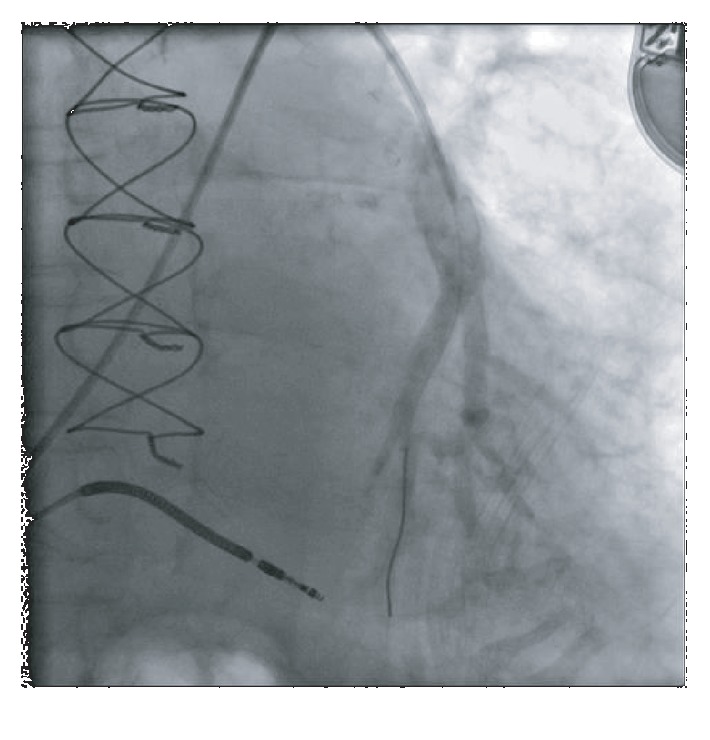
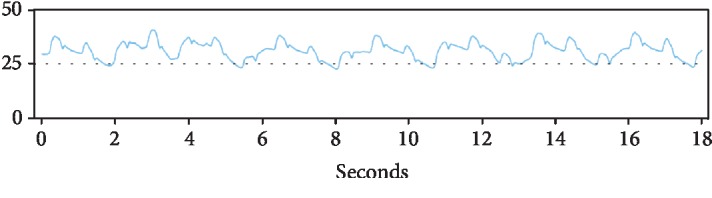
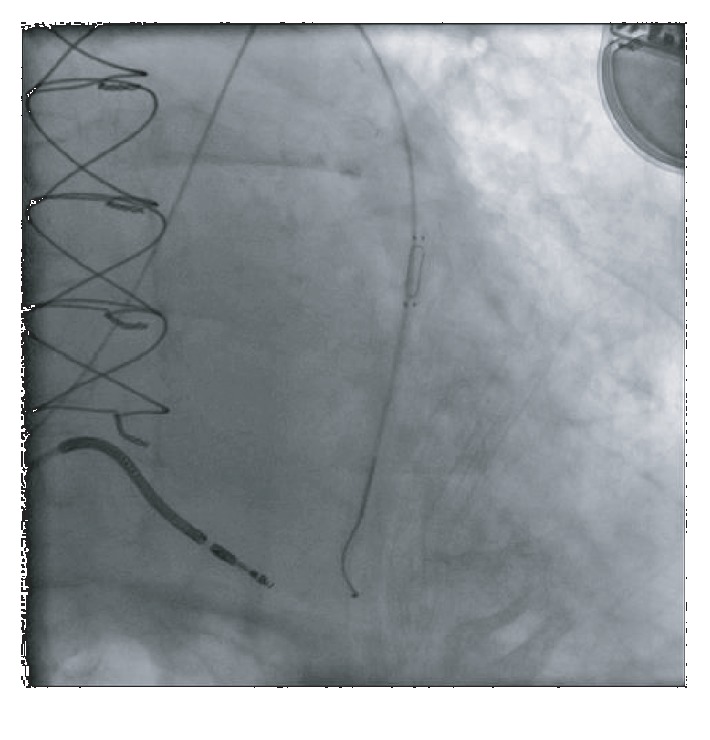
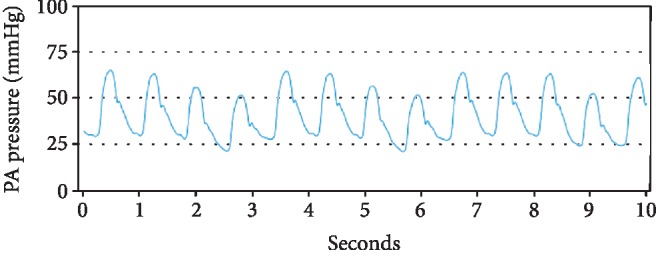
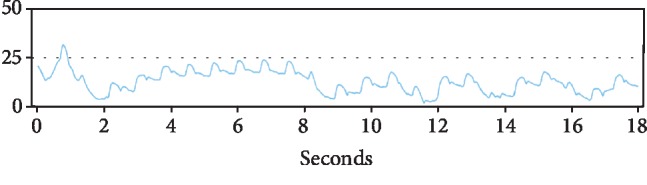
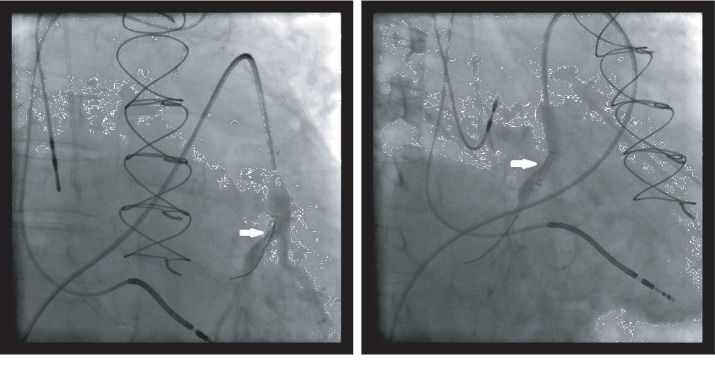
. Cardiovascular disease is a leading cause of morbidity and mortality with heart failure constituting a large portion of this spectrum. Heart failure patients have 90-day readmission rates of nearly 41% associated with a high expense. Numerous strategies to reduce readmissions have been attempted with the CardioMEMS pulmonary artery pressure monitoring system as one of the more successful ones. As this device becomes used more frequently, it is important to recognize procedural complications. We present of a rare complication where a patient underwent successful device placement and was subsequently found to have dampened waveforms which were due to device migration. . A 79-year-old male underwent successful CardioMEMS placement due to recurrent heart failure hospitalizations. 6 months later, the transmitted waveforms appeared dampened, and repeat angiography revealed a device that had migrated. Rather than abandoning the device, it was recalibrated and continued to transmit data and helped manage the patient's heart failure. . CardioMEMS is a cost-effective tool to help reduce heart failure hospitalizations. Device migration is a rare complication and can lead to inaccurate data. However, as seen in this case, the device can be successfully recalibrated and can continue to be utilized to help reduce heart failure admissions.
心血管疾病是发病和死亡的主要原因,心力衰竭在这一疾病谱中占很大比例。心力衰竭患者的90天再入院率接近41%,费用高昂。人们尝试了多种减少再入院的策略,CardioMEMS肺动脉压力监测系统是较为成功的策略之一。随着该设备使用越来越频繁,认识到其操作并发症很重要。我们报告了一例罕见并发症,一名患者成功植入设备后,随后发现波形衰减,原因是设备移位。一名79岁男性因反复心力衰竭住院而成功植入CardioMEMS。6个月后,传输的波形出现衰减,再次血管造影显示设备已移位。该设备并未被弃用,而是重新校准,继续传输数据,并有助于管理患者的心力衰竭。CardioMEMS是一种有助于减少心力衰竭住院的经济有效工具。设备移位是一种罕见并发症,可能导致数据不准确。然而,如本病例所示,该设备可成功重新校准,并可继续用于帮助减少心力衰竭入院。