Ahmed Syed Haris, Biddle Kathryn, Augustine Titus, Azmi Shazli
Countess of Chester Hospital NHS Foundation Trust, Chester, UK.
St George's University Hospitals NHS Foundation Trust, London, UK.
Diabetes Ther. 2020 Apr;11(4):779-801. doi: 10.1007/s13300-020-00790-5. Epub 2020 Feb 24.
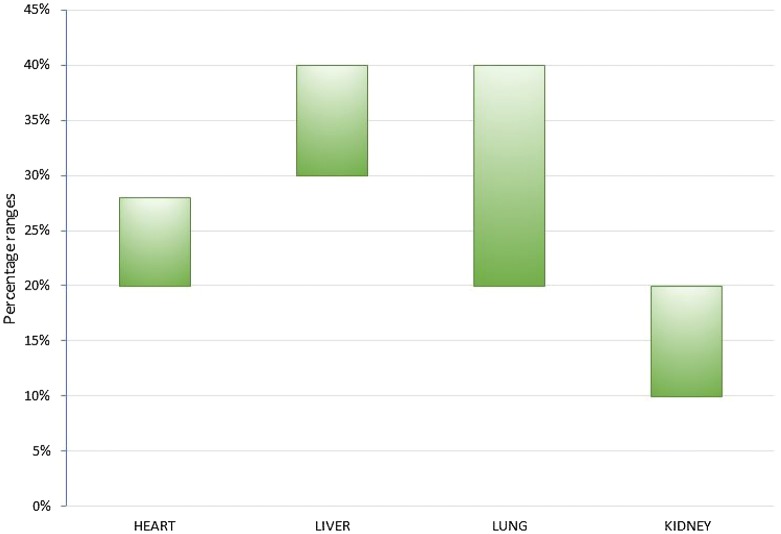
Solid organ transplantation (SOT) is an established therapeutic option for chronic disease resulting from end-stage organ dysfunction. Long-term use of immunosuppression is associated with post-transplantation diabetes mellitus (PTDM), placing patients at increased risk of infections, cardiovascular disease and mortality. The incidence rates for PTDM have varied from 10 to 40% between different studies. Diagnostic criteria have evolved over the years, as a greater understating of PTDM has been reached. There are differences in pathophysiology and clinical course of type 2 diabetes and PTDM. Hence, managing this condition can be a challenge for a diabetes physician, as there are several factors to consider when tailoring therapy for post-transplant patients to achieve better glycaemic as well as long-term transplant outcomes. This article is a detailed review of PTDM, examining the pathogenesis, diagnostic criteria and management in light of the current evidence. The therapeutic options are discussed in the context of their safety and potential drug-drug interactions with immunosuppressive agents.
实体器官移植(SOT)是治疗终末期器官功能障碍所致慢性疾病的一种既定治疗选择。长期使用免疫抑制剂与移植后糖尿病(PTDM)相关,使患者面临感染、心血管疾病和死亡风险增加的问题。不同研究中PTDM的发病率在10%至40%之间有所不同。多年来,随着对PTDM有了更深入的了解,诊断标准也在不断演变。2型糖尿病和PTDM在病理生理学和临床过程方面存在差异。因此,对于糖尿病医生来说,管理这种情况可能是一项挑战,因为在为移植后患者量身定制治疗方案以实现更好的血糖控制以及长期移植效果时,有几个因素需要考虑。本文是对PTDM的详细综述,根据当前证据审视其发病机制、诊断标准和管理方法。将在治疗选择的安全性以及与免疫抑制剂潜在药物相互作用的背景下讨论这些治疗选择。