Novo Nordisk Foundation Center for Basic Metabolic Research, Faculty of Health and Medical Sciences, University of Copenhagen, Copenhagen, Denmark.
PLoS Biol. 2020 Feb 25;18(2):e3000629. doi: 10.1371/journal.pbio.3000629. eCollection 2020 Feb.
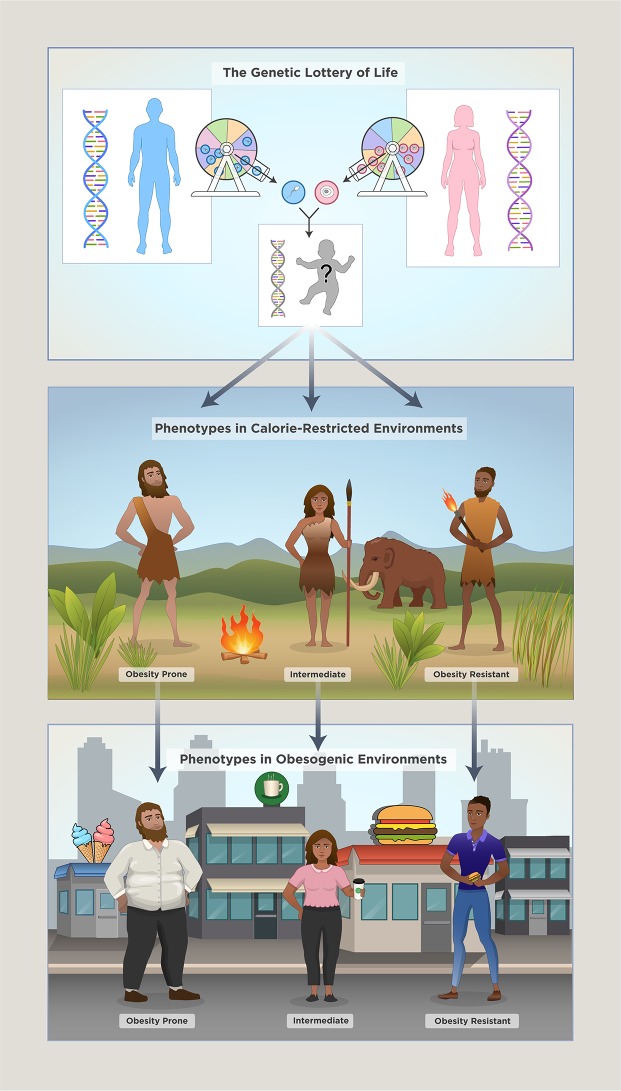
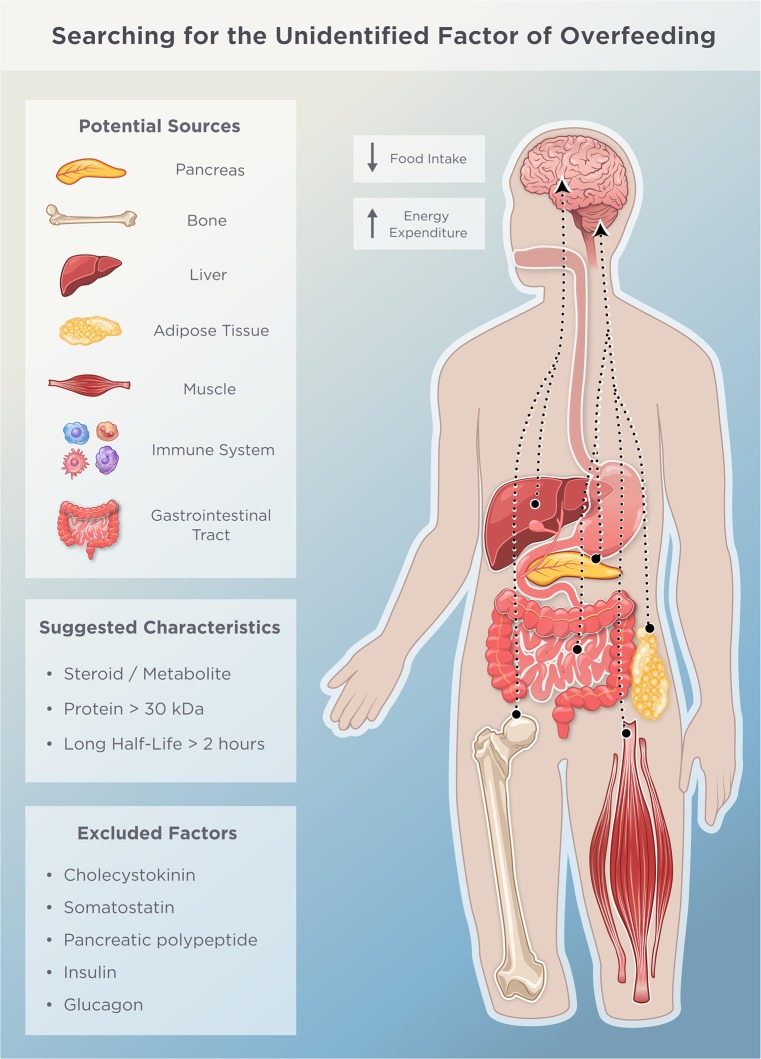
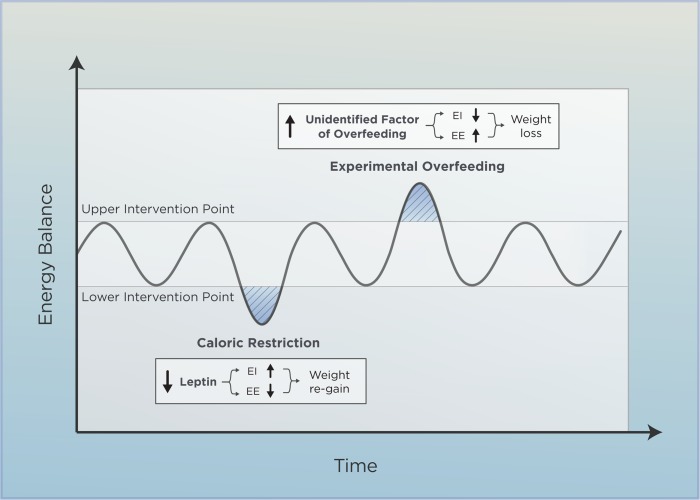
Human biology has evolved to keep body fat within a range that supports survival. During the last 25 years, obesity biologists have uncovered key aspects of physiology that prevent fat mass from becoming too low. In contrast, the mechanisms that counteract excessive adipose expansion are largely unknown. Evidence dating back to the 1950s suggests the existence of a blood-borne molecule that defends against weight gain. In this article, we discuss the research supporting an "unidentified factor of overfeeding" and models that explain its role in body weight control. If it exists, revealing the identity of this factor could end a long-lasting enigma of energy balance regulation and facilitate a much-needed breakthrough in the pharmacological treatment of obesity.
人体生物学已经进化到可以将体脂肪保持在支持生存的范围内。在过去的 25 年中,肥胖生物学家已经揭示了防止脂肪质量过低的关键生理学方面。相比之下,对抗脂肪过度扩张的机制在很大程度上尚不清楚。早在 20 世纪 50 年代就有证据表明,存在一种血液传播的分子,可以防止体重增加。在本文中,我们讨论了支持“过食的未识别因子”的研究,并讨论了解释其在体重控制中作用的模型。如果它存在,揭示这种因子的身份可能会结束能量平衡调节的一个长期谜团,并为肥胖症的药物治疗带来急需的突破。