Department of Orthopedic Surgery, Brigham and Women's Hospital, Boston, MA 02115, USA; Department of Systems Biology, Harvard Medical School, Boston, MA 02115, USA.
Department of Orthopedic Surgery, Brigham and Women's Hospital, Boston, MA 02115, USA.
Dev Cell. 2020 Feb 24;52(4):525-540.e5. doi: 10.1016/j.devcel.2020.01.026.
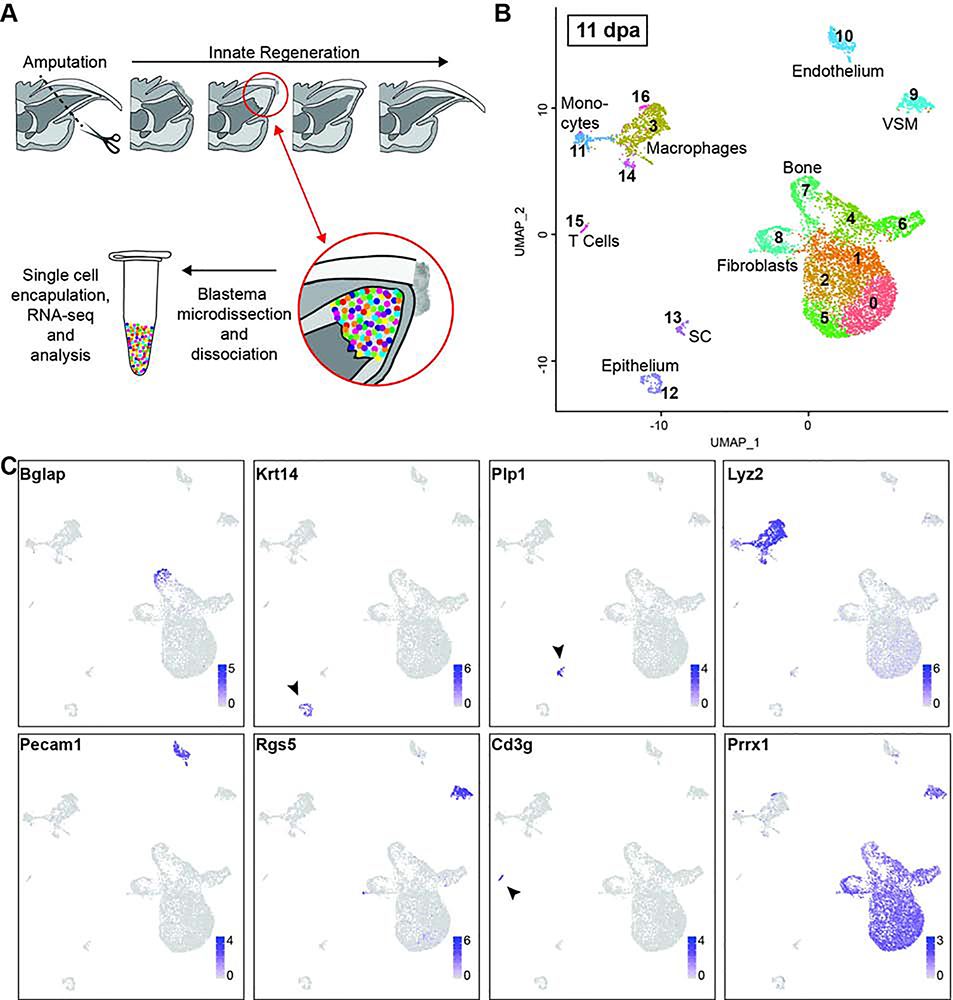
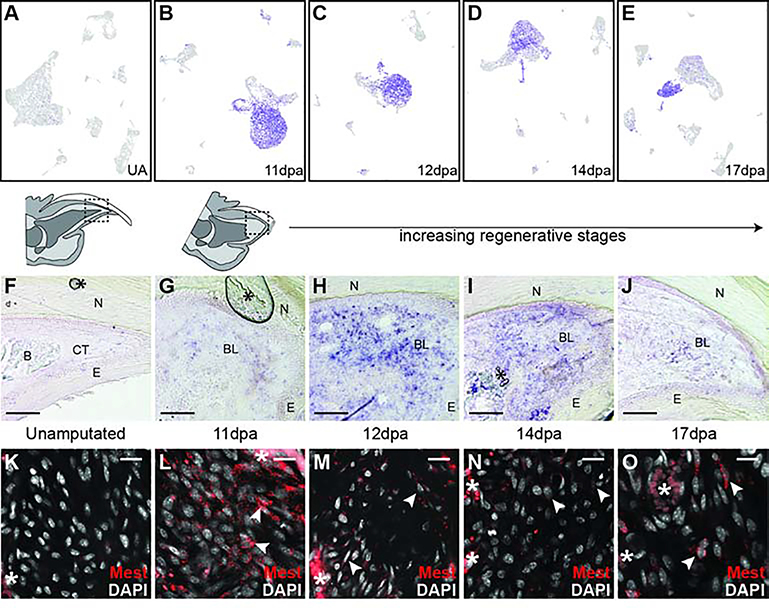
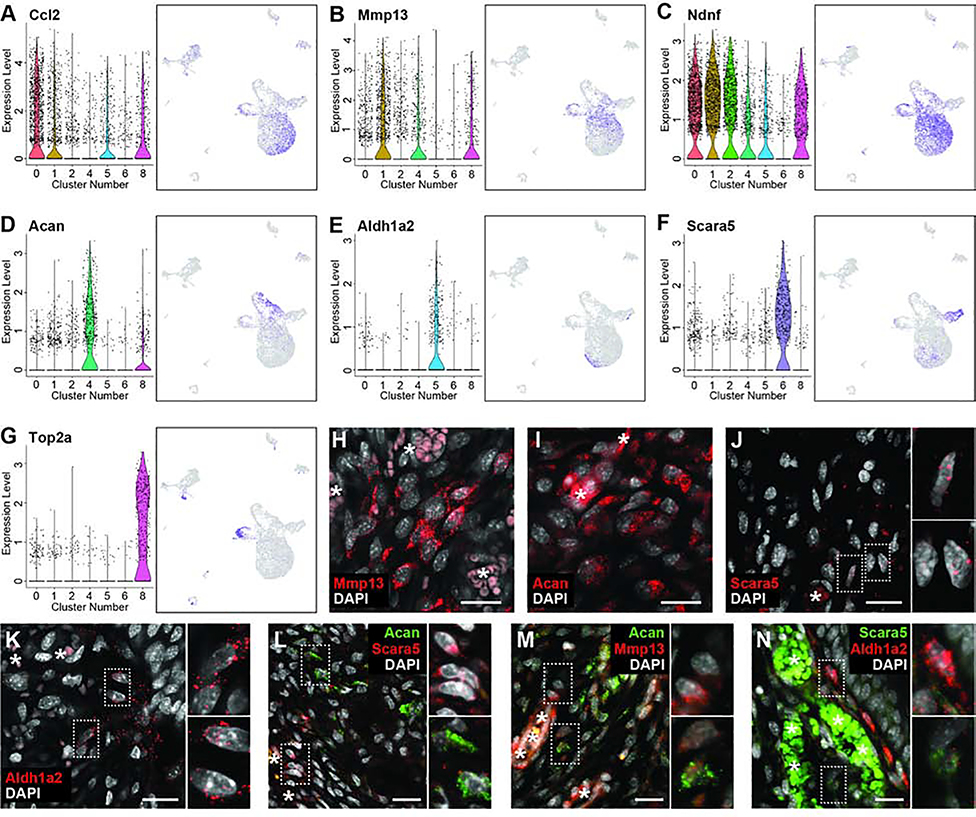
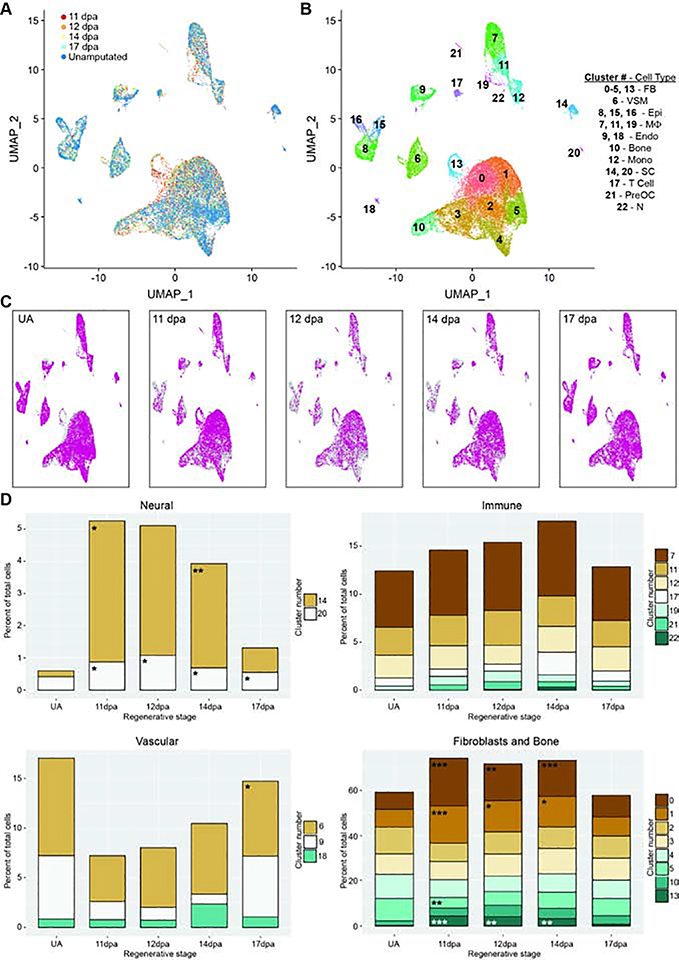
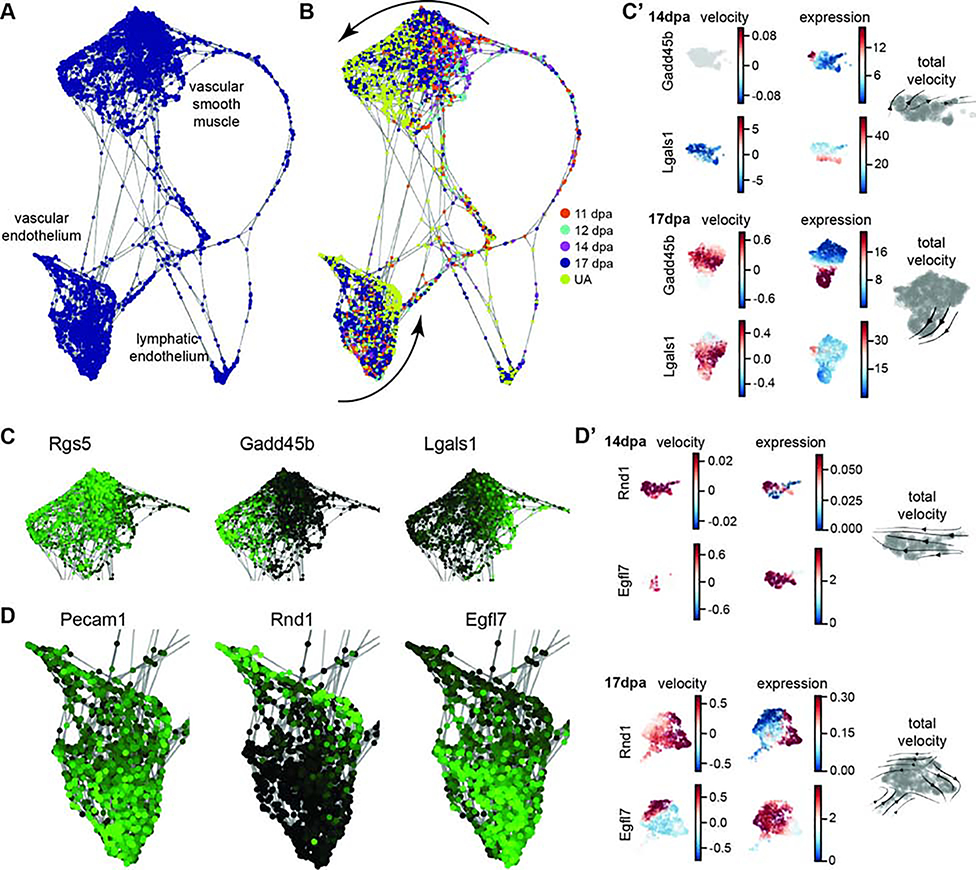
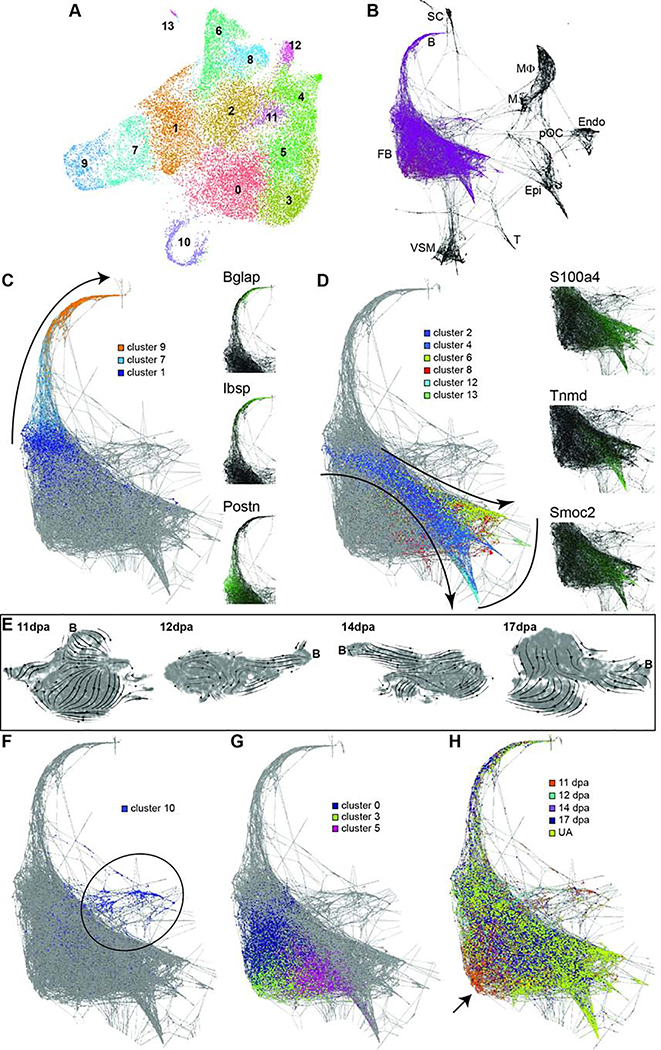
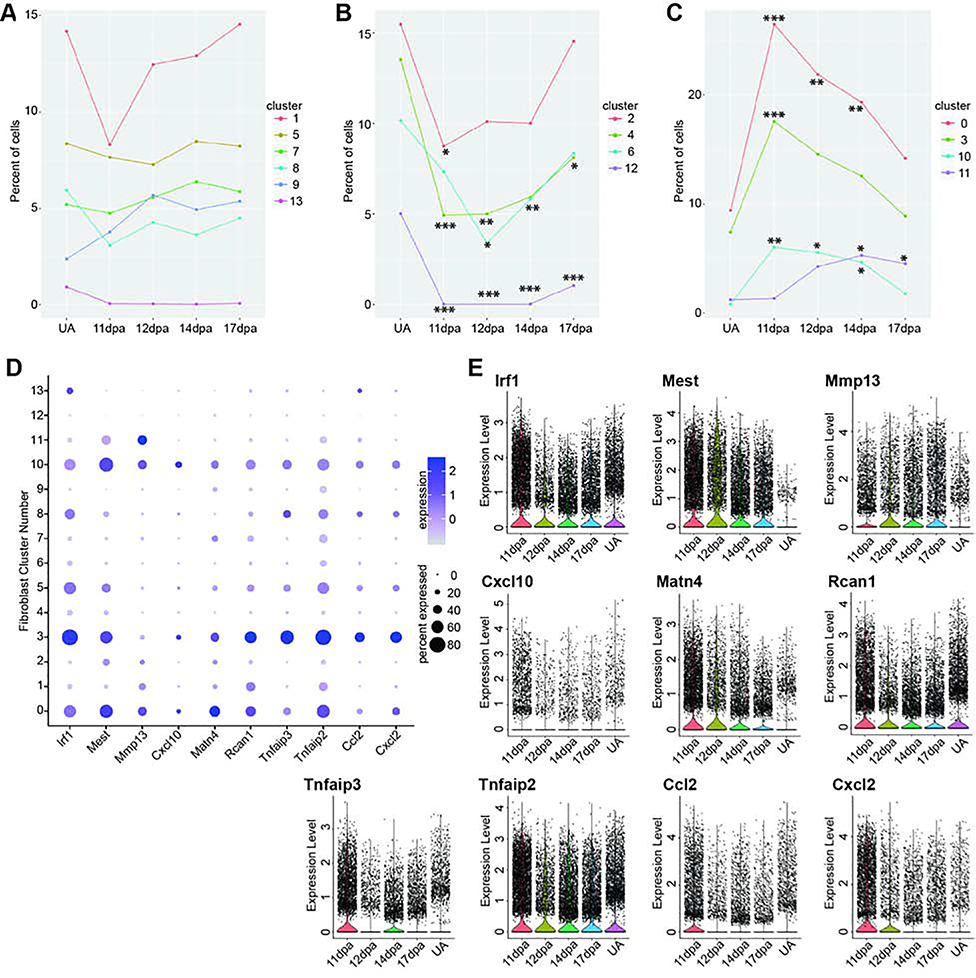
Innate regeneration following digit tip amputation is one of the few examples of epimorphic regeneration in mammals. Digit tip regeneration is mediated by the blastema, the same structure invoked during limb regeneration in some lower vertebrates. By genetic lineage analyses, the digit tip blastema has been defined as a population of heterogeneous, lineage-restricted progenitor cells. These previous studies, however, do not comprehensively evaluate blastema heterogeneity or address lineage restriction of closely related cell types. In this report, we present single-cell RNA sequencing of over 38,000 cells from mouse digit tip blastemas and unamputated control digit tips and generate an atlas of the cell types participating in digit tip regeneration. We computationally define differentiation trajectories of vascular, monocytic, and fibroblastic lineages over regeneration, and while our data confirm broad lineage restriction of progenitors, our analysis reveals 67 genes enriched in blastema fibroblasts including a novel regeneration-specific gene, Mest.
指端截断后的先天再生是哺乳动物中少数几个胚胎后再生的例子之一。指端再生是由芽基介导的,在某些较低等脊椎动物的肢体再生过程中也会出现同样的结构。通过遗传谱系分析,已经将指端芽基定义为一群异质的、谱系受限的祖细胞。然而,这些先前的研究并没有全面评估芽基的异质性,也没有解决密切相关细胞类型的谱系限制问题。在本报告中,我们对来自小鼠指端芽基和未截肢对照指端的超过 38000 个细胞进行了单细胞 RNA 测序,并生成了参与指端再生的细胞类型图谱。我们通过计算方法定义了血管、单核细胞和成纤维细胞谱系在再生过程中的分化轨迹,尽管我们的数据证实了祖细胞的广泛谱系限制,但我们的分析揭示了 67 个在芽基成纤维细胞中富集的基因,包括一个新的再生特异性基因 Mest。