Plant-Microbe Interaction and Rhizosphere Biology Lab, ICAR-National Bureau of Agriculturally Important Microorganisms, Kushmaur, Maunath Bhanjan 275103, India.
Amity Institute of Biotechnology, Amity University Uttar Pradesh, Lucknow 227105, India.
Int J Environ Res Public Health. 2020 Feb 21;17(4):1396. doi: 10.3390/ijerph17041396.
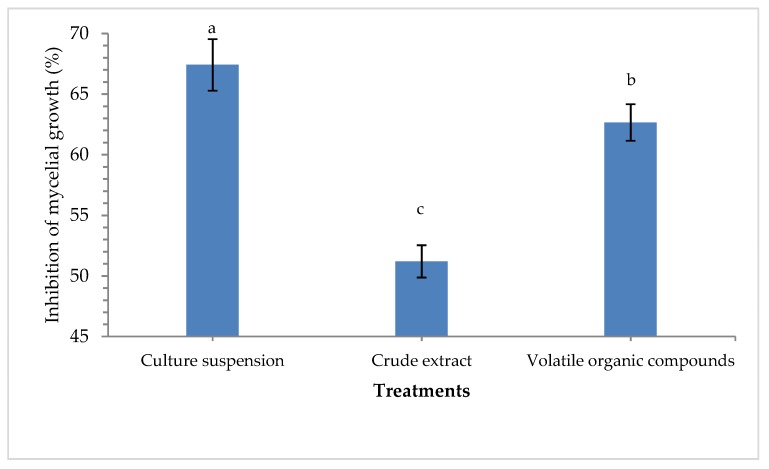
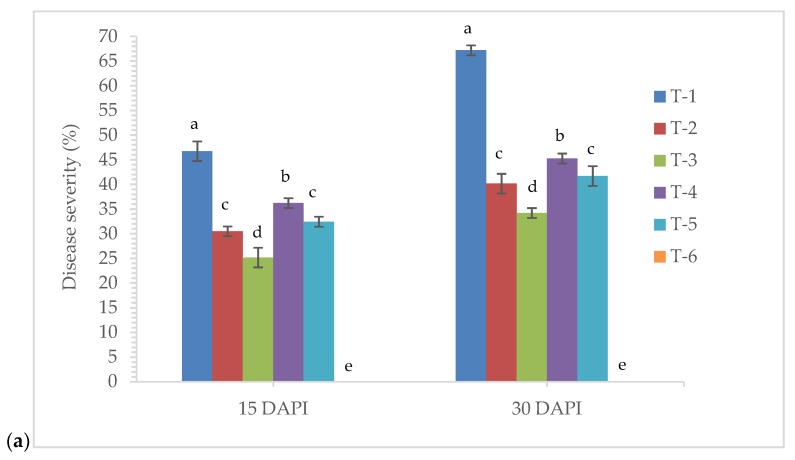
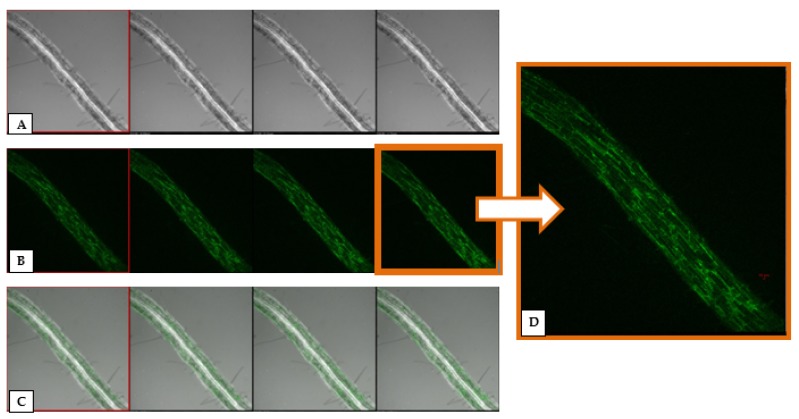
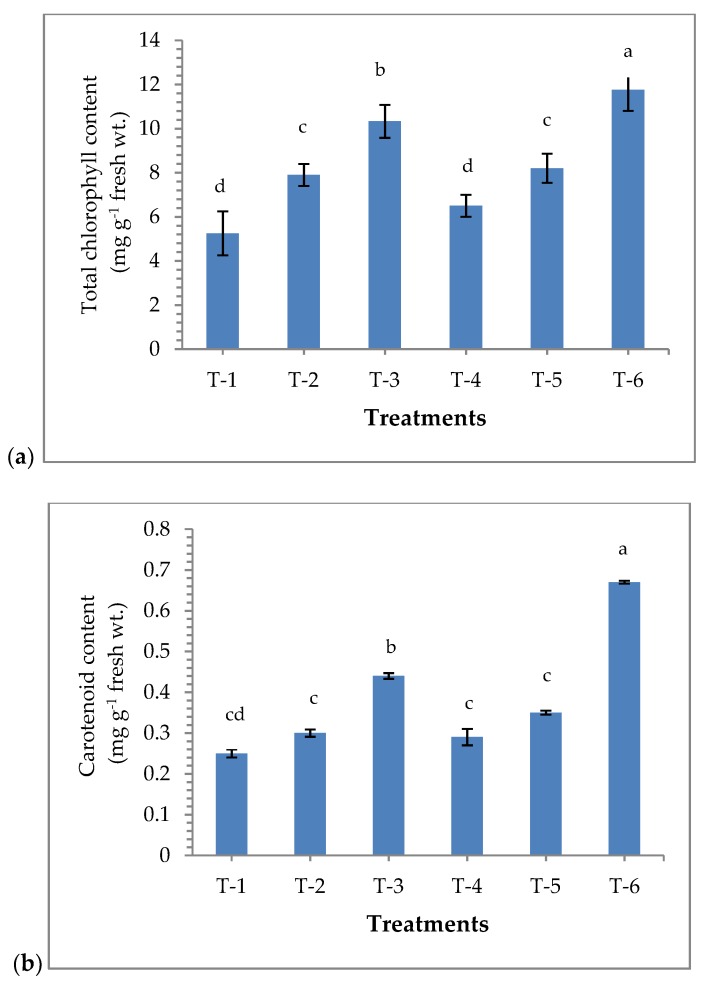
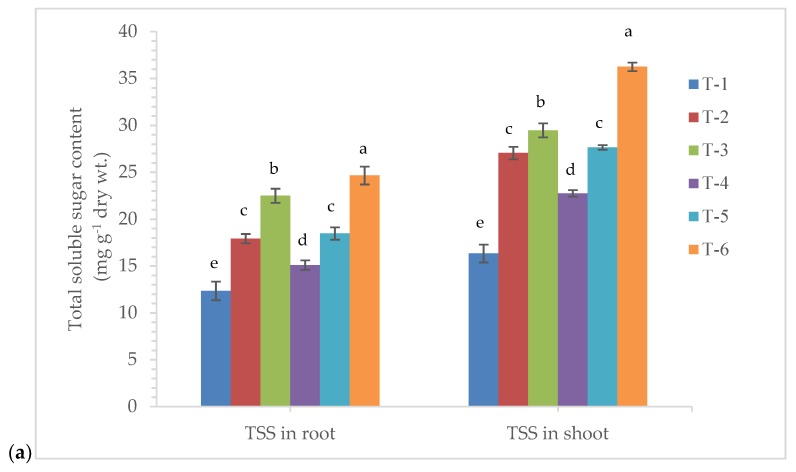
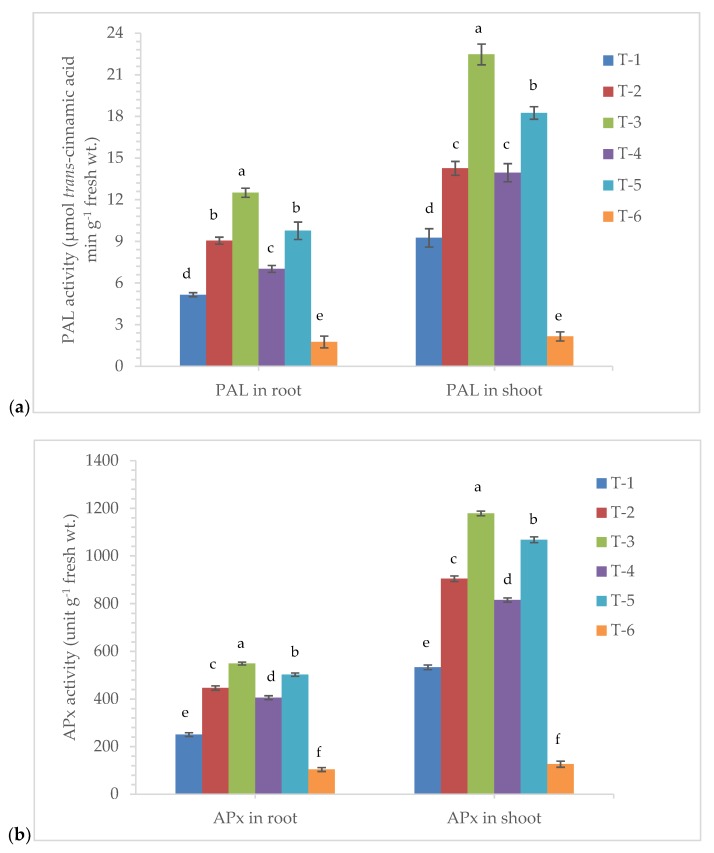
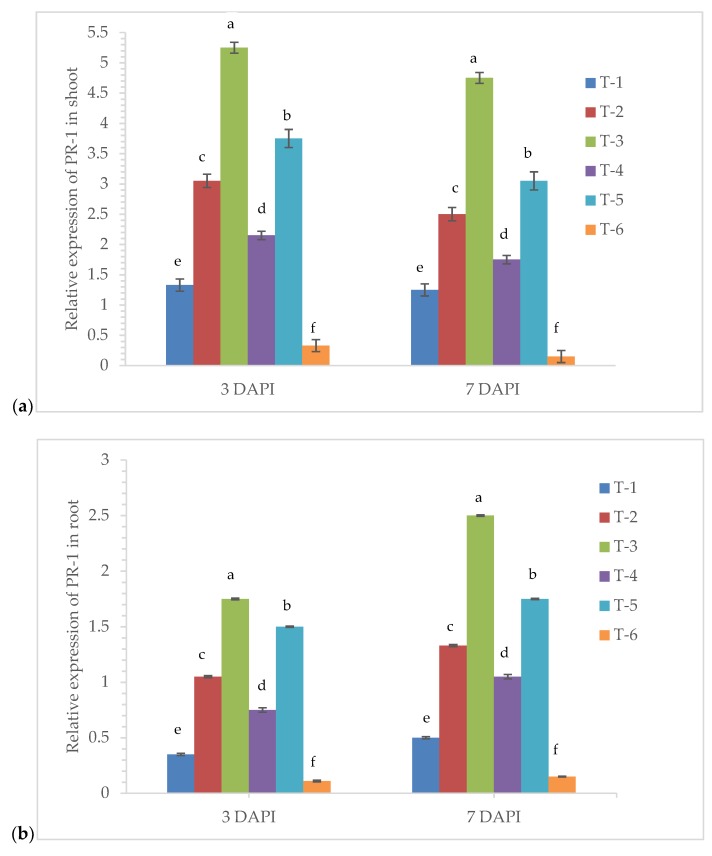
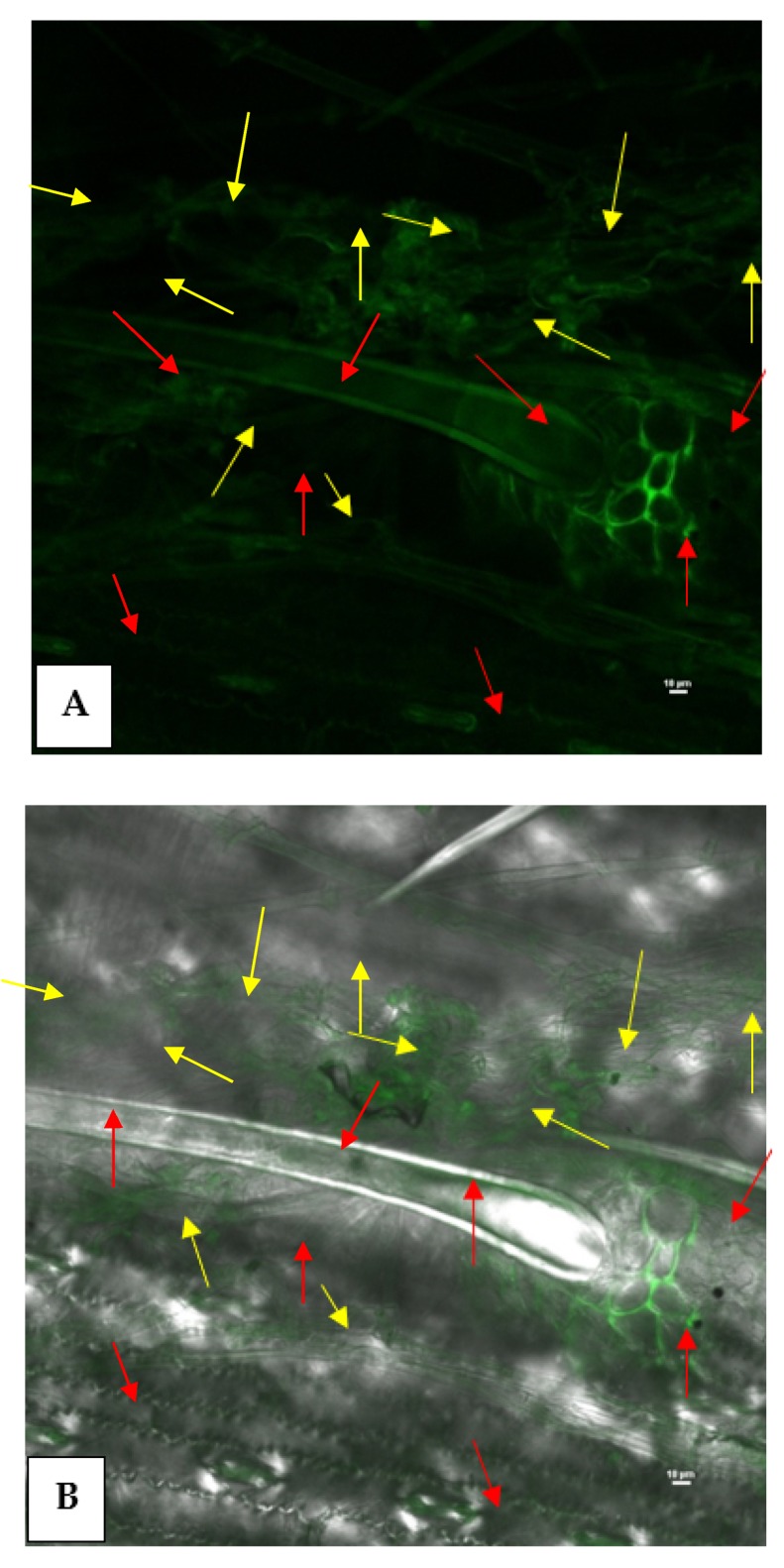
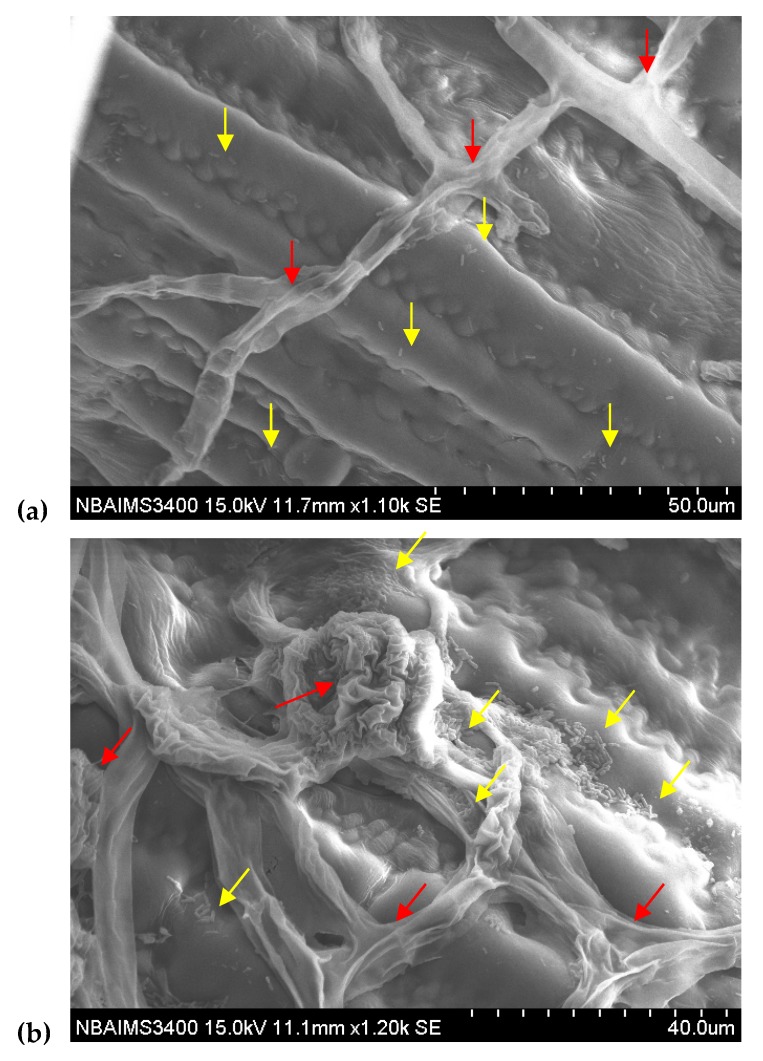
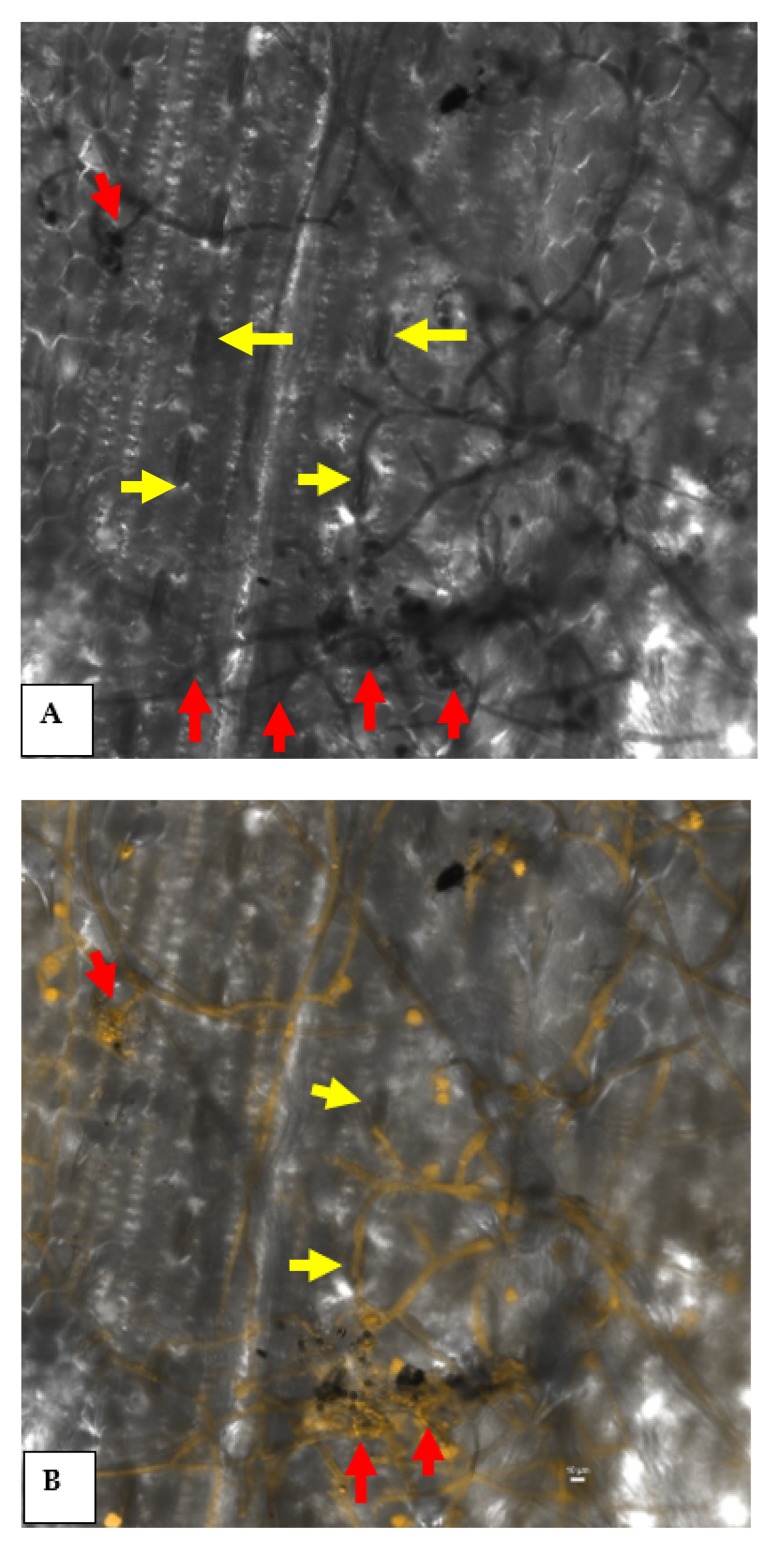
Plant growth promoting rhizobacteria strain MF-30 isolated from maize rhizosphere was characterized for several plant growth stimulating attributes. The strain MF-30 was also evaluated for antifungal properties against causing banded leaf and sheath blight in maize ( L.) under in vitro conditions and was found to have higher mycelial growth suppression in the culture suspension (67.41%) followed by volatile organic compounds (62.66%) and crude extract (51.20%) in a dual plate assay. The endophytic and epiphytic colonization ability was tested using Green Fluorescent Protein (GFP)-tagging. Visualization through confocal scanning laser microscope clearly indicated that strain MF-30 colonizes the root and foliar parts of the plants. Further, the effects of seed bio-priming with MF-30 was evaluated in the induction and bioaccumulation of defense-related biomolecules, enzymes, natural antioxidants, and other changes in maize under pot trial. This not only provided protection from but also ensured growth promotion under pathogenic stress conditions in maize. The maximum concentration of hydrogen peroxide (HO) was reported in the root and shoot of the plants treated with alone (8.47 and 17.50 mmol mg protein, respectively) compared to bioagent, MF-30 bio-primed plants (3.49 and 7.50 mmol mg protein, respectively). Effects on total soluble sugar content, total protein, and total proline were also found to enhanced significantly due to inoculation of MF-30. The activities of anti-oxidative defense enzymes phenylalanine ammonia lyase (PAL), ascorbate peroxidase, peroxidase, superoxide dismutase, and catalase increased significantly in the plants bio-primed with MF-30 and subsequent foliar spray of culture suspension of MF-30 compared to pathogen alone inoculated plants. qRT-PCR analysis revealed that seed bio-priming and foliar application of MF-30 significantly increased the expression of PR-1 and PR-10 genes with the simultaneous decrease in the disease severity and lesion length in the maize plants under pathogenic stress conditions. A significant enhancement of shoot and root biomass was recorded in MF-30 bio-primed plants as compared to untreated control ( < 0.05). Significant increase in plant growth and antioxidant content, as well as decreased disease severity in the MF-30 bio-primed plants, suggested the possibility of an eco-friendly and economical means of achieving antioxidants-rich, healthier maize plants.
从玉米根际中分离到一株具有促生特性的植物根际促生菌 MF-30,对其进行了多种植物生长刺激特性的研究。该菌株 MF-30 在体外条件下对引起玉米条斑叶枯病的病原菌具有抑菌活性,在双层平板测定中,其培养悬浮液中的菌丝生长抑制率最高(67.41%),其次是挥发性有机化合物(62.66%)和粗提取物(51.20%)。利用绿色荧光蛋白(GFP)标记进行了内生和外生定殖能力的测试。通过共焦扫描激光显微镜观察,明确表明菌株 MF-30 能够定殖植物的根和叶片部分。此外,还评估了用 MF-30 对种子进行生物引发对诱导和生物积累与防御相关生物分子、酶、天然抗氧化剂和玉米盆栽试验中其他变化的影响。这不仅为玉米提供了对病原菌的保护,而且在致病胁迫条件下也确保了生长促进。单独用 处理的植物的根和地上部分的过氧化氢(HO)浓度最高(分别为 8.47 和 17.50 mmol mg 蛋白),而用生物制剂 MF-30 处理的植物的根和地上部分的浓度分别为 3.49 和 7.50 mmol mg 蛋白。接种 MF-30 还显著提高了总可溶性糖含量、总蛋白和总脯氨酸的含量。苯丙氨酸解氨酶(PAL)、抗坏血酸过氧化物酶、过氧化物酶、超氧化物歧化酶和过氧化氢酶等抗氧化防御酶的活性也显著增加。qRT-PCR 分析表明,与单独接种病原菌的植物相比,用 MF-30 对种子进行生物引发和随后对 MF-30 培养悬浮液进行叶面喷雾处理,显著增加了 PR-1 和 PR-10 基因的表达,同时降低了玉米植株在致病胁迫条件下的病情严重程度和病斑长度。与未处理对照相比,MF-30 生物引发的植株的地上部和根生物量显著增加(<0.05)。MF-30 生物引发的植株的生长和抗氧化剂含量显著增加,病情严重程度降低,表明这是一种实现富含抗氧化剂、更健康的玉米植株的环保和经济手段的可能性。