Department of Ophthalmology, Boston Children's Hospital, Harvard Medical School, Boston, MA 02115, USA.
Manton Center for Orphan Disease, Boston Children's Hospital, Boston, MA 02115, USA.
Int J Mol Sci. 2020 Feb 22;21(4):1503. doi: 10.3390/ijms21041503.
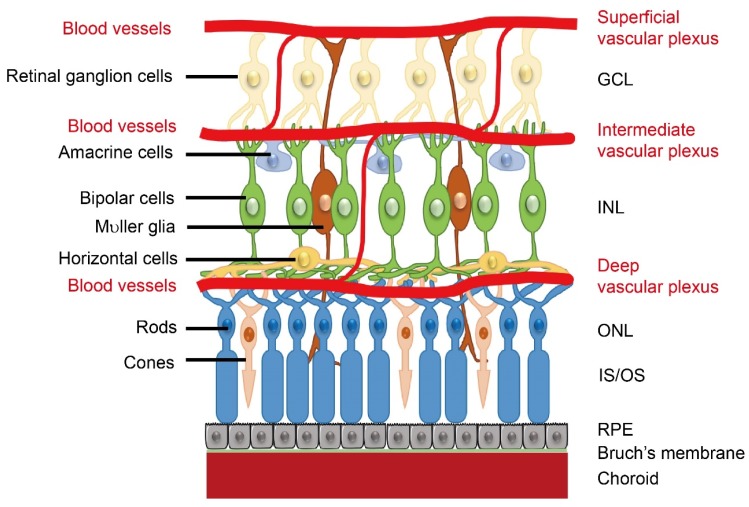
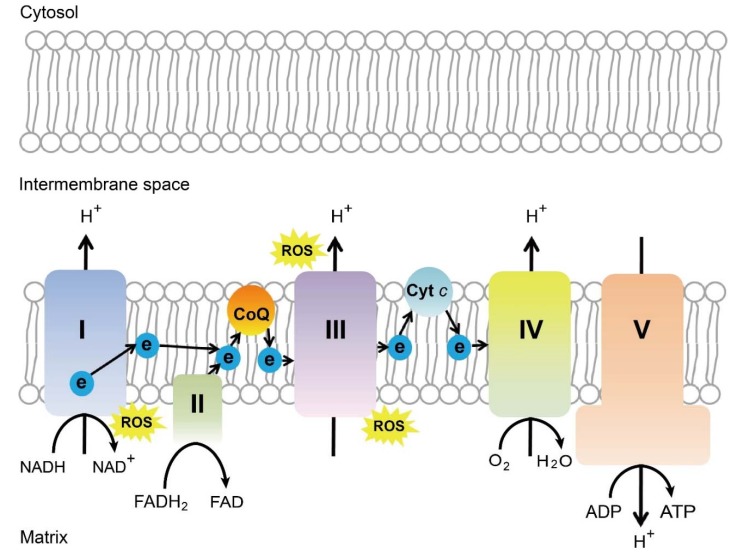
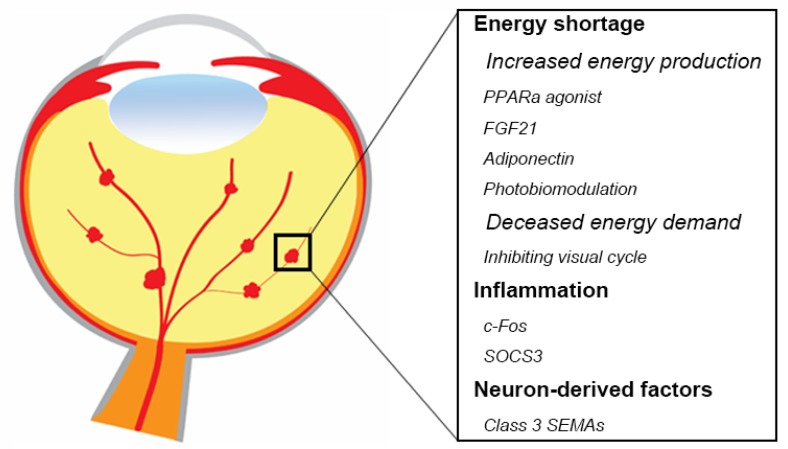
The tightly structured neural retina has a unique vascular network comprised of three interconnected plexuses in the inner retina (and choroid for outer retina), which provide oxygen and nutrients to neurons to maintain normal function. Clinical and experimental evidence suggests that neuronal metabolic needs control both normal retinal vascular development and pathological aberrant vascular growth. Particularly, photoreceptors, with the highest density of mitochondria in the body, regulate retinal vascular development by modulating angiogenic and inflammatory factors. Photoreceptor metabolic dysfunction, oxidative stress, and inflammation may cause adaptive but ultimately pathological retinal vascular responses, leading to blindness. Here we focus on the factors involved in neurovascular interactions, which are potential therapeutic targets to decrease energy demand and/or to increase energy production for neovascular retinal disorders.
紧密结构的神经视网膜具有独特的血管网络,由内视网膜(和脉络膜的外视网膜)中的三个相互连接的丛组成,为神经元提供氧气和营养物质,以维持正常功能。临床和实验证据表明,神经元的代谢需求控制着正常的视网膜血管发育和病理性异常血管生长。特别是,具有体内最高密度线粒体的光感受器通过调节血管生成和炎症因子来调节视网膜血管发育。光感受器代谢功能障碍、氧化应激和炎症可能导致适应性但最终病理性的视网膜血管反应,导致失明。在这里,我们专注于神经血管相互作用中涉及的因素,这些因素可能是减少能量需求和/或增加新生血管性视网膜疾病的能量产生的潜在治疗靶点。