Department of Ophthalmology, The First Affiliated Hospital of Guangxi Medical University, Nanning, People's Republic of China.
Department of Clinical Laboratory, The First Affiliated Hospital of Guangxi Medical University, Nanning, People's Republic of China.
Drug Des Devel Ther. 2020 Feb 4;14:509-518. doi: 10.2147/DDDT.S237830. eCollection 2020.
This study focused on the mechanism underlying the therapeutic effect of curcumin against tongue cancer (TC).
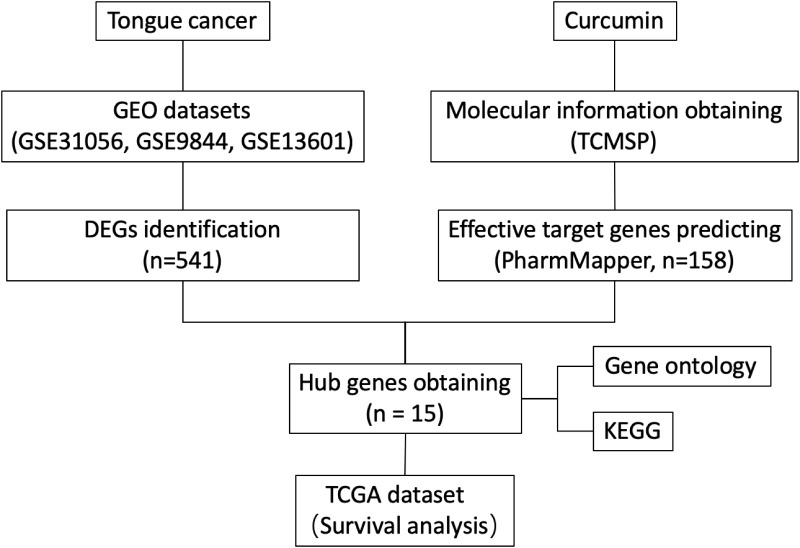
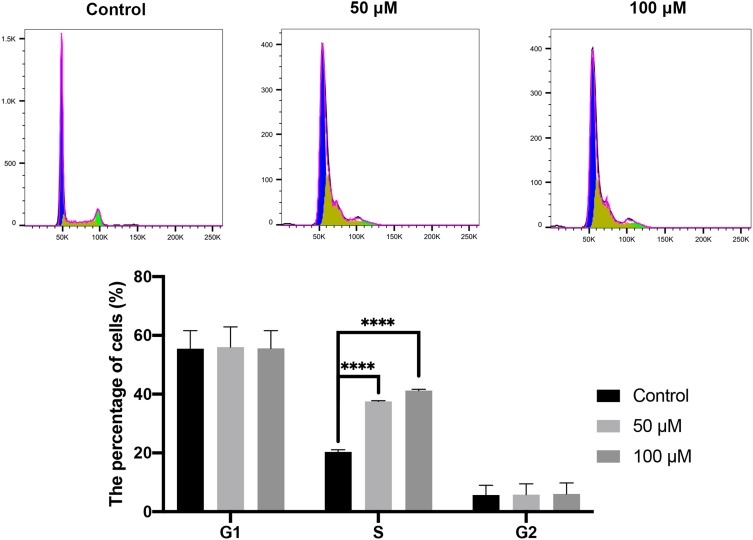
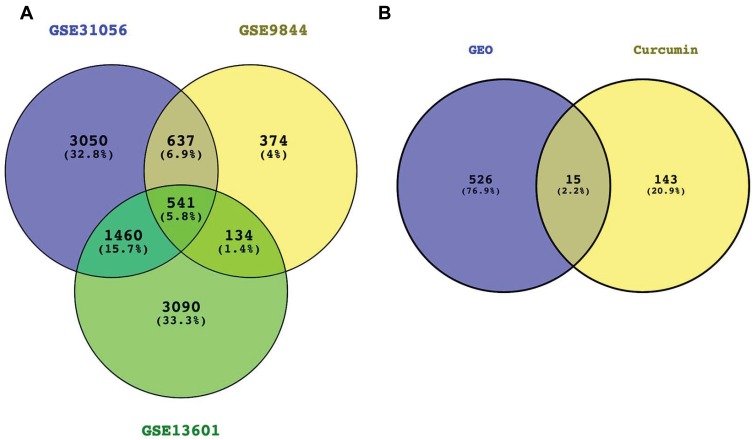
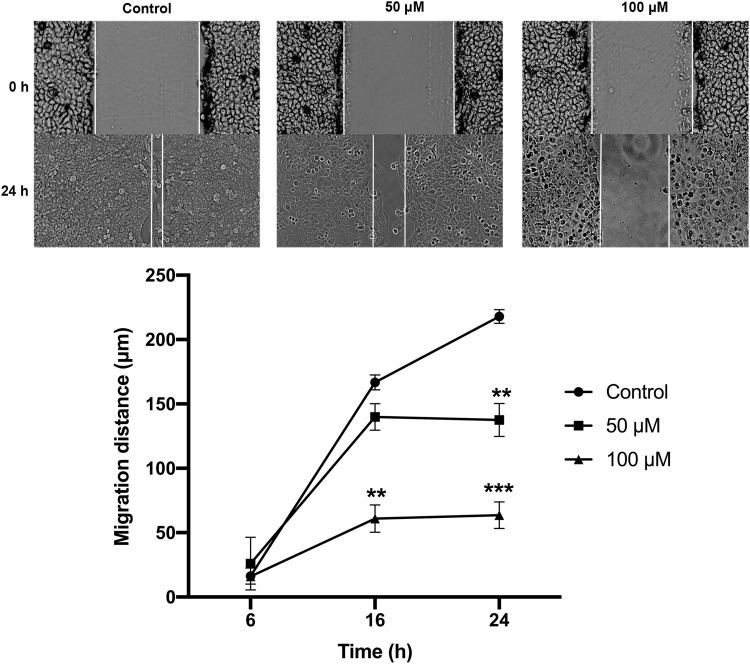
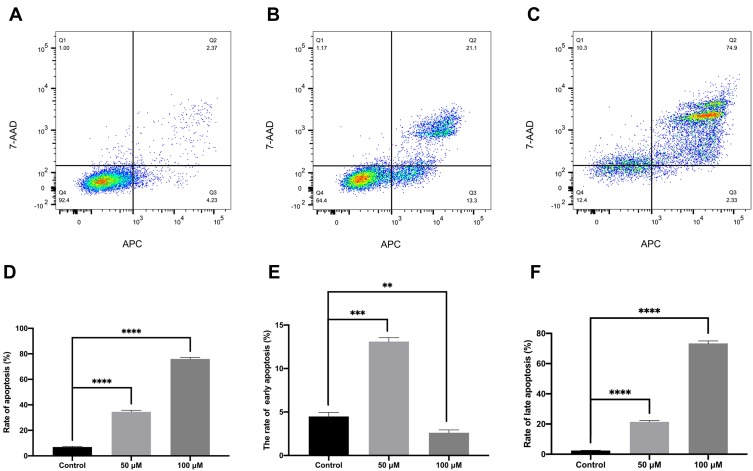
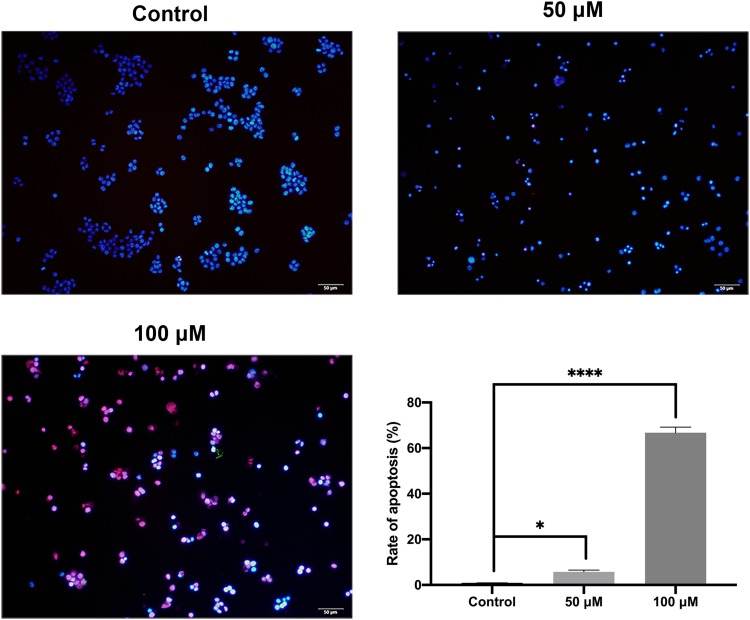
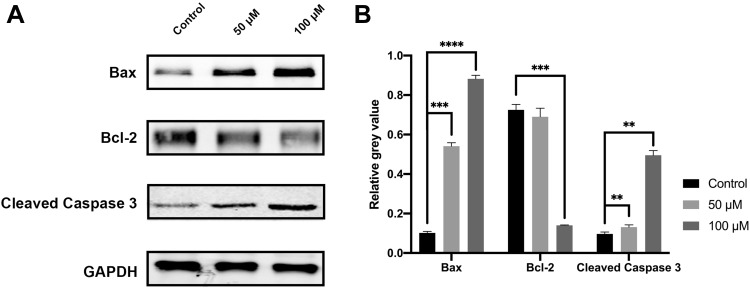
Target genes of TC and curcumin were identified, respectively. Three datasets of TC from Gene Expression Omnibus were included, and then the differentially expressed genes were collected. After combing the data from The Cancer Genome Atlas, bioinformatics analyses were performed to investigate hub genes in terms of the functions and correlations. The proliferation and migration of TC cells were evaluated with CCK-8 assay and scratch wound healing assay, respectively. Cell apoptosis was evaluated by TUNEL assay, flow cytometry and Western blot. Cell cycle was determined by flow cytometry.
In this study, 15 hub genes were identified (TK1, TDRD3, TAGLN2, RNASEH2A, PDE2A, NCF2, MAP3K3, GPX3, GPD1L, GBP1, ENO1, CAT, ALDH6A1, AGPS and ACACB). They were mainly enriched in oxygen-related processes, such as oxidation-reduction process, reactive oxygen species metabolic process, hydrogen peroxide catabolic process, oxidoreductase activity and Peroxisome-related pathway. The expression levels of hub gene mRNAs were positively correlated with each other's expression levels. None of the hub genes was correlated with prognosis ( > 0.05). Curcumin significantly inhibited CAL 27 cell proliferation and migration ( < 0.05), but significantly promoted cell apoptosis ( < 0.05).
Curcumin has potential therapeutic effect on treating TC by suppressing cell proliferation and migration, as well as promoting apoptosis through modulating oxygen-related signaling pathways.
本研究旨在探讨姜黄素治疗舌癌(TC)的作用机制。
分别鉴定 TC 和姜黄素的靶基因。纳入来自基因表达综合数据库(GEO)的 3 个 TC 数据集,并收集差异表达基因。通过整合癌症基因组图谱(TCGA)的数据,进行生物信息学分析,以研究功能和相关性方面的关键基因。用 CCK-8 法和划痕愈合实验分别评估 TC 细胞的增殖和迁移。用 TUNEL 法、流式细胞术和 Western blot 法评估细胞凋亡。用流式细胞术检测细胞周期。
本研究确定了 15 个关键基因(TK1、TDRD3、TAGLN2、RNASEH2A、PDE2A、NCF2、MAP3K3、GPX3、GPD1L、GBP1、ENO1、CAT、ALDH6A1、AGPS 和 ACACB)。这些基因主要富集于与氧相关的过程,如氧化还原过程、活性氧代谢过程、过氧化氢分解过程、氧化还原酶活性和过氧化物酶体相关途径。关键基因 mRNA 的表达水平彼此呈正相关。关键基因与预后均无相关性(>0.05)。姜黄素显著抑制 CAL 27 细胞增殖和迁移(<0.05),但显著促进细胞凋亡(<0.05)。
姜黄素通过调节与氧相关的信号通路,抑制细胞增殖和迁移,促进细胞凋亡,对治疗 TC 具有潜在的治疗作用。