Federal Research Center "Fundamentals of Biotechnology", Russian Academy of Sciences, Leninsky pr. 33, 119071 Moscow, Russia.
Caspian Institute of Biological Resources of the Russian Academy of Sciences, M. Gadzhiev st. 45, Makhachkala, 367025, Russia.
Oxid Med Cell Longev. 2020 Feb 10;2020:8956504. doi: 10.1155/2020/8956504. eCollection 2020.
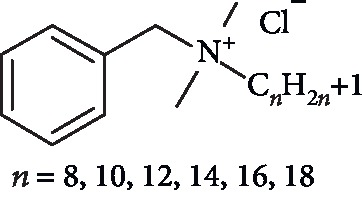
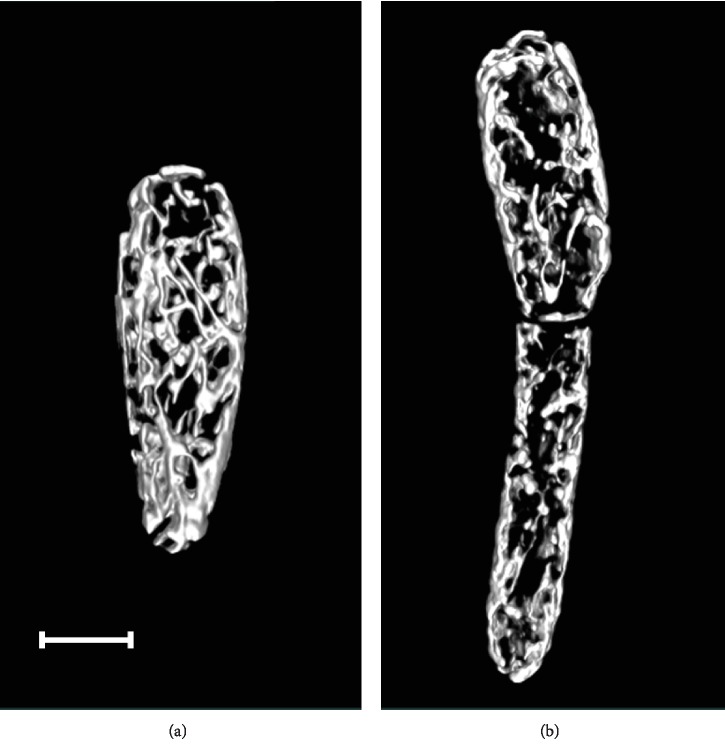
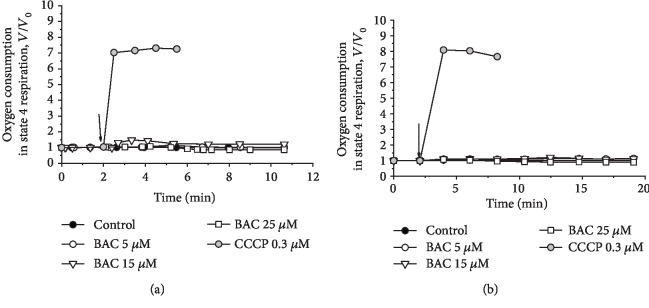
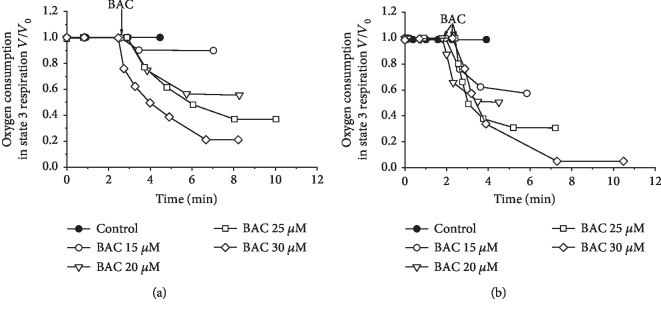
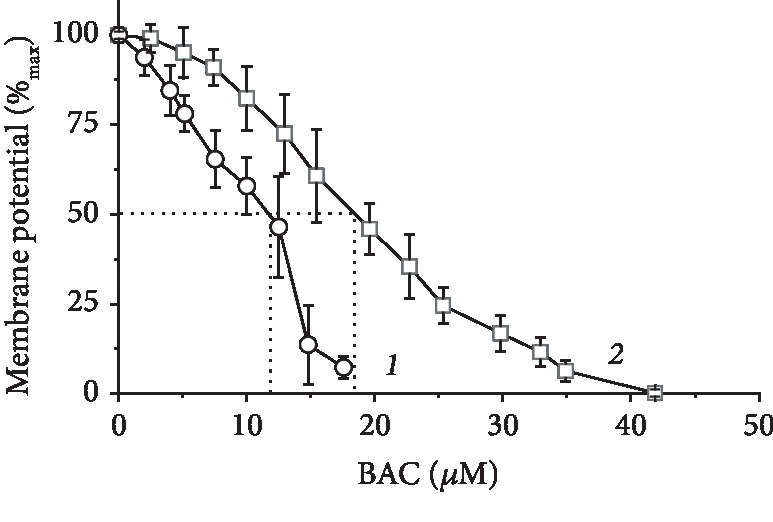
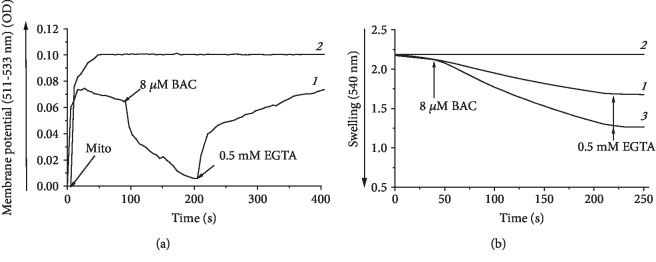
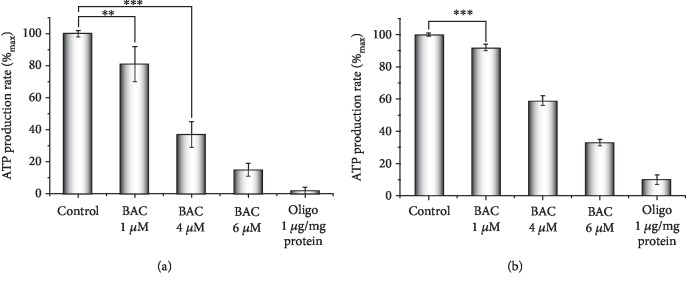
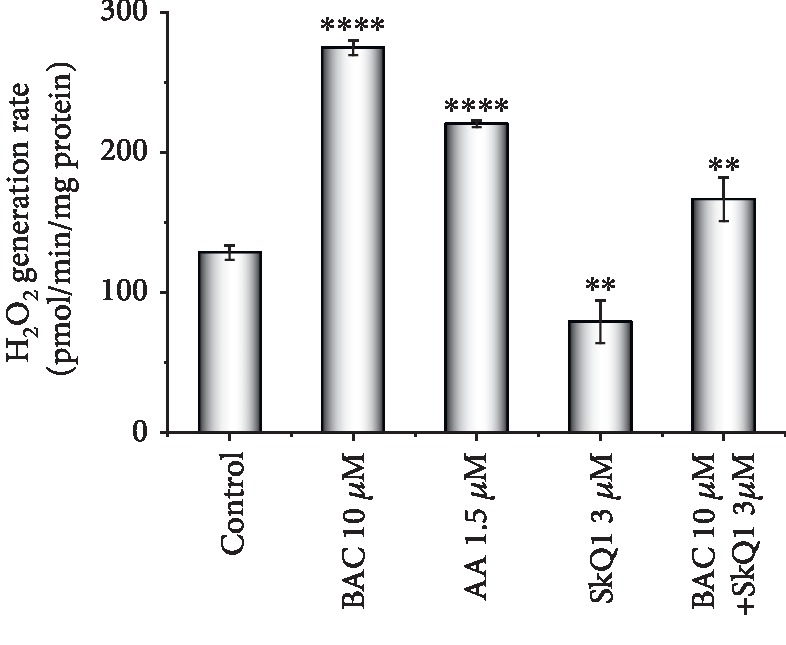
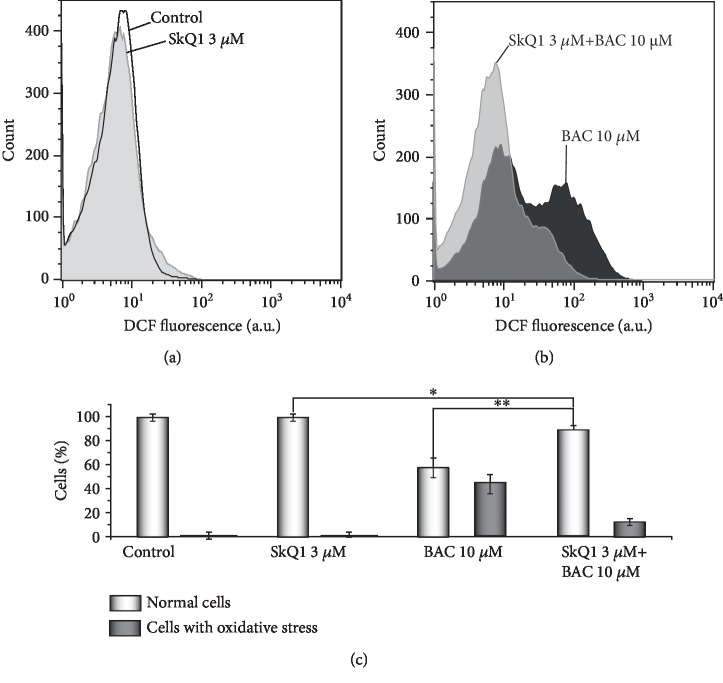
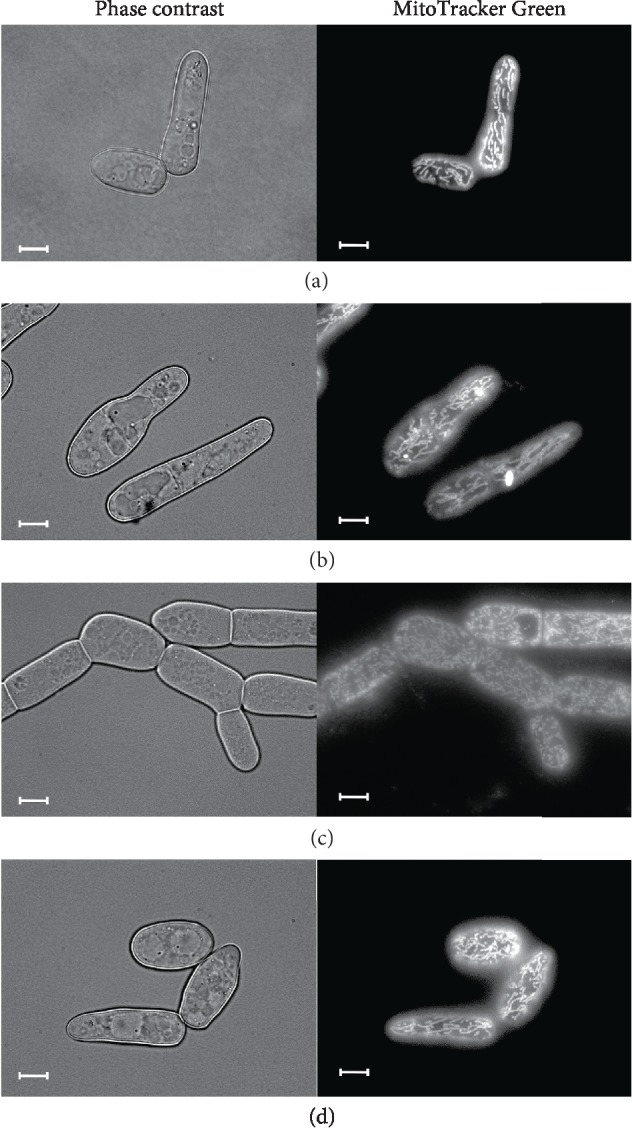
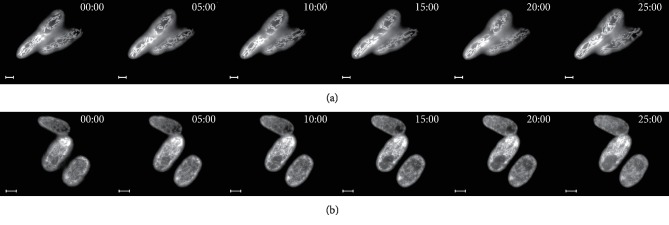
Benzalkonium chloride (BAC) is currently the most commonly used antimicrobial preservative in ophthalmic solutions, nasal sprays, and cosmetics. However, a large number of clinical and experimental investigations showed that the topical administration of BAC-containing eye drops could cause a variety of ocular surface changes, from ocular discomfort to potential risk for future glaucoma surgery. BAC-containing albuterol may increase the risk of albuterol-related systemic adverse effects. BAC, commonly present in personal care products, in cosmetic products can induce irritation and dose-dependent changes in the cell morphology. The cationic nature of BAC (it is a quaternary ammonium) suggests that one of the major targets of BAC in the cell may be mitochondria, the only intracellular compartment charged negatively. However, the influence of BAC on mitochondria has not been clearly understood. Here, the effects of BAC on energy parameters of rat liver mitochondria as well as on yeast cells were examined. BAC, being a "weaker" uncoupler, potently inhibited respiration in state 3, diminished the mitochondrial membrane potential, caused opening of the Ca2+/Pi-dependent pore, blocked ATP synthesis, and promoted HO production by mitochondria. BAC triggered oxidative stress and mitochondrial fragmentation in yeast cells. BAC-induced oxidative stress in mitochondria and yeast cells was almost totally prevented by the mitochondria-targeted antioxidant SkQ1; the protective effect of SkQ1 on mitochondrial fragmentation was only partial. Collectively, these data showed that BAC acts adversely on cell bioenergetics (especially on ATP synthesis) and mitochondrial dynamics and that its prooxidant effect can be partially prevented by the mitochondria-targeted antioxidant SkQ1.
苯扎氯铵(BAC)目前是眼科溶液、鼻腔喷雾剂和化妆品中最常用的抗菌防腐剂。然而,大量的临床和实验研究表明,含 BAC 的眼药水局部给药可引起各种眼表面变化,从眼部不适到未来青光眼手术的潜在风险。含 BAC 的沙丁胺醇可能会增加与沙丁胺醇相关的全身不良反应的风险。常见于个人护理产品中的 BAC,在化妆品中可引起刺激和剂量依赖性的细胞形态变化。BAC 的阳离子性质(它是一种季铵盐)表明 BAC 在细胞中的主要靶标之一可能是线粒体,线粒体是唯一带负电荷的细胞内隔室。然而,BAC 对线粒体的影响尚未被清楚理解。在这里,研究了 BAC 对大鼠肝线粒体能量参数以及酵母细胞的影响。BAC 作为一种“较弱”的解偶联剂,强烈抑制了状态 3 的呼吸,降低了线粒体膜电位,导致 Ca2+/Pi 依赖性孔开放,阻断了 ATP 的合成,并促进了线粒体的 HO 生成。BAC 引发了酵母细胞中的氧化应激和线粒体碎片化。BAC 诱导的线粒体和酵母细胞中的氧化应激几乎完全被线粒体靶向抗氧化剂 SkQ1 所阻止;SkQ1 对线粒体碎片化的保护作用仅部分有效。总之,这些数据表明 BAC 对细胞生物能学(特别是对 ATP 合成)和线粒体动力学产生不利影响,其促氧化作用可部分被线粒体靶向抗氧化剂 SkQ1 所阻止。