Immunosciences Lab, 822 S. Robertson Blvd., Ste. 312, Los Angeles, CA 90035, USA.
University of California, Los Angeles, CA 90095, USA.
J Immunol Res. 2020 Feb 11;2020:1438957. doi: 10.1155/2020/1438957. eCollection 2020.
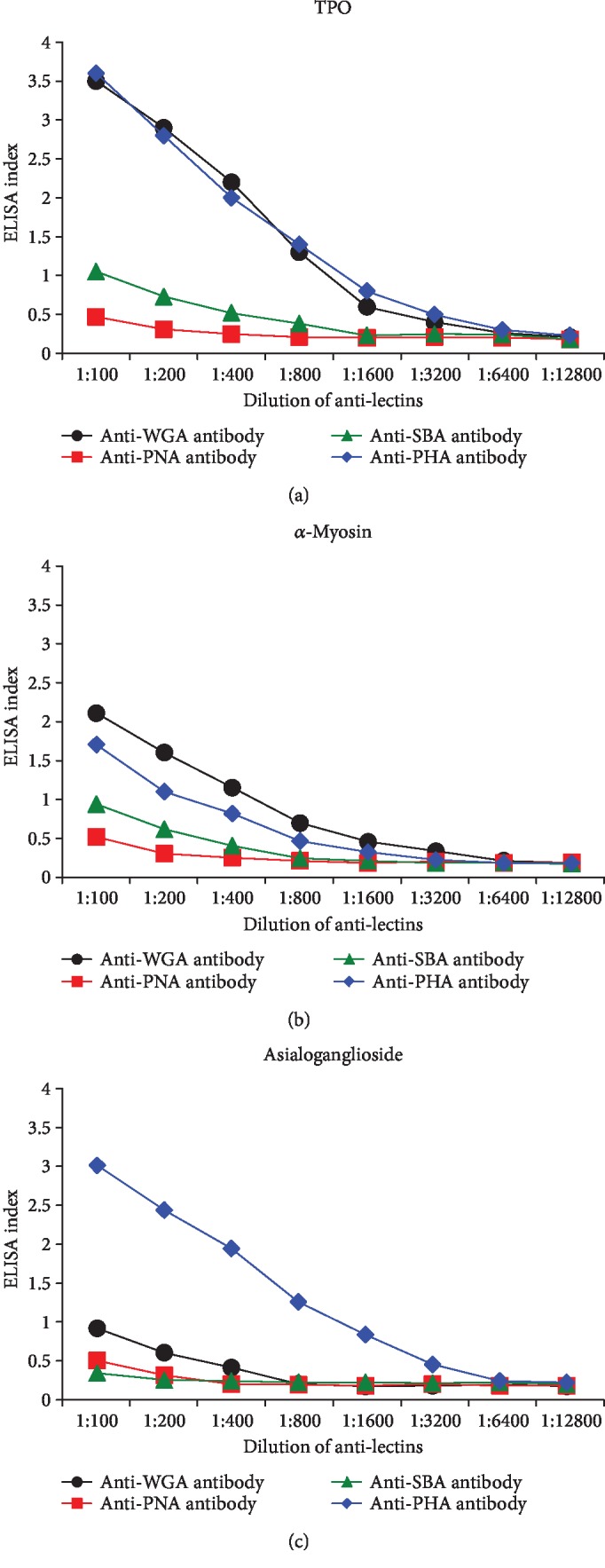
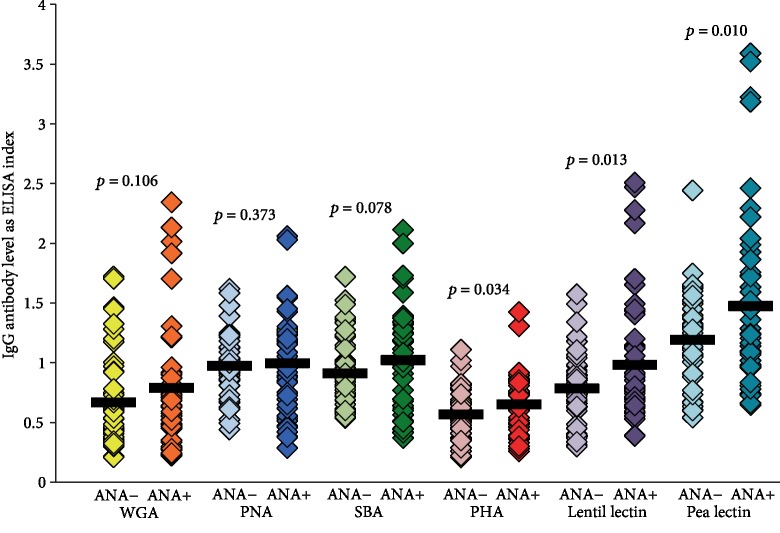
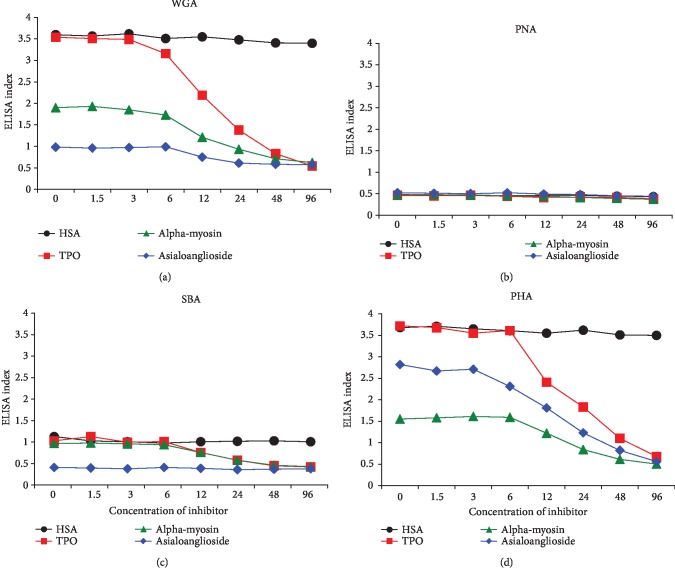
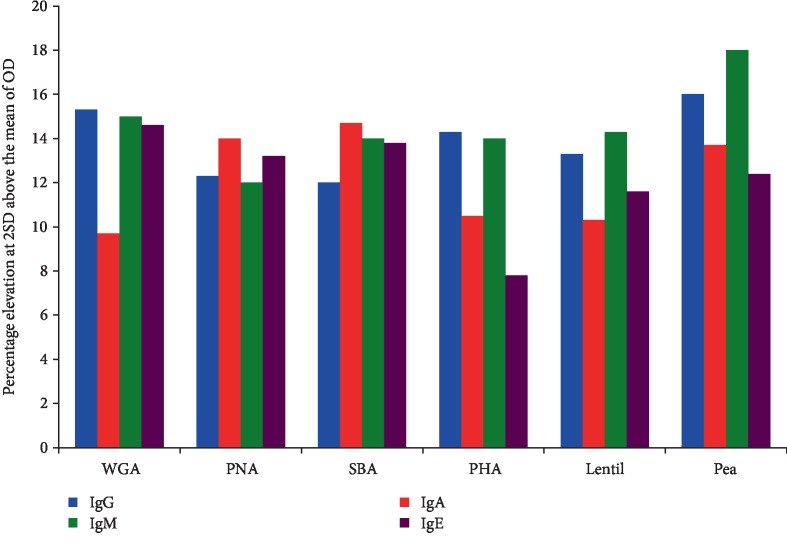
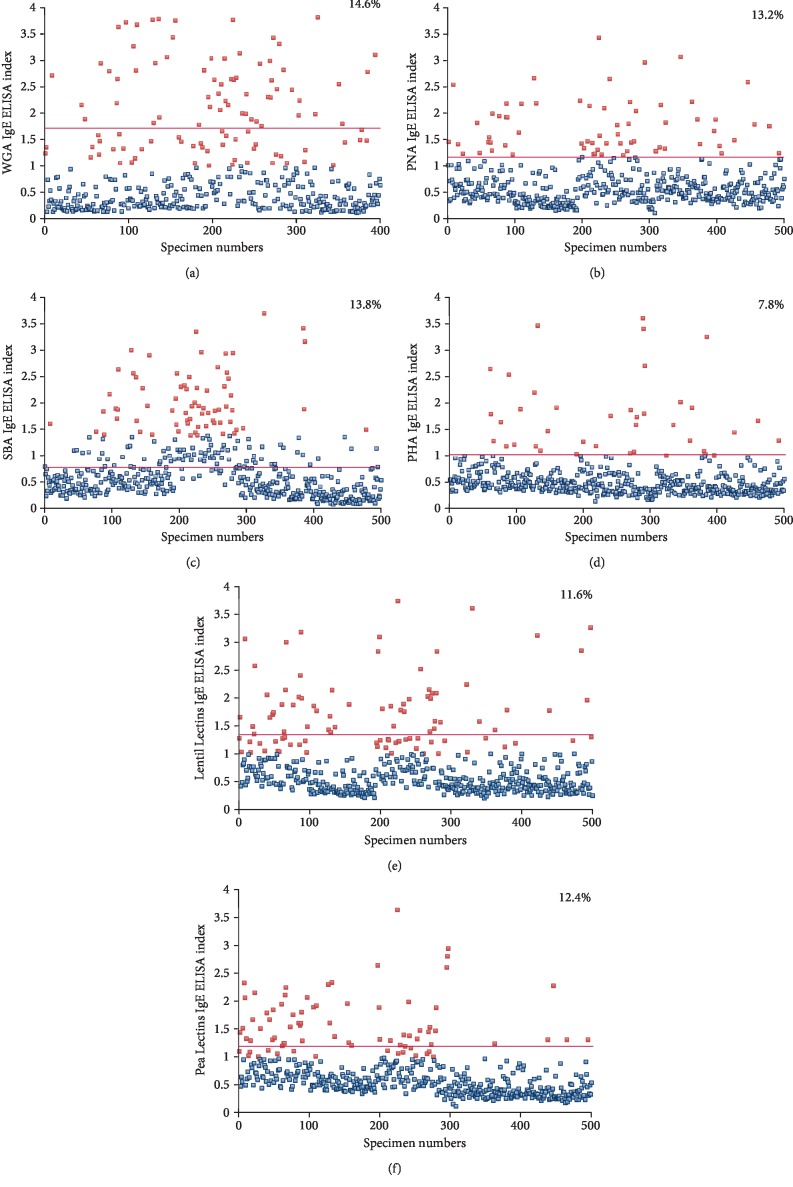
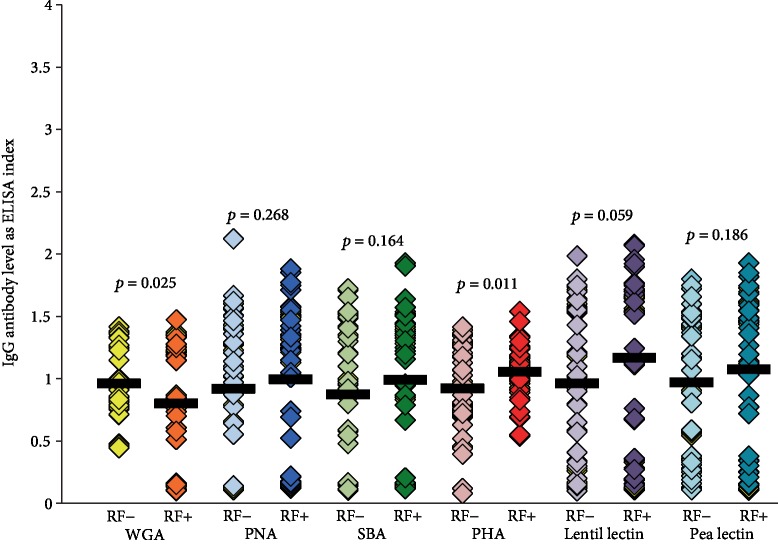
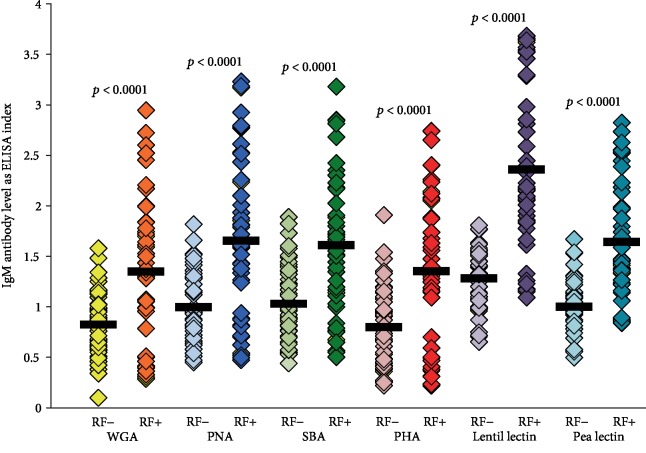
The aim of this study was to examine the direct reaction of specific lectin/agglutinin antibodies to different tissue antigens to confirm the theory that reactivity between them may contribute to autoimmunities. Lectins are carbohydrate-binding proteins found in nearly all fruits and vegetables. Undigested lectins can penetrate the gut barriers, provoking an immune response that results in the production of antibodies against them. Using an enzyme-linked immunosorbent assay, we reacted lectin-specific antibodies with 62 different tissue antigens. Wheat germ agglutinin-specific antibody was the most reactive with the tissue antigens (37 tissues out of 62), followed by red kidney bean phytohemagglutinin-specific antibody (20), soybean agglutinin-specific antibody (20), and peanut agglutinin-specific antibody (15). This reaction between anti-lectin antibodies and many human tissue antigens may be due to possible molecular mimicry and cross-reactivity. After our results confirmed that anti-lectin antibodies bind with human tissues, we wanted to determine the prevalence of these antibodies in the blood of 500 nominally healthy donors. The percentage elevation of antibodies against different lectins ranged from 12 to 16% (Immunoglobulin G), 9.7-14.7% (Immunoglobulin A), 12-18% (Immunoglobulin M), and 7.8-14.6% (Immunoglobulin E). Serial dilutions and inhibition study confirmed that these reactions were specific. Finally, we tested the lectin-specific antibody level in sera both negative and positive for RF and ANA and found that IgM anti-lectin antibody levels were highly correlated with RF but not with ANA level. The reaction of anti-lectin antibodies with human tissue components and their detection in RF-positive samples may describe mechanisms by which the production of antibodies against undigested lectins may contribute to the pathogenesis of some autoimmune diseases.
本研究旨在检验特定凝集素/凝集素抗体与不同组织抗原的直接反应,以证实它们之间的反应可能有助于自身免疫的理论。凝集素是存在于几乎所有水果和蔬菜中的碳水化合物结合蛋白。未消化的凝集素可以穿透肠道屏障,引发免疫反应,导致针对它们的抗体产生。我们使用酶联免疫吸附试验,使凝集素特异性抗体与 62 种不同的组织抗原反应。麦胚凝集素特异性抗体与组织抗原的反应最强烈(62 种组织中有 37 种),其次是红芸豆植物血凝素特异性抗体(20 种)、大豆凝集素特异性抗体(20 种)和花生凝集素特异性抗体(15 种)。抗凝集素抗体与许多人类组织抗原之间的这种反应可能是由于可能的分子模拟和交叉反应。在我们的结果证实抗凝集素抗体与人类组织结合后,我们希望确定这些抗体在 500 名名义健康供体血液中的流行率。针对不同凝集素的抗体升高百分比范围为 12%至 16%(免疫球蛋白 G)、9.7%至 14.7%(免疫球蛋白 A)、12%至 18%(免疫球蛋白 M)和 7.8%至 14.6%(免疫球蛋白 E)。系列稀释和抑制研究证实这些反应是特异性的。最后,我们测试了 RF 和 ANA 阴性和阳性血清中的凝集素特异性抗体水平,发现 IgM 抗凝集素抗体水平与 RF 高度相关,但与 ANA 水平无关。抗凝集素抗体与人类组织成分的反应及其在 RF 阳性样本中的检测可能描述了产生针对未消化凝集素的抗体可能有助于某些自身免疫性疾病发病机制的机制。